Understanding how to fertilize aquarium plants is essential for maintaining a thriving aquatic environment. Proper fertilization not only enhances the beauty of your underwater landscape but also supports the overall health of the aquatic ecosystem. By learning effective techniques and choosing suitable fertilizers, you can ensure your plants grow lush and vibrant, creating a stunning aquascape that captivates viewers and promotes a balanced habitat.
This guide explores the importance of fertilization, the types of fertilizers available, how to assess your plants’ nutritional needs, and best practices for application and monitoring. Whether you’re a beginner or an experienced hobbyist, mastering these principles will help you achieve optimal plant health and prevent common issues such as nutrient deficiencies and algae overgrowth.
Understanding the Importance of Fertilizing Aquarium Plants
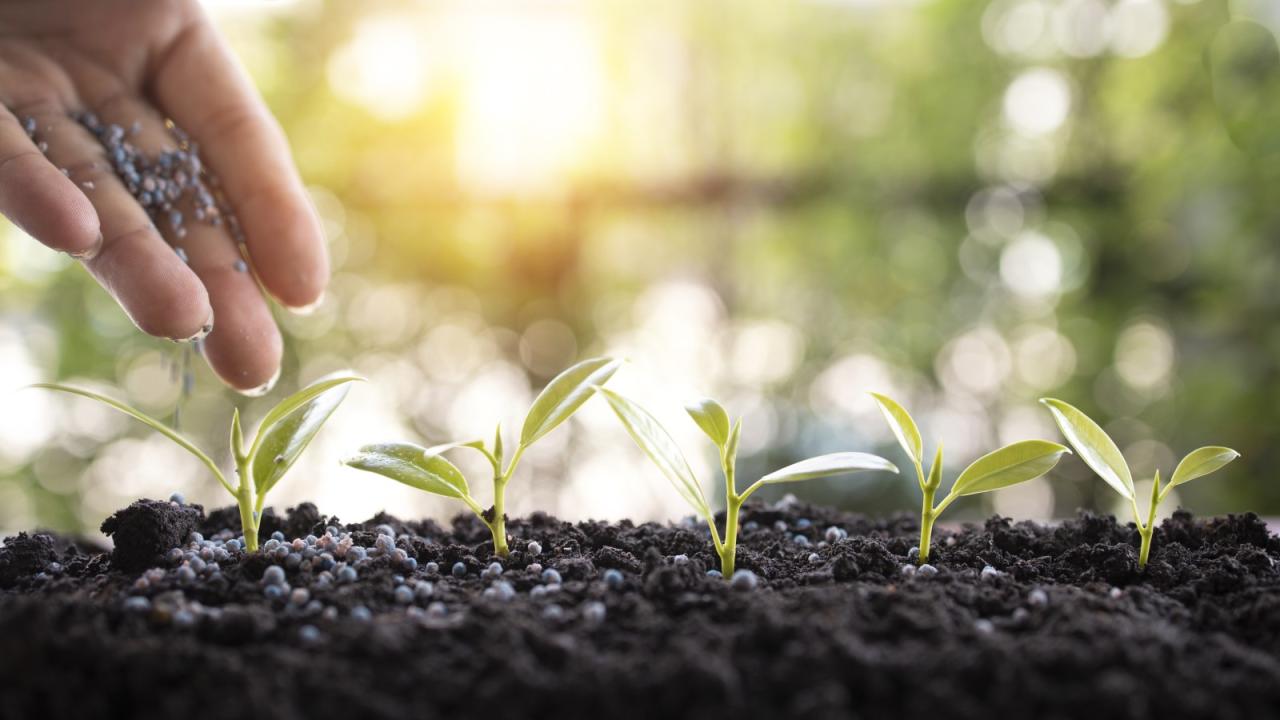
Fertilization plays a vital role in maintaining the health and vitality of aquatic plants within an aquarium. Proper nutrient management ensures that plants grow robustly, contributing to a balanced and sustainable aquatic environment. Recognizing the significance of fertilization helps hobbyists optimize plant growth, prevent algae outbreaks, and foster a thriving ecosystem for fish and invertebrates.
In aquariums, plants require a specific set of nutrients to carry out essential physiological processes such as photosynthesis, cell development, and nutrient absorption. Without adequate fertilization, plants may exhibit stunted growth, yellowing leaves, or die-back, which can adversely affect water quality and the overall health of the aquatic environment. Conversely, well-fertilized plants can outcompete algae for nutrients, thereby reducing unwanted algae blooms and maintaining clear water conditions.
Nutrient Requirements and Their Impact on Growth
Proper fertilization supplies essential macro- and micronutrients necessary for optimal plant development. These nutrients include nitrogen, phosphorus, potassium, iron, and trace minerals, all of which play specific roles in plant physiology. An imbalance or deficiency of any of these nutrients can result in poor growth, discoloration, or weaker plant structures. Ensuring that plants receive a balanced nutrient regimen promotes lush, vibrant foliage and healthy root systems.
Comparison of Fertilized vs. Unfertilized Aquarium Plants
To illustrate the impact of fertilization, the following table compares key growth indicators between fertilized and unfertilized aquatic plants:
| Growth Indicator | Fertilized Aquarium Plants | Unfertilized Aquarium Plants |
|---|---|---|
| Leaf Color | Rich green, vibrant coloration | Pale, yellowing, or dull appearance |
| Growth Rate | Rapid, consistent new growth | Slow, sporadic growth |
| Root Development | Strong, extensive root systems | Weak, sparse roots |
| Plant Density | Full, lush coverage | Thin, sparse foliage |
| Algae Control | Reduced algae due to nutrient competition | Higher algae prevalence |
Note: Regular, balanced fertilization helps maintain a healthy aquatic environment by promoting vigorous plant growth, which naturally suppresses algae and stabilizes water quality.
Types of Fertilizers Suitable for Aquarium Plants
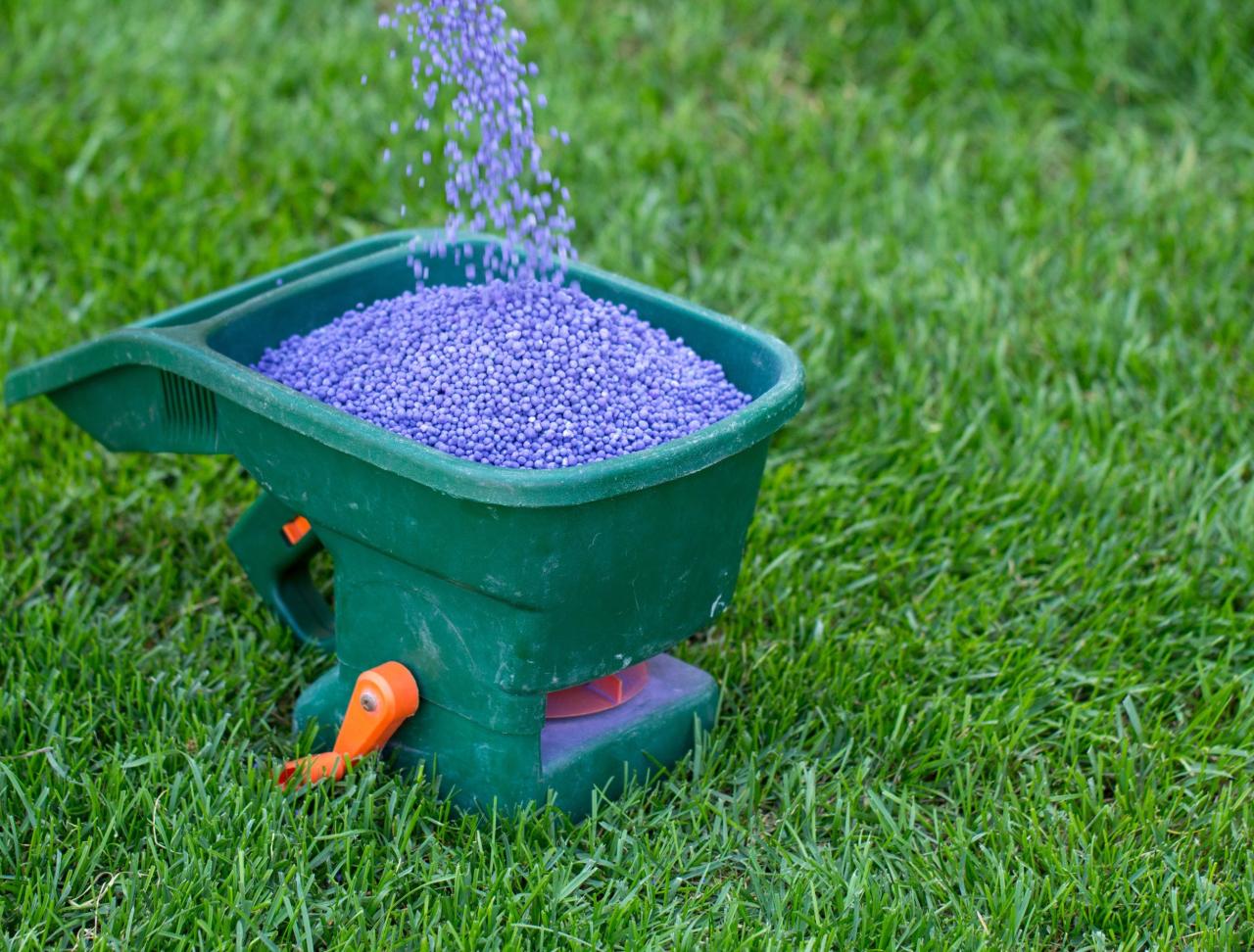
Choosing the appropriate fertilizer is essential for maintaining healthy and vibrant aquatic plants. There are various types of fertilizers designed to meet the specific nutritional needs of different plant species and to suit the particular setup of an aquarium. Understanding the options available ensures that aquarists can provide optimal growth conditions while avoiding over-fertilization or deficiencies.
Each type of fertilizer offers unique advantages and application methods, making it important to understand their functions and best practices. The main categories include liquid fertilizers, root tabs, and substrate fertilizers, each serving different roles in delivering essential nutrients to aquatic plants.
Liquid Fertilizers
Liquid fertilizers are water-soluble solutions containing a balanced mix of macro and micronutrients that are readily available for plant absorption. They are versatile and easy to administer, making them suitable for most aquarium setups, especially those with high lighting and fast-growing plants. Regular dosing of liquid fertilizers can promote lush foliage, enhance color, and support overall plant health.
These fertilizers are typically added directly to the aquarium water, allowing nutrients to be absorbed through leaves and stems. They are particularly effective for plants with broad leaves or those that are actively growing, as they provide immediate access to essential nutrients. Careful dosage according to manufacturer instructions helps prevent algae growth caused by excess nutrients.
Root Tabs
Root tabs are solid fertilizer tablets designed to be inserted into the substrate near the roots of aquarium plants. They are highly effective for plants with a strong root system, such as crypts, swords, and certain stem plants. Root tabs deliver nutrients directly to the roots where they are most needed, promoting healthy root development and vigorous growth.
Application involves placing the tabs beneath the substrate, often every few weeks, depending on the fertilizer’s formulation and plant requirements. They are especially useful in setups with nutrient-poor substrates or when targeted feeding is preferred to prevent excess nutrients in the water column, thus reducing algae risk.
Substrate Fertilizers
Substrate fertilizers are incorporated into the aquarium substrate to create a nutrient-rich base that supports plant roots over the long term. These fertilizers can be in the form of granular additives or specially prepared soils designed for planted aquariums. They provide a steady release of macro and micronutrients directly to the root zone, ideal for heavily planted tanks or those with root-feeding species.
Using substrate fertilizers involves mixing or layering the nutrient-rich medium during setup or as part of ongoing maintenance. They are especially beneficial for root-heavy plants and help maintain consistent nutrient levels without the need for frequent dosing through water column fertilizers.
Choosing the Right Fertilizer
Selecting an appropriate fertilizer depends on multiple factors, including plant species, growth stage, lighting conditions, and the overall aquarium setup. For example, fast-growing stem plants or foreground plants with broad leaves may benefit from frequent liquid fertilization combined with root tabs, while low-light or slow-growing plants might require fewer nutrients. A well-balanced approach that considers the specific needs of plants and the existing nutrient levels in the tank ensures healthy growth and vibrant coloration.
Fertilizer Categorization Table
| Fertilizer Type | Primary Functions | Application Methods |
|---|---|---|
| Liquid Fertilizers | Provides macro and micronutrients directly to leaves and stems; promotes overall growth and color | Added directly to water column; dosed regularly based on manufacturer instructions |
| Root Tabs | Delivers nutrients directly to plant roots; supports root development and stable growth | Inserted into substrate near plant roots; replaced or topped up every few weeks |
| Substrate Fertilizers | Creates a nutrient-rich base; sustains plants with extensive root systems over the long term | Mixed into substrate during setup or as part of ongoing substrate maintenance |
Determining Nutritional Needs of Aquarium Plants
Understanding the specific nutritional requirements of aquarium plants is essential for maintaining a healthy and vibrant aquatic environment. By accurately assessing nutrient deficiencies and needs, aquarists can tailor fertilization routines that promote optimal plant growth, prevent deficiencies, and avoid excesses that could harm aquatic life.
Proper evaluation involves observing plant health, recognizing deficiency symptoms, and knowing the essential nutrients that support various physiological functions. This process ensures that fertilization provides a balanced nutrient profile aligned with the plants’ growth stages and environmental conditions.
Assessing Plant Deficiencies and Nutrient Requirements
Evaluating the nutritional status of aquarium plants involves both visual inspection and understanding the growth patterns and environmental factors affecting the plants. Signs of deficiencies often manifest visually, making observation a practical initial step. Additionally, water testing for specific nutrient concentrations can provide quantitative data to guide fertilization strategies.
Monitoring parameters such as light intensity, CO₂ levels, and substrate quality helps determine whether nutrient deficiencies stem from inadequate supply or other environmental stressors. Regular observation and testing facilitate early detection of issues, enabling timely corrective measures and preventing long-term damage to plant health.
Signs of Nutrient Deficiencies in Aquarium Plants with Corrective Measures
Recognizing the symptoms of nutrient deficiencies allows aquarists to address issues promptly. Here are common signs and suitable corrective actions:
- Yellowing of Leaves (Chlorosis): Often indicates iron deficiency or insufficient micronutrients. Corrective measure includes adding chelated iron or micronutrient supplements.
- Stunted Growth: Can be caused by nitrogen deficiency. To correct, increase nitrate levels through targeted fertilization or water changes with nutrient-rich solutions.
- Red or Purple Coloring (Pigmentation Changes): May signal phosphorus deficiency. Address by supplying phosphate fertilizers in appropriate doses.
- Weak or Rotting Roots: Typically associated with potassium deficiency. Remedy with potassium-based fertilizers such as potassium sulfate or potassium nitrate.
- Slow or Sparse Plant Growth: Can result from a lack of macroelements like nitrogen, phosphorus, or potassium. A comprehensive fertilizer containing these macronutrients should be applied.
In cases where deficiency symptoms are observed, it is crucial to adjust fertilization carefully, considering the existing nutrient levels and avoiding over-fertilization, which can lead to algae outbreaks or other issues. Employing a balanced approach ensures healthy plant development while maintaining water quality.
Essential Macro and Micronutrients for Aquarium Plants
The growth and vitality of aquarium plants depend on a spectrum of macro and micronutrients. Ensuring their adequate presence within the aquatic environment is fundamental for lush, healthy foliage and robust root systems.
Macro and micronutrients are required in varying quantities, with macroelements needed in larger amounts, and micronutrients in trace amounts. Here are the essential nutrients:
| Macro Nutrients | Micronutrients |
|---|---|
|
|
Note: Ensuring a proper balance of these nutrients, tailored to the specific plant species and environmental conditions, is key to preventing deficiencies and promoting vigorous growth.
Proper Application of Fertilizers
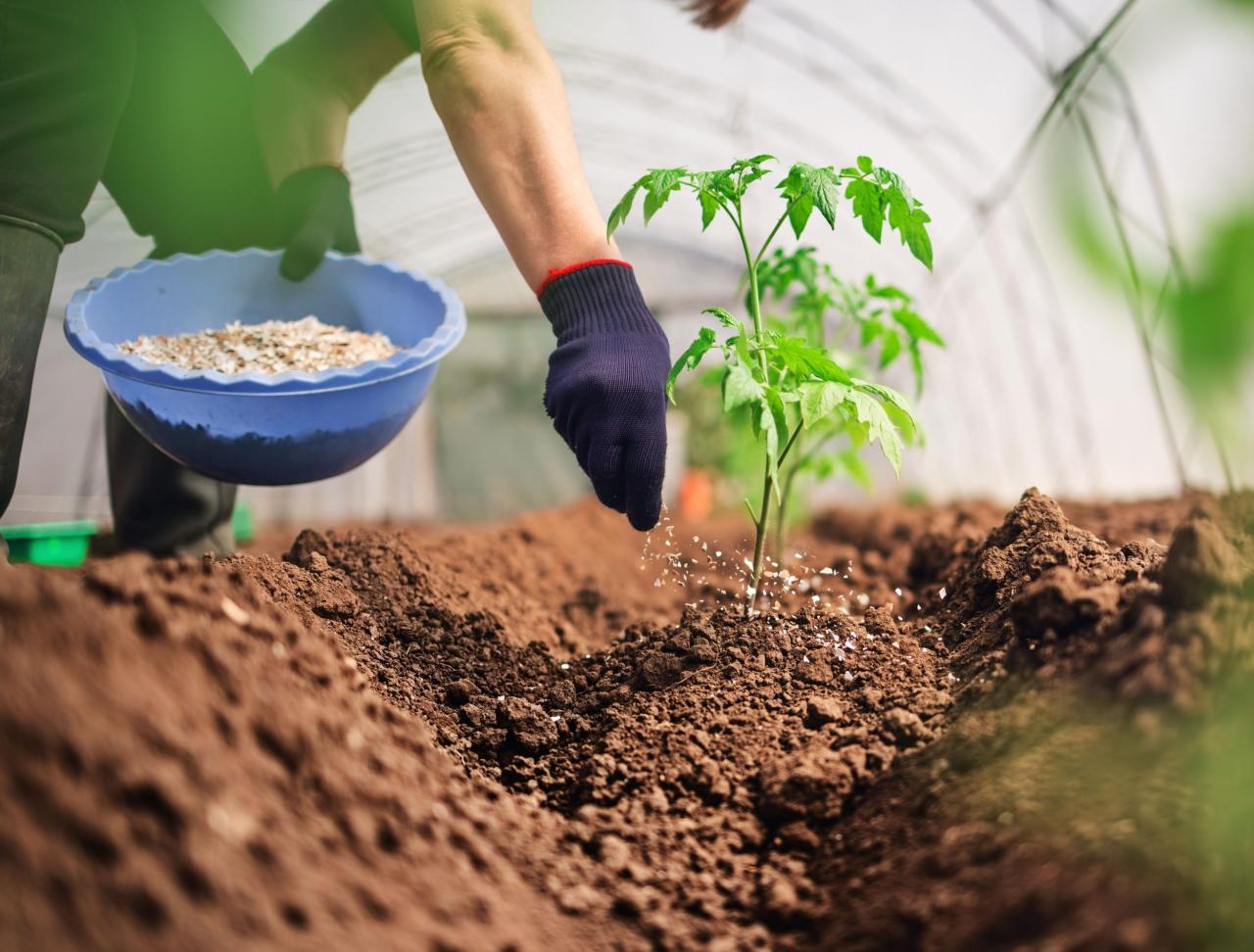
Accurate and consistent fertilization is essential for maintaining healthy and vibrant aquarium plants. Proper application ensures that plants receive the necessary nutrients without causing excess buildup that could harm the aquatic environment. Careful dosing and strategic routines promote lush growth and prevent issues such as algae overgrowth or nutrient deficiencies.
Implementing effective fertilization routines involves understanding the correct procedures for applying liquid fertilizers, inserting root tabs into the substrate, and establishing schedules that align with your aquarium’s specific needs. Following these best practices will optimize plant health and create a balanced aquatic ecosystem.
Precise Dosing of Liquid Fertilizers
Liquid fertilizers are commonly used to deliver essential nutrients directly into the water column. Accurate dosing is crucial to avoid overfeeding, which can lead to algae blooms, or underfeeding, which can result in nutrient deficiencies. The process involves measuring the correct volume according to the manufacturer’s instructions and monitoring plant response over time.
Begin by reading the label carefully to determine the recommended dose based on your aquarium’s volume. Use a clean dosing syringe or dropper for precision. Add the fertilizer slowly to the water, preferably near a filter outlet or water circulation point, to facilitate even distribution. Regularly check water parameters and plant health to adjust the dosage as needed, typically on a weekly basis.
Inserting Root Tabs into Substrate
Root tabs are concentrated fertilizers designed to provide nutrients directly to the plant roots, making them ideal for heavy root feeders such as Amazon swords or crypts. Proper placement of root tabs ensures effective nutrient delivery and minimizes waste in the water column.
- Identify the locations where the targeted plants are rooted, often near the base of the plant or at the root zone.
- Gently remove a small amount of substrate surrounding the plant’s roots, ensuring minimal disturbance to the plant itself.
- Place the root tab horizontally into the prepared space, positioning it close to the plant roots without pushing it too deep — about 1-2 inches beneath the surface is ideal.
- Cover the tab with the removed substrate, pressing gently to secure it in place.
- Repeat this process for each plant requiring root fertilization, following a schedule based on plant needs and substrate depletion rates.
Fertilization Schedules and Routines
Establishing a regular fertilization routine is key to maintaining stable nutrient levels. Different schedules suit various tank sizes, plant types, and growth rates. The following table illustrates common routines, allowing you to select or adapt based on your aquarium’s specific conditions.
| Schedule Type | Description | Frequency | Notes |
|---|---|---|---|
| Weekly Dosing | Apply a set amount of liquid fertilizer and root tabs each week, monitoring plant response and water parameters. | Once a week | Suitable for moderately planted tanks; adjust quantities based on plant growth and water testing results. |
| Bi-weekly Dosing | Reduce the frequency of fertilization, providing larger doses every two weeks to prevent nutrient buildup. | Every two weeks | Ideal for lightly planted tanks or tanks with slower-growing plants. |
| Daily Micro-nutrient Addition | Administer small doses of micro-nutrients daily to maintain steady nutrient levels without overfeeding macro-nutrients. | Daily | Often combined with weekly macro-nutrient dosing for comprehensive fertilization. |
| Trace Element Supplementation | Supplement trace elements such as iron, manganese, and zinc regularly to support plant enzymatic functions. | As needed, based on water testing and plant response | Typically incorporated into weekly or bi-weekly routines; avoid overdose. |
“Consistency in fertilization routine ensures even plant growth and prevents nutrient imbalances that can compromise aquatic health.”
Monitoring and Adjusting Fertilizer Use
Effective fertilization of aquarium plants requires ongoing observation and fine-tuning to ensure optimal growth and a healthy aquatic environment. Monitoring plant response and water parameters provides crucial insights, enabling hobbyists to maintain balanced nutrient levels that promote lush, vibrant plant life while preventing negative effects on water quality and aquatic organisms.
Adjusting fertilizer levels based on these observations ensures that plants receive adequate nutrients without the risks associated with over-fertilization. Proper management involves a combination of visual assessment, water testing, and understanding specific plant requirements, leading to a thriving, aesthetically pleasing aquarium ecosystem.
Monitoring Plant Response and Water Parameters
Regular monitoring involves observing physical signs of plant health and measuring critical water parameters to assess the effectiveness of fertilization practices. Healthy plants typically display vigorous growth, bright coloration, and minimal signs of deficiencies such as yellowing or stunted development. Conversely, poor growth, discoloration, or algae overgrowth may indicate suboptimal fertilization levels or imbalances.
Water parameters such as nitrate, phosphate, potassium, and trace elements should be tested routinely. Maintaining stable levels within recommended ranges prevents nutrient deficiencies and excesses. For example, nitrate levels between 5-20 ppm are generally suitable for most aquatic plants, while phosphate should be kept relatively low, often below 1 ppm, to limit algae growth.
Adjusting Fertilizer Levels for Optimal Growth
Adjustments should be made gradually to prevent shock to the plants and maintain water quality. If plants show signs of deficiency, such as pale coloration or slow growth, incrementally increase fertilizer dosages, focusing on the specific nutrients lacking. Conversely, if algae blooms or excessive algae growth occur, reduce fertilizer inputs and perform partial water changes to dilute excess nutrients.
Monitoring trends over time helps determine whether current fertilization strategies are effective or require modification. Maintaining detailed records of water parameters, fertilizer doses, and plant responses can facilitate informed adjustments that support healthy aquatic plant development.
Use a consistent fertilization schedule combined with regular testing to optimize plant health and prevent nutrient imbalances.
Precautions for Over-Fertilization
Over-fertilization can lead to multiple issues within the aquarium, including water quality deterioration, algae outbreaks, and plant toxicity. Being aware of these risks helps prevent accidental harm to both plants and aquatic life.
- Overuse of fertilizers can cause nutrient buildup, leading to increased algae growth and oxygen depletion during decay.
- Excess nutrients, especially nitrates and phosphates, may result in cloudy water and foul odors.
- High concentrations of certain trace elements may be toxic, causing leaf burn or stunted growth in plants.
- Sudden changes in fertilizer levels can stress plants and fish, compromising overall aquarium stability.
- Ignoring water testing results and relying solely on visual cues may result in unintentional over-fertilization.
Maintaining a balanced fertilization routine, coupled with vigilant monitoring, ensures a healthy environment where aquatic plants thrive without causing adverse effects on water quality or resident creatures.
Common Mistakes in Aquarium Plant Fertilization
Proper fertilization is essential for healthy, vibrant aquarium plants. However, even experienced hobbyists can encounter setbacks due to common mistakes that disrupt plant growth and overall aquarium balance. Recognizing these errors and implementing corrective measures can significantly improve plant health and prevent problems like algae overgrowth and nutrient deficiencies. This section explores typical fertilization errors and offers practical tips to avoid them, ensuring a thriving aquatic environment.Incorrect fertilization practices often stem from misjudging the plants’ nutritional needs or misapplying fertilizers.
Overfeeding can lead to excess nutrients in the water, which fosters algae blooms and impairs water quality. Conversely, underfeeding deprives plants of essential nutrients, resulting in poor growth, yellowing leaves, and increased susceptibility to diseases. Striking the right balance requires understanding the specific requirements of your plants and maintaining consistent monitoring.
Overfeeding and Underfeeding
In aquarium plant care, overfeeding occurs when excessive fertilizers are added beyond what plants can absorb, leading to nutrient buildup in the water. This excess provides a fertile ground for algae proliferation, clouding the water, and reducing oxygen levels. Underfeeding, on the other hand, results from insufficient fertilization, which causes nutrient deficiencies. Symptoms include stunted growth, pale or yellowing leaves, and overall weak plant vitality.To avoid these issues, it is essential to adhere to recommended dosing guidelines based on the tank size and plant type.
Regular testing of water parameters, such as nitrate, phosphate, and potassium levels, helps determine if plants are receiving adequate nutrients. Employing a gradual, consistent fertilization schedule rather than sporadic large doses minimizes the risk of imbalances.
Tips to Prevent Nutrient Imbalances and Algae Outbreaks
Maintaining a healthy fertilization routine involves precise application and vigilant observation. Start with small, incremental doses and observe plant responses over time. Incorporate a balanced fertilization regimen that provides macro- and micronutrients tailored to your plant species. Use high-quality fertilizers that release nutrients gradually, reducing the likelihood of sudden spikes.Monitoring water quality regularly helps catch early signs of nutrient imbalance or algae development.
If algae outbreaks occur, evaluate your fertilization routine for over-application or excess lighting, which can exacerbate algae growth. Adjust the dosing frequency or concentration accordingly, and consider supplementing with algae-eating species for natural control.
Fertilization Troubleshooting Table
| Problem | Possible Cause | Suggested Action |
|---|---|---|
| Algae blooms | Over-fertilization or excess light exposure | Reduce fertilizer doses, improve filtration, and limit light duration; perform water changes |
| Yellowing or pale leaves | Nutrient deficiency, especially iron or nitrogen | Increase specific nutrient dosing, consider leaf supplements, and test water parameters |
| Stunted growth | Insufficient macro- or micronutrients | Adjust fertilization schedule, ensure balanced macro-nutrients, and verify fertilizer quality |
| Excess algae despite fertilization | Imbalanced nutrient ratios, high light intensity, poor water circulation | Balance nutrient levels, reduce lighting period, improve water flow, and perform regular maintenance |
| Cloudy water after fertilizing | Overdosing or rapid nutrient release | Perform partial water changes, reduce fertilizer amounts, and switch to slow-release formulas |
Special Considerations for Different Types of Aquarium Plants

Understanding the unique fertilization requirements of various aquarium plants is essential for fostering a healthy and vibrant aquatic environment. Different plants occupy diverse zones within the aquarium—foreground, midground, and background—and each category has specific nutrient needs and light preferences that influence fertilization strategies. Recognizing these distinctions allows hobbyists to tailor their fertilization plans effectively, ensuring optimal growth and aesthetic appeal across all plant types.
Additionally, the lighting conditions within the aquarium significantly impact fertilization approaches. Low-light environments often require different nutrient strategies compared to high-light setups, which tend to promote more vigorous plant growth but also increase nutrient demand. By considering these factors, aquarists can develop nuanced fertilization routines that support the health and vitality of all plants, regardless of their placement or lighting conditions.
Fertilization Needs for Foreground, Midground, and Background Plants
Each zone within the aquarium hosts plants with distinct characteristics and nutrient requirements. Recognizing these differences ensures targeted fertilization, promoting balanced growth and preventing nutrient deficiencies or excesses that could lead to algae proliferation or plant health issues.
- Foreground Plants: These are typically low-growing, slow-growing species such as Glossostigma, dwarf hairgrass, and Marsilea. They require precise nutrient levels, often favoring moderate to high iron and micronutrient supplies to maintain vibrant coloration and compact growth. Since these plants are close to the substrate, root fertilizers can be particularly effective in promoting strong root development.
- Midground Plants: Mid-height plants like Anubias, Java fern, and Cryptocoryne benefit from balanced macro and micronutrients. These plants often have moderate growth rates and respond well to regular fertilization of nitrogen, phosphorus, and potassium, ensuring steady development without overgrowth, which could overshadow foreground plants.
- Background Plants: Tall species such as Vallisneria, Amazon sword, and Rotala require higher nutrient levels, especially for rapid growth. They often demand increased nitrogen and potassium to sustain their height and lush foliage. Providing additional CO₂ and macro nutrients can help prevent legginess and promote dense, healthy backgrounds.
Fertilization Strategies for Low-Light and High-Light Aquarium Plants
The lighting intensity within the aquarium influences the nutritional needs of plants. Low-light setups generally support slow-growing plants with reduced fertilization demands, whereas high-light environments encourage rapid growth, necessitating more frequent and concentrated fertilization regimens.
In low-light aquariums, the focus should be on maintaining essential nutrients at minimal yet sufficient levels, emphasizing iron and micronutrients to sustain color and vitality without promoting algae. Conversely, high-light tanks require a comprehensive fertilization plan that provides ample macro and micronutrients, particularly nitrogen, phosphorus, and potassium, to support vigorous growth and prevent deficiencies that can cause stunted development or chlorosis.
Note: Excessive fertilization in low-light tanks can lead to algae blooms, while insufficient nutrients in high-light setups may result in poor plant health and leggy growth. Regular testing and observation are crucial for balancing fertilization with lighting conditions.
- Low-Light Plants: Use minimal dosing of macro nutrients; prioritize iron and trace elements; monitor for algae to avoid over-fertilization.
- High-Light Plants: Implement more frequent, higher-dose fertilization; consider liquid fertilizers with balanced macro and micro nutrients; supplement CO₂ for optimal growth.
Ultimate Conclusion
In conclusion, proper fertilization is a cornerstone of successful aquarium plant care. By understanding the different types of fertilizers, observing your plants closely, and adjusting your routine as needed, you can cultivate a lush, healthy aquatic landscape. Consistent monitoring and avoiding common mistakes will ensure your plants thrive, resulting in a beautiful and balanced underwater environment that you can enjoy for years to come.