How to arrange aquarium plants is a vital aspect of creating a captivating aquatic environment that showcases both beauty and harmony. Proper placement enhances visual appeal, promotes healthy growth, and reflects various aquascaping styles, making your underwater garden a true masterpiece.
Understanding the principles of layout planning, selecting suitable plants, and employing effective techniques for planting and maintenance are essential steps in achieving an impressive and balanced aquarium. This guide provides comprehensive insights to help you craft a thriving and aesthetically pleasing aquatic landscape.
Understanding the Basics of Aquarium Plant Arrangement
Arranging aquarium plants with precision and thoughtfulness is fundamental to creating a visually appealing and healthy aquatic environment. Proper placement not only enhances the aesthetic appeal of the tank but also ensures that plants thrive and contribute positively to the ecosystem. An effective aquascape balances visual harmony with functional growth patterns, making the aquarium a captivating and sustainable habitat.
Mastering the basic principles of plant arrangement involves understanding spatial dynamics, light distribution, and plant growth habits. These principles serve as the foundation for designing layouts that are both beautiful and biologically balanced. Whether aiming for a natural, minimalist, or structured style, recognizing key concepts ensures the arrangement supports the needs of aquatic life while reflecting personal artistic expression.
Principles of Effective Aquarium Plant Arrangement
Implementing core principles enhances the overall composition and health of the aquatic environment. The following guidelines are essential for achieving an optimal layout:
- Creating Depth and Perspective: Position taller plants towards the back or center of the tank, with shorter species in the foreground. This layering effect adds depth, making the aquarium appear larger and more dynamic.
- Establishing Focal Points: Designate specific areas with unique or vibrant plants to draw viewers’ attention. Focal points guide the eye and create visual interest within the aquascape.
- Maintaining Balance and Harmony: Distribute plants evenly to avoid cluttered or sparse areas. Symmetry or deliberate asymmetry can be used to achieve a harmonious look that complements the overall theme.
- Considering Growth Rates and Space: Pair fast-growing plants with slower ones to prevent overgrowth and competition for nutrients. Adequate spacing allows each plant to flourish without overshadowing others.
- Aligning with Light and Maintenance Needs: Arrange plants based on their lighting requirements, placing high-light plants where they receive maximum illumination, and grouping low-light species accordingly. This facilitates easier maintenance and healthier growth.
Comparison of Different Aquarium Plant Layout Styles
Various layout styles cater to distinct aesthetic preferences and functional goals. Understanding their characteristics assists in selecting the most suitable approach for individual aquariums:
| Style | Description | Ideal Use Cases |
|---|---|---|
| Nature Aquarium | Inspired by natural landscapes, this style emphasizes realism with layered plants, rocks, and wood to mimic natural environments. It focuses on creating a harmonious, balanced scene that reflects nature’s beauty. | Aquarists aiming for a serene, realistic habitat; suitable for those interested in detailed aquascaping and plant diversity. |
| Iwagumi | Characterized by minimalist stone arrangements complemented by low-growing plants, Iwagumi emphasizes simplicity and balance, often using a few species to achieve aesthetic harmony. | Those seeking a Zen-like, uncluttered appearance; ideal for beginners and experienced aquascapers alike who prefer a clean, organized look. |
| Dutch Style | Focuses on lush, densely planted tanks with a variety of plant species arranged in a formal, garden-like manner. Color, texture, and plant variety are prominent features. | Aquarists interested in botanical diversity and vibrant displays; suitable for tanks with ample space and frequent maintenance. |
| Biotope | Replicates specific natural habitats, including native plant species, fish, and substrate. The emphasis is on authenticity and ecological accuracy. | Enthusiasts dedicated to conservation, scientific accuracy, or creating habitats for specific species. |
| Forest or Jungle Style | Simulates dense, tropical forests with tall plants, roots, and a layered canopy. Often includes driftwood and a variety of plant heights for a lush, overgrown look. | Those aiming for an exotic, vibrant environment that showcases plant and aquatic diversity. |
Choosing the appropriate layout style depends on personal aesthetic preferences, the aquarium’s size, and maintenance capacity. Each style offers unique advantages and challenges, but all require an understanding of basic arrangement principles to succeed.
Planning the Layout for Aquarium Plants
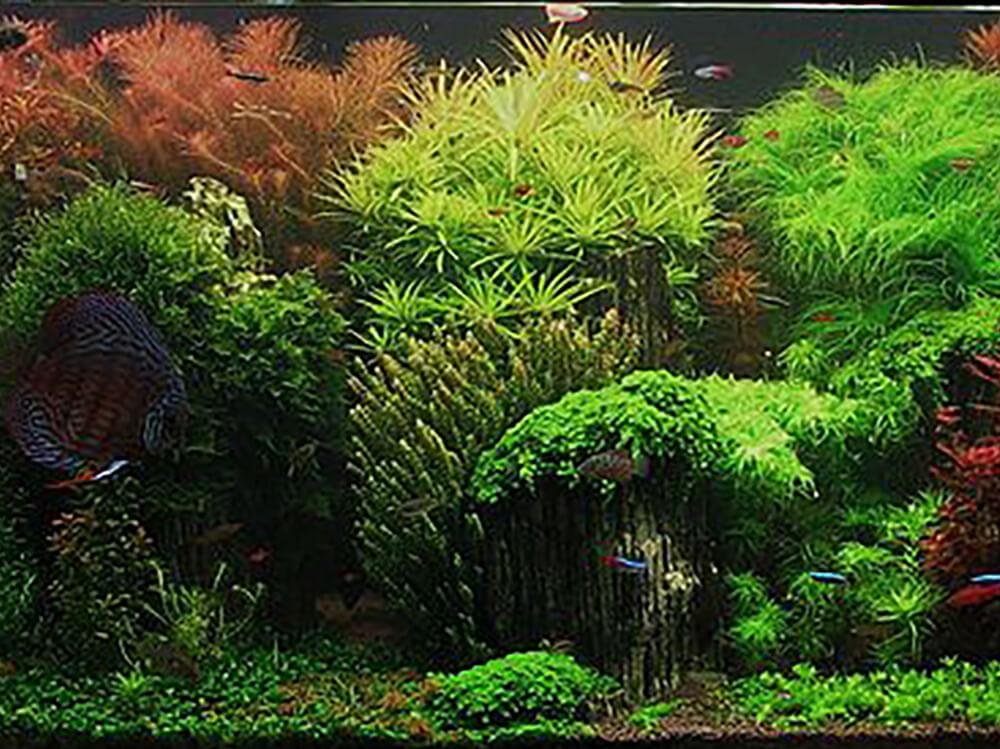
Creating a well-thought-out layout plan is a crucial step in establishing a healthy and aesthetically pleasing aquatic environment. Proper planning ensures that the plants will grow harmoniously, provide shelter for aquatic life, and enhance the visual appeal of the aquarium. A detailed layout serves as a blueprint, helping you avoid overcrowding or imbalance once planting begins.
By carefully considering plant placement and focal points ahead of time, aquarists can achieve a balanced composition that mimics natural underwater landscapes. This preparatory phase involves visualizing the final look, understanding spatial constraints, and coordinating plant types with their growth habits. A strategic plan minimizes the need for major rearrangements later and promotes a flourishing, stable ecosystem.
Steps to Develop a Detailed Layout Plan
Developing a comprehensive layout involves several systematic steps that guide the arrangement process with precision and foresight. This structured approach helps in translating a conceptual idea into a practical and attractive design.
- Assess the Aquarium Space: Measure the dimensions of the tank, noting width, height, and depth. Understanding these parameters helps determine the available planting area and the overall scale of the layout.
- Identify Light and Filtration Zones: Recognize areas with optimal light exposure and water flow. Plants requiring high light should be positioned accordingly to prevent shading from larger plants or decorations.
- Determine Plant Types and Growth Habits: Categorize plants into foreground, midground, background, and carpet species based on their mature size and growth speed. This classification informs their placement to ensure proper development and minimal overcrowding.
- Select Focal Points: Decide on dominant features such as decorative rocks, driftwood, or a particularly vibrant plant. These elements serve as visual anchors around which the plant arrangement is organized.
- Plan Plant Positions: Map out specific locations for each plant, considering their mature size, light needs, and aesthetic contribution. Aim for a natural flow that avoids monotony and emphasizes visual interest.
Methods for Selecting Focal Points and Plant Positions
Focal points are essential in creating a captivating aquascape, drawing viewers’ attention and anchoring the overall design. Thoughtful selection of these features influences the placement of surrounding plants and enhances the sense of depth and perspective within the tank.
- Identify Visual Anchors: Use prominent elements such as large driftwood, uniquely shaped rocks, or brightly colored plants to serve as focal points. These features should contrast with the background, making them stand out effectively.
- Establish a Visual Hierarchy: Position focal points at strategic locations—such as the center or towards the back—to guide the viewer’s eye through the scene naturally. The arrangement should evoke a sense of balance and harmony.
- Distribute Plants Around Focal Points: Place mid-height and foreground plants to frame and complement focal features. This approach creates a layered effect, adding depth and visual interest to the layout.
- Use Color and Texture for Emphasis: Incorporate plants with contrasting colors or textures near focal points to enhance their prominence. For example, pairing a lush green plant with a bright red stem can draw immediate attention.
Organizing a Visual Sketch or Diagram of the Planned Arrangement
Translating your layout plan into a visual sketch provides clarity, facilitates adjustments, and ensures all elements are harmoniously integrated. Including a simple diagram helps visualize spatial relationships and plant positioning before actual planting begins.
| Zone | Plant Type | Description | Notes |
|---|---|---|---|
| Background | Tall plants like Vallisneria or Amazon Sword | Provide depth and create a backdrop for the aquascape, reaching towards the water surface. | Placed at the rear to prevent shading of foreground plants. |
| Midground | Cryptocoryne, Anubias, Java Fern | Fill the middle space, adding layers and visual interest with varying textures and heights. | Position around focal points for balance and connectivity. |
| Foreground | Dwarf Baby Tears, Glossostigma | Low-growing plants forming the carpet, creating a natural lawn effect. | Placed at the front edge to frame the overall layout. |
| Focal Points | Decorative driftwood, brightly colored plants | Centerpieces that draw immediate attention and set the tone for the entire aquascape. | Strategically placed to enhance visual flow and balance. |
Visual sketches or diagrams serve as vital tools for planning, allowing you to experiment with plant placement and adjust proportions accordingly. This step ensures that your final arrangement achieves both aesthetic appeal and functional harmony within the aquarium environment.
Choosing the Right Plants for Arrangement
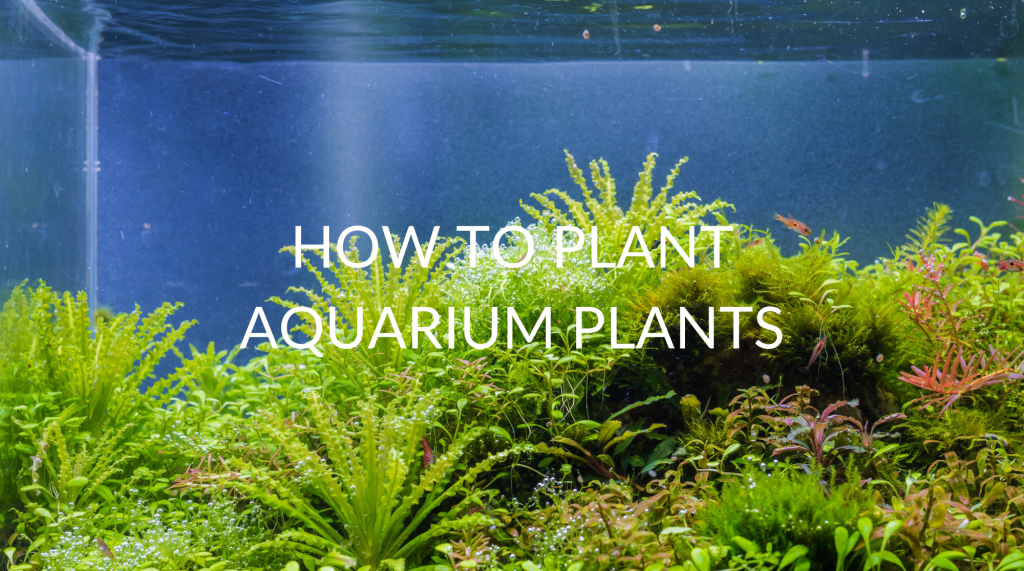
Selecting suitable aquarium plants is a fundamental step in creating a balanced and visually appealing aquatic environment. The right plant choices depend on various factors, including lighting conditions, water parameters, and the desired aesthetic. By understanding the characteristics of different plants and their compatibility with your aquarium setup, you can establish a thriving, beautiful underwater landscape that complements your aquatic inhabitants.
Effective plant selection involves considering growth habits, color variations, and the overall theme of your aquarium. Grouping plants thoughtfully can enhance visual harmony, create focal points, and promote healthier growth by mimicking natural ecosystems. Careful planning and knowledge of plant varieties help in achieving a sustainable and aesthetically pleasing aquatic environment.
Popular Aquarium Plants for Various Conditions
Matching plants to your aquarium’s lighting and water conditions is essential for their health and longevity. Different species have specific requirements that influence their growth and appearance. Below are some widely used aquarium plants tailored for diverse environments:
| Lighting Condition | Suitable Plant Examples |
|---|---|
| Low Light |
|
| Moderate Light |
|
| High Light |
|
Grouping Plants Based on Growth Habits and Colors
Creating a cohesive and harmonious layout involves grouping plants with similar growth behaviors and complementary colors. This strategy ensures ease of maintenance, balanced growth, and a visually engaging environment. Recognizing the differences between foreground, midground, and background plants allows for strategic placement that enhances depth and perspective in your aquarium.
Growth Habit Groupings: Planting slow-growing species together reduces maintenance and prevents overgrowth, while fast-growing plants can serve as background or filler elements to fill empty spaces promptly.
Color coordination adds vibrancy and contrast to your aquascape. Combining plants with varying shades of green, red, and purple creates focal points and visual interest. For example, lush green foreground plants like Dwarf Hairgrass can be complemented by colorful midground plants such as Alternanthera Reineckii, which provides striking red hues. Background plants like Vallisneria or Amazon Swords form a lush backdrop that accentuates the foreground’s details.
Some effective plant combination examples include:
- Green foreground with a splash of red or purple midground plants to create depth.
- Dense, tall background plants with contrasting leaf shapes and colors in the midground for visual layering.
- Low-growing carpet plants paired with taller, upright species to mimic natural terrains.
Techniques for Arranging Aquarium Plants
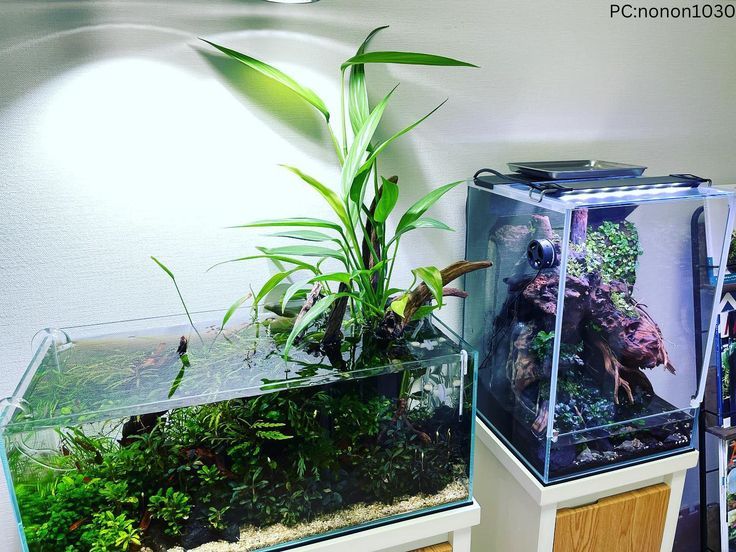
Arranging aquarium plants effectively is essential for creating a natural, aesthetically pleasing environment that mimics the natural habitats of aquatic life. Proper techniques facilitate healthy growth, optimize space, and enhance the visual depth of the aquarium. Mastering these methods ensures a harmonious balance between plants, fish, and the overall aquascape design.
Implementing systematic procedures for planting foreground, midground, and background plants plays a pivotal role in achieving an engaging and dynamic layout. Secure planting methods and thoughtful placement help maintain the stability of plants and reduce maintenance efforts over time. By understanding and applying these techniques, hobbyists can craft aquariums that are both beautiful and sustainable.
Planting Foreground, Midground, and Background Plants
Effective placement of aquatic plants depends on their growth characteristics and visual impact within the tank. Foreground plants are usually low-growing and densely packed to form a lush carpet or border, creating an inviting or natural feel at the front of the aquarium. Midground plants provide a transition between the foreground and background, offering height variation and focal points. Background plants are typically taller and more vigorous, serving as a backdrop that adds depth and scale to the aquascape.
Properly distinguishing these zones ensures a layered composition that guides the viewer’s eye and enhances the perception of depth, making the aquarium appear larger and more immersive. Selecting plants with compatible growth rates and light needs for each zone promotes a balanced, thriving environment.
Creating Depth and Perspective in the Layout
Achieving a sense of depth involves strategic placement and variation in plant height, color, and texture. Position taller plants toward the back and shorter plants in the foreground, creating a visual hierarchy that mimics natural landscapes. Layering plants with differing leaf shapes and colors adds visual interest and complexity.
Utilize foreground plants with dense, compact growth to anchor the scene, while midground plants with medium height create transition zones. Background plants should be tall, with some reaching the water surface to add vertical interest. Incorporating elements like rocks, driftwood, or pathways can further enhance perspective and realism.
Consistent trimming and maintenance of plants are crucial to preserve the desired depth effect, preventing overgrowth from obscuring views or disrupting the layout’s balance.
Methods for Securing Plants
Properly anchoring aquatic plants prevents them from floating or being uprooted, especially during initial establishment. Several techniques are employed based on plant type, tank setup, and aesthetic preferences.
- Using Weights: Small, inert weights made of lead or ceramic can be attached to the base of plants or their roots to keep them in position. This method is particularly effective for delicate or newly planted specimens that tend to float.
- Utilizing Planting Substrates: Fine gravel, sand, or specialized aquatic soil provides a stable medium for root development. Embedding the roots deeply ensures the plant remains upright and secure as it grows.
- Applying Aquarium Plant Glue or Epoxy: Non-toxic, water-safe adhesives can affix delicate plants or mosses to rocks, wood, or other hardscape elements. This technique is ideal for creating intricate or decorative arrangements without disrupting plant health.
Careful selection of securing methods depends on plant variety, growth stage, and desired aesthetic. Combining techniques, such as anchoring with weights and planting in suitable substrates, often yields the best results.
Step-by-Step Guide for Efficient Planting
- Prepare the Plants: Rinse root balls gently to remove debris and examine roots for health. Trim any damaged or overly long roots to encourage healthy growth.
- Position the Plants: Begin with background plants, placing taller species at the rear. Midground plants are positioned next, followed by foreground plants at the front. Use your planned layout as a guide to maintain balance.
- Plant the Roots: Dig a small hole in the substrate, ensuring it’s deep enough to support the root ball without covering leaves. Spread roots gently and pack substrate around them to secure firmly.
- Secure Delicate Plants: For floating or lightweight species, add weights or use glue to fix them to hardscape features. Ensure they are stable before releasing.
- Adjust the Arrangement: Step back and observe the overall layout. Make any necessary adjustments to plant positions to enhance symmetry, perspective, and visual flow.
- Fill and Finish: Add water slowly to prevent disturbing the plants. Cover exposed roots with additional substrate if necessary, and perform a gentle water flow to settle the plants into place.
Consistent maintenance, including trimming and re-positioning, will keep the arrangement vibrant and healthy, allowing the aquascape to evolve naturally over time.
Maintaining and Adjusting the Aquarium Plant Layout
Ensuring the health and aesthetic appeal of an aquarium plant arrangement requires regular monitoring and thoughtful adjustments. Proper maintenance not only promotes vibrant plant growth but also prevents common issues such as algae overgrowth and plant decay. Consistent attention to the layout helps create a balanced environment that benefits both plants and aquatic life, resulting in a visually pleasing and healthy aquatic ecosystem.Monitoring plant health and growth involves observing physical characteristics and environmental conditions.
Healthy plants display vigorous growth, bright coloration, and minimal signs of disease or decay. Regular inspection allows aquarists to identify early symptoms of problems, such as yellowing, browning, or transparent leaves, which may indicate nutrient deficiencies, poor water quality, or inadequate lighting. Utilizing tools like magnifying glasses and water testing kits can aid in assessing these factors accurately. Maintaining optimal parameters—correct lighting duration, temperature, pH level, and nutrient levels—is essential for sustained plant vitality.Proper pruning and trimming are vital for maintaining an attractive appearance and promoting healthy growth.
Removing dead or diseased leaves prevents the spread of decay and encourages new growth. Trimming overgrown stems and leaves helps control plant size and prevents crowding, which can hinder water flow and light penetration. Use sharp, sterilized scissors or shears to ensure clean cuts that minimize plant stress and infection risk. Regular pruning also stimulates bushier and more compact growth, contributing to a balanced layout.Reorganizing or adding new plants enhances the overall visual harmony and accommodates the evolving needs of the aquatic environment.
When considering reorganization, evaluate the current layout for areas that are overcrowded or underutilized. Gently uproot plants using appropriate tools and reposition them thoughtfully to maintain a natural appearance. Introducing new species should be done gradually, ensuring compatibility with existing plants and fish, as well as providing sufficient space and appropriate conditions for each plant’s growth. Incorporate plants of varying heights and textures to create depth and visual interest.Preventing algae proliferation and maintaining clarity in the aquarium involves implementing good maintenance practices and establishing balanced environmental conditions.
Regularly removing algae buildup on plants, decor, and glass prevents it from overwhelming the layout. Avoid excessive lighting by setting appropriate photoperiods—generally 8 to 10 hours per day—and utilizing timers to ensure consistency. Controlling nutrient levels through proper fertilization and avoiding overfeeding reduces excess nutrients that fuel algae growth. Employing algae-eating species, such as certain snails or fish, can serve as natural control agents.
Routine water changes of 10-20% weekly help dilute accumulated nutrients and keep the water clear, supporting a healthy, visually appealing plant arrangement.
Design Ideas and Common Styles for Aquarium Plant Arrangement
Choosing a specific aquascaping style enhances the visual appeal and harmony of an aquarium, allowing hobbyists to express creativity while maintaining biological balance. Each style has unique characteristics that influence plant placement, selection, and layout techniques, contributing to an overall aesthetic that can evoke natural landscapes or artistic visions.
Understanding the different design styles enables aquarists to select the most suitable approach based on their space, plant availability, and personal preferences. Exploring popular styles such as Iwagumi, Dutch, and Nature Aquarium provides insight into how plants can be arranged to achieve diverse visual effects and thematic representations within aquascapes.
Iwagumi Style
The Iwagumi style emphasizes simplicity and harmony, inspired by traditional Japanese garden aesthetics. It typically features a minimalistic layout centered around a few key stones with carefully placed plants to create a balanced, natural appearance. The focus is on the arrangement of rocks and the placement of low-growing, carpet-forming plants to mimic a stylized landscape or mountain scene.
Plant choices in Iwagumi usually include species such as Hemianthus callitrichoides (dwarf baby tears), Glossostigma elatinoides, or Eleocharis parvula, which form lush, green carpets. The layout technique involves placing dominant stones as focal points and arranging plants around these features to promote symmetry and visual flow.
Dutch Style
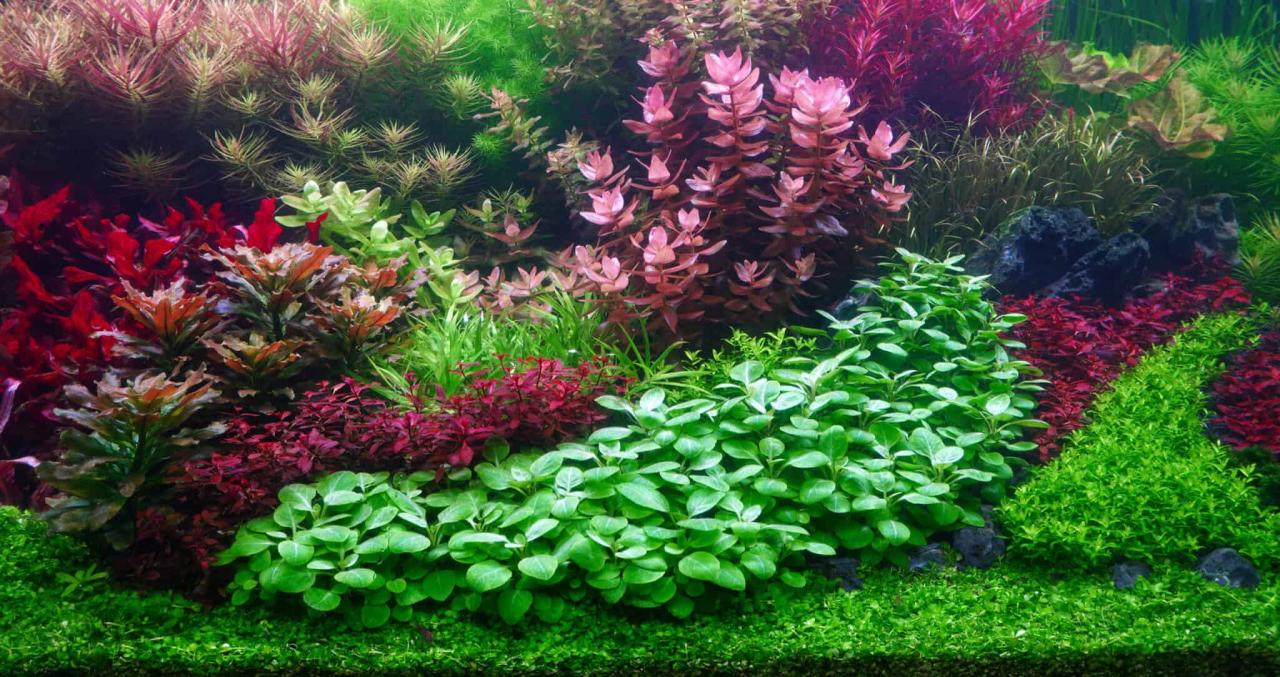
The Dutch style is characterized by its vibrant, lush display of densely planted, colorful aquatic plants. It mimics traditional European botanical gardens, emphasizing rich plant diversity and meticulous pruning to maintain vibrant color contrasts and textures. This style often features intricate plant arrangements with multiple layers, creating a lush, garden-like setting within the aquarium.
Common plant choices include Rotala, Ludwigia, Hygrophila, and various foreground carpeting plants like Monte Carlo or Hemianthus. The layout technique involves strategic grouping of similar species and careful trimming to accentuate color contrasts and plant forms, resulting in a highly manicured, visually stimulating display.
Nature Aquarium Style
The Nature Aquarium style aims to replicate natural landscapes, such as forests, rivers, or mountain streams, with an emphasis on creating a balanced, harmonious environment. This style combines natural elements like driftwood, rocks, and plants arranged in a way that resembles picturesque nature scenes, often with a sense of depth and perspective.
Plant choices include a mix of foreground, midground, and background species such as Swords, Vallisneria, Cryptocoryne, and floating plants like Salvinia or frogbit. The layout technique involves layering plants at different heights, using staggered placement to simulate natural growth patterns, and incorporating natural materials to enhance realism.
Comparison Table of Popular Aquarium Plant Arrangement Styles
| Feature | Iwagumi | Dutch | Nature Aquarium |
|---|---|---|---|
| Characteristic Plant Placement | Minimalistic with focal stones; low-growing carpet plants around stones | Dense, colorful groupings with meticulous trimming; layered planting | Layered arrangement mimicking natural landscapes with various heights and materials |
| Popular Plant Choices | Hemianthus callitrichoides, Glossostigma, Eleocharis | Rotala, Ludwigia, Hygrophila, Monte Carlo | Swords, Vallisneria, Cryptocoryne, floating plants |
| Layout Techniques | Focus on symmetry and focal points; stone-centered design | Strategic grouping and pruning for color contrast and density | Layering and natural material placement to create depth and realism |
Wrap-Up
In conclusion, mastering the art of arranging aquarium plants allows you to transform your tank into a vibrant and harmonious ecosystem. Whether aiming for a natural, structured, or themed design, thoughtful placement and ongoing care will ensure your aquarium remains a stunning and healthy environment for both plants and aquatic life.