How to create jungle style aquascape involves transforming your aquatic environment into a lush, vibrant landscape that mimics the natural jungle ecosystem. This captivating style combines diverse plant life, natural hardscape elements, and thoughtful design to craft a mesmerizing underwater scene that thrives with life and authenticity.
Creating such an aquascape requires careful planning, selection of suitable plants, natural hardscape materials, and proper equipment to promote healthy growth. When executed well, it results in a stunning, immersive underwater jungle that impresses both viewers and aquatic inhabitants alike.
Introduction to Jungle Style Aquascaping
Jungle style aquascaping is a captivating and dynamic approach to creating underwater landscapes that evoke the lush, untamed beauty of tropical rainforests. This style originated from the desire to replicate the dense vegetation, diverse plant life, and natural ecosystems found in jungle environments within the confines of an aquarium. Popularized by aquascapers seeking to evoke a sense of wilderness and adventure, jungle aquascapes emphasize dense planting, natural materials, and a harmonious balance between aquatic flora and fauna.
The visual appeal of jungle style aquascapes lies in their vibrant, layered composition that mimics the complexity of natural jungle habitats. They often feature a rich tapestry of green plants, twisted driftwood structures, and strategically placed rocks, creating depth and a sense of immersion. This style not only offers aesthetic pleasure but also supports a thriving ecosystem, providing shelter and breeding grounds for fish and invertebrates, contributing to a balanced and sustainable aquatic environment.
Key Characteristics of Jungle Style Aquascapes
Jungle aquascapes typically embody specific themes and elements that distinguish them from other styles. They aim to recreate the lush, wild essence of jungle ecosystems by emphasizing natural, irregular arrangements—avoiding overly symmetrical or manicured appearances. The use of densely planted aquatic plants, such as Java fern, Cryptocoryne, and Amazon sword, creates a thick canopy and undergrowth that mimic jungle foliage.
Natural materials play a crucial role in achieving authenticity. Twisted, gnarled driftwood often forms the backbone of the layout, resembling fallen branches or trees, while rocks are chosen to replicate riverbeds or rocky outcroppings. These materials are arranged to create varying levels and hiding spots, fostering a sense of depth and complexity. Additionally, the color palette is predominantly green, with occasional splashes of browns and reds from organic matter, mimicking the vibrant diversity seen in real jungle habitats.
“A well-designed jungle aquascape not only showcases aesthetic beauty but also supports a balanced ecosystem, fostering natural behaviors in aquatic life.”
Planning and Designing a Jungle Aquascape
Creating a stunning jungle-style aquascape begins with meticulous planning and thoughtful design. This phase sets the foundation for a natural, balanced, and visually captivating underwater environment that mimics the lush, dense foliage of a jungle. Precise planning ensures that the final layout is harmonious, functional, and sustainable, allowing enthusiasts to enjoy a thriving aquatic ecosystem.
Effective planning involves envisioning the composition, selecting focal points, establishing a natural flow, and creating depth. By systematically organizing these elements, aquascapers can craft a dynamic scene that captures the essence of a jungle while maintaining healthy aquatic conditions.
Sketching and Planning the Layout
Before setting up the physical aquascape, it is essential to create detailed sketches or digital plans. This preparatory step allows for experimentation with different arrangements, ensuring the placement of rocks, plants, and hardscape materials aligns with the desired jungle aesthetic. Using graph paper or specialized aquascaping software can help visualize scale, proportions, and spatial relationships, reducing costly adjustments during setup.
Begin by drawing the tank’s Artikel to scale, then mark potential positions for major hardscape elements like driftwood and rocks. Consider the natural terrain of a jungle, including uneven ground, fallen branches, and dense foliage. Incorporate these features into your sketch, paying attention to where focal points and pathways will be established.
Selection of Focal Points, Natural Flow, and Depth Creation
In designing a jungle aquascape, establishing focal points directs viewers’ attention and enhances visual interest. These can be prominent driftwood structures, uniquely shaped rocks, or clusters of vibrant plants placed strategically to draw the eye. Position focal points off-center to create a more natural, dynamic scene, avoiding static symmetry.
Creating a sense of natural flow involves designing pathways that guide the viewer’s gaze through the scene, mimicking the organic movement found in jungle environments. This can be achieved by layering plants and hardscape elements to form visual corridors, as well as varying heights and textures to prevent a flat appearance.
Depth is a critical component in achieving a realistic jungle landscape. Implement foreground, midground, and background layers by selecting plants and structures of varying sizes and colors. Larger, bushy plants and prominent driftwood can serve as background features, while smaller plants and detailed rocks occupy the foreground. This layering adds dimensionality, making the aquascape feel immersive and lively.
Design Organization Using Layout Styles
To assist in visualizing different jungle aquascape configurations, the following table illustrates common layout styles, their features, recommended plants, and necessary materials. These templates serve as inspiration and guidance to craft unique, natural scenes that emulate jungle ecosystems effectively.
| Design Type | Features | Recommended Plants | Materials |
|---|---|---|---|
| Asymmetrical Layout | Uneven distribution of hardscape and plants, creating a natural, wild appearance | Cryptocoryne, Java Fern, Anubias, Vallisneria | Driftwood, irregular rocks, fine gravel or sand substrate |
| Forested Central Focus | Dominant central feature with dense plant coverage on sides | Java Moss, Bucephalandra, Amazon Sword, Ludwigia | Large driftwood piece, soft substrate, moss support materials |
| Layered Depth | Clear foreground, midground, and background layers for depth | Foreground: Dwarf Hairgrass; Midground: Cryptocoryne; Background: Vallisneria, Amazon Sword | Multi-layered substrate, varied plant heights, natural rocks and wood |
| Streamline Flow | Flowing lines guiding eye through the scene, mimicking water currents | Hygrophila, Rotala, Riccia, Java Fern | Curved driftwood, elongated rocks, soft substrate to facilitate plant growth |
Selecting Suitable Aquatic Plants for Jungle Style
Creating a lush, vibrant jungle-style aquascape hinges on choosing the right aquatic plants that can thrive in densely planted, fast-growing, and textured arrangements. The selection process involves understanding each plant’s growth habits, environmental needs, and visual appeal to craft a dynamic underwater landscape that mimics natural jungle ecosystems. Proper plant selection not only enhances aesthetic appeal but also promotes a healthy and balanced aquatic environment.
In jungle-style aquascaping, the focus is on selecting plants that grow quickly, develop interesting textures, and fill space rapidly. This approach provides a natural, wild appearance, with layers of foliage creating depth and complexity. The choice of plants should also consider lighting conditions, nutrient requirements, and compatibility with other species to maintain an optimal and sustainable environment.
Methods for Choosing Lush, Fast-Growing, and Textured Plants
Effective plant selection involves evaluating growth rate, visual texture, and environmental needs. Fast-growing plants are preferred as they quickly establish the jungle landscape, outcompeting algae and providing shelter for aquatic creatures. Textured plants add visual interest through their leaf shapes and structures, creating a natural, layered effect. Compatibility with other species ensures the plants thrive without overwhelming each other or causing imbalances in the tank ecosystem.
When selecting aquatic plants for a jungle aquascape, consider the following methods:
- Assess Growth Rate: Choose species known for rapid growth to quickly fill empty spaces and create a dense canopy. Regular pruning encourages healthy, bushy growth and maintains the desired aesthetic.
- Evaluate Lighting Needs: Select plants that match the available lighting to prevent stress or failure. Many jungle plants thrive under moderate to high lighting, but some adapt to lower conditions.
- Consider Compatibility: Ensure plants have similar nutrient and water parameter requirements. Mixing incompatible species can lead to unhealthy growth or die-off.
- Focus on Textural Variety: Incorporate plants with diverse leaf shapes and sizes to build visual depth. Combining broad-leaf species with fine, feathery plants enhances realism.
- Prioritize Hardy and Resilient Species: Opt for plants with proven resilience to fluctuations in water parameters, making maintenance easier and reducing the risk of plant loss.
Examples of Suitable Aquatic Plants for Jungle Style
Below are some plant types well-suited for creating a dense, textured jungle environment, along with detailed descriptions of their growth characteristics and care needs:
- Java Fern (Microsorum pteropus): A hardy, slow to moderate growing plant with distinctive, elongated leaves that develop intricate textures. Prefers low to moderate light and attaches to rocks or wood, making it ideal for creating shaded canopy layers in a jungle aquascape.
- Java Moss (Taxiphyllum barbieri): A versatile, fast-growing moss that forms lush carpets or hangs from stems and decorations. Its fine texture adds depth and realism, thriving under low to moderate lighting and requiring minimal maintenance.
- Stem Plants (e.g., Hygrophila sp., Ludwigia sp., Rotala sp.): Stem plants grow rapidly with vertical growth habits, perfect for filling background and midground spaces. They develop dense foliage and come in a variety of colors, from green to red, contributing vibrancy and texture. They prefer moderate to high light and nutrient-rich substrates.
- Ferns (e.g., Bolbitis heudelotii, Asplenium spp.): These plants offer broad, textured leaves that add a lush, jungle-like feel. Bolbitis, for example, attaches to rocks or wood and requires moderate lighting and stable water conditions, making it suitable for creating shaded canopy layers.
- Mosses (e.g., Christmas Moss, Taiwan Moss): Similar to Java Moss, these mosses provide dense ground cover or attach to decorations, creating natural undergrowth and hiding spaces. They thrive in low light and prefer stable water parameters.
Note: Combining these plants with varying growth rates and textures allows for dynamic compositions that emulate the wild diversity of jungle ecosystems, creating a captivating and sustainable aquascape environment.
Choosing Substrate and Hardscape Materials
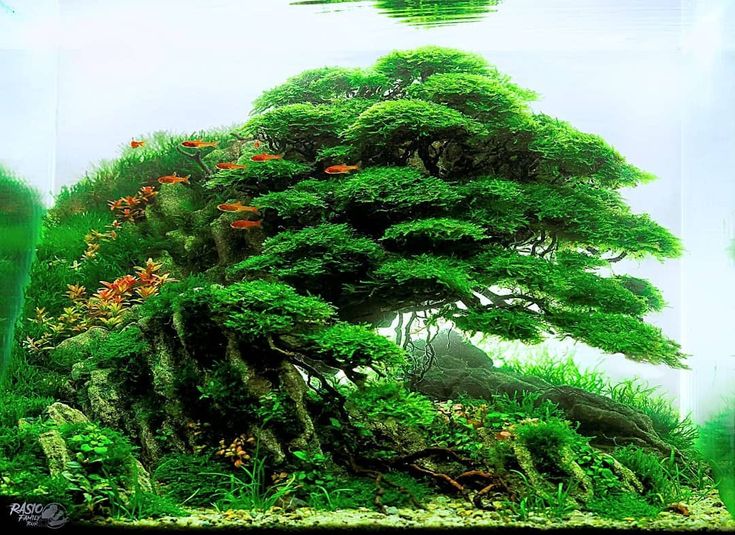
In crafting a convincing jungle-style aquascape, selecting the appropriate substrate and hardscape materials is fundamental. These elements serve not only as the foundational layer for plant anchorage and growth but also significantly contribute to the natural appearance and ecological balance of the setup. Proper choices ensure stability, promote healthy plant development, and evoke the lush, rugged terrain characteristic of jungles.
Meticulous selection and thoughtful arrangement of substrates and hardscape components can transform a simple tank into a thriving, lifelike jungle environment. This process involves understanding the compatibility of materials with aquatic life, aesthetic harmony, and ease of maintenance. The following guide details the step-by-step approach to achieve this goal effectively.
Selecting and Arranging Natural-Looking Substrates
The foundation of any jungle aquascape lies in its substrate. Natural-looking substrates like soil, gravel, and sand not only support plant roots but also enhance the visual depth and realism of the scene. When choosing substrates, consider factors such as nutrient content, pH stability, and texture to emulate jungle terrain accurately.
- Assess the Plant Requirements: Determine the needs of your aquatic plants—some thrive in nutrient-rich soils, while others prefer inert substrates like sand or gravel. For jungle settings, nutrient-rich soil combined with a top layer of gravel can provide both stability and nourishment.
- Choose the Appropriate Substrate: Select a base layer of organic soil or clay-based substrate for plant rooting. Cover this with a layer of coarse gravel or sand to prevent soil dispersion and facilitate beneficial bacteria colonization. A depth of 3-5 cm is generally sufficient, ensuring plants have enough substrate for root development.
- Arrange the Substrate: Create gentle slopes and varied elevations to mimic natural terrain. Use a spatula or similar tool to shape the substrate, forming small hills, valleys, and pathways that reflect jungle ground unevenness.
- Secure the Substrate: During filling, avoid disturbing the arrangement by slowly adding water over a plate or plastic sheet placed on the substrate surface. This technique prevents displacing the substrate and maintains the natural landscape appearance.
Incorporating natural elements into the substrate arrangement enhances the visual authenticity of the aquascape, creating an inviting and realistic jungle environment.
Incorporating Rocks, Driftwood, and Roots to Emulate Jungle Terrain
The hardscape components such as rocks, driftwood, and roots are vital for constructing the rugged, layered terrain typical of jungle ecosystems. These elements provide hiding spots for aquatic life, support plant growth, and contribute to the overall aesthetic appeal.
When selecting and arranging these materials, aim for pieces that resemble natural jungle terrain and fit proportionally within the tank. The placement should evoke the complexity of jungle floor layers, with overlapping textures and a sense of depth. The following steps Artikel the process:
- Choose Natural Hardscape Materials: Select rocks with irregular shapes, textured surfaces, and neutral colors like brown, gray, or black. Use driftwood and roots that display authentic weathering, with curves, twists, and crevices that mimic fallen branches or tree roots found in jungles.
- Arrange Rocks and Roots: Start by placing larger rocks and roots to form the primary structures. Position them to create a sense of depth and variation, stacking or leaning some elements to add complexity. Secure smaller stones around larger structures to reinforce stability and visual harmony.
- Incorporate Driftwood: Position driftwood diagonally or horizontally across the substrate, ensuring it looks natural and integrated into the terrain. Use it as focal points or to create shaded areas that resemble jungle canopy gaps.
- Secure and Stabilize: Fix loose elements with aquarium-safe adhesives or silicone to prevent displacement during maintenance. Bury the base of roots and driftwood partially into the substrate to enhance stability and realism.
| Material | Purpose | Aesthetic Effect | Preparation Tips |
|---|---|---|---|
| Nutrient-rich Soil | Supports plant roots, provides nutrients | Creates lush, vibrant jungle floor | Rinse thoroughly before use; layer beneath gravel |
| Gravel | Stabilizes soil, facilitates bacteria colonization | Adds texture, mimics rocky terrain | Wash to remove dust; choose coarse varieties |
| Sand | Provides smooth surface, suitable for certain plants | Creates soft, natural-looking ground | Rinse multiple times; avoid fine dust that clouds water |
| Rocks | Structural support, aesthetic focal points | Imitates natural rocky features | Clean with boiling water or bleach solution, then rinse thoroughly |
| Driftwood & Roots | Structural elements, hiding spots | Authentic jungle terrain appearance | Soak in water to remove tannins; secure firmly in substrate |
Creating a Natural Layout and Aquascape Structure
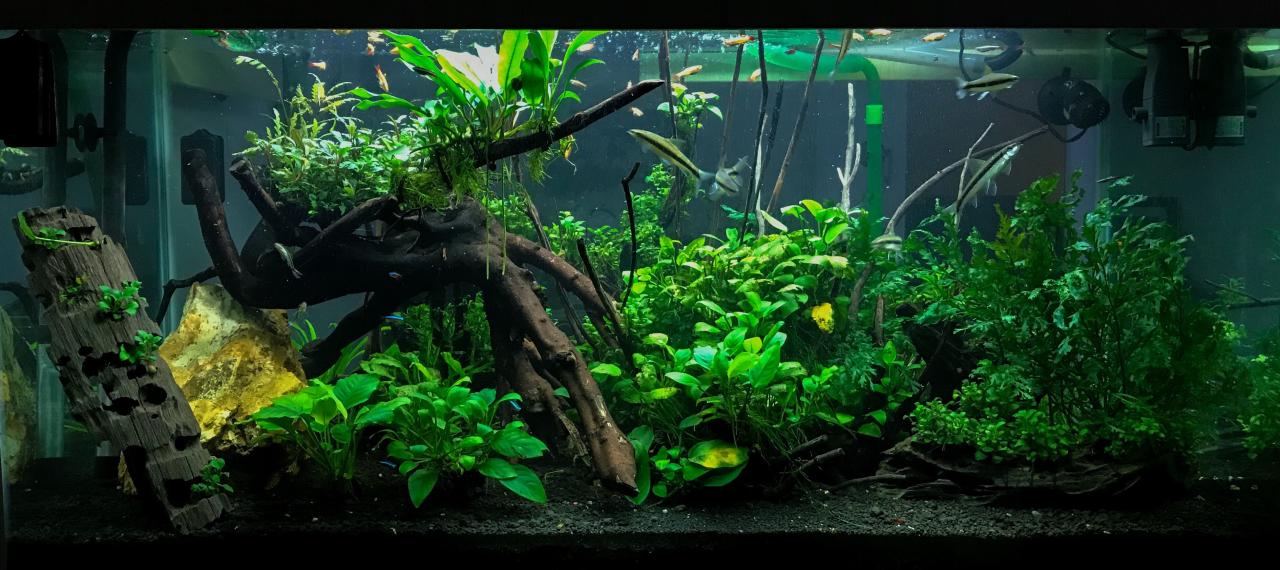
Establishing a realistic and visually appealing jungle aquascape relies heavily on the thoughtful arrangement of plants and hardscape elements to mimic the natural environment. Achieving an authentic jungle appearance involves strategic positioning, layering, and securing of components to create depth, interest, and a sense of immersion. Proper planning in this phase ensures that the aquascape not only looks natural but also provides a suitable habitat for aquatic life.
In this process, attention to detail in layout design helps emulate the chaotic yet harmonious nature of jungle ecosystems. This includes balancing focal points with background, midground, and foreground elements, as well as considering the flow of water and light to enhance realism. Carefully secured and well-placed plants and hardscape features contribute to a cohesive scene that appears as a miniature jungle teeming with life.
Positioning Plants and Hardscape Components for a Natural Jungle Appearance
Creating a convincing jungle landscape begins with the deliberate placement of plants and hardscape elements such as rocks, wood, and roots. This process involves replicating the irregular, layered growth seen in natural jungles, where plants grow densely yet with natural variation in height and orientation. Hardscape should serve as both structural support and visual interest, anchoring the scene in realism.
Start by establishing the main focal points using larger, more prominent hardscape features like driftwood or substantial rocks. These serve as the backbone of the layout. Next, position mid-sized plants and smaller rocks around these focal points to build depth and create a sense of scale. Background plants should be placed to form an immersive backdrop, while foreground plants should be arranged to add detail and lead the viewer’s eye into the scene.
Ensuring a balanced distribution of elements without symmetry fosters a more natural appearance. Varying plant heights, leaf sizes, and orientations enhances the chaotic beauty typical of jungles. Incorporating elements like fallen branches or submerged roots can further add authenticity, mimicking natural debris and terrain variation found in wild environments.
Layout Techniques to Achieve Depth and Layering
Implementing effective layout techniques is crucial for creating a three-dimensional, immersive aquascape that captures the essence of jungle terrain. Depth and layering are achieved through strategic placement of plants and hardscape components, guiding the viewer’s eye from the foreground to the background.
One essential technique is the use of perspective, where larger plants and rocks are positioned in the foreground to create an immediate sense of proximity. Midground elements, such as medium-sized plants and smaller rocks, bridge the foreground and background, adding middle layers that contribute to depth. Background plants should be taller and more densely packed to recede visually, giving the illusion of vast jungle foliage extending into the distance.
To enhance layering, stagger the heights of plants and vary the density of hardscape features, avoiding uniform arrangements. Incorporating visual cues like curved lines in the placement of branches or rocks can mimic natural growth patterns, leading the eye along a natural flow and providing a sense of movement within the scene. Use of overlapping elements, where plants and decorations partially obscure each other, also adds to the illusion of depth.
Securing Plants and Adjusting Elements for a Realistic Scene
In a jungle-style aquascape, stability and flexibility are essential to maintain a realistic and enduring scene. Properly securing plants and hardscape components prevents displacement over time and allows for adjustments to refine the layout as the aquascape matures.
Plants can be anchored using specialized aquarium plant weights, planting their roots into nutrient-rich substrate, or attaching them to hardscape features with fishing line or aquascaping thread. Positioning plants at varying depths within the substrate or attaching them to rocks and wood with superglue gel ensures they stay in place, mimicking their natural anchoring in jungle terrain.
Hardscape elements such as rocks and wood should be stabilized using non-toxic, aquarium-safe adhesives or by creating natural weightings with substrate and gravel. For larger or more unstable pieces, consider embedding them partially in the substrate or using additional supports like silicone fixtures hidden beneath plants.
Adjustments are often necessary to achieve the perfect scene. Carefully reposition plants and hardscape components while the aquarium is dry or during initial setup. As the plants grow and the scene evolves, regularly trim and reposition foliage to maintain desired layers and natural appearance. Monitoring the stability of all elements ensures the aquascape remains realistic and visually engaging over time.
Installing Filtration, Lighting, and CO2 Systems
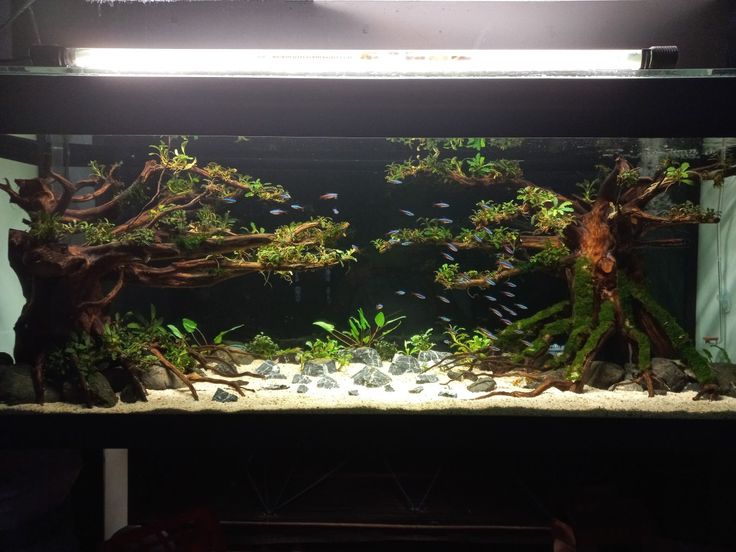
Effective installation of filtration, lighting, and CO2 systems is essential for maintaining a healthy and vibrant jungle-style aquascape. These components not only support lush plant growth but also help sustain the biological balance and aesthetic appeal of the tank. Properly selected and configured equipment ensures optimal conditions for the diverse plant and aquatic life typical of jungle aquascapes, promoting a thriving, natural environment that mimics lush, dense tropical forests.A well-designed setup involves integrating high-quality filtration to keep water clean, adequate lighting to support photosynthesis, and precise CO2 injection to enhance plant development.
Each system plays a critical role in creating a stable, resilient ecosystem that requires minimal maintenance while showcasing dense, vibrant greenery and naturalistic hardscape features.
Filtration Systems
The filtration system is the backbone of any aquascape, responsible for removing debris, excess nutrients, and harmful compounds from the water. In jungle-style aquascapes, where dense plant growth and organic materials can significantly contribute to waste, an efficient filtration system is vital for maintaining water clarity and quality.Options include internal, hang-on-back, canister, and sump filters, each with advantages suited to different tank sizes and setups.
For example, canister filters provide high flow rates and customizable media choices, making them ideal for larger or heavily planted tanks. Sump filters, although more complex to install, offer extensive biological filtration capacity and ease of maintenance.
Lighting Systems
Lighting not only highlights the lush foliage but also influences plant health and growth rates. Jungle aquascapes demand high-intensity, full-spectrum lighting that replicates natural sunlight, ensuring plants receive the necessary wavelengths for photosynthesis. LED lighting has become the preferred choice due to its energy efficiency, longevity, and customizable spectrum options.Lighting should be evenly distributed across the tank to prevent shaded areas and promote uniform plant growth.
Adjustable fixtures allow fine-tuning of light intensity and duration, which is crucial for balancing plant needs and preventing excessive algae growth.
CO2 Injection Systems
CO2 supplementation is a critical factor in fostering vigorous plant growth within jungle aquascapes. It enhances photosynthesis, resulting in denser, healthier, and more vibrant plant life. Proper CO2 injection involves precise control over gas flow to avoid fluctuations that could stress aquatic inhabitants or promote algae proliferation.Typical systems include pressurized CO2 cylinders paired with regulators, diffusers, and solenoids for automated control.
It is important to dose CO2 gradually, monitor pH levels, and adjust flow rates accordingly. This approach ensures the plants receive a consistent supply of CO2, encouraging lush, jungle-like foliage.
Equipment Options with Pros and Cons
Choosing the right equipment involves evaluating the specific needs of the aquascape, tank size, and maintenance preferences.
| Equipment Type | Advantages | Disadvantages |
|---|---|---|
| Canister Filter |
|
|
| LED Lighting |
|
|
| Pressurized CO2 System |
|
|
Planting Techniques and Maintenance
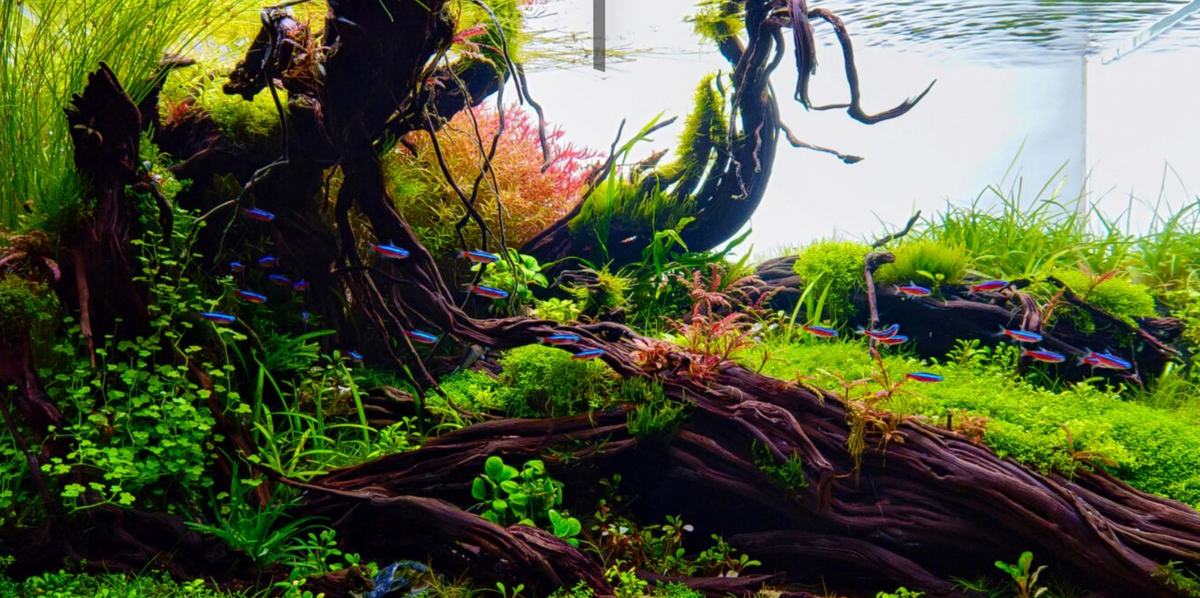
Creating a lush, vibrant jungle aquascape requires precise planting techniques and diligent ongoing maintenance. Proper planting ensures that each species establishes effectively, contributes to the natural aesthetic, and sustains the aquatic ecosystem. Maintenance routines are essential to promote healthy growth, prevent overgrowth, and maintain overall balance within the aquascape, ensuring it remains an enchanting, thriving underwater jungle.Accurate planting procedures involve understanding the specific needs of each aquatic plant type.
Rooted plants, such as Java Fern and Anubias, should be securely attached to hardscape elements like rocks or driftwood using fine fishing line or specialized plant clips. When planting stem plants like Vallisneria or Cryptocoryne, carefully insert their roots into the substrate, ensuring the crown remains above the substrate level to prevent rot. For carpeting plants like Hemianthus callitrichoides, also known as Dwarf Baby Tears, the technique involves densely planting small patches with minimal gaps to facilitate quick coverage and a natural carpet effect.
It is crucial to avoid overcrowding, which can lead to poor circulation and increased susceptibility to disease.The maintenance of jungle aquascapes involves regular pruning, trimming, and health monitoring to sustain plant vitality and the visual appeal of the layout. Pruning involves removing dead, yellowing, or overgrown leaves to encourage new growth and prevent decay from contaminating the water. Trimming stems at appropriate lengths prevents overcrowding, maintains the intended design, and promotes bushier, healthier plants.
Using sterilized scissors or aquascaping tools helps prevent the spread of pathogens. Routine inspection for pests such as algae or snails allows for early intervention, reducing potential damage to the plants.Routine maintenance tasks are vital to maintaining a balanced ecosystem and ensuring the longevity of the aquascape. These include:
- Regularly testing water parameters such as pH, ammonia, nitrite, and nitrate levels to prevent toxicity and promote optimal plant growth.
- Performing weekly water changes of approximately 20-30% to remove accumulated toxins and replenish nutrients.
- Removing algae growth manually or with controlled algae-eating species to prevent overgrowth that can hinder plant health.
- Checking and adjusting lighting durations and intensity to match plant growth requirements and prevent excessive algae development.
- Monitoring CO2 levels and supplementing as necessary to support lush, vigorous growth of jungle plants.
- Ensuring that filtration remains clean and functioning efficiently to maintain water clarity and oxygenation.
- Replacing or supplementing nutrient supplements, such as fertilizers, to meet the nutritional needs of various plants.
Maintaining a consistent schedule and attentive observation of plant health are crucial in creating a sustainable, thriving jungle aquascape. Proper planting and diligent upkeep transform an aquascape into a vibrant, natural underwater jungle that captivates viewers and provides a healthy environment for aquatic life.
Enhancing Realism with Additional Elements
Creating a jungle-style aquascape extends beyond plant selection and hardscape arrangement; it involves cultivating a vibrant, complete ecosystem that mimics nature. Integrating animals, insects, and microfauna, along with decorative elements, significantly elevates the authenticity and ecological balance of the setup. These components bring life, movement, and complexity, making the aquarium a captivating miniature jungle environment.
Thoughtful incorporation of these additional elements not only enhances visual appeal but also supports the biological stability of the aquascape. A well-balanced fauna and decorative accessories contribute to natural behaviors, nutrient cycling, and habitat diversity, providing a comprehensive and immersive jungle scene.
Integrating Fauna: Animals, Insects, and Microfauna
Introducing fauna such as small fish, invertebrates, and microfauna is essential for establishing a self-sustaining jungle ecosystem. These organisms perform vital roles, including waste management, algae control, and fostering natural food chains. Selecting species that are compatible with the aquatic plants and overall environment is crucial to prevent overpopulation or ecological imbalance.
Common choices include shrimp like Amano or Cherry Shrimp, which help keep the substrate clean, along with small fish such as Rasboras or tetras that thrive in lush, plant-rich habitats. Microfauna such as copepods, daphnia, or micro-worms contribute to the decomposition process and serve as natural food sources for other inhabitants. Regular monitoring and maintaining optimal water parameters ensure these populations flourish and support the jungle’s vitality.
Decorative Elements: Faux Vines and Natural Debris
Adding decorative components enhances the jungle’s visual complexity and provides shelter or hiding spots for inhabitants. Faux vines made from flexible, aquatic-safe materials can be draped over hardscape elements, simulating dense jungle canopy and undergrowth. These elements add depth and vertical interest to the aquascape, fostering a more immersive environment.
Natural debris such as fallen branches, leaf litter, and small rocks should be incorporated thoughtfully, mimicking the natural floor and providing surfaces for biofilm growth or microfauna habitation. These materials should be thoroughly cleaned and free of chemicals before placement to prevent introducing contaminants. Combining these with live plants creates a layered, textured landscape that closely resembles a thriving jungle habitat.
Creating Detailed Jungle Habitat Narratives
Developing detailed habitat scenarios helps visualize the jungle ecosystem, guiding the placement of elements and inhabitants for maximum realism. Envisioning specific microhabitats, such as shaded understory, open clearings, or densely vegetated canopy, influences the arrangement of plants, debris, and animals to emulate natural behaviors.
For example, imagine a scene where tiny shrimp hide beneath faux vines and leaf litter, while small fish dart between tall plants resembling jungle trees. Incorporate elements like submerged roots and floating plants to simulate riverbanks or canopy cover, creating a layered environment that encourages natural interactions. Such narratives assist in designing an aquascape where each component plays a role, fostering an authentic and engaging jungle landscape.
Troubleshooting Common Issues in Jungle Aquascaping
Jungle-style aquascapes are renowned for their lush, natural appearance, but maintaining this aesthetic can present several challenges. Common problems such as algae overgrowth, plant decay, and water quality concerns can detract from the visual appeal and health of the aquatic environment. Recognizing these issues early and implementing effective solutions is essential to preserve the vibrant, thriving jungle landscape within your aquarium.
This section explores prevalent issues faced by aquascapers, their underlying causes, and practical strategies to prevent and address these concerns. Understanding these troubleshooting techniques ensures your jungle aquascape remains resilient, healthy, and visually stunning over time.
Algae Overgrowth
Algae proliferation is one of the most frequently encountered problems in jungle aquascaping. Excessive algae growth can obscure plant views, compete for nutrients, and degrade water quality. The primary causes include excess light, nutrient imbalance, and insufficient maintenance.
- Light Control: Reduce the duration and intensity of lighting, ensuring the lights are on for approximately 8-10 hours daily. Use adjustable or timers to maintain consistent lighting periods.
- Nutrient Management: Avoid overfeeding fish and monitor nutrient levels, particularly nitrates and phosphates, which fuel algae blooms. Incorporate nutrient tests regularly and adjust fertilization accordingly.
- Algae-Eating Species: Introduce compatible fish or invertebrates, such as Amano shrimp or otocinclus catfish, which naturally consume algae without harming plants.
- Regular Maintenance: Conduct routine manual removal of algae using gentle scrubbing tools or brushes. Perform consistent water changes to dilute algae spores and nutrients.
Preventive Tip: Maintain a balanced light-to-co2 ratio and avoid excessive fertilization, creating an environment less conducive to algae overgrowth.
Plant Decay and Poor Growth
Healthy plant growth is vital for a realistic jungle appearance. When plants decay or exhibit poor growth, it often signifies underlying issues such as nutrient deficiencies, inadequate lighting, or improper CO2 levels.
- Nutrient Deficiencies: Conduct comprehensive testing of macro and micronutrients. Supplement with quality fertilizers containing iron, potassium, and other essential elements to promote robust growth.
- Lighting Optimization: Ensure lighting intensity and spectrum are suitable for jungle plants. Use full-spectrum LED lights designed for plant growth, providing adequate photosynthetically active radiation (PAR).
- CO2 Supplementation: Maintain consistent CO2 levels, especially in densely planted sections. Utilize reliable CO2 systems with bubble counters and diffusers to prevent fluctuations that stress plants.
- Pruning and Removal: Regularly trim decayed or dead plant material to prevent decay from spreading and to encourage new, healthy growth.
Tip: Monitor plant responses to adjustments in nutrient and light levels, and adapt care routines to support optimal health and aesthetics.
Water Quality Concerns
Maintaining pristine water quality is fundamental in jungle aquascaping. Common issues include cloudy water, foul odors, or unstable parameters that threaten aquatic life and plant vitality.
- Regular Water Tests: Use reliable test kits to monitor parameters such as pH, ammonia, nitrites, nitrates, and phosphates. Keep these within ideal ranges for tropical plants and fish.
- Filtration and Circulation: Ensure filtration systems are adequate for the tank volume and bioload. Incorporate powerheads or wavemakers to promote water movement, preventing stagnation.
- Perform Water Changes: Schedule weekly partial water changes of 20-30% to remove accumulated toxins and replenish essential minerals.
- Avoid Overfeeding: Excess food decomposes, compromising water quality. Feed sparingly and remove uneaten food promptly.
Key Reminder: Consistent maintenance and vigilant monitoring are vital in sustaining water clarity and overall ecosystem stability.
| Problem | Primary Causes | Solutions | Maintenance Tips |
|---|---|---|---|
| Algae Overgrowth | Excess light, nutrients, poor maintenance | Control lighting, reduce nutrients, introduce algae eaters, manual removal | Establish a balanced light and fertilization schedule |
| Plant Decay | Nutrient deficiency, inadequate lighting, CO2 fluctuations | Fertilize properly, optimize lighting, ensure stable CO2, prune regularly | Regularly test and adjust environmental parameters |
| Water Quality Issues | Overfeeding, insufficient filtration, infrequent water changes | Maintain filtration, perform regular water changes, monitor water parameters | Keep a consistent maintenance routine |
Final Summary
In summary, mastering the art of jungle style aquascaping involves a blend of creative design, precise planting, and attentive maintenance. The result is a thriving, natural-looking underwater habitat that offers both visual appeal and ecological balance. With patience and attention to detail, you can create a breathtaking jungle environment that becomes the centerpiece of your aquatic space.