Maintaining the clarity of aquascape glass is essential for both the aesthetic appeal and health of your aquatic environment. Proper cleaning techniques ensure that algae and mineral deposits do not compromise water quality or damage delicate plants. Understanding how to clean your aquascape glass safely allows you to preserve the beauty and vitality of your underwater landscape without disrupting its delicate balance.
In this guide, you’ll discover effective methods and tools to keep your aquascape glass pristine while safeguarding your plants. From choosing the right cleaning supplies to implementing preventative strategies, you’ll learn how to achieve a spotless, healthy aquarium that showcases your aquatic artistry.
Understanding the Importance of Cleaning Aquascape Glass
Maintaining clear and pristine glass within an aquascape is essential for both the health of aquatic plants and the overall aesthetic appeal of the setup. Clean glass enhances visibility, making the intricate details of the aquascape more prominent and enjoyable to observe. Regular cleaning not only preserves the beauty but also plays a crucial role in sustaining a healthy aquatic environment.
Over time, algae and mineral deposits tend to accumulate on the glass surface. These buildups can obscure the view and interfere with the aquatic ecosystem’s balance. Algae growth, often fueled by excess nutrients and light, can overrun the glass if left unchecked, leading to a decline in water quality and potentially stressing the plants and aquatic life. Mineral deposits, resulting from water evaporation and hard water elements, create a cloudy film that diminishes the clarity of the water and hampers photosynthesis in plants.
Visual Signs Indicating the Need for Cleaning
Recognizing when to clean the aquascape glass is vital to prevent the negative effects associated with neglect. Several visual indicators can assist aquarists in determining the optimal timing for cleaning without causing harm to the plants:
- Visible Algae Films: A thin, greenish or brownish film on the glass surface signals algae presence that can be easily removed before it becomes a thick, uncontrollable layer.
- Mineral Residue: White or cloudy spots and streaks on the glass indicate mineral deposits, often caused by water evaporation or the use of hard water sources.
- Reduced Visibility: When the aquascape appears hazy or obscured, it suggests a buildup of algae or deposits that diminish the clarity of the water and hinder light penetration essential for photosynthesis.
- Uneven Plant Growth or Stress Signs: If plants exhibit signs of stress, such as yellowing or stunted growth, it might be due to poor water quality stemming from inadequate cleaning and maintenance, including glass buildup management.
Monitoring these signs helps aquarists maintain a balanced environment, ensuring that cleaning routines are performed at appropriate intervals. Regular observation is key, as aggressive or overly frequent cleaning can disturb the delicate balance of nutrients and beneficial microorganisms essential for a thriving aquascape.
Safe Methods for Cleaning Aquascape Glass
Maintaining clear and clean aquascape glass is essential for both the health of aquatic life and the aesthetic appeal of your setup. While regular cleaning is necessary, it must be performed carefully to avoid damaging plants or scratching the glass. Employing gentle, methodical techniques ensures that your aquascape remains pristine without compromising its delicate ecosystem.Proper cleaning involves using tools and methods specifically designed for aquariums, emphasizing safety and preservation.
The following step-by-step procedures Artikel effective practices to achieve a spotless glass surface while safeguarding your plants and overall tank integrity.
Manual Cleaning Using Soft, Non-Abrasive Tools
Manual cleaning requires patience and the right tools to gently remove algae and other residues. It is crucial to select equipment that will not harm the glass or disturb the plant roots. Below are detailed steps and recommended tools for safe manual cleaning.
Begin by preparing your cleaning tools to ensure they are clean and free of debris that could scratch the glass or introduce contaminants. Always turn off any equipment such as filters or pumps to prevent water circulation that could interfere with cleaning efforts. Carefully access the glass surface, taking care not to disturb the roots of your aquatic plants or disturb the substrate.
Use gentle, deliberate strokes to remove algae and other buildup, applying minimal pressure to avoid scratches or dislodging plants.
Recommended Tools for Cleaning Aquascape Glass
Using specialized tools designed for aquariums enhances safety and cleaning efficiency. Here are some commonly used tools, along with their features:
- Algae Scrapers: These are handheld tools with soft, plastic blades that effectively remove algae without scratching glass. They come in various sizes, allowing you to target different areas of your tank.
- Magnetic Cleaners: Magnetic cleaning devices consist of two parts: one inside the tank and a corresponding external handle. They enable cleaning the glass surface from outside without water spillage or the need to reach into the tank, minimizing disturbance to plants and inhabitants.
- Aquarium Brushes and Soft Scrubbing Pads: Designed explicitly for aquarium glass, these brushes have soft bristles or foam pads that clean algae gently. They can reach into corners and crevices, ensuring comprehensive cleaning without scratching the glass or disturbing plant roots.
Precautions to Avoid Damage During Cleaning
It is vital to exercise caution during cleaning procedures to maintain the delicate balance of your aquascape:
Always test tools on a small, inconspicuous area before proceeding to more visible sections.
Ensure that no abrasive materials, such as steel wool or harsh scrubbers, come into contact with the glass surface. These can cause scratches that are difficult to remove and may lead to future damage or algae buildup. When working near plants, use tools with flexible edges or pads to prevent uprooting or damaging plant roots. Be gentle and deliberate in your movements, avoiding excessive force that could dislodge plants or disturb the substrate.
Regular, gentle cleaning is preferable over aggressive scrubbing, which risks harming the aquatic ecosystem.
Choosing the Right Cleaning Tools and Supplies
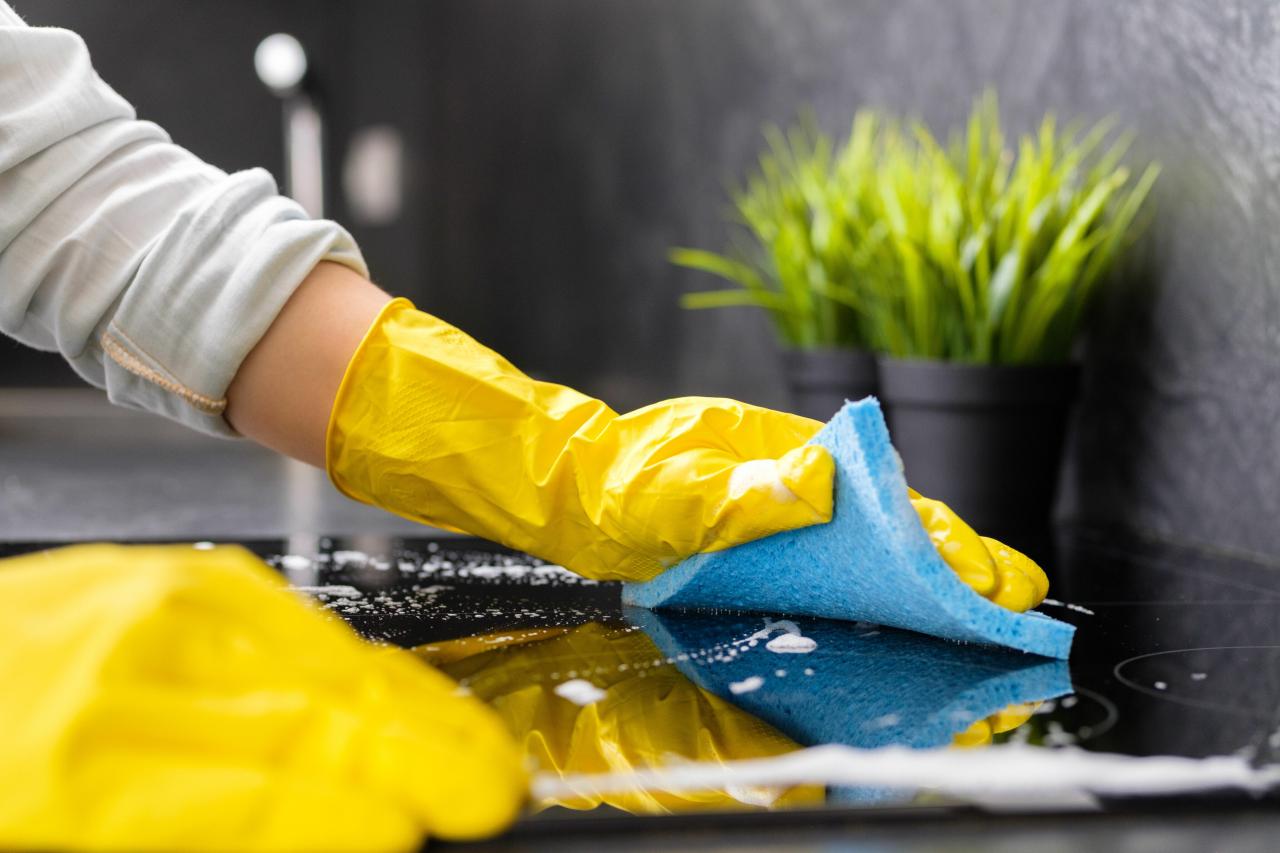
Maintaining a pristine aquascape requires selecting appropriate cleaning tools and supplies that effectively remove algae and deposits without damaging delicate plants or substrate. The right tools ensure thorough cleaning while preserving the health and aesthetics of the aquarium environment.
Using suitable cleaning supplies is equally important to prevent introducing harmful chemicals into the aquatic ecosystem. Combining the correct tools with safe cleaning agents ensures your aquascape remains vibrant, healthy, and free of unwanted buildup.
Recommended Tools for Cleaning Aquascape Glass
Effective cleaning begins with choosing tools specifically designed for aquascapes. These tools should be gentle yet efficient in removing algae and other residues from glass surfaces without scratching or damaging the glass or plants.
- Gentle Scrapers: Soft-edged scrapers or plastic blades are ideal for removing stubborn algae without scratching the glass. They are especially useful for tackling hard-to-remove algae growth.
- Magnetic Cleaners: Magnetic glass cleaners consist of two parts: one inside the tank and one outside. They work in tandem to scrub algae from the glass surface securely, making cleaning quick and convenient.
- Microfiber Cloths: These soft cloths are perfect for wiping down glass surfaces and delicate decorations. They effectively remove smudges and light algae without leaving lint or scratches.
Safe Cleaning Solutions for Aquascape Glass
Choosing non-toxic, aquarium-safe cleaning solutions is crucial to avoid harming plants, fish, or beneficial bacteria within the tank. The cleaning agents should be free of harsh chemicals and safe for aquatic environments.
Many aquarists prefer using natural or gentle commercial products that are explicitly labeled as safe for aquarium use. It is important to always verify the safety of any cleaning solution before application inside the tank.
“Always opt for solutions that are free from ammonia, chlorine, bleach, or other toxic chemicals to protect your aquatic life.”
Natural Remedies for Glass Cleaning
Natural cleaning remedies such as vinegar or baking soda solutions offer effective and safe options for maintaining glass clarity around aquatic plants. These solutions are biodegradable, non-toxic, and pose minimal risk to aquatic inhabitants when used correctly.
- Vinegar Solution: A mixture of one part white vinegar to three parts water can dissolve mineral deposits and algae buildup. It is important to rinse thoroughly with water afterward to eliminate any residual acidity that could harm plants or fish.
- Baking Soda Paste: A paste made from baking soda and water gently removes algae stains. Use with a soft cloth or sponge and rinse thoroughly to prevent residues that might alter water parameters.
When applying these natural remedies, avoid letting the solutions contact sensitive plants or fish directly and ensure complete rinsing before reintroducing water into the aquarium.
Comparison of Tools and Cleaning Agents
| Features | Advantages | Caution Notes |
|---|---|---|
| Gentle Scrapers | Effective for stubborn algae; gentle on glass and plants | Ensure blades are smooth to prevent scratching |
| Magnetic Cleaners | Easy to use; quick cleaning; minimal disturbance | Not suitable for very thick or rough algae; may scratch if debris is trapped |
| Microfiber Cloths | Soft; leaves no lint; safe for delicate surfaces | Must be kept clean and free of debris to prevent scratching |
| Vinegar Solution | Natural; effective against mineral deposits and algae | Rinse thoroughly; avoid contact with sensitive plants and fish |
| Baking Soda Paste | Gentle abrasive; safe when rinsed properly | Use sparingly; ensure no residue remains in tank |
Maintaining Aquascape Glass Without Disrupting Plants
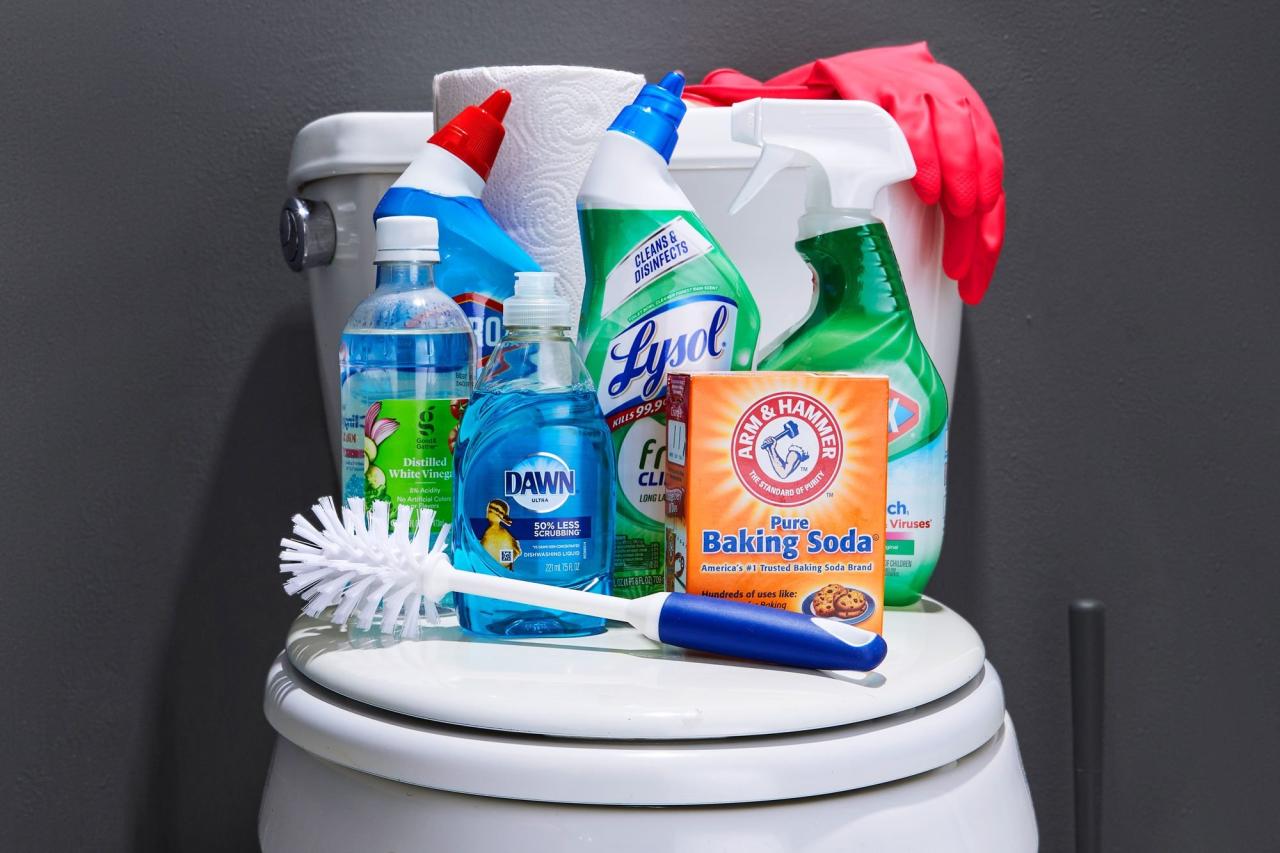
Proper maintenance of aquascape glass is essential for maintaining clarity and visual appeal while ensuring the health of aquatic plants. Achieving a balance between effective cleaning and preserving the integrity of delicate plant life requires thoughtful techniques and routines. Regular but gentle cleaning practices help prevent algae buildup and maintain optimal light penetration, which is vital for photosynthesis and overall plant vitality.
It is important to develop a routine that considers the specific needs of your aquatic environment, including plant species, fish, and other inhabitants.Careful cleaning around plants and roots minimizes stress and physical damage to delicate species. Techniques that prioritize gentle handling and targeted cleaning allow for the preservation of root structures and minimize disruption to the ecosystem. Additionally, strategies to reduce disturbance during cleaning sessions help maintain a stable environment, preventing unnecessary stress that could affect plant growth and the well-being of aquatic life.
Employing a meticulous, step-by-step routine ensures that cleaning remains effective without compromising the delicate balance within your aquascape.
Maintaining Cleaning Frequency to Prevent Algae and Protect Plants
Maintaining a consistent cleaning schedule helps control algae growth while safeguarding the health of aquatic plants. Typically, inspecting the glass once a week allows for early detection of algae and debris accumulation, enabling timely cleaning before issues become severe. Over-cleaning can disturb beneficial biofilms and microflora that contribute to a healthy ecosystem, so moderation is key. If algae become prominent, more frequent cleanings—perhaps bi-weekly—may be necessary until the problem is under control.To optimize cleaning frequency, observe your aquascape’s specific conditions.
Factors like lighting intensity, nutrient levels, and plant density influence algae growth rates. In environments with high light exposure or excess nutrients, more frequent cleaning and algae removal are advisable. Conversely, in low-light setups or when plants are thriving without excess nutrients, less frequent cleaning suffices. Establishing a routine based on these observations helps maintain a clean, healthy environment without disrupting delicate plant life.
Cleaning Around Delicate Plant Species and Roots
Cleaning around sensitive plants and their intricate root systems requires precision and gentle techniques. These plants often have fine, easily damaged roots that need protection during maintenance. To prevent harm, avoid scrubbing directly on root zones and instead focus on removing surface debris and algae with soft tools. Using a narrow, flexible algae scraper or a soft-bristled brush allows for targeted cleaning without applying excessive force.When algae or debris accumulate near delicate roots, carefully maneuver cleaning tools along the glass surface, ensuring that roots are not disturbed.
If algae are tightly adhered to roots, soft cloths or sponges moistened with clean water can gently lift the buildup without causing damage. It’s beneficial to perform cleaning during periods of low plant activity or at times when the plants are less stressed to minimize any potential impact.
Minimizing Disturbance to Aquatic Life During Cleaning
Reducing disturbance during cleaning sessions is crucial to maintaining a stable and healthy aquatic environment. Sudden movements, loud noises, or excessive handling can stress fish and other inhabitants. To minimize these effects, conduct cleaning during times of low activity, such as early morning or late evening, when fish are less active.Isolating or temporarily removing sensitive species before cleaning can further reduce stress.
Using soft, slow movements and gentle tools prevents sudden shocks to the system. Maintaining stable water parameters throughout the process also supports the resilience of aquatic life. Ensuring proper aeration and circulation during and after cleaning helps the environment recover quickly, preventing oxygen depletion or temperature fluctuations that could adversely affect plants and animals.
Step-by-Step Procedure for Integrated Cleaning Routines
Implementing a structured cleaning routine helps balance effective glass maintenance with the health of aquatic plants and creatures. Follow these steps for an integrated approach:
- Prepare cleaning tools: select soft cloths, algae scrapers, gentle brushes, and water-safe cleaning solutions if necessary.
- Reduce water flow and turn off equipment such as filters or CO2 systems if they might interfere with cleaning, ensuring safety and minimal disturbance.
- Inspect the aquarium to identify areas with algae buildup or debris, noting delicate plant zones requiring careful handling.
- Gently remove surface algae with a soft cloth or scraper, avoiding excessive pressure on plant roots and stems.
- Target stubborn algae or residues near delicate plants using a soft-bristled brush or sponge, taking care not to disturb roots.
- Clean the glass thoroughly, working around plant structures to prevent damage, and ensuring no residues are left behind.
- Re-enable equipment and restore water flow, monitoring for any signs of stress in plants or aquatic animals.
- Record observations and adjust cleaning frequency based on algae growth and plant health, creating a sustainable routine.
By following these best practices, aquarists can maintain pristine glass surfaces without compromising the health and vitality of their aquatic plants and inhabitants. A gentle, well-planned approach ensures a thriving, visually stunning aquascape that remains healthy over time.
Preventative Measures for Long-Term Glass Clarity

Maintaining clear and pristine aquascape glass is essential for both aesthetic appeal and the health of your aquatic environment. While regular cleaning routines are vital, implementing preventative strategies can significantly reduce the frequency and intensity of cleaning needed over time. These measures focus on controlling environmental factors such as lighting, nutrient levels, and algae growth, as well as fostering beneficial bacterial populations and natural algae control methods.
By adopting proactive practices, aquarists can enjoy sustained clarity and a vibrant, healthy underwater landscape.A well-balanced aquascape hinges on environmental stability and biological balance. Excessive light, nutrient overloads, and unchecked algae can quickly cloud glass surfaces, obscuring the beauty of live plants and decorative elements. Supporting beneficial bacteria is equally important, as these microorganisms play a crucial role in nutrient cycling and suppressing undesirable algae.
Incorporating natural algae-eating species further enhances the ecosystem’s ability to maintain clarity without chemical interventions. The following strategies serve as practical guidelines for achieving long-term glass transparency while preserving the health and vitality of your aquatic plants and inhabitants.
Controlling Lighting, Nutrients, and Algae Growth
Effective management of lighting, nutrient levels, and algae proliferation is fundamental to preventing glass cloudiness. Excessive lighting, particularly if prolonged or intense, stimulates algae growth and encourages biofilm formation on glass surfaces. It is advisable to regulate light duration to around 8-10 hours daily, using timers for consistency. Additionally, choosing appropriate light spectra and intensities tailored to the specific plant species can promote healthy growth while inhibiting algae.Nutrient management involves monitoring and balancing essential elements such as nitrates and phosphates.
Elevated nutrient concentrations serve as fertilizer for algae, resulting in increased biofilm and film buildup on glass. Regular testing and controlling feedings prevent nutrient overloads. Employing live plant species that efficiently uptake nutrients further reduces excess nutrients in the water. Maintaining optimal water parameters through partial water changes and appropriate fertilization minimizes conditions conducive to algae bloom.Algae growth control can also be achieved by limiting excess organic material and detritus, which serve as food sources for algae.
Utilizing protein skimmers or mechanical filtration removes organic waste before it decomposes into nutrients. Implementing a consistent maintenance routine that includes vacuuming substrate and removing excess algae prevents their spread and keeps glass surfaces clear.
Supporting Beneficial Bacteria for a Healthy Aquascape
Beneficial bacteria are vital for establishing a balanced and resilient aquatic environment. These microorganisms facilitate the breakdown of organic waste, convert harmful ammonia into less toxic nitrites and nitrates, and help suppress harmful algae species through competitive exclusion. A thriving bacterial community ensures water quality stability, which directly impacts glass clarity and plant health.To support beneficial bacteria, it is important to provide a stable environment with appropriate biological filtration.
Using biological media such as ceramic rings, bio-balls, or sponge filters offers ample surface area for bacterial colonization. Avoiding sudden fluctuations in water parameters and maintaining consistent temperature and pH levels promote bacterial growth. Incorporating live cultures or bacterial supplements can expedite the establishment of a healthy microbial population, especially during the initial setup or after significant disturbances.Supporting bacterial health involves avoiding overuse of antibiotics or chemicals that may harm beneficial microbes.
Regularly monitoring water conditions and performing gentle, routine maintenance encourages a robust bacterial community that naturally controls algae and improves overall water clarity.
Natural Techniques for Algae Control
Introducing natural methods for algae control can effectively maintain long-term glass clarity without relying on chemical agents. These techniques leverage the ecosystem’s balance and biological diversity to keep algae in check.One of the most effective natural approaches is the introduction of algae-eating species. Fish such as Siamese algae eaters, otocinclus catfish, and certain shrimp like Amano shrimp are excellent candidates.
These organisms feed selectively on algae, helping to reduce biofilm and film buildup on glass surfaces. Their presence not only aids in cleanliness but also enhances the visual interest of the aquascape.Additionally, encouraging the growth of fast-growing, hardy plants can outcompete algae for nutrients and light, effectively reducing algae proliferation. Plants such as Java moss, duckweed, and floating species absorb excess nutrients, leaving less available for algae.
Proper plant maintenance, including trimming and ensuring adequate CO2 levels, further supports this natural control mechanism.Implementing a balanced photoperiod, supporting beneficial bacterial populations, and avoiding overfeeding are all integral to natural algae management. These strategies foster an environment where algae remain under control, allowing the glass surfaces to stay clear and transparent over the long term.
Troubleshooting Common Cleaning Challenges
Proper maintenance of aquascape glass is essential for preserving the aesthetic appeal and health of the aquatic environment. However, various challenges can arise during cleaning, such as stubborn algae buildup or mineral deposits that resist removal. Recognizing these issues and applying appropriate solutions ensures effective cleaning without harming plants or beneficial bacteria. It is equally important to avoid over-cleaning, which can disrupt the delicate balance within your aquatic ecosystem.Cleaning challenges often stem from the biological and chemical interactions within the tank.
For instance, excessive algae growth can be caused by high nutrient levels, inadequate lighting, or insufficient flow. Mineral buildup, on the other hand, results from hard water deposits forming on glass surfaces over time. These issues can be persistent and require careful handling to remove effectively while safeguarding the health of your aquatic plants and microorganisms.
Addressing Stubborn Algae and Mineral Deposits
Algae and mineral deposits can become resilient to regular cleaning methods, demanding targeted approaches that prevent damage to the tank environment.
- Stubborn Algae Removal: For persistent algae, use a soft, non-abrasive scrubber or algae scraper designed specifically for aquarium glass. If algae are stubborn, soaking a clean cloth or sponge in a diluted solution of hydrogen peroxide (3%) can effectively weaken the algae’s adhesion without harming plants. Gently rub the affected areas, ensuring not to disturb aquatic plants or substrate. Hydrogen peroxide is effective because it decomposes into water and oxygen, posing minimal risk to beneficial bacteria when used appropriately.
- Mineral Deposit Removal: Mineral buildup can be tackled using a solution of diluted white vinegar (1:1 ratio with water). Apply the solution to a soft cloth or sponge and gently scrub away the deposits. For tougher residues, allow the vinegar solution to sit on the deposits for a few minutes before scrubbing. Rinse thoroughly with clean water to remove any residual acidity, preventing potential harm to aquatic life.
Risks of Over-Cleaning and Protective Measures
While maintaining clarity is crucial, over-cleaning can inadvertently remove beneficial biofilms and disrupt the biological balance within the aquarium.
Over-cleaning can lead to the removal of beneficial bacteria that colonize the glass and other surfaces, potentially causing fluctuations in water parameters and stressing aquatic life. Always aim for a balanced approach that maintains cleanliness without compromising the ecological stability of your aquascape.
- Limit Cleaning Frequency: Avoid excessive scrubbing; clean only when necessary to prevent disrupting the beneficial microbial populations responsible for biological filtration.
- Use Gentle Tools: Opt for soft cloths, sponges, or plastic scrapers that do not scratch or damage the glass surface, helping preserve the biofilm that supports healthy bacteria.
- Monitor Water Parameters: After cleaning, observe water quality parameters such as ammonia, nitrite, and nitrate levels to ensure the biological balance remains intact, adjusting cleaning routines if needed.
Preventing Recurring Challenges
Consistent, preventative measures can minimize common cleaning challenges, reducing the need for aggressive or frequent interventions.
- Control Nutrients and Lighting: Adjust nutrient input and lighting schedules to reduce algae proliferation, thus decreasing the need for heavy cleaning.
- Use Water Conditioners and Filter Media: Implement water conditioners that reduce mineral buildup and regularly replace or clean filter media to prevent accumulation of deposits.
- Regular Maintenance: Schedule routine inspections and light cleaning to catch issues early, avoiding the buildup of stubborn deposits.
Summary

Regular and careful cleaning of your aquascape glass is key to maintaining a vibrant and healthy aquatic environment. By following safe techniques and using appropriate tools, you can keep your underwater world beautiful and thriving without harming your plants. Implementing these practices will ensure long-term clarity and ecological balance, allowing your aquascape to flourish with minimal maintenance.