Learning how to cycle an aquarium for a planted setup is a vital step toward establishing a thriving aquatic environment. Proper cycling ensures that beneficial bacteria develop to process waste products, creating a safe habitat for both plants and aquatic life. This process not only promotes a healthy ecosystem but also minimizes common issues such as ammonia spikes and algae overgrowth, setting the foundation for a lush and balanced underwater landscape.
By understanding the biological mechanisms involved and carefully preparing your tank, you can effectively manage the cycling process. Whether opting for fishless, fish-in, or seeded methods, each approach requires specific steps and monitoring to guarantee success. Incorporating hardy plants early can further enhance the cycle, making your setup more resilient and vibrant from the start.
Understanding the Importance of Cycling an Aquarium for a Planted Setup
Establishing a healthy and stable environment in a planted aquarium begins with the crucial process of cycling. This preliminary stage ensures that the biological ecosystem within the tank is capable of supporting aquatic plants and fish by establishing beneficial bacterial colonies. Proper cycling not only safeguards the health of aquatic life but also creates a thriving, balanced environment that promotes plant growth and maintains water quality.
The biological processes involved in aquarium cycling primarily focus on the development of nitrifying bacteria that convert toxic waste products into less harmful substances. This natural filtration system is fundamental in preventing the accumulation of harmful compounds such as ammonia and nitrite, which can be detrimental to both plants and fish. A well-cycled aquarium fosters a stable environment where these bacteria can thrive, ensuring the water remains safe and conducive for aquatic life.
Biological Processes in Aquarium Cycling
In a newly set-up aquarium, no beneficial bacteria are initially present to process waste. The cycling process involves establishing colonies of nitrifying bacteria, including Nitrosomonas and Nitrobacter, which work in tandem to manage the nitrogen cycle. The process unfolds in several stages:
- Ammonia Production: When fish are introduced later or when organic matter decomposes, ammonia (NH 3) is produced, which is highly toxic to aquatic life.
- Nitrosomonas Bacteria: These bacteria convert ammonia into nitrite (NO 2), which is also toxic but less so than ammonia.
- Nitrobacter Bacteria: They further convert nitrite into nitrate (NO 3), a less harmful substance that can be assimilated by plants or removed through water changes.
Key Point: The establishment of a stable nitrogen cycle is essential for maintaining water quality and supporting healthy plant and fish life in a planted aquarium.
Benefits of Proper Aquarium Cycling
Implementing an effective cycling process offers numerous advantages that contribute to the overall health and longevity of a planted aquarium. These benefits include:
- Prevention of Toxic Accumulation: Proper cycling ensures that ammonia and nitrite levels are kept within safe limits, preventing stress and health issues in fish and inhibited plant growth.
- Stable Water Parameters: A cycled tank maintains consistent pH, ammonia, nitrite, and nitrate levels, creating a stable environment for aquatic life.
- Enhanced Plant Growth: Adequate nitrates serve as vital nutrients for plants, promoting lush greenery and vibrant coloration.
- Reduced Maintenance: A well-established biological filter minimizes frequent water changes and reduces the need for chemical treatments.
- Increased Longevity of Aquarium Inhabitants: Proper cycling fosters a balanced ecosystem that supports the health, behavior, and lifespan of both plants and fish.
In conclusion, understanding and executing a thorough cycling process is fundamental to setting up a thriving planted aquarium. It creates the foundation for a balanced, sustainable environment where aquatic plants can flourish and fish can thrive with minimal stress and intervention.
Preparing the Aquarium for Cycling
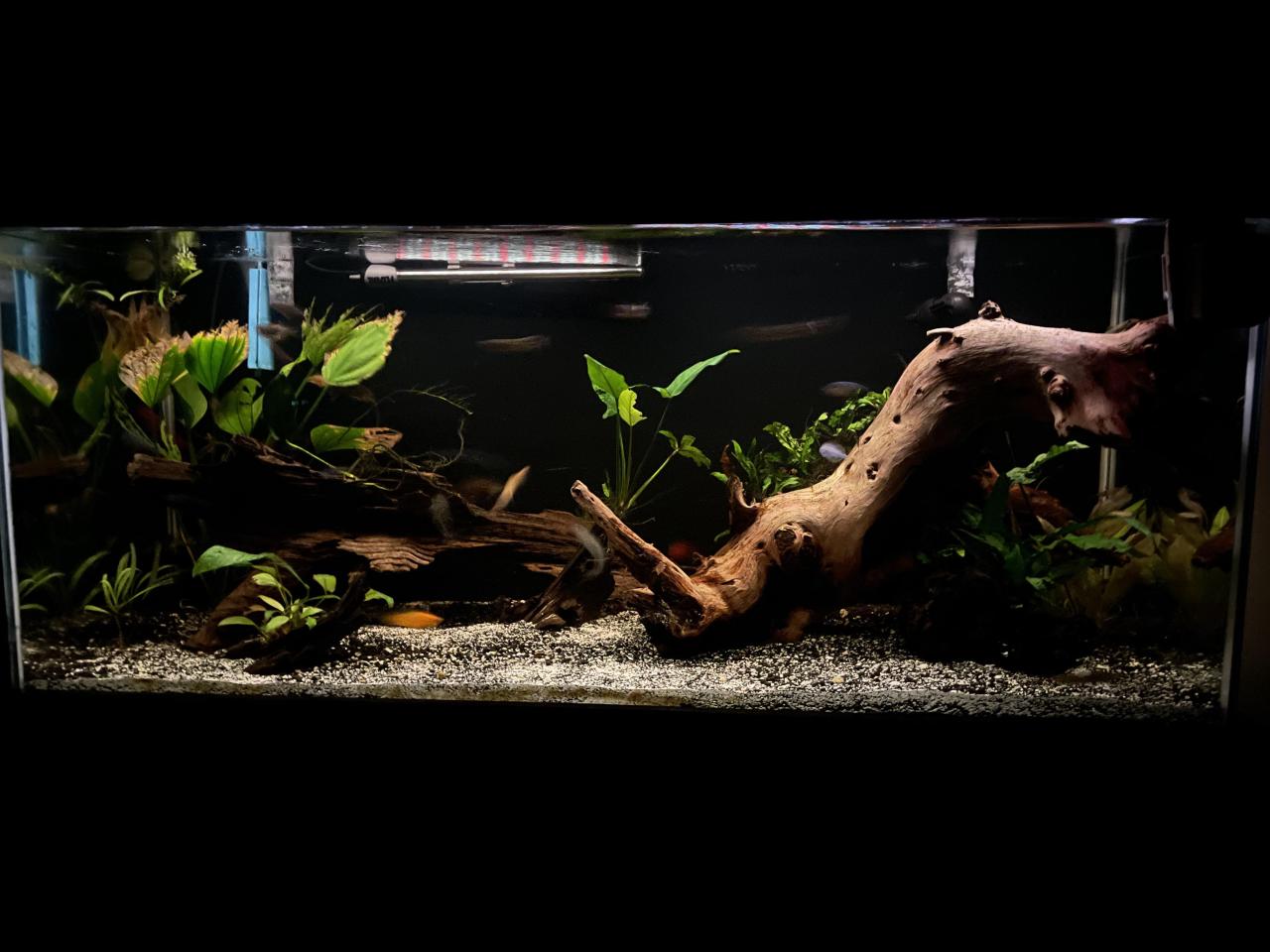
Establishing a healthy environment for your planted aquarium begins with meticulous preparation before initiating the cycling process. Proper setup ensures that beneficial bacteria can thrive, leading to a stable and balanced ecosystem for your aquatic plants and inhabitants. This stage is crucial in preventing common issues such as ammonia spikes, algae overgrowth, and unhealthy water conditions that can jeopardize the success of your planted setup.A thorough preparation process involves sanitizing the tank, organizing essential equipment, and thoughtfully adding substrate and decorations.
These steps lay the groundwork for efficient cycling, promoting beneficial bacterial colonization and creating a visually appealing and biologically stable environment for your aquatic life.
Cleaning and Setting Up the Aquarium Tank
Before beginning the cycling process, it is vital to ensure the aquarium is clean and free from residues or contaminants that could hinder bacterial growth or affect water quality. Start by rinsing the tank with plain, room-temperature water, avoiding any harsh detergents or chemicals, as residues can be harmful to aquatic life and bacterial colonies. Use a soft cloth or sponge to gently wipe the interior surfaces, ensuring all manufacturing residues and dust are removed.Position the tank on a stable, level surface capable of supporting its weight when filled with water and substrate.
Check that all equipment ports, drains, and openings are clear and in good working condition. If the tank has been stored for some time, inspect for any cracks or damages before proceeding.
Organizing Equipment Needed for Cycling
Having the right equipment readily available streamlines the setup process and supports effective cycling. Proper organization ensures each component functions correctly and contributes to creating a healthy environment for beneficial bacteria to establish.
| Equipment | Purpose | Notes |
|---|---|---|
| Filter | Mechanical and biological filtration to remove debris and host beneficial bacteria | Choose a filter suitable for the tank size, with adjustable flow rate |
| Heater | Maintains stable water temperature optimal for bacteria and plants | Set to 24-26°C (75-79°F) for most tropical setups |
| Test Kits | Monitor ammonia, nitrite, nitrate, and pH levels during cycling | Use liquid test kits for accuracy or digital testers if available |
| Lighting | Provides appropriate light for plants and encourages growth | Ensure lights are suitable for plant species and set on a timer |
| Substrate | Supports beneficial bacteria growth and anchors plants | Choose nutrient-rich substrates for planted tanks |
| Decorations | Create hiding spots and aesthetic appeal while supporting bacterial colonization | Rinse thoroughly to remove dust and residues before placing in tank |
Adding Substrate and Decorations to Support Beneficial Bacteria Growth
The substrate serves as the foundation for beneficial bacteria colonization, playing a vital role in establishing a stable nitrogen cycle. When selecting substrate, opt for nutrient-rich options like aquasoil or specialized planted tank substrates that encourage bacterial growth and plant rooting.Spread the substrate evenly across the bottom of the tank, creating a depth of approximately 2-3 inches to provide ample surface area for bacteria.
Gently slope the substrate from the back to the front to facilitate water flow and ease of maintenance.Decorations, such as rocks, driftwood, or ceramic ornaments, not only enhance the visual appeal but also offer additional surfaces for bacterial colonization. Rinse all decorations thoroughly with water to remove dust, debris, or residues that could introduce unwanted chemicals or contaminants. Arrange decorations thoughtfully to create hiding spots for aquatic life and ensure water circulation remains unobstructed, fostering a healthy environment conducive to beneficial bacterial growth and plant roots.
Methods to Cycle a Planted Aquarium
Establishing a healthy, balanced environment in a planted aquarium requires a thorough cycling process. Different approaches exist to achieve this, each suited to various preferences, setups, and levels of patience. Understanding the distinct methods of cycling allows aquarists to choose the most appropriate technique for their specific needs, ensuring the safety of aquatic life and promoting plant health from the outset.
In planted aquariums, cycling not only stabilizes ammonia and nitrite levels but also nurtures beneficial bacteria essential for biological filtration. Selecting the right cycling method depends on factors such as the presence of fish, available materials, and the desired timeline. The three primary techniques are fishless cycling, fish-in cycling, and seeded cycling, each with unique procedures, advantages, and considerations.
Fishless Cycling
Fishless cycling is a highly popular method among aquarists due to its humane approach and effectiveness. It involves establishing beneficial bacteria in the aquarium without the presence of fish, thereby avoiding stress or harm to aquatic life during the process. This technique leverages the introduction of ammonia sources to stimulate bacterial growth until the tank can sustain a stable nitrogen cycle.
To perform fishless cycling, you’ll need an ammonia source such as pure household ammonia, fish food, or decaying organic matter, along with a test kit to monitor ammonia, nitrite, and nitrate levels. The process typically takes between 4 to 8 weeks, depending on factors like temperature, substrate, and biofilter capacity. Regular testing and gradual ammonia addition ensure bacteria develop adequately without spikes that could harm aquatic life later.
“Establishing the nitrogen cycle without fish minimizes risk and promotes a safer environment for future aquatic inhabitants.”
Fish-In Cycling
Fish-in cycling involves introducing a small number of hardy fish into the aquarium while the beneficial bacteria population is developing. This method is often chosen by aquarists who prefer quicker results but requires careful management to prevent ammonia and nitrite toxicity, which can be stressful or lethal to the fish. It necessitates frequent water testing and partial water changes to maintain safe conditions.
For fish-in cycling, select hardy species such as white cloud mountain minnows or danios, which can tolerate fluctuating water parameters. Daily monitoring of ammonia and nitrite levels is essential, with partial water changes performed immediately if levels rise beyond safe thresholds. This process can take around 2 to 4 weeks, depending on the initial setup and maintenance diligence.
“While faster, fish-in cycling places your aquatic life at risk if not carefully managed, highlighting the importance of vigilant water quality control.”
Seeded Cycling
Seeded cycling utilizes beneficial bacteria-rich media from an established mature aquarium, filter, or biological supplement to expedite the cycling process. This approach provides a ready population of beneficial bacteria, significantly reducing the time needed to achieve a stable nitrogen cycle. It is particularly advantageous for aquarists who want a quicker, less stressful setup.
To implement seeded cycling, transfer filter media, substrate, or water from a mature setup into the new aquarium. Alternatively, use commercial bacterial supplements designed to introduce beneficial bacteria. The process typically takes 1 to 3 weeks, depending on the amount of seeded media used and environmental conditions such as temperature.
| Aspect | Fishless Cycling | Fish-In Cycling | Seeded Cycling |
|---|---|---|---|
| Materials Required | Ammonia source, test kits, patience | Hardy fish, test kits, water conditioners, monitoring schedule | Mature filter media, water, bacterial supplements |
| Timeframe | 4-8 weeks | 2-4 weeks | 1-3 weeks |
| Advantages | Most humane, no risk to fish, suitable for sensitive species | Faster than fishless, familiar method for beginners | Rapid establishment of bacteria, less stressful for fish |
| Disadvantages | Longer duration, requires patience and monitoring | Potential stress or harm to fish, requires strict management | Requires access to a mature aquarium or bacterial products |
Monitoring and Managing the Cycling Process
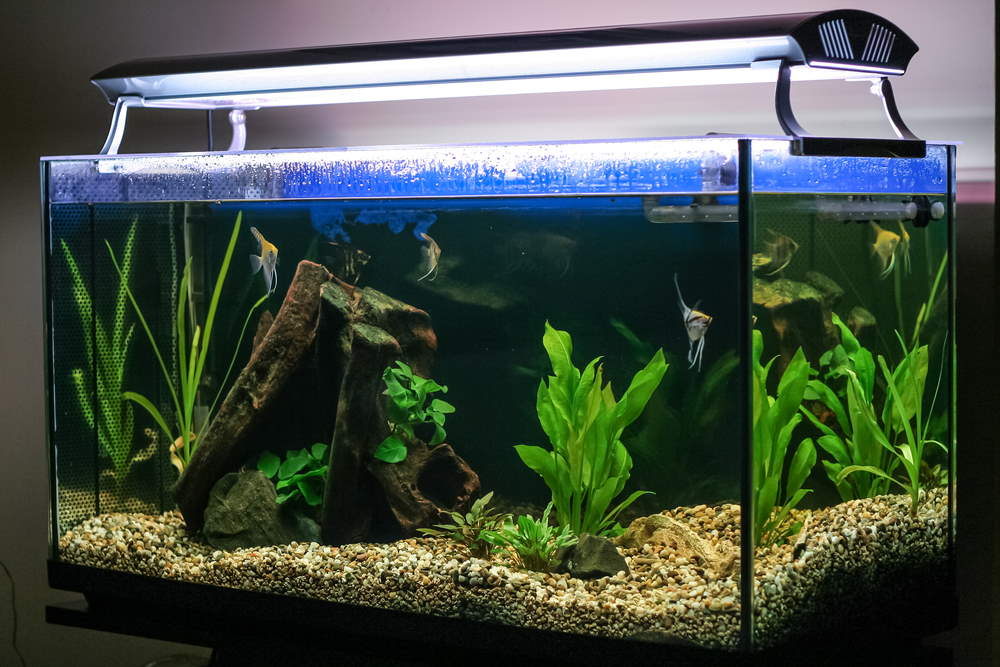
Effective monitoring and management of the cycling process are essential steps in establishing a healthy and stable planted aquarium. During this phase, careful observation of water parameters ensures that beneficial bacteria are thriving and that the environment is suitable for aquatic plants and future aquatic life. Proper management of filtration and aeration further supports optimal bacterial development, leading to a successful and safe setup.
Accurate testing of water parameters such as ammonia, nitrite, nitrate, and pH levels provides critical insights into how well the cycling process is progressing. Interpreting these results correctly allows aquarists to make informed adjustments, preventing harmful conditions that could jeopardize plant health or any future fish or invertebrate inhabitants. Maintaining a balance through proper filtration and aeration encourages efficient bacterial colonization and reduces potential issues such as oxygen depletion or toxic buildup.
Testing Water Parameters
Regular testing of water chemistry is vital to track the progress of the nitrogen cycle in a planted aquarium. This process involves using reliable test kits to measure ammonia, nitrite, nitrate, and pH levels at consistent intervals. These measurements help determine whether beneficial bacteria are effectively converting toxic substances into less harmful compounds, indicating a healthy and progressing cycle.
In early cycling stages, ammonia levels typically rise as organic matter decomposes. As bacterial populations establish, ammonia levels should gradually decrease while nitrite levels increase. When nitrite peaks and then declines, nitrate levels start to rise, signaling an advanced stage of cycling. Monitoring pH is equally important; stable pH levels around 6.5 to 7.5 support bacterial activity and overall water stability.
Interpreting Test Results
Understanding test outcomes is crucial for managing the cycling process effectively. During initial stages, high ammonia readings indicate ongoing decomposition of organic material. As bacteria colonize, ammonia levels should decrease, and nitrite levels will rise, reflecting the activity of nitrite-producing bacteria. A peak followed by a decline in nitrite levels suggests that bacteria capable of converting nitrite to nitrate are establishing themselves.
When ammonia and nitrite levels reach zero, and nitrate begins to accumulate, the cycle is progressing toward completion. However, if ammonia or nitrite persist at high levels, it may indicate insufficient bacterial colonization or issues with filtration. Conversely, very low pH levels can inhibit bacterial activity, necessitating adjustments to maintain a neutral or slightly alkaline environment.
Effective cycling occurs when ammonia and nitrite levels are zero, and nitrate levels are rising steadily, indicating a stable and mature biological filtration system.
Adjusting Filtration and Aeration
Optimizing filtration and aeration is essential to support bacterial growth and maintain water quality during cycling. Adequate filtration provides a surface for bacteria to colonize and removes debris that could release ammonia and other toxins. It is important to choose a filter rated for the tank size and ensure it operates continuously during cycling.
Enhanced aeration improves oxygen levels, which are vital for the metabolic processes of nitrifying bacteria. Using air stones, sponge filters, or increasing flow rates can help maintain high dissolved oxygen levels, especially during peak bacterial activity phases when ammonia and nitrite levels are high. Proper oxygenation not only supports bacterial colonization but also prevents oxygen depletion, which could slow down or halt the cycling process.
Monitoring flow rates ensures that water is circulated effectively without creating excessive turbulence that might disturb bacterial colonies or plants. Regular maintenance of filtration media and ensuring unobstructed flow contribute to a healthy environment conducive to rapid and stable bacterial development.
Incorporating Plants During the Cycling Phase
Introducing aquatic plants early into the cycling process can significantly enhance the establishment of a healthy, balanced aquarium environment. During the initial stages of cycling, biological activity is minimal, and ammonia levels tend to rise due to fish or other organic matter. Including hardy plants at this stage can assist in mitigating these ammonia spikes, creating a more stable environment for future aquatic life.
This approach not only supports the development of beneficial bacteria but also promotes a more natural and resilient ecosystem within the tank.Aquatic plants actively participate in the nitrogen cycle by absorbing ammonia, nitrites, and nitrates, which are common byproducts in the cycling process. Their presence helps reduce toxic substances in the water, leading to decreased stress for any future fish or invertebrates introduced later.
Moreover, plants contribute oxygenation and provide habitats for beneficial microorganisms, further aiding in establishing a balanced biological filtration system. Incorporating plants during cycling is a proactive strategy that can lead to a healthier, more robust setup, minimizing the need for frequent water changes and adjustments.
Best Practices for Planting Aquatic Plants Early in the Cycle
When integrating aquatic plants into a new setup during the cycling phase, it is important to follow certain best practices to ensure their health and to maximize their beneficial effects on the nitrogen cycle. Firstly, select hardy, adaptable plant species that can tolerate unstable water parameters and low light conditions typically present during the early cycling period. Proper planting techniques involve anchoring the plants securely in substrate or using appropriate planting tools to prevent disturbance during water movement.It is advisable to introduce plants gradually to avoid overwhelming the new tank environment.
Rinse plants thoroughly prior to planting to remove any debris or pests, and ensure they are free from diseases. It is also beneficial to monitor water parameters regularly to confirm that the plants are adapting well without causing sudden shifts in ammonia or nitrate levels. Using nutrient supplements sparingly can support plant growth, but the primary focus should be on maintaining stable conditions conducive to both plants and beneficial bacteria.
Suitable Hardy Plants for New Setups
In the early stages of cycling, choosing hardy aquatic plants that can withstand fluctuating water quality is essential. These plants typically have a high tolerance for low light, varying nutrient levels, and unstable parameters. Below is a list of some of the most resilient plants suitable for new aquarium setups during cycling:
| Plant Name | Description | Key Benefits |
|---|---|---|
| Anubias Nana | A slow-growing, low-maintenance plant with broad, dark green leaves. Prefers shaded areas and attaches easily to decorations or rocks. | Excellent for stabilizing water and absorbing excess nutrients, tolerates low light and poor water quality. |
| Java Fern (Microsorum pteropus) | Hardy fern that attaches to wood or rocks, requiring minimal care and thriving in various water conditions. | Acts as a natural filter, absorbing nitrates and providing oxygenation with minimal care requirements. |
| Vallisneria Spiralis | A grass-like plant that quickly establishes itself in the substrate, forming dense foliage. | Helps reduce ammonia and nitrates, stabilizes substrate, and provides cover for microfauna. |
| Cryptocoryne Wendtii | A versatile, hardy plant that adapts well to different water parameters, with a range of leaf colors. | Contributes to nutrient absorption and adds aesthetic diversity to the tank. |
| Amazon Sword (Echinodorus bleheri) | Larger, robust plant with broad leaves, suitable for moderate to high light conditions. | Absorbs excess nutrients effectively and provides a natural environment for beneficial bacteria. |
Note: Prioritize plants that are known for their resilience in fluctuating conditions to maximize their benefits during the initial cycling phase.
Troubleshooting Common Cycling Issues
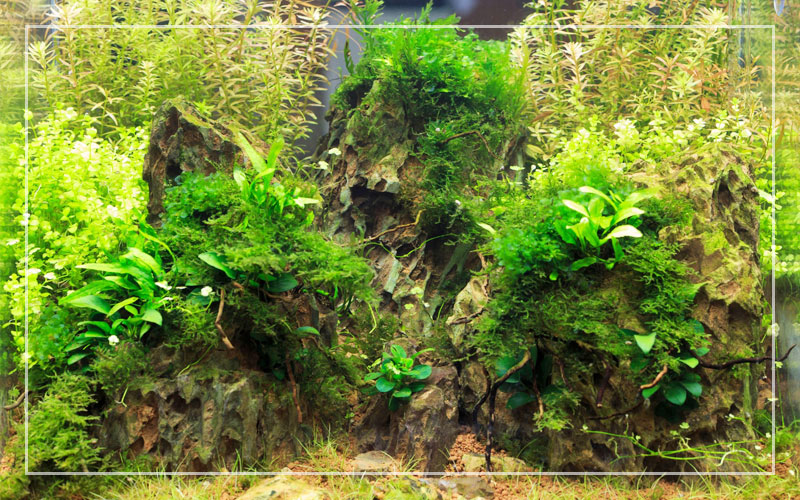
Maintaining a healthy aquarium environment during the cycling process is crucial for the well-being of your aquatic life and the success of your planted setup. While the cycling phase is essential, it can sometimes present challenges that require attention and intervention. Recognizing these common issues early and understanding how to address them can ensure your aquarium reaches a stable, mature state efficiently and safely.Cycling issues often stem from imbalances in biological processes or environmental parameters.
These problems can delay the establishment of beneficial bacteria, cause harmful ammonia or nitrite spikes, or lead to prolonged cycling periods. Addressing these issues promptly helps prevent stress or harm to the plants and any aquatic inhabitants planned for your tank.
Ammonia Spikes and Elevated Nitrite Levels
One of the most frequent problems encountered during cycling is a sudden increase in ammonia levels, often accompanied by elevated nitrite concentrations. These spikes occur when the biological filtration has not yet fully developed to convert toxic waste products effectively, risking harm to aquatic life and plants if not managed properly.To resolve ammonia and nitrite spikes, it is essential to implement targeted actions:
- Regular Water Changes: Perform partial water replacements—typically 25-50%—to dilute accumulated toxins, reducing their concentration and providing a safer environment for beneficial bacteria and plants.
- Bacteria Supplements: Use commercial bacterial additives containing nitrifying bacteria to expedite the establishment of the nitrogen cycle. These supplements introduce essential bacteria directly, reducing the waiting time for natural colonization.
- Monitoring and Adjustment: Use test kits regularly to measure ammonia, nitrite, and nitrate levels. Adjust feeding routines and avoid overstocking to minimize waste production that fuels spikes.
Consistent testing and timely water changes are vital strategies to keep ammonia and nitrite levels within safe ranges during cycling.
Prolonged Cycling Duration
Extended cycling periods, where the tank remains in a state of elevated toxins for weeks, can hinder progress and delay the readiness for adding fish or more plants. This issue often indicates insufficient bacteria colonization or suboptimal environmental conditions.To address prolonged cycling:
- Enhance Bacterial Colonization: Continue using bacterial supplements, and ensure the tank receives proper aeration and stable temperature conditions, as these promote bacterial growth.
- Optimize Environmental Parameters: Maintain appropriate pH levels (around 7.0 to 8.0) and avoid sudden fluctuations to support microbial activity.
- Limit Waste Production: Avoid overfeeding and overstocking, which can overwhelm the developing biological filter, prolonging the cycle.
Patience, combined with proper management techniques, helps ensure the biological filter matures fully and the cycling process completes efficiently.
Signs Indicating the Cycle is Complete
Recognizing when your aquarium has successfully completed the cycling process is critical for a safe transition to adding fish and plants. The key indicators include stable water parameters and the presence of mature beneficial bacteria.The main signs include:
- Ammonia and Nitrite at Zero: Both toxic compounds should return to undetectable levels for at least 24-48 hours, indicating successful biological filtration.
- Nitrate Presence: A consistent, manageable level of nitrate (typically below 20-40 ppm) suggests ongoing biological activity and readiness for inhabitants.
- Stable Test Results: Regular testing over a week shows no significant fluctuations in ammonia or nitrite levels, confirming the maturation of the nitrogen cycle.
- Healthy Biological Filter: The biological media should be colonized with a healthy bacterial biofilm, visible as slight coloration or biofilm growth on surfaces.
Patience and diligent testing are essential to accurately determine when the cycling process has successfully concluded, ensuring a safe environment for your aquarium’s inhabitants.
Post-Cycle Maintenance for a Healthy Planted Aquarium
Maintaining a thriving, healthy planted aquarium after completing the cycling process is essential to ensure the long-term stability and vitality of both your aquatic plants and beneficial bacteria populations. Proper post-cycle maintenance helps prevent common issues such as algae overgrowth, nutrient imbalances, and bacterial decline, creating an optimal environment for your aquatic ecosystem to flourish. Regular upkeep fosters a balanced, resilient aquarium that supports vibrant plant growth and clear water quality.Effective post-cycle maintenance involves routine water testing, timely plant trimming, algae control, and mindful management of biological filtration.
Establishing consistent habits not only sustains the beneficial bacteria populations but also minimizes the risk of setbacks that could compromise your aquarium’s health. Adopting a structured maintenance approach ensures your planted setup remains stable, visually appealing, and biologically balanced over time.
Routine Tasks for Maintaining a Healthy Aquarium
Maintaining a stable and balanced planted aquarium requires consistent attention to several key tasks. Regular water testing helps monitor parameters such as ammonia, nitrite, nitrate, pH, and phosphate levels, providing vital insights into the health of your system. Trimming aquatic plants prevents overgrowth that can block light, impede water flow, and contribute to nutrient imbalances, while also encouraging healthy, bushy growth.
Algae control is crucial as excess nutrients and light can lead to unwanted algae blooms, which compete with plants for resources and diminish water clarity.In addition to these core activities, observing fish behavior, cleaning substrate, and checking filtration systems regularly contribute to an optimal environment. These tasks create a stable habitat that supports the growth of beneficial bacteria, which are essential for biological filtration and maintaining water quality.
Maintenance Schedule
A well-structured maintenance schedule ensures all essential tasks are performed systematically, promoting ongoing system stability and health. Below is a recommended weekly and monthly schedule for post-cycle aquarium care:
| Frequency | Tasks |
|---|---|
| Weekly |
|
| Monthly |
|
Sustaining Beneficial Bacteria Populations
Beneficial bacteria play a vital role in converting toxic ammonia and nitrite into less harmful nitrate, maintaining water quality and supporting plant health. After cycling, it is crucial to sustain these microbial colonies to prevent fluctuations in water parameters that can harm aquatic life or promote unwanted algae.To support bacteria populations:
- Avoid drastic or frequent water changes that can wash away established colonies unless necessary for water quality issues.
- Maintain consistent water temperature similar to the cycling phase, as bacteria are sensitive to temperature fluctuations.
- Use biological supplements or bacterial inoculants periodically, especially after cleaning or substrate disturbance, to replenish and boost bacterial colonies.
- Minimize the use of antibiotics or chemical treatments that can inadvertently kill beneficial bacteria.
- Ensure adequate surface area in filter media and substrate where bacteria can colonize, providing ample support for their growth.
- Incorporate live plants effectively, as their roots and leaves offer additional surfaces for bacteria to thrive and contribute to nutrient cycling.
Maintaining a stable environment and avoiding sudden changes are the keys to preserving a healthy bacterial population, which is fundamental for biological filtration and overall aquarium stability.
Last Recap
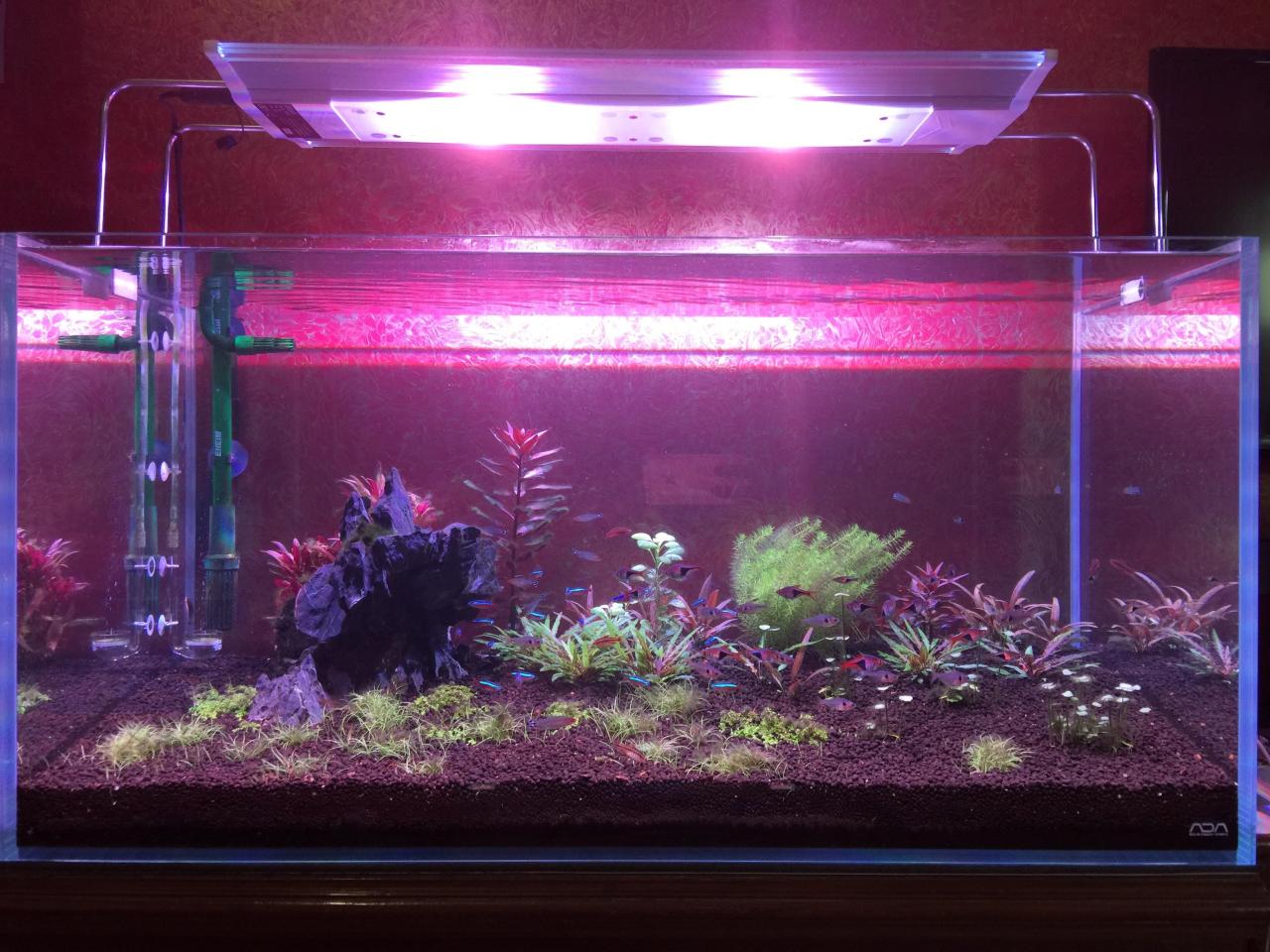
In summary, mastering how to cycle an aquarium for a planted setup is essential for creating a healthy and sustainable aquatic environment. Proper preparation, diligent monitoring, and timely troubleshooting ensure your tank is ready for plants and fish alike. With patience and care, your aquarium will flourish into a beautiful, balanced ecosystem that provides enjoyment and ecological stability for years to come.