Discover effective techniques to enhance the perceived depth of your aquarium using aquatic plants. Creating a sense of dimension not only adds visual interest but also mimics natural underwater environments, making your aquatic setup more captivating and realistic. By strategically selecting and arranging plants, you can craft an immersive underwater landscape that draws viewers into a three-dimensional scene.
This guide covers essential aspects such as plant selection, layout planning, planting methods, and the integration of complementary elements. Whether you are a beginner or an experienced aquascaper, understanding how to manipulate plant height, color, and layering will significantly improve the depth and overall aesthetic of your aquarium.
Introduction to Creating Aquarium Depth with Plants
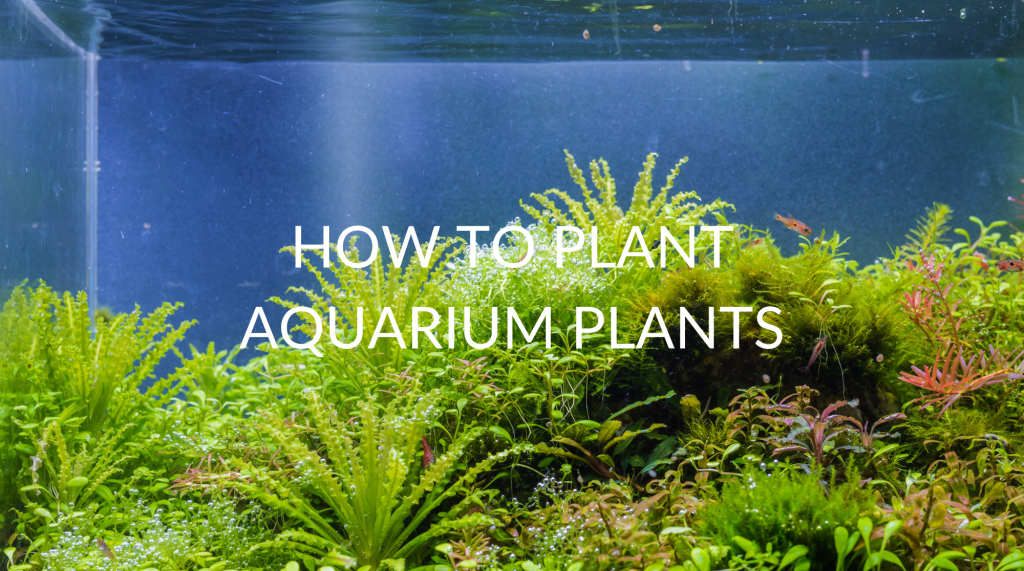
Achieving a sense of depth within an aquarium is a fundamental aspect of creating a compelling and realistic aquascape. Visual depth enhances the perception of space, making the aquarium appear larger and more immersive. Plants play a pivotal role in this process by contributing layers, contrasts, and dimensionality that guide the viewer’s eye through the scene.
In aquascaping, strategic plant placement and variety are essential techniques used to craft the illusion of depth. By varying plant heights, colors, and layering, aquarists can simulate natural landscapes or create stylized underwater worlds that captivate and engage viewers. Understanding how to utilize these elements effectively allows for the creation of stunning, professional-looking aquariums that evoke a three-dimensional environment within a two-dimensional glass container.
Role of Plant Height in Creating Perceived Depth
Plant height variation is fundamental to establishing depth in an aquarium setting. Taller plants are typically positioned at the back or center of the layout, serving as a visual backdrop. These plants anchor the scene and provide a sense of distance, mimicking natural perspective. Conversely, shorter plants are placed toward the front or along the edges, creating a sense of proximity to the viewer.
This height differentiation guides the viewer’s eye from foreground to background, establishing a layered visual experience. For example, in a densely planted aquascape, species like Vallisneria or Hygrophila can grow tall at the rear, while foreground species such as Dwarf Baby Tears or carpeting plants occupy the front, emphasizing spatial depth.
Color Variations and Their Impact on Depth Perception
Color contrast is another key factor in enhancing the perception of depth. Cooler colors, such as shades of green and blue, tend to recede visually, creating an illusion of distance. Warm colors, like reds and oranges, appear closer to the viewer and can be strategically used to highlight focal points or the foreground.
Utilizing a variety of plant colors, including variegated foliage or vibrant stem plants, adds vibrancy and contrast that delineates different spatial layers. For instance, a backdrop of lush green plants contrasted with foreground red Ludwigia or bright Alternanthera can produce a dynamic sense of depth, emphasizing the foreground and background layers distinctly.
Layering and Plant Arrangement for Three-Dimensional Effect
Layering is a technique that involves arranging plants at different heights and densities to mimic natural stratification. This approach creates a three-dimensional effect, where each layer adds visual interest and complexity. Proper layering involves placing taller, bushier plants at the back, mid-sized plants in the middle ground, and low-growing or carpeting plants in the foreground.
In addition to height, varying leaf shapes, textures, and colors contribute to layered depth. Combining fine-leaved plants with broader-leaved species enhances the spatial separation. For example, using tall stem plants like Rotala behind low-growing carpeting plants like Hemianthus callitrichoides accentuates the layered, three-dimensional space within the aquarium.
Effective depth creation in aquascaping relies on the harmonious interplay of plant height, color, and layering—each element working together to craft a convincing illusion of space.
Selecting Appropriate Aquatic Plants for Depth
Creating a realistic sense of depth in an aquarium requires careful selection of aquatic plants that occupy specific spatial zones within the tank. The right combination of foreground, midground, and background plants not only enhances visual appeal but also promotes a healthier environment for aquatic life. Selecting plants based on their growth habits, size, and coloration ensures a cohesive and dynamic aquascape that mimics natural underwater landscapes.
Understanding the characteristics of various aquatic plants helps hobbyists design more compelling and balanced aquariums. By choosing plants tailored to each layer’s requirements, you can achieve a harmonious depth effect that draws the viewer’s eye from front to back, creating a sense of immersion and realism.
Suitable Plants for Different Aquarium Layers
Accurately placing aquatic plants according to their growth patterns and visual impact is essential for depth creation. Foreground plants are typically low-growing and spread across the front of the tank, providing a base that accentuates the foreground. Midground plants are taller and help bridge the gap between foreground and background, adding layers of dimension. Background plants are generally tall, bushy, or stemmed, forming the backdrop that enhances the perception of depth and scale within the aquarium.
| Plant Type | Characteristics | Ideal Placement | Color & Growth Habit |
|---|---|---|---|
| Java Moss (Taxiphyllum barbieri) | Slow-growing, dense, moss-like appearance | Foreground or midground | Bright green, bushy texture; spreads horizontally |
| Rotala rotundifolia | Fast-growing, stems with small round leaves | Midground | Vivid red or green, tall and slender |
| Anubias nana | Slow-growing, hardy, broad-leafed | Foreground or midground attached to decor | Dark green, compact, low-growing |
| Vallisneria spiralis | Long, ribbon-like leaves, rapid growth | Background | Bright green, tall and flowing |
| Rotala indica | Elegant, slender stems with small leaves | Midground or background | Red to green hues, vertical growth |
| Amazon Sword (Echinodorus amazonicus) | Large, broad leaves, slow to moderate growth | Background | Deep green, broad foliage |
Note: Combining plants with contrasting growth habits and colors enhances the perception of depth, creating a layered and vibrant aquascape.
Planning the Layout for Depth Effect

Creating a sense of depth within an aquarium involves meticulous planning and a strategic approach to plant placement and overall layout design. This phase is crucial in establishing a realistic and visually appealing aquascape that draws the viewer’s eye into the scene, mimicking natural underwater landscapes.
Effective planning begins with envisioning the final composition, considering the size of the tank, lighting conditions, and the types of plants available. A well-thought-out layout enhances the visual perception of depth, making the aquarium appear larger and more dynamic while providing a natural habitat for aquatic life.
Sketching and Planning the Aquascape Layout
Start by sketching a simple Artikel of your aquarium on paper or digitally, focusing on the placement of major elements such as rocks, driftwood, and plants. Use this sketch as a roadmap to experiment with different arrangements before committing to planting. Consider the tank’s dimensions to maintain proportion and balance.
Divide the layout into three visual zones: foreground, midground, and background. Each zone plays a specific role in creating depth:
- The foreground contains low-growing plants or carpeting species that create a clear front edge.
- The midground features medium-height plants that serve as a transition zone, providing middle visual interest.
- The background is reserved for tall, bushy plants or those with vertical growth, anchoring the scene and providing height.
Employing perspective techniques, such as gradually decreasing plant size from the foreground to the background, helps reinforce depth perception. Larger, more detailed plants in the front gradually give way to smaller, less detailed species in the back, mimicking how objects appear at varying distances in natural environments.
Arranging Plants to Enhance Depth Perception
The arrangement of aquatic plants should prioritize creating a sense of perspective, guiding the viewer’s eye naturally from the front to the back of the tank. This can be achieved by varying plant height, texture, and color, as well as strategic placement.
Plants with fine, delicate foliage, such as dwarf hairgrass or carpet plants, are ideal for the foreground, creating a crisp visual edge. Midground plants, like Cryptocoryne or Anubias, should have moderate height and density to serve as transitional elements. Background plants, such as Vallisneria or tall stem plants, should be placed at the rear, providing a backdrop that adds depth and volume.
In addition to plant selection, consider the use of elements like rocks or driftwood positioned to create overlapping layers, further emphasizing depth. Placing taller plants slightly off-center or in clusters can add dimension and avoid a flat appearance.
For example, an aquascape layout might feature low carpeting plants in the front corners, with mid-sized plants forming a middle layer along the center, and tall background plants framing the scene at the back edges. This arrangement guides the viewer’s gaze through the scene, creating an immersive and three-dimensional effect.
Ultimately, deliberate planning and mindful placement of plants, paired with perspective techniques, will result in a visually captivating aquascape with realistic depth that elevates the overall aesthetic of the aquarium.
Maintenance and Growth Considerations
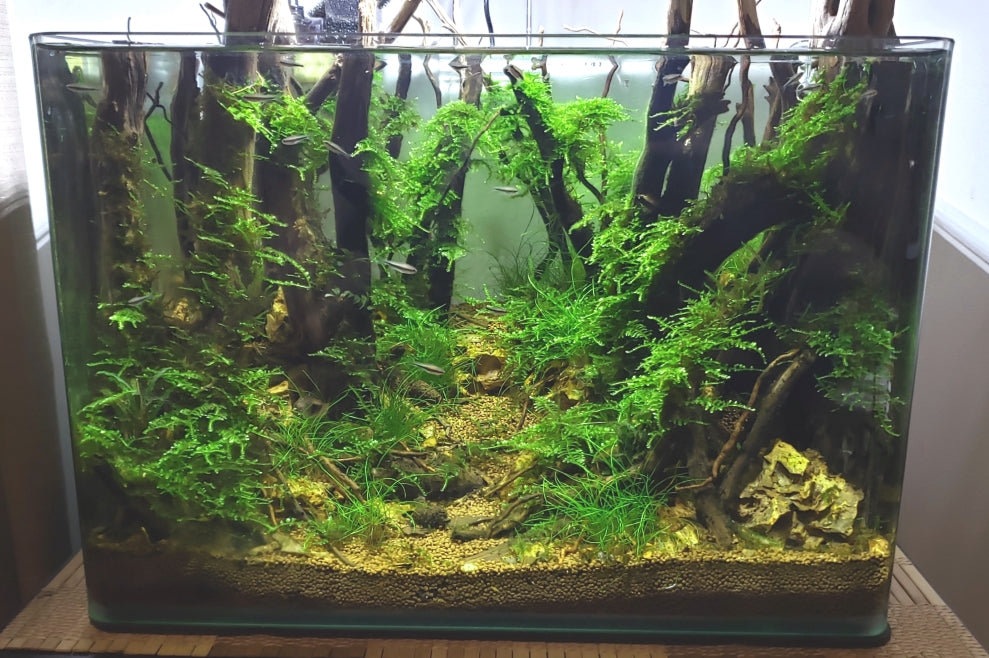
Creating an aquarium with a layered depth effect requires ongoing attention to plant health and growth patterns. Proper maintenance ensures that the visual illusion of depth remains vibrant and appealing over time. Understanding how plants grow and adapt within the aquatic environment is essential for preserving the intended aesthetic and ensuring the health of your aquatic ecosystem.Maintaining the layered appearance involves regular pruning and trimming to control plant height, density, and overall form.
As aquatic plants grow, they tend to expand both vertically and horizontally, which can unintentionally diminish the depth perception if not managed properly. It is important to establish a routine that encourages plants to grow in a way that enhances the layered effect rather than undermines it.Plant growth patterns significantly influence the perceived depth in an aquarium. Some plants, such as Vallisneria or Amazon swords, tend to grow tall and fast, potentially overshadowing midground and foreground species if left unchecked.
Conversely, slower-growing plants like Java moss or Anubias provide a stable foundation that can be shaped to maintain the intended layout. Monitoring these patterns allows for strategic pruning to keep taller plants in the background and shorter ones in the foreground, sustaining the illusion of depth as the plants mature.
Pruning and Trimming Guidelines
Effective pruning is crucial for maintaining the layered effect, as it prevents plants from becoming overgrown and disrupting the visual hierarchy. The following guidelines help achieve consistent and healthy growth:
- Prune with sharp, clean tools to avoid damaging plant tissues and reduce the risk of infection.
- Remove dead or yellowing leaves promptly to promote healthy growth and prevent decay from affecting surrounding plants.
- Trim taller plants at the base to encourage bushier growth and prevent them from overshadowing shorter species.
- Cut back overly dense areas to improve light penetration and water circulation, which benefits overall plant health.
Regular trimming maintains the structural integrity of the layered layout, ensuring each plant contributes to the perceived depth without encroaching on neighboring layers.
Managing Plant Height and Density
To preserve the depth effect, controlling plant height and density is essential. Different species have varying growth habits, and managing these over time affects the overall visual balance of the aquarium.Organizational methods for managing plant height and density include:
- Strategic placement of slow-growing, short plants in the foreground to create a stable base for the depth illusion.
- Using taller, faster-growing plants in the background to add vertical interest without overwhelming the scene.
- Adjusting lighting intensity and duration to influence growth rates, encouraging shorter stature in certain species if needed.
- Employing plant supports or trimming methods to keep growth contained within desired limits, preventing plants from encroaching into other layers.
Monitoring growth regularly and making precise adjustments ensures that the spatial arrangement remains true to the designed depth effect. Additionally, varying plant density across different layers enhances the three-dimensional appearance, creating a more natural and compelling underwater landscape.
Consistent maintenance and understanding growth behaviors are key to sustaining an aquarium’s layered depth, allowing it to remain a captivating focal point in any aquatic setting.
Troubleshooting Common Issues in Depth Creation
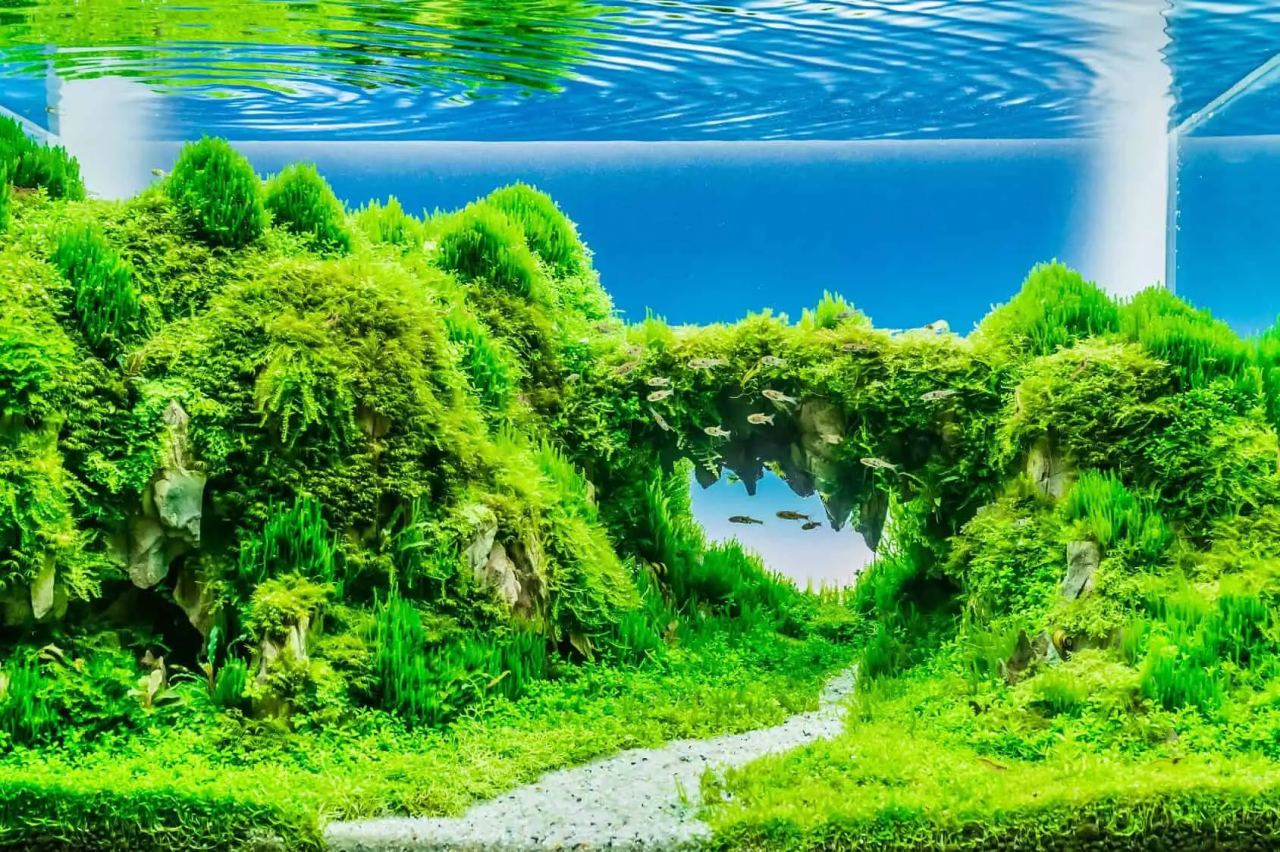
Creating a sense of depth in an aquarium using plants can significantly enhance its visual appeal, but various challenges may arise that compromise the intended effect. Understanding these common issues and their solutions is essential for maintaining a balanced, natural-looking aquatic environment that consistently showcases impressive depth.When designing and maintaining aquarium plant layouts, it is common to encounter problems such as overcrowding, uneven growth, or layout imbalances that diminish the perception of depth.
Addressing these issues promptly ensures the preservation of the aesthetic appeal and functional health of the aquatic ecosystem.
Overcrowding and Space Constraints Affecting Depth
Overcrowding occurs when too many plants are inserted into a limited space, leading to competition for nutrients, inadequate light penetration, and an overall cluttered appearance that reduces the perception of depth. An overcrowded layout can make the aquarium appear flat or chaotic, undermining the intended layered effect.To remedy overcrowding:
- Remove or prune excessive plants that are competing for light and nutrients, especially those in the foreground or midground.
- Introduce plants with different growth rates and sizes to create a more natural, layered appearance without overcrowding.
- Reassess the spatial arrangement, ensuring foreground plants are smaller, midground plants are of moderate height, and background plants are taller, thus preserving the depth illusion.
Regular pruning and thoughtful plant selection are vital to prevent future overcrowding, enabling each layer to stand out distinctly.
Uneven Growth Patterns Disrupting Visual Balance
Uneven growth occurs when certain plants grow faster or taller than others, resulting in irregularities that distort the visual depth. For example, rapid vertical growth of midground plants can overshadow background plants, flattening the perceived depth and creating an imbalance.Strategies to correct uneven growth:
- Implement consistent pruning schedules to control the height and density of fast-growing species.
- Choose plant species with similar growth characteristics to maintain uniformity in each depth layer.
- Adjust lighting and fertilization to promote balanced growth across all plant types, ensuring that no single group dominates visually.
Monitoring growth patterns regularly helps maintain the harmonious layered effect that enhances depth perception.
Maintaining Depth Effect Through Regular Maintenance
Sustaining the visual depth in an aquarium over time requires disciplined maintenance routines tailored to uphold the layout’s integrity. Neglecting routine care can lead to plant overgrowth, decay, or imbalance, which diminishes depth perception.Key maintenance routines include:
- Consistent pruning to keep plants within their designated layers and prevent overgrowth that can obscure depth cues.
- Monitoring nutrient levels and adjusting fertilization to support healthy, balanced growth across all layers.
- Performing partial water changes regularly to reduce debris and algae that can obscure visual layers.
- Controlling algae with appropriate lighting management and biological supplements, ensuring plants remain the focal point for depth creation.
Adhering to these routines ensures that each layer maintains its clarity and prominence, preserving the three-dimensional illusion that makes the aquarium captivating.
Effective troubleshooting and diligent maintenance are the keystones to sustaining a vibrant, deep-appearing aquascape that draws viewers into its layered landscape.
Last Recap
Mastering the art of creating depth with aquatic plants transforms a simple aquarium into a vibrant, dynamic underwater scene. With thoughtful planning and precise maintenance, your aquatic landscape will maintain its illusion of depth over time, providing a stunning display for all to enjoy. Continued experimentation and careful adjustments will ensure your aquascape remains lively and visually engaging for years to come.