Understanding how to successfully transition emersed to submerged plants is essential for maintaining vibrant and healthy aquatic environments. This process involves careful planning, environmental adjustments, and attentive monitoring to ensure plants adapt seamlessly from their emersed state to full submersion.
Such transitions are often necessary when establishing or upgrading aquariums, and mastering the techniques can prevent common issues like plant stress or disease. With proper preparation and management, aquatic plants can thrive underwater, enriching the ecosystem and aesthetic appeal of your aquatic setup.
Overview of Transitioning Plants from Emersed to Submerged Growth
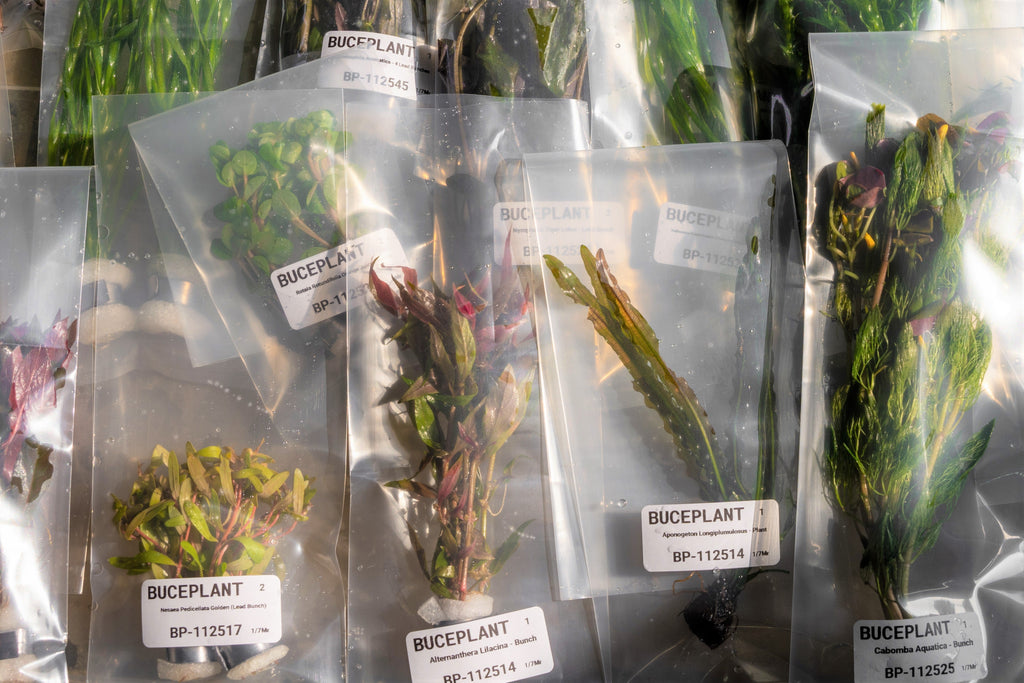
The process of transitioning aquatic plants from their emersed (above water) to submerged (underwater) growth forms involves significant biological adaptations. Understanding these differences is essential for successful cultivation in aquariums and pond environments, especially when aiming to maintain healthy, vibrant plant life that mimics natural habitats.
Emersed plants grow with parts above water, developing adaptations such as air-filled tissues and modified leaf structures to cope with aerial conditions. Conversely, submerged plants are entirely underwater, requiring specific traits like flexible leaves and specialized root systems to survive in aquatic environments. Recognizing these distinctions helps aquarists facilitate smooth transitions, ensuring plant health and growth continuity.
Biological Differences Between Emersed and Submerged Plant States and Their Significance
The structural and physiological differences between emersed and submerged plant states are fundamental to understanding their growth requirements and responses to environmental changes. Emersed plants tend to have broader, more rigid leaves adapted for air exposure, with stomata that facilitate gas exchange in the atmosphere. These plants often develop aerial roots and thicker stems to support above-water stability.
In contrast, submerged plants feature thinner, more flexible leaves with fewer stomata, optimized for oxygen absorption directly from water. Their roots are typically delicate, often used primarily for anchoring rather than nutrient acquisition. These adaptations are crucial for survival in aquatic settings, where water chemistry, light penetration, and oxygen levels differ significantly from terrestrial or emersed conditions.
Comparison Chart of Emersed and Submerged Plant Traits
| Trait | Emersed Plants | Submerged Plants |
|---|---|---|
| Leaf Structure | Broader, thicker, often leathery leaves with stomata for gas exchange in air | Thinner, more flexible leaves with reduced or no stomata, adapted for water |
| Root System | Aerial roots or thick underground roots for stability and nutrient uptake from soil or air | Delicate, fine roots primarily for anchoring; absorb nutrients directly from water |
| Gas Exchange | Primarily via stomata on aerial leaves | Directly through submerged leaves and tissues; relies on diffusion in water |
| Stomata Presence | Present on aerial parts, facilitating gas exchange in air | Absent or non-functional in submerged tissues |
| Growth Rate | Generally slower in water due to adaptation to aerial conditions | Typically faster, optimized for aquatic environments with abundant water nutrients |
Common Reasons for Transitioning Plants from Emersed to Submerged Environments in Aquariums
Transitioning plants from emersed to submerged growth is often necessary to establish a balanced aquatic ecosystem or to replicate natural habitats within an aquarium setting. The following factors influence this process:
- Enhancing Aquascape Aesthetics: Submerged plants contribute to a lush, natural appearance, creating a vibrant underwater landscape that mimics natural aquatic habitats.
- Improving Oxygenation: Many submerged plants are efficient oxygen producers, vital for maintaining healthy fish and invertebrate populations.
- Facilitating Nutrient Uptake: Transitioning plants into submerged environments enables direct absorption of nutrients from water, promoting vigorous growth.
- Supporting Ecosystem Stability: Properly transitioned plants can help control algae growth, stabilize substrate, and improve water quality by competing with algae for nutrients.
- Propagation and Growth Optimization: Some plant species naturally grow better underwater and require transitioning from emersed forms for optimal development and reproduction.
The transition process involves gradually adapting plants to submerged conditions, ensuring physiological changes occur smoothly without stressing or damaging the plants. This often includes controlling light, CO2 levels, and water parameters, alongside careful handling to promote healthy growth.
Preparing Plants for Transition
Effectively transitioning emersed aquatic plants to submerged growth requires meticulous preparation to ensure plant health and successful adaptation. Selecting the right specimens and gradually acclimating them to submerged conditions are critical steps that set the foundation for thriving aquatic ecosystems. Proper preparation minimizes stress, prevents loss of plant vitality, and promotes a smooth transition process.
By following a structured approach to plant selection and acclimation, hobbyists and professionals can optimize their aquatic environments, ensuring plants adapt seamlessly to submerged growth while maintaining their aesthetic and ecological functions.
Selecting Healthy Emersed Plants Suitable for Submersion
Choosing the right plants is essential for a successful transition. Not all emersed plants are equally suited for submersion, so it is important to evaluate their health, species characteristics, and adaptability before initiating the process. This selection ensures the plants possess the vigor to withstand environmental changes and reduces the risk of dieback or disease during transition.
The following steps offer a systematic approach to identify and select optimal plants for submersion:
- Assess Plant Health: Examine each plant for robust stems, healthy leaves, and a vigorous root system. Avoid plants with signs of disease, pests, or decay.
- Identify Suitable Species: Focus on species documented to tolerate submersion, such as Anubias, Java Fern, or Vallisneria, which are known for their adaptability and resilience in submerged environments.
- Check for Root Development: Select plants with well-developed root systems that can anchor effectively underwater and absorb nutrients efficiently.
- Inspect for Damage or Stress: Avoid plants with physical damage, yellowing leaves, or signs of prior stress, as these factors can hinder adaptation and recovery.
Gradual Acclimation Methods for Plants
Gradual acclimation is vital to allow plants to adjust their physiological processes to submerged conditions without undue stress. An abrupt transition can lead to leaf drop, root rot, or overall plant decline. A phased approach helps plants adapt more naturally to their new environment, promoting long-term health and stability.
The recommended methods for acclimating emersed plants to submerged growth include the following procedures:
- Water Level Increment: Begin by lowering the water level gradually over 1-2 weeks, reducing exposure to air while ensuring that roots and lower stems are submerged. For example, reduce water height by about 2-3 cm every few days, monitoring plant response.
- Adjust Water Parameters: Use dechlorinated, nutrient-rich water, gradually increasing nutrient concentrations to match submerged conditions. Maintain stable pH, temperature, and dissolved oxygen levels to prevent stress.
- Monitor Light Exposure: Initially, reduce light intensity or duration to avoid shock, then incrementally increase light exposure as plants adapt.
- Maintain Consistent Conditions: Keep environmental factors such as temperature, water flow, and substrate conditions stable throughout the acclimation period to facilitate healthy transition.
Checklist for Optimal Substrate, Lighting, and Water Parameters
Creating an ideal environment is crucial for supporting plant adaptation during the transition. Ensuring the correct substrate, appropriate lighting, and optimal water parameters can significantly enhance success rates.
Substrate: Use nutrient-rich, fine-grain substrates like laterite or specialized aquatic plant soil to provide essential nutrients and anchorage for roots. Avoid coarse or inert substrates that lack nutrient content.
- Ensure the substrate depth is sufficient—at least 3-5 cm—to support root development.
- Maintain good substrate drainage to prevent waterlogging and root rot.
Lighting: Provide moderate to high-intensity lighting suitable for aquatic plants, generally around 0.5 to 1.5 watts per liter, or 8-12 hours of light daily. Use full-spectrum LED or fluorescent lights designed for aquariums to promote healthy photosynthesis.
- Adjust light duration and intensity based on plant species and growth stage.
- Avoid excessive lighting that can promote algae growth or stress plants.
Water Parameters: Maintain water temperature between 22-28°C (72-82°F), pH levels around 6.5-7.5, and stable dissolved oxygen levels. Regularly test water quality to ensure parameters stay within optimal ranges.
- Perform weekly water changes of 10-20% to keep nutrient levels balanced.
- Use dechlorinated or conditioned water to prevent toxicity.
Consistent monitoring and adjustments based on plant response are essential for a smooth and successful transition from emersed to submerged growth, ensuring the health and longevity of aquatic plants in their new environment.
Techniques for Successful Transition
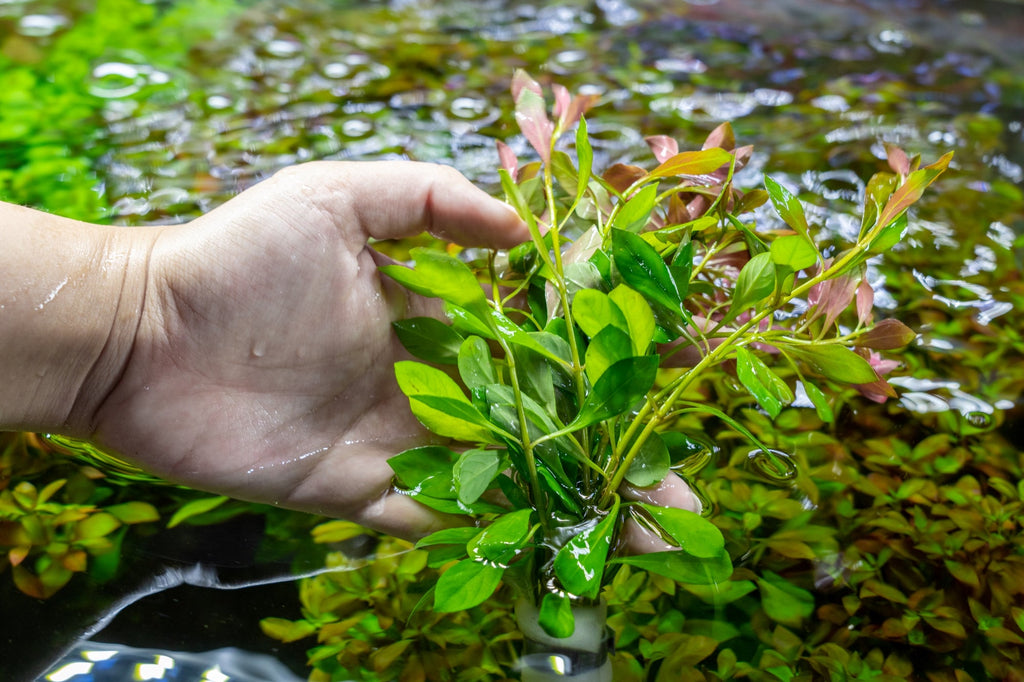
Transitioning plants from emersed to submerged growth is a delicate process that requires careful handling to minimize stress and ensure healthy adaptation. Proper techniques not only promote vigorous root development but also prevent common issues such as rot, algae overgrowth, and nutrient deficiencies. Employing precise procedures and water chemistry adjustments can significantly enhance the success rate of this transition, leading to healthier aquatic plants suited for submerged environments.During the transition, it is crucial to consider the physical handling of plants to prevent damage.
Gradual submersion, gentle support to avoid tearing or uprooting, and maintaining stable water movement are essential practices. Additionally, optimizing water chemistry—particularly dissolved oxygen levels, pH, and nutrient concentrations—creates conducive conditions for roots to develop underwater. Regular monitoring and adjustment of these parameters support the plant’s adaptation without overwhelming it with sudden changes.
Careful Submersion Procedures
Properly submerging plants involves a sequence of steps designed to reduce transplant shock and promote steady acclimatization. Begin by gradually lowering the plant’s elevation from emersed to submerged conditions over several days. This incremental approach allows the plant’s tissues to adjust gradually, reducing the risk of desiccation or trauma.Handle each plant gently during transfer, supporting the root zone with care to prevent tearing or damage to delicate roots.
Remove excess soil or substrate that might harbor pathogens, but avoid disturbing healthy root systems. When placing the plant into its new submerged environment, ensure that the roots are fully immersed, and the foliage is above water if necessary initially, before adjusting to complete submersion.
“Gentle handling and gradual transition are key to minimizing stress and ensuring successful adaptation of aquatic plants to submerged conditions.”
Encouraging Root Development through Water Chemistry
Optimizing water chemistry plays a vital role in fostering robust root growth during the transition. Water parameters such as dissolved oxygen, pH, and nutrient availability must be carefully managed to create an ideal environment for root establishment.To enhance root development, maintain high dissolved oxygen levels by using aeration devices or gentle water movement. Elevated oxygen levels prevent root rot, a common problem caused by hypoxic conditions.
Adjust the pH to an optimal range for aquatic plants, typically between 6.5 and 7.5, to facilitate nutrient uptake. Regularly test water parameters and make incremental adjustments as necessary to avoid sudden shifts that could stress the plants.Incorporating specific nutrients, like iron and potassium, supports healthy root growth. Using water-soluble fertilizers or root tabs can provide targeted nutrition directly to the roots.
It’s also beneficial to maintain a stable environment, avoiding fluctuations in temperature and light that could impede root development.
Preventing Common Issues During Transition
Effective strategies to prevent issues such as rot, algae overgrowth, and nutrient deficiencies are crucial during the transition process. Continuous monitoring and proactive management ensure plants adapt successfully without succumbing to preventable problems.Prevent root rot by ensuring adequate oxygenation of the water and avoiding overwatering or water stagnation. Use aeration systems or water circulation devices to maintain consistent oxygen levels.
To prevent algae overgrowth, regulate nutrient levels, especially nitrogen and phosphorus, and limit excess light exposure by controlling lighting duration and intensity. Introducing beneficial bacteria or biofilters can also help manage nutrient levels and inhibit algae proliferation.Addressing nutrient deficiencies involves providing a balanced nutrient profile tailored to submerged plants. Regularly supplement the water with micronutrients and macronutrients, following manufacturer recommendations for aquatic plant fertilizers.
Employing routine water changes and ensuring proper filtration further help maintain water quality and prevent the buildup of harmful substances.
Managing Environmental Factors During Transition
Transitioning plants from emersed to submerged environments necessitates careful management of environmental conditions to ensure healthy adaptation and growth. Precise control of water parameters, lighting, and supplementation systems plays a vital role in minimizing stress and promoting robust development of submerged plants.
Maintaining optimal environmental factors creates a stable habitat that supports physiological processes, enhances photosynthesis, and fosters strong root and stem growth. This phase requires an understanding of the specific needs of the plant species involved, as well as diligent monitoring and adjustments to water quality, illumination, and nutrient delivery systems.
Water Parameters for Healthy Submerged Plants
The foundation of successful plant transition begins with establishing suitable water conditions. Submerged plants thrive within certain ranges of temperature, pH, and hardness, which influence nutrient availability and overall plant health.
Ideal water parameters for submerged plant health are as follows:
- Temperature: 22°C to 28°C (72°F to 82°F). This range supports metabolic activities and enzymatic functions essential for growth. Temperatures below 20°C can slow growth, while temperatures above 30°C may induce stress or algae proliferation.
- pH: 6.5 to 7.5. Slightly acidic to neutral conditions facilitate nutrient uptake and prevent issues like nutrient lockout or algae outbreaks.
- Hardness: Soft to moderately hard water, with general hardness (GH) levels around 3-8 dGH. Proper hardness ensures the availability of essential minerals such as calcium and magnesium, which are crucial for cell wall development and overall vitality.
Lighting Setups to Promote Adaptation and Growth
Lighting plays a crucial role in driving photosynthesis and supporting the transition process. Proper illumination not only encourages healthy growth but also helps prevent etiolation and other stress-related responses.
Optimal lighting setups involve the following considerations:
- Intensity: Moderate to high light levels are beneficial, typically ranging from 0.5 to 1.5 watts per liter (about 20-70 lumens per liter). Using adjustable LED or fluorescent lighting allows fine-tuning based on plant response and growth stage.
- Duration: A photoperiod of 10-12 hours daily mimics natural conditions and supports steady growth. Longer periods can promote excessive algae growth, while shorter durations may hinder photosynthesis.
- Light Spectrum: Full-spectrum lighting that includes blue and red wavelengths enhances photosynthesis and encourages healthy stem and leaf development. Blue light (around 450 nm) supports vegetative growth, while red light (around 660 nm) promotes flowering and overall vigor.
CO₂ Supplementation, Fertilization, and Circulation Systems
Supplementing CO₂, providing appropriate fertilization, and ensuring water circulation are key strategies that support plant health during transition. These elements optimize nutrient absorption and prevent stagnation, which can lead to disease or poor growth.
Guidelines for these systems include:
- CO₂ Supplementation: Introducing CO₂ at a rate of 15-30 mg/L can significantly enhance photosynthesis and growth. Using a diffused CO₂ injection system ensures even distribution and minimizes fluctuations, creating a stable environment similar to natural aquatic habitats.
- Fertilization: Employing a comprehensive liquid fertilizer that supplies key macro- and micronutrients—such as nitrogen, phosphorus, potassium, iron, and trace elements—is essential. A balanced fertilization schedule, with weekly adjustments based on plant response, prevents deficiencies and excesses that could impair development.
- Circulation Systems: Installing gentle water pumps or air stones promotes circulation, preventing stagnation and ensuring uniform distribution of nutrients and CO₂. Proper flow reduces the risk of algae buildup and supports oxygen exchange, vital for root and microbial health.
Monitoring and Troubleshooting the Transition Process
Effective monitoring during the transition from emersed to submerged growth is vital to ensure plant health and successful adaptation. Identifying stress signs early allows for timely interventions, reducing the risk of plant loss and improving overall success rates. Continuous assessment of plant vitality during this delicate period helps maintain optimal conditions and address issues as they arise.
This section provides practical guidance on recognizing signs of plant stress or failure, methods for assessing root and leaf health, and a comprehensive troubleshooting guide to resolve common problems encountered during the transition process. Implementing these strategies ensures a more controlled and resilient transition, ultimately supporting healthy submerged plant growth.
Signs of Plant Stress or Failure and Mitigation Strategies
Recognizing early indicators of stress in transitioning plants is crucial. Stress signs can manifest in various ways, including discoloration, wilting, or abnormal growth patterns. Addressing these issues promptly can prevent complete plant failure and promote healthy adaptation.
Key stress indicators include yellowing or browning leaves, root rot, stunted growth, and excessive algae growth around the plants.
Common causes of stress include inadequate oxygen levels, improper nutrient balance, or sudden environmental fluctuations. Solutions involve adjusting water parameters, ensuring proper aeration, and maintaining stable lighting and temperature conditions. Regular monitoring helps identify these issues promptly and facilitates necessary corrective actions.
Assessing Root and Leaf Health Throughout Transition
Consistent evaluation of plant health is essential for detecting early signs of distress. Visual inspections should focus on root and leaf condition, as well as overall plant vigor. Healthy roots are firm, white or light-colored, and free of foul odors, while unhealthy roots may appear brown, soft, or slimy.
Leaf assessments involve checking for discoloration, spotting, or curling, which may indicate nutrient deficiencies or water quality issues. Utilizing tools such as pH meters, dissolved oxygen testers, and nutrient test kits can provide quantitative data to support visual assessments. Maintaining detailed observation records helps track progress and guides management decisions throughout the transition period.
Common Problems and Corrective Actions
| Problem | Symptoms | Corrective Action |
|---|---|---|
| Root rot or decay | Brown, soft, or foul-smelling roots | Reduce water temperature, improve aeration, and apply beneficial bacteria treatments to inhibit pathogen growth. Remove affected roots if necessary. |
| Yellowing or browning leaves | Discoloration, necrosis, or leaf drop | Adjust nutrient levels, ensure proper lighting, and verify water pH and hardness. Consider supplementing with iron or other micronutrients if deficiencies are confirmed. |
| Algae overgrowth | Green scum or filamentous algae on plant surfaces or substrate | Reduce light exposure, increase water movement, and introduce algae-eating organisms or chemical algaecides as appropriate. |
| Stunted or abnormal growth | Reduced size, distorted leaves, or inconsistent development | Optimize nutrient balance, improve water quality, and ensure consistent environmental parameters. Consider gentle pruning to encourage healthy regrowth. |
| Insufficient oxygen levels | Slow growth, root suffocation, or plant collapse | Enhance aeration through air stones, diffusers, or water movement devices. Frequent water changes can also help maintain oxygen levels. |
Post-Transition Care and Maintenance
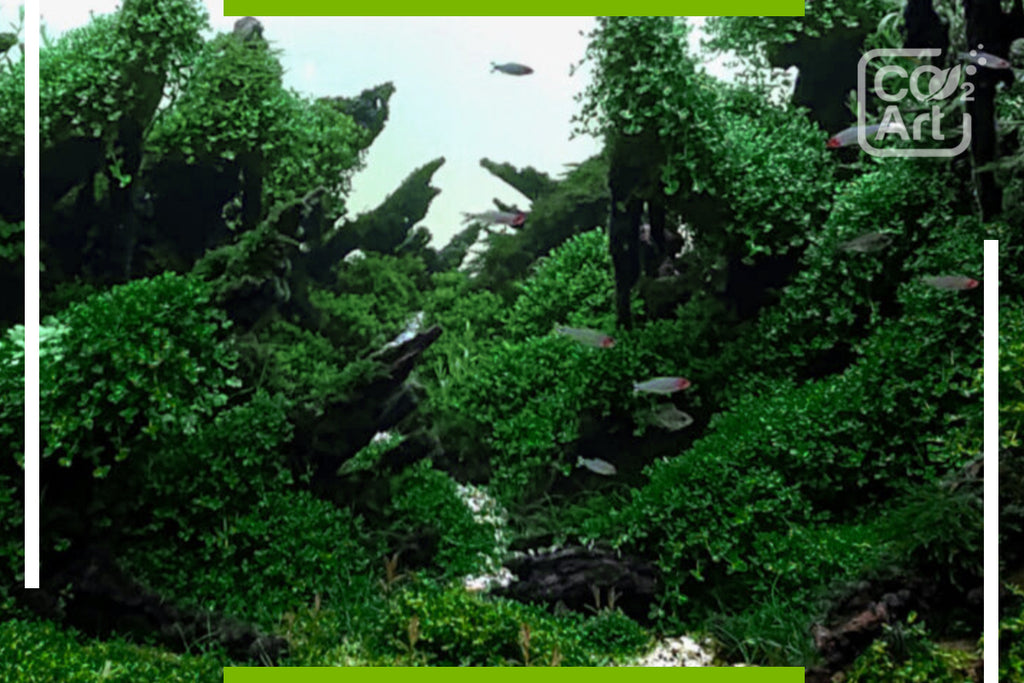
Ensuring the health and vitality of submerged plants following their transition from emersed to submerged growth is critical for long-term success. Proper maintenance practices help sustain vigorous growth, prevent common issues such as algae buildup, and promote a balanced aquatic environment. Developing a consistent care routine and understanding nutrient requirements are essential components of effective post-transition management.Maintaining submerged plants involves regular trimming, pruning, and cleaning to remove dead or decaying foliage, prevent overcrowding, and enhance water circulation.
Such practices not only improve the aesthetic appeal but also support healthy photosynthesis and nutrient uptake. Additionally, reinforcing healthy growth through environmental stability and appropriate nutrient supplementation ensures that plants adapt fully to their submerged environment.
Maintenance Schedule for Trimming, Pruning, and Cleaning
Establishing a structured schedule for maintenance activities is vital to promote healthy and resilient plant growth. Regular attention prevents overgrowth that can block light penetration and oxygen flow, minimizes debris accumulation, and reduces the risk of disease.Begin with weekly visual inspections to identify any dead, damaged, or decaying plant tissue. Trimming should be performed to remove these parts, as well as to control plant size and shape, encouraging bushier and more vigorous growth.
Use clean, sharp scissors or pruning tools to make precise cuts just above the node or leaf junction. Cleaning involves removing detritus, algae, and excess algae buildup on plant surfaces and within the substrate. Gentle siphoning or water changes help remove debris and maintain optimal water quality. Monthly deep cleaning sessions may include substrate agitation to prevent compaction and oxygen deprivation.
Reinforcing Healthy Growth and Preventing Future Stress
Supporting robust plant development requires attention to environmental stability and proactive measures against stressors. Maintaining consistent water parameters—such as temperature, pH, and dissolved oxygen—is fundamental, as fluctuations can cause stress and reduce plant vitality.Incorporate aeration devices or water movement equipment to enhance oxygen exchange, especially during warmer months when oxygen levels tend to drop. Avoid sudden changes in lighting or water chemistry, which can shock plants.
Gradually introduce any modifications to minimize stress.Implementing proper lighting regimes that mimic natural sunlight ensures photosynthetic efficiency, fostering healthy growth. Additionally, avoiding overstocking in the aquatic environment prevents competition for nutrients and space, reducing the risk of disease spread and overgrowth.
Prevention of stress is achieved through environmental consistency, proper nutrition, and routine maintenance, fostering resilient and thriving submerged plant communities.
Recommended Nutrient and Supplement Regimens for Long-term Sustainability
Sustaining submerged plants over the long term requires a balanced and comprehensive approach to nutrient management. Key macro- and micronutrients must be provided in appropriate quantities to support growth, reproduction, and overall health.Start by establishing a baseline nutrient profile, including essential elements such as nitrogen (N), phosphorus (P), potassium (K), magnesium (Mg), and calcium (Ca). Regular dosing with specialized aquatic plant fertilizers can address deficiencies and promote lush foliage.
A typical regimen involves weekly applications of liquid fertilizers containing chelated iron to prevent deficiencies that cause chlorosis.Supplementing with trace elements such as manganese, boron, zinc, and molybdenum ensures metabolic processes proceed smoothly. Incorporate slow-release substrate fertilizers at planting or as needed, to supply nutrients directly to roots.Monitoring nutrient levels through testing water parameters regularly helps adjust supplementation accordingly. Avoid over-fertilization, which can lead to algae blooms and oxygen depletion.
Employing a integrated approach that combines macro- and micronutrient supplementation with proper lighting and aeration fosters a healthy, sustainable aquatic plant environment.
Final Summary
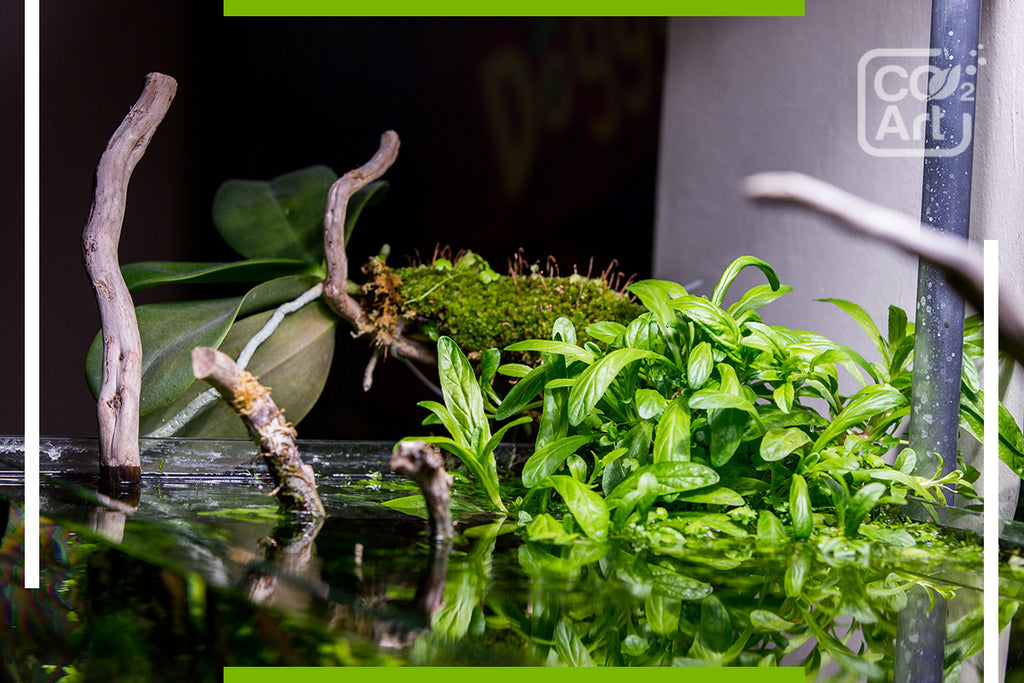
In conclusion, transitioning emersed plants to submerged conditions requires a systematic approach that prioritizes environmental stability and gradual adaptation. By following the Artikeld procedures and maintaining diligent care, you can ensure your aquatic plants flourish underwater, contributing to a healthy and sustainable aquatic environment for years to come.