Discover effective methods to cultivate lush aquarium plants without relying on supplemental CO2, offering a sustainable and low-maintenance approach to aquatic gardening. This guide explores natural techniques and plant selections that thrive in such environments, making it accessible for beginners and experienced aquarists alike.
By understanding the key factors such as suitable plant choices, proper lighting, substrate management, and water quality, enthusiasts can create vibrant and healthy aquatic landscapes with minimal effort and chemical interventions. Embracing these natural strategies leads to a thriving, eco-friendly aquarium ecosystem.
Introduction to Growing Aquarium Plants Without CO2
Cultivating aquarium plants without supplemental CO2 presents an appealing approach for hobbyists seeking a natural and low-maintenance aquatic environment. This method emphasizes leveraging the natural conditions of the aquarium to promote healthy plant growth without the complexities and expenses associated with CO2 injection systems. Understanding how to foster plant vitality through alternative means enables enthusiasts to enjoy lush, vibrant aquatic greenery with less effort and equipment investment.
Many misconceptions surround the notion that CO2 enrichment is essential for thriving aquarium plants. While CO2 facilitates rapid growth in many species, numerous hardy plants can flourish in low-tech setups by optimizing lighting, substrate, and water quality. These low-maintenance plants often require less frequent care, making them ideal for beginners or aquarists aiming for a more natural, balanced ecosystem. Embracing natural growth methods not only simplifies aquarium maintenance but also encourages a healthier environment that benefits fish and invertebrates alongside aquatic flora.
Natural Support Methods for Plant Growth Without CO2 Enrichment
Supporting plant growth in a CO2-limited environment involves enhancing natural factors that contribute to photosynthesis and nutrient uptake. Adequate lighting, nutrient-rich substrates, and proper water parameters play crucial roles in ensuring plants receive the resources they need to thrive without supplemental CO2 injection.
| Key Natural Support Factors | Description |
|---|---|
| Lighting | Providing sufficient, spectrum-appropriate light is vital. Use full-spectrum LED or fluorescent lights designed for plant growth to maximize photosynthesis, especially with plants adapted to low-light conditions. |
| Substrate Quality | A nutrient-rich substrate, such as aquasoil or layer of clay-based soil, supplies essential minerals like iron, potassium, and magnesium naturally. This minimizes the need for frequent liquid fertilization. |
| Water Parameters | Maintaining stable pH and temperature levels that favor specific plant species enhances their ability to absorb nutrients effectively. Regular water changes prevent nutrient depletion and stagnation. |
| Plant Selection | Choosing low-light, slow-growing plants such as Anubias, Java Fern, Cryptocoryne, and Mosses adapts well to natural conditions, reducing dependence on CO2 enrichment for healthy growth. |
“Successful growth without CO2 relies on optimizing environmental conditions and selecting resilient plant species suited to low-tech aquariums.”
Optimizing Lighting for Non-CO2 Aquarium Plants
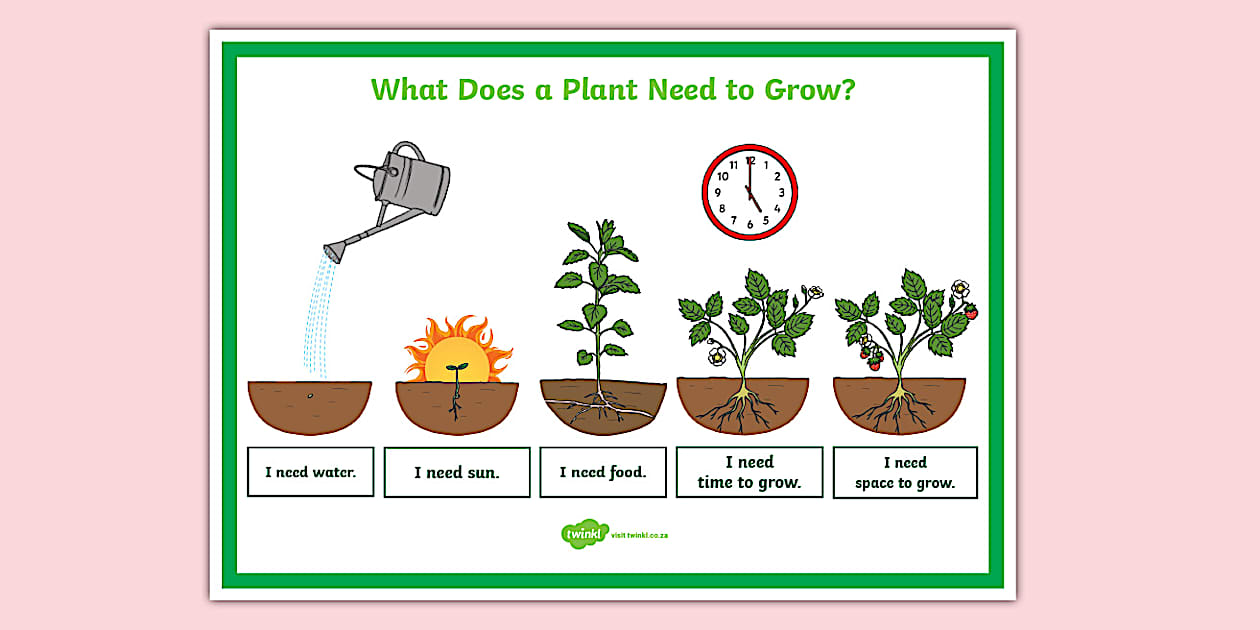
Lighting plays a crucial role in the health and growth of aquarium plants, especially when cultivating without the aid of supplemental CO2. Proper illumination ensures that plants receive the necessary energy to photosynthesize, develop robust foliage, and maintain overall vitality. Achieving optimal lighting conditions involves understanding the specific needs of your plants, selecting appropriate light sources, and positioning fixtures effectively to maximize efficiency.
In non-CO2 setups, where nutrient and growth boosts are limited, lighting becomes even more vital. It influences not only the growth rate but also the color intensity and overall aesthetic appeal of your aquarium. An informed approach to lighting can significantly enhance plant health, reduce algae proliferation, and create a balanced aquatic environment.
Choosing the Right Lighting Intensity and Spectrum
The foundation of effective lighting starts with selecting the correct intensity and spectrum tailored to the specific plants in your aquarium. Different plant species have varying light requirements, generally categorized into low, medium, and high light needs. Recognizing these preferences helps in avoiding over- or under-lighting, which can lead to unhealthy growth or algae issues.
The light spectrum influences how plants photosynthesize and determine their coloration. A full-spectrum light that closely mimics natural sunlight—typically ranging from 6,500K to 10,000K—is ideal for most aquatic plants. Such lighting promotes vibrant colors and healthy foliage while supporting photosynthesis efficiently.
Step-by-Step Guide to Selecting and Positioning Lighting Fixtures
Effective lighting setup involves choosing fixtures that meet your aquarium’s size, plant requirements, and aesthetic goals. The following steps Artikel a practical approach to optimize lighting for non-CO2 planted tanks:
- Assess Plant Lighting Needs: Determine whether your plants are low, medium, or high light species. This guides the selection of appropriate light intensity.
- Select Suitable Light Fixtures: Choose LED lights that offer adjustable brightness and color temperature options. LED fixtures are energy-efficient, produce less heat, and allow precise control over light spectrum and duration.
- Calculate the Required Light Intensity: Use the rule of thumb that low-light tanks require approximately 20-40 lumens per liter, medium-light tanks about 40-80 lumens per liter, and high-light tanks exceed 80 lumens per liter. Adjust fixture wattage and placement accordingly.
- Position Fixtures Correctly: Place lighting fixtures directly above the aquarium’s center to ensure even distribution. Maintain a height that provides sufficient intensity without causing excessive heat or algae growth, typically 10-15 cm above the water surface.
- Implement Light Timers and Duration: Use timers to establish a consistent photoperiod, generally between 8 to 10 hours daily. A stable light cycle supports healthy plant growth and prevents algae overgrowth.
Natural sunlight can enhance plant growth but requires careful management to prevent algae issues. Position your aquarium near a window with indirect sunlight, ensuring that the light is evenly distributed and does not cause temperature fluctuations. Artificial lighting options, such as LED fixtures or fluorescent bulbs, provide reliable, customizable illumination. For example, full-spectrum LED lights like the Finnex Planted+ or NICREW SkyLED offer adjustable spectrum and intensity, making them suitable choices for various plant types.
In terms of durations, it’s essential to balance sufficient light exposure with preventing overstimulation. Generally, 8 to 10 hours of light per day is adequate for most non-CO2 planted aquariums. Using a timer facilitates consistency, which is vital for plant health and algae control. Regularly monitor plant response and algae appearance, and adjust lighting duration or intensity accordingly for optimal results.
Substrate and Nutrient Management in Low-CO2 Aquariums

Managing substrate and nutrients effectively is essential for supporting healthy aquarium plants without relying on CO2 supplementation. In low-CO2 environments, the choice of substrate and nutrient delivery significantly influences plant growth, root development, and overall aquarium health. Proper management ensures that plants receive adequate nutrients directly through their roots, compensating for the absence of CO2 enhancement.A well-designed substrate provides a stable base for root anchoring and acts as a reservoir for essential nutrients.
It also facilitates beneficial bacterial colonization that aids in biological filtration and nutrient cycling. Nutrient management in non-CO2 setups involves selecting natural fertilizers and supplements that promote steady growth without causing algae blooms or water quality issues. Customizing nutrient dosing schedules allows hobbyists to maintain a balanced nutrient profile, ensuring plants thrive while maintaining water quality.
Role of Substrate Type and Composition
The substrate in low-CO2 aquariums plays a crucial role in supporting plant roots and supplying nutrients directly. Organic-rich substrates, such as nutrient-rich soils or aquasoils, are ideal because they release minerals and trace elements slowly over time. These substrates contain beneficial components like peat, clay, and plant-based composts that enhance nutrient availability. Coarse substrates like gravel or coarse sands are less suitable unless supplemented with nutrient-rich layers beneath or incorporated with root tabs.The composition of the substrate influences root penetration, oxygen diffusion, and nutrient retention.
It should be capable of maintaining stable pH levels compatible with the chosen plant species. For instance, acidic substrates favor plants like Amazon swords and crypts, while neutral or slightly alkaline substrates support a broader range of aquatic plants.
Natural Fertilizers and Nutrient Supplements
In non-CO2 aquariums, natural fertilizers and nutrient supplements are essential for maintaining plant health without overburdening water quality. These organic sources provide essential macro- and micronutrients needed for robust growth.Common natural fertilizers suitable for low-CO2 setups include:
- Seaweed extract: Rich in trace elements, growth hormones, and minerals that stimulate healthy root and leaf development.
- Banana peels and vegetable scraps: Source of potassium and other nutrients when decomposed and used as compost in the substrate.
- Crushed tortoise or earthworm casting: Natural composts high in organic matter and nutrients beneficial for plant roots.
- Fermented plant teas (e.g., comfrey or nettle tea): Liquid nutrient sources that can be added directly to the water column or used as root drenches.
It is important to select fertilizers that do not introduce excess salts or harmful chemicals that could destabilize water parameters.
Procedures for Customizing Nutrient Dosing Schedules
Maintaining optimal nutrient levels requires a carefully planned dosing routine tailored to the specific needs of aquarium plants and their growth stages. The following procedures can help hobbyists develop an effective schedule:
- Assess plant needs and growth stage: Determine whether plants are in active growth, flowering, or maintenance phase to adjust nutrient input accordingly.
- Monitor water parameters regularly: Use test kits to check levels of nitrate, phosphate, potassium, and trace elements to identify deficiencies or excesses.
- Start with low doses and increase gradually: Introduce small quantities of natural fertilizers and observe plant response and water quality, avoiding sudden spikes that could cause algae blooms.
- Schedule fertilization sessions: Apply nutrients during specific intervals, such as weekly or biweekly, based on plant uptake rates and nutrient consumption patterns.
- Record and adjust: Keep a detailed log of fertilization routines, water parameter changes, and plant health to fine-tune dosing schedules over time.
- Incorporate root feeding: Place slow-release nutrient tablets or compost in the substrate near roots to provide a steady nutrient supply without overloading the water column.
Implementing these procedures ensures a balanced nutrient environment, supporting healthy plant growth while maintaining stable water quality in low-CO2 aquariums.
Water Quality and Maintenance Practices
Maintaining optimal water quality is essential for the health and growth of aquarium plants, especially in setups without CO2 supplementation. Proper water parameters support nutrient uptake, prevent the proliferation of algae, and foster a balanced aquatic environment that encourages lush, healthy plant growth. Regular maintenance routines and natural water enrichment methods contribute significantly to sustaining these ideal conditions over time.Consistent water quality management involves monitoring and adjusting key parameters such as pH, hardness, and temperature.
These factors influence plant metabolism and nutrient availability. In low-CO2 aquariums, stable and suitable water conditions become even more critical, as plants rely heavily on the environment to compensate for the absence of CO2 enrichment. A proactive maintenance approach minimizes stress on plants and reduces the likelihood of algae outbreaks, ensuring a vibrant and thriving aquatic landscape.
Maintaining Optimal Water Parameters
Achieving and sustaining the right water chemistry involves regular testing and adjustments based on the specific needs of the plant species and overall tank conditions.
- pH Control: Most aquatic plants flourish in a pH range of 6.5 to 7.5. Regularly testing pH levels with reliable test kits helps identify fluctuations. Maintaining stability is critical, as sudden changes can cause stress or inhibit nutrient uptake.
- Water Hardness: General hardness (GH) and carbonate hardness (KH) influence nutrient availability and plant health. Many low-CO2 plants prefer GH levels between 4-8 dGH and KH of 3-6 dKH. Using remineralized water or natural mineral substrates can help stabilize these parameters.
- Temperature: Most freshwater aquarium plants thrive at temperatures between 22°C and 26°C (72°F to 78°F). Consistent heating with reliable aquarium heaters prevents temperature swings that could impair plant growth.
Consistent water conditions provide a stable environment that enhances nutrient uptake and minimizes stress, promoting robust plant development.
Routine Maintenance Tasks to Prevent Algae and Promote Growth
A well-planned maintenance schedule is vital in preventing algae overgrowth and supporting healthy plant development. Proper cleaning routines and water management practices help maintain clarity and balance within the tank.
- Frequent Water Changes: Conduct weekly partial water changes (~10-20%) to dilute waste products, replenish minerals, and sustain water quality. Use dechlorinated water to prevent chlorine or chloramine buildup.
- Algae Control: Remove any visible algae manually with a soft brush or scraper, especially on plant leaves and substrate surfaces. Maintaining appropriate lighting durations and intensity also reduces algae proliferation.
- Monitoring Nutrients: Regularly check nitrate, phosphate, and potassium levels, adjusting fertilization as needed to promote plant growth without encouraging algae.
- Cleaning Equipment and Decor: Rinse filters, glass, and decorations periodically to prevent detritus accumulation and biofilm buildup.
Natural Water Enrichment Methods
Enhancing water quality naturally involves promoting beneficial bacterial populations and ensuring a nutrient-rich environment that supports plant growth without chemical additives.
Implementing biological techniques can significantly improve water quality, especially in low-CO2 aquariums.
- Use of Live Beneficial Bacteria: Introduce commercial probiotic bacterial cultures or cultivate biofilters with natural bacterial colonies. These bacteria decompose organic waste, reduce ammonia and nitrite levels, and convert nutrients into forms accessible to plants.
- Establishing a Healthy Biofilter: Incorporate biological media within the filter to encourage beneficial bacteria growth. Over time, a stable biofilter reduces harmful compounds, creating a safer environment for plants and fish alike.
- Water Changes with Natural Sources: Use water sourced from established, healthy tanks or natural springs when possible, as they contain diverse microbial populations and nutrients beneficial for plant health.
- Live Plants and Organic Material: Adding floating plants or organic substrate layers can introduce natural microorganisms and aid in nutrient cycling, promoting a self-sustaining ecosystem.
Fostering a balanced microbial environment naturally enriches the water, supports plant nutrition, and minimizes reliance on chemical interventions, leading to a healthier aquatic ecosystem.
Plant Propagation and Growth Promotion Techniques
Effective propagation and growth promotion are vital for maintaining a vibrant and healthy aquarium, especially when operating without CO2 supplementation. Employing strategic methods such as plant division, careful pruning, and optimized environmental adjustments can significantly enhance plant health and proliferation. Understanding these techniques allows aquarists to foster lush aquatic landscapes with minimal additional resources.
Propagation methods tailored for non-CO2 aquariums focus on natural growth cycles and physical plant manipulations. These strategies not only expand the plant population but also stimulate vigorous growth, ensuring that plants flourish despite limited CO2 availability. Proper techniques in cutting, dividing, and environmental management contribute to a thriving aquatic ecosystem.
Methods for Propagating Aquarium Plants Without CO2
Propagation primarily involves physical manipulation of plants through cutting and dividing, which encourages new growth and maintains healthy, dense plant populations. These techniques are especially effective in low-CO2 environments, as they rely on natural growth processes enhanced by appropriate care.
- Cutting Techniques: Select healthy, mature stems or leaves with visible growth points. Using sharp, sterilized scissors, trim the plant just below a node or leaf junction. Remove any damaged or unhealthy sections. Plant the cuttings directly into the substrate or attach them to existing plants or décor, ensuring good contact with the substrate for root development.
- Dividing Strategies: For rosette or cluster-forming plants such as Anubias or Java Fern, carefully separate the root or rhizome into smaller sections. Each section should contain healthy roots and leaves to ensure successful propagation. Replant the divisions securely into the substrate or attach them to rocks or driftwood.
Both methods facilitate the natural rooting process, with cuttings developing roots within a few weeks under optimal lighting and nutrient conditions. Regular monitoring and gentle maintenance prevent stress and promote healthy growth throughout the propagation process.
Procedural Steps to Encourage Fast and Healthy Growth
Optimizing lighting, fertilization, and substrate conditions are key to stimulating vigorous growth in plants without CO2. These practices help compensate for the absence of supplemental carbon, leveraging natural processes to sustain lush plant life.
- Adjust Lighting: Provide adequate intensity and spectrum tailored to the specific plant species. Use full-spectrum LED or fluorescent lights, ensuring plants receive at least 8-10 hours of light per day. Maintaining consistent photoperiods prevents algae overgrowth while maximizing photosynthesis.
- Implement Targeted Fertilization: Use aquatic plant fertilizers rich in macro- and micronutrients like potassium, nitrogen, phosphorus, iron, and trace elements. Apply liquid fertilizers regularly, following manufacturer guidelines, and consider root tabs for substrate enrichment in rooted plants. This nourishment promotes lush, fast growth even without CO2.
- Substrate Management: Utilize nutrient-rich substrates such as infernal soil, clay-based substrates, or enriched gravel. Regularly supplement with organic matter or specialized fertilizers to ensure roots have constant access to essential nutrients. Proper substrate depth and composition support healthy root development.
Monitoring plant responses and adjusting environmental factors accordingly will promote optimal growth rates and plant vigor, creating a sustainable, low-maintenance aquatic landscape.
Growth-Boosting Practices for Non-CO2 Aquariums
Implementing specific practices can significantly enhance plant growth, even in the absence of CO2 supplementation. These techniques focus on physical management and environmental enhancements that stimulate natural growth mechanisms.
- Pruning and Trimming: Regularly remove dead or damaged leaves to prevent decay and mold. Pruning encourages new shoots and maintains a balanced plant structure, allowing better light penetration and nutrient access for remaining tissues.
- Plant Stacking and Floating Plants: Layer plants vertically or allow floating species to provide shade, reduce algae growth, and create microenvironments rich in humidity and nutrients. Stacking encourages lateral growth and propagates new shoots.
- Altering Light Intensity and Duration: Gradually increase light levels or extend photoperiods to encourage faster growth. Use timers for consistency, but avoid sudden changes that may stress the plants.
- Utilizing Plant Supports and Meshes: Use plant supports or meshes to guide growth direction and prevent overcrowding. This creates space for light and nutrients to reach inner shoots, promoting uniform development.
Consistent pruning, strategic stacking, and proper lighting adjustments are instrumental in creating a thriving low-CO2 aquarium environment, ensuring plants remain healthy and vigorous.
Troubleshooting Common Challenges in No-CO2 Aquascaping
Managing an aquascape without supplemental CO2 can present unique challenges that require careful observation and adjustments. Common issues such as algae overgrowth, stunted plant growth, and plant dieback are frequently encountered by aquarists striving for a healthy, vibrant underwater environment. Understanding the underlying causes of these problems and implementing effective solutions can significantly enhance the success and longevity of a no-CO2 planted aquarium.In low-CO2 or no-CO2 setups, plants often depend heavily on optimal lighting, substrate, and nutrient management to thrive.
Imbalances in these factors, combined with environmental stressors, can lead to common issues that impair plant health and aesthetic appeal. Recognizing symptoms early and applying targeted interventions are essential for maintaining a balanced aquascape.
Algae Overgrowth
Algae proliferation is among the most prevalent problems in no-CO2 aquariums, primarily resulting from excess nutrients, high light intensity, or poor water quality. Algae compete with aquatic plants for nutrients and light, oftentimes overshadowing healthy plant growth or causing deterioration of the aquascape.
- Identify the source: Excess nutrients, especially nitrates and phosphates, along with too much light, foster algae growth. Regular testing of water parameters helps pinpoint nutrient spikes.
- Reduce lighting: Limit the photoperiod to around 6-8 hours daily and consider using adjustable or dimmable lighting to prevent excess light exposure.
- Control nutrient levels: Perform regular water changes and ensure proper fertilization tailored for low-tech setups, avoiding overfeeding fish or supplementing nutrients excessively.
- Introduce algae-eating species: Adding compatible invertebrates such as Amano shrimp or specific snails can help naturally keep algae in check.
“Algae control hinges on balancing light, nutrients, and water quality. Over-enthusiastic lighting or nutrient excess is often the root cause.”
Stunted Plant Growth
Plants in no-CO2 aquariums may exhibit slow or halted growth due to insufficient carbon availability, inadequate lighting, or nutrient deficiencies. Stunted growth can also result from suboptimal substrate conditions or improper pruning.
- Optimize lighting: Ensure that the light spectrum and intensity are suitable for the specific plant species, avoiding overly dim or excessively intense lighting that can inhibit growth.
- Enhance nutrient availability: Use comprehensive fertilizers designed for low-tech tanks, focusing on micronutrients and trace elements that support healthy development.
- Improve substrate conditions: Incorporate nutrient-rich substrates or root tabs to provide plants with vital nutrients directly at their roots.
- Adjust environmental parameters: Maintain stable temperature and water parameters within the preferred range for the plants being cultivated.
“Healthy plant growth requires a consistent supply of nutrients, appropriate lighting, and suitable substrate conditions. Lack of any one factor can result in stunting and poor overall health.”
Plant Dieback
Plant dieback manifests as yellowing, rotting, or wilting of plant tissues, often signaling stress from environmental imbalances, poor water quality, or inadequate nutrients. It can also be caused by pests or disease.
- Assess water quality: Test for ammonia, nitrite, nitrate, and pH levels, and perform water changes as needed to eliminate toxins and stabilize conditions.
- Address nutrient deficiencies: Ensure that fertilization includes essential macro- and micronutrients to prevent deficiencies leading to tissue decay.
- Manage light exposure: Avoid sudden changes in lighting intensity, which can shock plants and lead to dieback. Use gradual adjustments when needed.
- Inspect for pests and disease: Regularly examine plants for signs of pests or fungal infections and treat promptly with appropriate methods.
“Maintaining water quality and a stable environment is critical for preventing plant dieback. Early intervention and balanced nutrients are key to recovery.”
Summary of Preventative Measures and Solutions
| Issue | Key Causes | Preventative Measures | Solutions |
|---|---|---|---|
| Algae Overgrowth | Excess nutrients, high light, poor water quality | Limit light, control fertilization, regular water changes, introduce algae eaters | Reduce light duration, manually remove algae, use algaecides cautiously |
| Stunted Growth | Insufficient light, nutrient deficiency, poor substrate | Optimize lighting, fertilize appropriately, improve substrate conditions | Adjust lighting, add root tabs, increase fertilization |
| Plant Dieback | Poor water quality, nutrient deficiencies, environmental stress | Monitor water parameters, stabilize environment, avoid abrupt changes | Perform water changes, supplement missing nutrients, stabilize lighting and temperature |
Final Summary
In summary, growing aquarium plants without CO2 is not only feasible but also rewarding, provided that the right plants, lighting, and maintenance practices are implemented. By focusing on natural methods and careful environment management, aquarists can enjoy a beautiful and sustainable aquatic environment that requires less upkeep and chemical reliance.