Understanding how to pack aquarium plants for shipping is crucial to maintaining their health and vitality during transit. Proper packaging not only preserves the freshness of the plants but also prevents damage, ensuring they arrive in excellent condition for immediate placement in your aquarium.
This guide provides comprehensive steps, from selecting healthy plants and preparing appropriate materials to choosing effective packaging methods and managing moisture levels. By following these best practices, you can confidently ship aquarium plants while minimizing stress and ensuring successful delivery.
Preparation for Shipping Aquarium Plants
Transporting aquarium plants safely requires meticulous preparation to maintain their vitality and ensure they arrive in optimal condition. Proper handling and packaging are essential to prevent damage, dehydration, or contamination during transit. By following a structured approach, aquarists can guarantee that their aquatic greenery reaches its destination fresh and healthy, ready to be acclimated into a new environment.
Preparing aquarium plants for shipping involves several carefully coordinated steps, including selecting appropriate containers, ensuring the plants are healthy and properly trimmed, and choosing the right packing materials. This process minimizes stress on the plants, prevents root or leaf damage, and safeguards against potential issues such as water leakage or bacterial contamination.
Materials Needed for Packing Aquarium Plants
Using the correct materials is crucial for effective plant shipping. The right combination of containers, water, cushioning, and sealing devices helps create a stable environment that preserves the plants’ health throughout transit. The following list Artikels the essential materials:
- Rigid, waterproof containers or plastic bags designed for aquatic plants
- Clean, dechlorinated water suitable for aquatic life
- Absorbent cushioning materials, such as foam padding, bubble wrap, or shredded paper
- Rubber bands or zip ties to secure bags or containers
- Waterproof tape or sealing clips to prevent leaks
- Labels indicating the contents and handling instructions
- Optional: Root plugs or pads to stabilize the plant roots within the container
Step-by-Step Procedure for Preparing Aquarium Plants for Shipping
Implementing a systematic process ensures consistency and reduces the risk of damage. Each step should be carefully executed to maintain plant quality and prevent transit-related issues:
- Assess Plant Health – Select only healthy, disease-free plants. Remove any damaged or decaying leaves and trim overly long roots to promote healthy growth and reduce bulk.
- Clean and Rinse – Gently rinse the plants in dechlorinated water to remove debris, algae, or pests that could compromise their health during transit.
- Submerge in Water – Place the plants in a container with clean, dechlorinated water to keep them hydrated. Ensure the roots are fully immersed, and leaves are supported, not bent or broken.
- Prepare Packaging Containers – Use sturdy, waterproof containers or bags. For smaller shipments, sealable plastic bags are convenient, while larger or bulk shipments may require rigid containers.
- Secure Plants in Packaging – Place the plants into the chosen container, ensuring roots are cushioned with foam or shredded paper at the bottom. Fill the container with enough water to cover the roots but avoid overfilling to prevent leaks.
- Seal and Secure – Seal the containers tightly using waterproof tape or clips. For bags, secure with rubber bands or zip ties, ensuring they are not too tight to avoid damaging the plants.
- Add Cushioning Material – Wrap the sealed containers with bubble wrap or foam padding to absorb shocks and prevent movement during transit. Line the outer box with additional cushioning if shipping multiple units.
- Label the Package – Clearly mark the package with handling instructions such as “Fragile,” “Live Plants,” and “Keep Upright.” Include your contact details and delivery address.
Following these detailed steps ensures that the aquarium plants are well-prepared for their journey. Adequate preparation minimizes stress and potential damage, leading to successful delivery and healthy acclimation upon arrival. Proper packaging also reflects a professional approach, fostering confidence in the shipping process for both senders and recipients.
Packaging Methods for Aquarium Plants
Proper packaging of aquarium plants is crucial to ensure they arrive in excellent condition, free from damage, and with maintained vitality. The choice of packaging technique directly impacts the plant’s health during transit and influences customer satisfaction. By employing effective methods, sellers and hobbyists can minimize stress and physical harm to delicate foliage and roots, facilitating a successful delivery process.Effective packaging combines protective materials and strategic techniques to create a secure environment.
This involves using suitable containers, cushioning, and moisture-retaining solutions to prevent movement, crushing, or dehydration during shipping. The goal is to balance providing sufficient protection while maintaining an environment conducive to plant health until they reach their destination.
Packaging Materials, Their Purposes, and Recommended Usage
To facilitate optimal packaging, it is beneficial to understand the specific roles of various materials used during transit. The following table summarizes common packaging materials, their purposes, and recommended applications:
| Packaging Material | Purpose | Recommended Usage |
|---|---|---|
| Plastic Bags (Sealable) | Contain water and plants, prevent leaks, maintain moisture | Use small, durable, airtight bags; ideal for individual plants or small groups |
| Plastic Containers (Rigid) | Provide structural support, prevent crushing | Suitable for larger or multiple plants, with ventilation holes if needed |
| Cushioning Materials (Bubble Wrap, Foam) | Absorb shocks, minimize movement, protect delicate foliage | Line the interior of containers or wrap plants individually for added protection |
| Moisture Retention Items (Sphagnum Moss, Wet Tissue) | Maintain humidity around roots and foliage | Wrap roots or base of plants lightly with damp moss or tissues before packaging |
| Sealable Plastic Wrap or Cling Film | Ensure airtight environment, prevent leaks | Wrap bags or containers securely to prevent moisture loss and leaks |
Creating a Sealed Environment to Maintain Moisture and Prevent Leaks
Establishing an airtight, moist environment is essential for preserving the vitality of aquarium plants during transit. To achieve this, carefully seal the packaging to prevent water from escaping while avoiding excess moisture that could promote mold or bacterial growth.Begin by placing the plants in a plastic bag filled with a minimal amount of water—just enough to cover the roots or base—ensuring the foliage remains dry to prevent rot.
Use a damp tissue or sphagnum moss around the roots for additional moisture retention without excessive water accumulation. Once the plant is securely placed, remove excess air from the bag to reduce movement and prevent crushing.Seal the bag tightly using a heat sealer or strong adhesive tape, making sure there are no openings where leaks could occur. For added security, wrap the sealed bag in cling film or plastic wrap to reinforce the seal and prevent accidental openings during handling.
When using containers, ensure they are properly sealed with lids or secure closures, and add cushioning materials around the plants to absorb shocks and prevent movement.In summary, creating a controlled, sealed environment involves a combination of appropriate moisture levels, secure sealing, and cushioning, all tailored to the specific needs of aquatic plants to ensure they remain healthy and intact throughout the shipping process.
Labeling and Documentation
Proper labeling and comprehensive documentation are essential components when shipping aquarium plants. Clear labels ensure that handlers and recipients can easily identify the contents, understand how to handle the package, and facilitate customs clearance processes. Accurate documentation not only supports compliance with postal and international shipping regulations but also helps prevent delays, damages, or returns of delicate plant shipments.Accurate labeling and detailed documentation are vital to ensure smooth transit and receipt of live aquarium plants.
They provide clarity, enhance safety, and support regulatory compliance, especially when shipping internationally where customs procedures are more stringent. Well-prepared labels and documents reflect professionalism and care, ultimately helping to maintain the health and vitality of the plants during transit.
Proper Labeling with Handling and Plant Details
Labels should include all necessary handling instructions and specific information about the plants enclosed. This is crucial for safeguarding live plants, which can be sensitive to temperature, light, and movement during transportation. Labels must be durable, clearly legible, and resistant to moisture.Key details to include on packing labels are:
- Recipient and sender information: Full names, addresses, phone numbers, and email addresses to ensure proper delivery and contact if needed.
- Contents description: Precise identification of the plants, including common and scientific names for clarity.
- Handling instructions: Clear directives such as “Fragile,” “Live Plants,” “Keep Upright,” or “Handle With Care.”
- Temperature and environmental requirements: If applicable, specify if the plants require temperature control or specific conditions.
- Special notes: Any additional information such as “This side up” or “Contains water” to prevent mishandling.
For consistency and quick reference, using standardized label templates or printable labels with pre-printed fields can streamline the packing process and reduce errors.
Shipping Documentation and Regulatory Compliance
Shipping live aquarium plants across local and international borders involves adhering to specific regulatory requirements. Proper documentation ensures compliance with postal services, customs authorities, and environmental regulations, minimizing the risk of confiscation, delays, or legal issues.The essential shipping documents include:
- Commercial Invoice or Proforma Invoice: Details the contents, value, and purpose of the shipment. It is crucial for customs declaration, especially for international shipments.
- phytosanitary Certificate (if required): Issued by relevant agricultural authorities to certify that the plants are free from pests and diseases, complying with quarantine regulations.
- Customs Declaration Form: Completed as per postal or courier guidelines, providing accurate descriptions and values to facilitate clearance.
- Shipping Label: Contains sender and recipient information, handling instructions, and tracking codes, ensuring proper identification during transit.
To facilitate smooth customs processing, all documents should be completed accurately, signed where necessary, and included visibly with the shipment. Keeping copies of all documents is advisable for record-keeping and resolving potential disputes or inquiries during transit.
“Accurate labeling and thorough documentation are the backbone of successful aquarium plant shipping, ensuring live plants arrive healthy, compliant, and ready to be introduced into new aquatic environments.”
Shipping and Transit Considerations

Ensuring that aquarium plants arrive healthy and vibrant requires meticulous planning of shipping and transit conditions. Proper timing, choice of courier, and monitoring during transit are essential to minimize stress and prevent damage to the plants. This section provides guidance on optimizing these factors to facilitate successful delivery and plant health upon arrival.Shipping live aquarium plants involves balancing several factors, including temperature stability, transit duration, and handling conditions.
Plants are living organisms sensitive to environmental changes, making it crucial to choose shipping windows that reduce exposure to extreme temperatures and long transit times. Accurate scheduling and coordination with courier services can greatly enhance the chances of a seamless delivery.
Optimal Shipping Times and Conditions to Minimize Stress on Plants
The timing of shipping plays a critical role in maintaining plant vitality. Shipping during moderate weather conditions—preferably in spring or fall—reduces the risk of heat stress or cold damage. Avoiding extreme summer heat or winter cold can prevent thermal shock, which can severely damage or kill plants.To further minimize stress:
- Ship early in the week to avoid delays over weekends or holidays, ensuring the package reaches its destination promptly.
- Choose the shortest and most direct shipping routes possible to reduce transit time.
- Maintain consistent temperature conditions within the packaging by using insulated materials or heat/cold packs as appropriate for the season.
Monitoring weather forecasts and collaborating with courier services for real-time updates can help plan the optimal shipping window, ensuring plants are not exposed to unfavorable conditions during transit.
Comparison of Courier Options and Their Suitability for Live Plant Shipping
Different courier services offer varying levels of service, reliability, and options for handling live shipments. Selecting the most suitable courier ensures timely and safe delivery of aquarium plants.Courier services to consider include:
- Express or Overnight Shipping: Offers the fastest transit times, reducing the duration plants are in transit and decreasing stress. Ideal for fragile or high-value shipments.
- Same-day Delivery: Available in some urban areas, providing the shortest transit window. Suitable for urgent shipments requiring minimal transit time.
- Specialized Live Plant or Live Animal Shipping Services: Some couriers provide dedicated handling for perishable or living organisms, offering enhanced care, temperature control, and tracking features.
It is essential to verify courier policies regarding live shipments, including packaging requirements, handling procedures, and any additional fees. Selecting a courier with reliable tracking and a good reputation for handling live organisms helps ensure plants are delivered in optimal condition.
Tracking and Ensuring Timely Delivery
Effective tracking and communication are vital components of successful aquarium plant shipping. Reliable tracking systems allow both sender and recipient to monitor the shipment’s progress and prepare for receipt accordingly.Key procedures include:
- Choosing courier services that provide real-time tracking updates accessible via online platforms or mobile apps.
- Communicating with the courier company to confirm pickup times, delivery windows, and any special handling instructions.
- Providing accurate recipient contact information to facilitate smooth handover and prevent delays.
- Setting up alerts or notifications to stay informed about any delays or issues during transit.
- Arranging for the recipient to be available at the delivery address to receive the package promptly, avoiding extended holding times that could impact plant health.
In cases where delays are anticipated, proactive communication with the courier can allow for alternative arrangements or rerouting to minimize transit time and stress on the plants. Ensuring timely delivery not only preserves plant vitality but also enhances customer satisfaction and confidence in the shipping process.
Post-Shipping Care and Unpacking
Properly managing aquarium plants upon arrival is crucial to ensure their health and successful adaptation to their new environment. Even with meticulous packaging, plants can experience stress during transit, making careful unpacking and immediate care essential for their recovery and growth. This stage is vital in maintaining the vitality of the plants and preventing unnecessary loss.Unpacking aquarium plants requires patience and attention to detail to minimize further stress or damage.
Handling the plants gently prevents tearing delicate roots or leaves, while inspecting the packaging for any signs of mishandling or temperature fluctuations provides valuable insight into their condition upon arrival. Once unpacked, immediate assessment of each plant helps determine their health status and necessary care steps to promote quick recovery and integration into their new aquarium setup.
Careful Unpacking of Aquarium Plants
Unpacking aquarium plants involves a delicate approach to prevent physical damage and reduce stress. Carefully open the packaging, such as plastic bags or containers, avoiding abrupt tearing which could harm the plant tissues. Handle the plants by their base or root ball rather than delicate leaves or stems to prevent tearing or breakage.Gently remove excess packaging material, including any foam or damp paper, and avoid pulling or tugging on the plants.
If the plants are rooted in substrate or attached to a medium, support the root zone during removal. Using clean, sanitized scissors or aquascaping tools can assist in trimming any damaged roots or leaves, encouraging healthy regrowth and reducing the risk of fungal or bacterial infections.
Inspecting Plant Health and Re-establishing in the Aquarium
After unpacking, a thorough inspection of each plant’s health is essential. Look for signs of dehydration, such as wilted or discolored leaves, and assess root condition for rot or damage. Healthy roots should be firm, white or light-colored, and free from slimy textures or foul odors, indicating they are suitable for replanting.Once inspected, re-establishing the plants in the aquarium involves gentle acclimatization.
Rinse roots and foliage with dechlorinated water to remove any residual packaging materials or debris. Trim any dead or damaged parts to promote vigorous regrowth and prevent decay. Carefully plant the aquarium plants into the substrate, ensuring they are anchored securely without overcrowding, which can lead to poor water circulation or competition for nutrients.
Troubleshooting Common Issues Post-Shipping
Shipping can impose stress on aquarium plants, leading to specific challenges that require prompt action. Dehydration is a common issue, often evident by wilting, translucent leaves, or a sluggish appearance. To remedy this, gradually rehydrate the plants by soaking them in dechlorinated water for 15-30 minutes, which helps restore moisture without shocking the tissues.Damage during transit may manifest as broken stems, torn leaves, or root injury.
Gently trim or remove compromised parts using sterilized scissors, and monitor for signs of infection such as discoloration or sliminess. In cases where roots are damaged, replanting with fresh substrate or adding root tabs can stimulate new growth. Maintaining optimal water parameters, appropriate lighting, and nutrient supplementation will support recovery and healthy development of the unpacked plants.
Outcome Summary
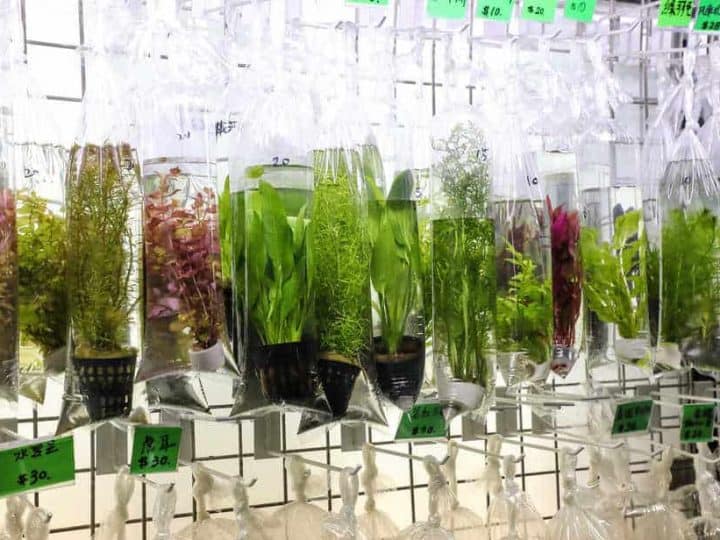
In summary, carefully preparing, packaging, and managing moisture during shipping plays a vital role in the successful translocation of aquarium plants. With attention to detail and proper handling, you can ensure your aquatic plants arrive healthy and ready to flourish in their new environment, making the shipping process smooth and dependable.