Embarking on the journey to aquascape a large aquarium opens the door to creating breathtaking underwater landscapes that captivate the senses. This process combines meticulous planning, artistic vision, and technical expertise to transform a sizable tank into a vibrant, harmonious ecosystem. Understanding the key elements involved can turn an ambitious project into a rewarding achievement, inspiring awe for both hobbyists and enthusiasts alike.
From selecting the right materials and equipment to designing intricate layouts and choosing compatible aquatic life, each step plays a vital role in achieving a balanced and visually appealing aquascape. Mastering these components ensures a thriving environment that not only looks beautiful but remains sustainable over time, making your large aquarium a stunning centerpiece in any space.
Planning and Design of a Large Aquarium Aquascape
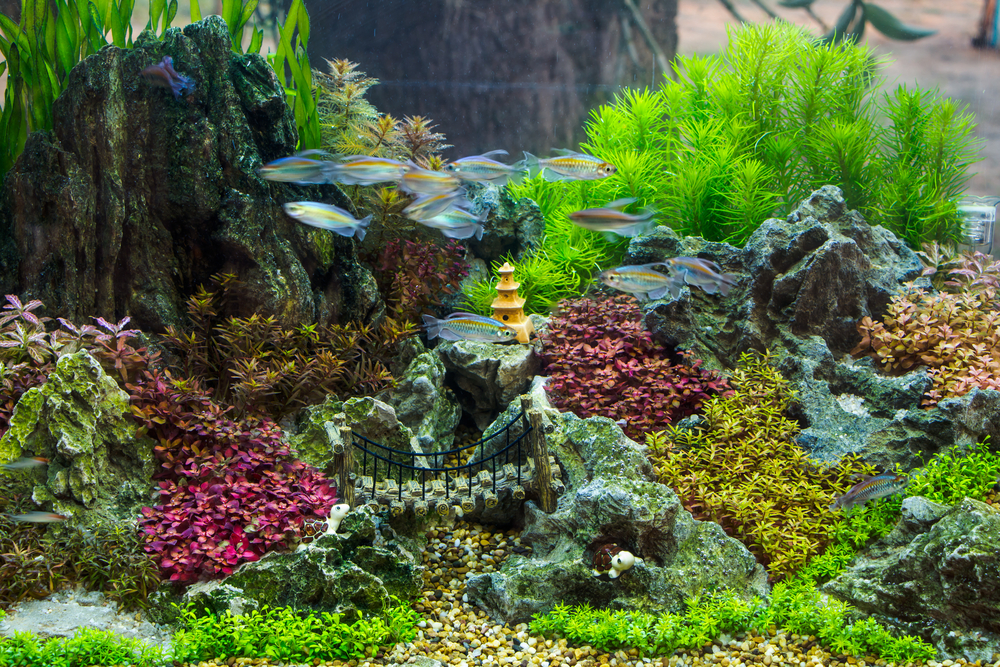
Developing a captivating aquascape for a large aquarium requires meticulous planning and thoughtful design. This process involves understanding the spatial limitations, visual impact, and harmony of various elements to create an immersive underwater landscape. Properly planning ensures that the final setup not only mimics natural environments but also remains practical for maintenance and longevity.
In large aquascaping projects, the initial considerations extend beyond aesthetics to include the biological compatibility of species, the technical requirements of filtration and lighting, and the overall theme that guides the composition. A well-thought-out design balances these factors to produce a cohesive, sustainable, and visually stunning aquatic environment.
Initial Considerations for Designing a Large Aquascape
Effective planning begins with assessing the available space, measuring the dimensions of the aquarium to determine the volume and potential layout options. This step is crucial because it influences the selection of materials, plants, and hardscape features, ensuring they fit proportionally and harmonize with the environment.
Visual impact is a primary concern in large aquascapes. The layout should create a sense of depth, perspective, and focal points that draw viewers into the scene. To achieve this, designers often employ techniques such as the use of foreground, midground, and background elements, along with strategic placement of taller plants or hardscape features to guide the eye naturally through the landscape.
Choosing a Theme or Style for a Large Aquarium
Selecting an appropriate theme or style forms the foundation of a cohesive aquascape. Common themes include natural riverbeds, mountain landscapes, lush forests, or minimalist modern designs. The style should reflect the personal preferences of the aquarist while considering the species and environmental conditions suitable for the setup.
When working with large tanks, themes like Iwagumi (rock-based landscapes), Dutch (plant-dominant arrangements), or biotope aquariums (replicating specific natural habitats) are popular choices. Each style dictates specific criteria for layout, plant choices, and hardscape arrangements, contributing to a harmonious overall visual effect.
Organized Layout Plan for a Large Aquarium
Visualizing the composition of a large aquascape benefits greatly from a detailed layout plan. This plan helps in balancing components and ensuring all elements contribute to the overall aesthetic and functional goals. A structured approach involves dividing the tank into zones and allocating specific features to each area.
| Substrate | Plants | Rocks | Hardscape Features |
|---|---|---|---|
| Coarse sand or gravel with nutrient-rich substrate layers for plant rooting; consider layering for depth and visual interest. | Low-growing foreground plants like Eleocharis or Dwarf Hairgrass, midground species such as Cryptocoryne, and background plants like Vallisneria or tall grasses. | Large, irregularly shaped rocks like Seiryu or Dragon Stone arranged to create focal points or natural formations; use of smaller stones for detailing. | Wood structures, driftwood, or bamboo to add vertical interest; caves or tunnels created from rocks for habitat and aesthetic variation. |
Envisioning the overall composition involves balancing these elements to simulate natural ecosystems. The layout should evoke depth, with foreground elements appearing larger and brighter, midground providing transitional scenery, and the background offering height and perspective. The placement of rocks and hardscape should guide the viewer’s gaze naturally across the scene, creating a sense of harmony and realism.
This thoughtful organization of substrate, plants, rocks, and hardscape features ensures the aquascape is both visually appealing and ecologically functional, fostering a thriving aquatic environment that captivates viewers and supports aquatic life.
Equipment and Supplies for Large Aquarium Aquascaping
Establishing a thriving aquascape in a large aquarium necessitates the selection of appropriate equipment and supplies. These components ensure not only the aesthetic appeal of the aquascape but also the health and stability of the aquatic environment. Properly matched equipment minimizes maintenance, enhances plant growth, and supports the well-being of aquatic life, making the aquascaping process both efficient and rewarding.
Given the scale and complexity of large aquariums, choosing the right equipment involves understanding each component’s capacity, compatibility, and performance. The right setup combines filtration, lighting, CO2 injection, and heating solutions tailored to the specific size and design of the tank, ensuring optimal conditions for an elaborate aquascape.
Essential Equipment for Large Aquarium Aquascaping
Large aquariums require robust, high-capacity equipment designed to handle increased volume and complex ecosystems. The following list Artikels the primary equipment necessary for a successful large aquascape:
- Filtration Systems: To maintain water clarity and biological stability, high-capacity filters such as canister filters, sump systems, or inline filters are crucial. These systems should be rated for at least 1.5 times the tank’s volume per hour to ensure effective water turnover.
- Lighting: Strong, adjustable LED lighting systems with high lumen output and customizable spectrums support plant growth and enhance visual appeal. For large tanks, fixtures with a capacity of 200-600 watts or higher, depending on tank depth, are recommended.
- CO2 Injection: Precise CO2 systems promote healthy plant development, especially in densely planted or heavily landscaped aquascapes. Large tanks benefit from pressurized CO2 systems with reliable diffusers to ensure even distribution.
- Heating: Consistent water temperature management is vital; high-capacity heaters with thermostatic controls designed for large volumes—often in the range of 300W to 1000W or more—are preferred to maintain stable conditions.
Equipment Comparison Table
Understanding the specifications, advantages, and disadvantages of various equipment options allows for informed decisions tailored to the specific needs of large aquariums.
| Equipment Type | Options | Specifications | Advantages | Disadvantages |
|---|---|---|---|---|
| Filtration | Canister Filter | Flow rate: 3000-6000 L/h; Multi-stage filtration | High capacity, efficient mechanical and biological filtration, customizable media | Size and weight may require sturdy setup; initial cost can be higher |
| Filtration | Sump System | Capacity varies; often custom-designed for large tanks | Excellent water volume management, flexible media chambers, hides equipment | Complex setup; requires additional space and plumbing skills |
| Lighting | High-Output LED Fixtures | Power: 200-600W; adjustable spectrum; coverage for large tanks | Energy efficient; customizable lighting spectrums; long lifespan | Initial investment can be substantial; installation complexity |
| CO2 Injection | Pressurized CO2 System | Flow rate: 50-200 g/hour; high-pressure regulator and diffuser | Precise control; consistent CO2 levels for plants | Requires maintenance; potential for CO2 leaks |
| Heating | Submersible Heaters | Power: 300W to 1000W; thermostatic control | Reliable temperature maintenance; adjustable | Placement needs careful monitoring to prevent overheating |
Selecting the Appropriate Equipment
Choosing the right equipment hinges on precise calculations based on tank volume and aquascape intricacy. For a large aquarium, filtration systems should be rated for at least 1.5 to 2 times the total water volume per hour, ensuring ample water turnover and oxygenation. Lighting must provide sufficient lumens across the entire tank, with higher intensity for densely planted or deeply submerged scapes.
CO2 systems require accurate flow rate calculations aligned with the biomass of aquatic plants; densely planted tanks with high light levels demand higher CO2 injection rates. Heating devices should be capable of maintaining consistent temperatures, considering the ambient room conditions and tank insulation. Compatibility between equipment components, ease of maintenance, energy efficiency, and reliability are key factors in selection to ensure a successful aquascape.
Inventory Checklist for Large Aquascaping Supplies
Efficient planning involves an organized inventory of all necessary supplies before beginning the aquascaping process. The following checklist ensures all essentials are accounted for:
- High-capacity filtration units (canister or sump)
- Adjustable LED lighting fixtures suitable for large tanks
- Pressurized CO2 injection system with diffuser and regulator
- Reliable submersible heaters with thermostats
- Water testing kits (pH, GH, KH, nitrate, phosphate)
- Substrate materials (specialized aquasoil, gravel, sand)
- Hardscape elements (rocks, driftwood, branches)
- Planting supplies (aquatic plants, fertilizers, root tabs)
- Water conditioners and conditioners for tap water
- Tools for aquascaping (tweezers, scissors, spatulas)
- Cleaning equipment (siphons, brushes)
- Electrical accessories (power strips, timers, surge protectors)
Preparing an exhaustive inventory ensures a smooth process from setup to maintenance, supporting the creation of a magnificent large aquascape that thrives over time.
Hardscape Materials and Placement Strategies
Establishing the hardscape is a foundational aspect of creating a stunning large aquarium aquascape. The selection and strategic placement of rocks, wood, and substrates significantly influence the aesthetic appeal, stability, and ecological functionality of the tank. Properly chosen materials and thoughtful arrangement techniques contribute to both naturalistic and artistic designs, providing a harmonious environment for aquatic life while showcasing your creativity.
This section explores various durable and visually appealing hardscape materials suitable for large aquariums, Artikels effective placement strategies to achieve desired visual effects, and provides practical procedures to secure and stabilize these elements within the tank environment. Implementing these guidelines ensures a resilient and captivating aquascape that remains stable over time and complements your overall design vision.
Materials for Rocks, Wood, and Substrates
Choosing appropriate materials is essential for creating a realistic and environmentally suitable hardscape. These materials must be non-toxic, durable, and compatible with aquatic conditions, especially in large tanks where stability is crucial.
- Rocks: Popular options include Seiryu stone, Dragonstone, and granite. These rocks are known for their robustness and natural appearance. Seiryu stone, with its light gray color and textured surface, is favored for creating mountain-like landscapes, while Dragonstone offers intricate shapes and dark hues that add depth and contrast.
- Wood: Aquascaping-grade driftwood, such as Malaysian or Mopani wood, provides naturalistic structures and hiding places for fish. They are resistant to decay when properly prepared, and their irregular shapes contribute to artistic arrangements.
- Substrates: For large aquariums, substrates like nutrient-rich soils, coarse sands, or crushed gravels are common. Choose substrates based on the biotope you aim to replicate and the needs of the aquatic species, with layered substrates offering both aesthetic appeal and biological filtration benefits.
These materials should be sourced from reputable suppliers to ensure purity and safety, avoiding materials that may leach harmful substances into the water. Pre-soaking rocks and wood in water and rinsing thoroughly help remove dust and potential contaminants before placement.
Placement Techniques for Hardscape Elements
Effective placement strategies are vital to creating a natural or artistic aquascape that appears balanced and realistic. Proper arrangement enhances visual depth, emphasizes focal points, and provides functional habitat for aquatic creatures.
Implementing a structured approach to placement involves considering the layout’s depth, height, and flow, often guided by the ‘golden ratio’ or rule of thirds to achieve visual harmony. Using the tank’s dimensions to establish focal points and layering elements creates a sense of perspective and depth.
“Start from the background and work toward the foreground, ensuring stability and visual harmony.”
Techniques to optimize hardscape placement include:
- Layering: Position larger rocks and wood at the back to form a backdrop, and arrange smaller elements in the foreground to enhance depth.
- Balancing: Distribute visual weight evenly across the tank, avoiding overly clustered or symmetrical arrangements unless aiming for a formal style.
- Creating focal points: Place dominant stones or driftwood slightly off-center, drawing the viewer’s eye naturally through the aquascape.
Rocks and wood should be anchored securely to prevent shifting over time. Techniques for this include integrating them into the substrate, using epoxy or aquarium-safe silicone for adhesion, or creating custom supports for larger elements.
Securing Rocks and Wood in Large Tanks
Securing hardscape elements effectively is crucial for long-term stability, especially in large aquariums where the weight and water flow can cause displacement. The following step-by-step procedures ensure a secure and stable hardscape setup:
- Planning the Layout: Begin by sketching the design or arranging elements temporarily inside the tank to visualize the final composition. Use a depth perspective to create a sense of scale.
- Preparing Materials: Rinse all rocks and wood thoroughly, removing dust, dirt, and any loose particles. Pre-soaking driftwood reduces water discoloration and leaching.
- Anchoring Stones: Position larger rocks first, creating natural formations with interlocking shapes. Use aquarium-safe silicone or epoxy resin to bond individual rocks if necessary. For larger structures, embed the base into the substrate and add smaller rocks around for stability.
- Securing Wood: Insert driftwood into the substrate at an angle or embed into a rock formation. Use aquarium-safe silicone or epoxy to fix it onto rocks or the substrate. For added stability, incorporate rocks or substrate around the base of the wood to prevent movement.
- Adjustments and Finalization: Ensure the entire hardscape is stable before adding substrate or water. Make adjustments as necessary, checking for wobbling or shifting, and reinforce with additional silicone or supports if needed.
In large tanks, reinforcing mechanisms like acrylic or glass supports, custom brackets, or weighted bases can further aid stability. Regular inspection and maintenance help ensure that the hardscape remains secure amid water parameters and biological growth.
Recommended Placement Patterns and Techniques
| Pattern / Technique | Description | Application in Large Aquariums |
|---|---|---|
| Back-to-Front Layering | Placing larger elements at the back and smaller in front to create depth | Ideal for creating a sense of perspective and allowing foreground planting |
| Asymmetrical Balance | Arranging elements unevenly but visually balanced, avoiding symmetry | Best for naturalistic, less formal aquascapes |
| Focal Point Creation | Designating a dominant element as the main attraction | Placing focal points off-center to draw the eye naturally |
| Triangular Composition | Using three main elements to form a triangular visual flow | Enhances dynamic visual interest and stability |
| Layered Height Technique | Arranging elements with varying heights to add three-dimensionality | Effective in large tanks to mimic natural mountain or riverbank formations |
Plant Selection and Arrangement for Large Aquascapes
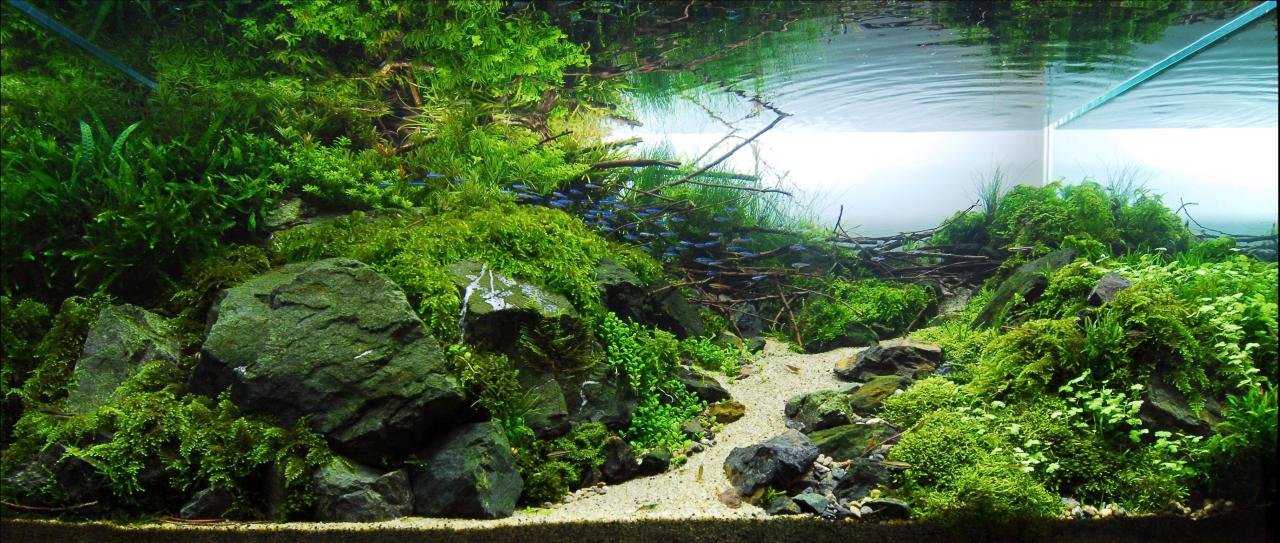
Creating a stunning large-scale aquascape involves meticulous selection and strategic placement of aquatic plants to establish depth, harmony, and visual appeal. Proper plant choices not only enhance the aesthetic but also contribute to the biological stability of the ecosystem, supporting fish and invertebrates. Understanding the unique needs of various plant species and how to organize them effectively is essential for a balanced and thriving aquatic environment.
In large aquascapes, the diversity of plant types—from carpeting species to towering background plants—allows for a layered, natural look that mimics real-world aquatic habitats. Careful planning in plant arrangement facilitates depth perception, visual interest, and ease of maintenance, ensuring your aquascape remains vibrant and healthy over time.
Suitable Aquatic Plants for Large Aquascapes
Choosing the right plants involves considering their growth habits, lighting requirements, and compatibility with the tank environment. Large aquascapes benefit from a mix of species that offer different textures, colors, and growth forms, creating a dynamic and realistic underwater landscape.
- Carpeting Plants: These form dense, low-growing mats that cover the substrate, providing a lush foreground. Examples include Hemianthus callitrichoides (Dwarf Baby Tears), Eleocharis parvula (Hairgrass), and Glossostigma elatinoides. They require high lighting and CO₂ supplementation for vigorous growth.
- Midground Plants: These plants bridge the foreground and background, adding volume and complexity. Popular choices are Bucephalandra, Anubias nana, Cryptocoryne species, and Java Fern. They typically thrive in moderate lighting and are relatively low-maintenance.
- Background Plants: Tall, bushy plants create the backdrop and structure of the aquascape. Examples include Vallisneria spiralis, Amazon Sword (Echinodorus spp.), and Hygrophila difformis. These species often require high lighting and nutrient-rich substrates to reach their full height and density.
Methods for Planting Densely and Creating Depth
Achieving a natural, layered appearance in large aquascapes involves strategic planting techniques that emphasize depth and perspective. Dense planting provides a lush, mature look, while variation in plant height and placement enhances the three-dimensional illusion.
- Gradual Transition: Start with taller background plants at the rear of the tank, progressively decreasing height toward the foreground. This creates a sense of depth and scale.
- Cluster Planting: Plant groups of the same species close together to form focal points or dense patches, which mimic natural growth patterns and add visual interest.
- Layering: Combine different plant types—short carpeting plants in the front, mid-height plants in the midground, and taller background species—to build a multidimensional landscape.
- Spacing: Maintain adequate gaps initially to allow for growth, but plant densely enough to prevent empty spaces once plants mature, creating a seamless, natural appearance.
Plant Organization Table by Growth Rate, Lighting Needs, and Placement
Organizing plants based on their growth characteristics and environmental needs simplifies maintenance and ensures a balanced aquascape. The following table categorizes common large aquascape plants for clarity:
| Plant Type | Growth Rate | Lighting Needs | Optimal Placement |
|---|---|---|---|
| Hemianthus callitrichoides (Dwarf Baby Tears) | Fast | High | Foreground |
| Vallisneria spiralis | Moderate | Moderate to High | Background |
| Java Fern (Microsorum pteropus) | Slow | Low to Moderate | Midground to Background |
| Echinodorus spp. (Amazon Sword) | Moderate to Fast | High | Background / Centerpieces |
| Cryptocoryne spp. | Slow to Moderate | Moderate | Midground |
| Hairgrass (Eleocharis parvula) | Fast | High | Front / Carpet |
Tips for Maintaining Plant Health and Aesthetic Balance
Ensuring the vitality of plants in a large aquascape requires diligent attention to environmental parameters, nutrient management, and pruning practices. Regular monitoring and maintenance foster a healthy, balanced ecosystem that remains visually appealing.
- Lighting Control: Adjust light intensity and photoperiod to match the needs of the plants, avoiding algae overgrowth and promoting healthy growth.
- CO₂ Supplementation: Provide consistent CO₂ dosing, especially for high-light, fast-growing species, to support lush, vibrant growth.
- Nutrient Dosing: Use comprehensive liquid fertilizers and root tabs tailored to plant requirements, ensuring all macro- and micronutrients are adequately supplied.
- Pruning and Trimming: Regularly prune overgrown or decaying leaves to maintain an organized appearance and promote new growth.
- Algae Control: Balance light, nutrients, and water flow to prevent algae outbreaks, and consider introducing algae-eating species for natural control.
Water Chemistry and Maintenance Protocols
Optimizing water chemistry and adhering to a consistent maintenance routine are fundamental to sustaining a healthy and vibrant large aquascape. Properly managed water parameters promote plant growth, support aquatic life, and prevent issues such as algae overgrowth or equipment failure. Developing a detailed understanding of these parameters and establishing a disciplined maintenance schedule ensures the longevity and visual appeal of your aquascape.
In large aquascapes, the complexity of water chemistry increases due to the volume of water involved and the diversity of plant and animal species. Regular monitoring and adjustments are essential to maintain ideal conditions, minimize fluctuations, and promote a stable environment that mimics natural ecosystems.
Water Parameter Requirements for Large Aquascapes
Maintaining precise water parameters is crucial for the health of aquatic plants and fauna within large aquascapes. Key parameters include pH, General Hardness (GH), Carbonate Hardness (KH), and nutrient levels. Each of these influences biological processes, algae control, and plant vitality.
- pH: Most aquatic plants thrive in a pH range of 6.5 to 7.5. Large aquascapes often require stable pH levels to prevent stress on plants and fish. Sudden pH fluctuations can lead to biological imbalance and harm aquatic life.
- GH and KH: GH measures the total dissolved minerals, primarily calcium and magnesium, essential for plant growth. KH stabilizes pH by buffering acids and bases in the water. For large aquascapes, maintaining GH between 4-8 dGH and KH around 3-6 dKH creates a conducive environment for a variety of plant species.
- Nutrient Levels: Nutrients such as nitrate, phosphate, potassium, and trace elements must be carefully balanced. Excess nutrients can cause algae blooms, while deficiencies hinder plant development. Regular supplementation or dosing, based on test results, supports healthy plant growth.
Water Testing and Adjustment Procedures
Consistent testing and timely adjustments are vital for maintaining optimal water parameters. Use reliable test kits and digital meters for precise readings, and record results to track trends over time.
- Sample Collection: Collect water samples at the same time each week, preferably in the morning before lights turn on, to ensure consistency.
- Testing: Measure pH, GH, KH, nitrate, phosphate, and other relevant nutrients. Use test kits validated for aquarium use, and consider digital meters for more accuracy in critical parameters.
- Analysis and Adjustment: Compare results against target ranges. Adjust parameters using appropriate solutions or additives:
- Use pH buffers cautiously to stabilize pH without causing swings.
- Adjust GH and KH with mineral supplements designed for aquariums.
- Manage nutrient levels through controlled dosing of fertilizers or water changes.
- Record Results: Keep a log of test results, adjustments made, and observed changes to facilitate long-term stability and troubleshooting.
Maintenance Schedule and Tasks
Implementing a structured maintenance schedule minimizes risks of water quality deterioration and equipment malfunction. Regular and systematic care ensures that the aquascape remains vibrant and healthy.
- Weekly:
- Conduct water tests for pH, GH, KH, nitrate, and phosphate.
- Perform partial water changes of 10-20% to dilute accumulated wastes and replenish minerals.
- Check and clean filters, pumps, and other equipment to prevent blockages and ensure optimal flow.
- Monthly:
- Inspect and replace filter media as needed.
- Test for trace elements and replenish via fertilization if deficiency is detected.
- Clean glass surfaces and remove any algae buildup from hardscape and plants.
- Quarterly:
- Conduct comprehensive water chemistry analysis, including testing for trace metals and dissolved organic compounds.
- Perform deep cleaning of all equipment, including substrate vacuuming if applicable.
- Evaluate plant health, prune overgrown areas, and replant as necessary to maintain aesthetic balance.
| Frequency | Tasks |
|---|---|
| Weekly |
|
| Monthly |
|
| Quarterly |
|
Aquascaping Techniques and Artistic Approaches
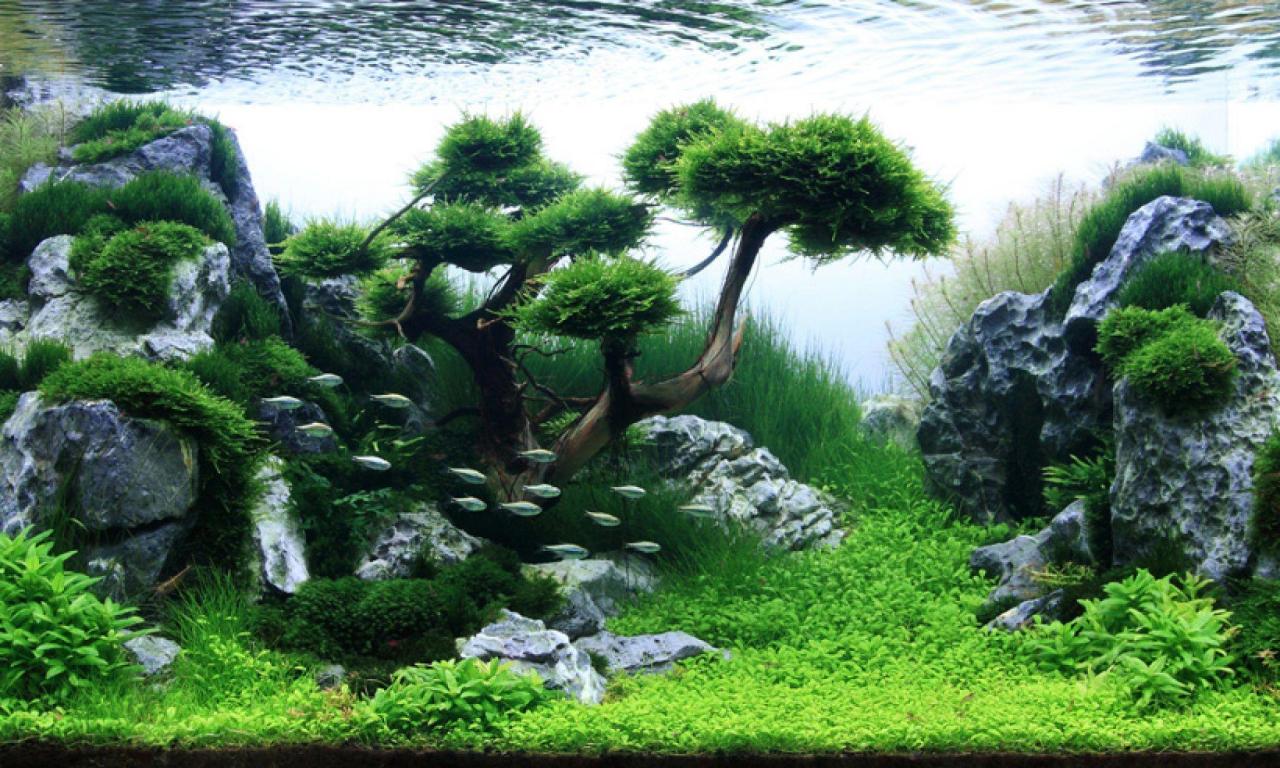
Creating a stunning large aquarium aquascape requires a blend of technical skill and artistic vision. Mastering advanced styling techniques enhances the depth, realism, and visual impact of the underwater landscape. These methods allow aquascapers to craft immersive environments that mimic natural habitats while showcasing their unique creative expressions. Whether aiming for a serene natural scene or a dramatic artistic statement, understanding and applying these techniques elevates the overall quality of the aquascape.To achieve compelling compositions, aquascapers utilize strategic layering, perspective, and focal points.
These principles help guide the viewer’s eye through the landscape, creating a sense of depth and harmony. Combining these techniques with a thoughtful selection of hardscape and plant materials results in dynamic, balanced, and naturalistic aquascapes that captivate and inspire.
Advanced Styling Techniques
Advanced styling techniques in large aquascapes involve meticulous planning and execution to simulate natural environments convincingly. Layering involves arranging different heights and densities of plants and hardscape to create a multi-dimensional effect, giving the impression of a natural, thriving ecosystem. Perspective is employed to create depth by manipulating the size, placement, and focus of elements, leading the viewer’s gaze into the scene.Focal points serve as visual anchors within the aquascape, often achieved through contrasting colors, unique hardscape features, or prominent plant specimens.
These points draw attention and serve as the centerpiece of the design, providing a sense of purpose and coherence to the overall layout. Techniques such as using foreground plants to frame a background mountain or riverbed, and positioning hardscape elements asymmetrically for a natural feel, are commonly used to enhance realism.
Creating Naturalistic Landscapes
Designing naturalistic landscapes involves replicating geological and ecological features found in wild habitats. Mountains can be constructed using basalt or slate rocks, carefully stacked and secured to emulate rugged terrains. Riverbeds are created with smooth, rounded gravel or sand, often lined with aquatic plants that mimic riparian vegetation, and positioned to guide the viewer’s eye along the flow of water.Forests and densely planted areas are achieved through the strategic placement of various aquatic plants with differing heights, textures, and shades of green.
Gradual transitions between hardscape and plant elements are essential to avoid artificiality, achieved through layering and selective pruning. Incorporating features like driftwood or root structures enhances authenticity, providing shelter for fauna and creating complex habitats.
Step-by-Step Construction of Dynamic Compositions
Constructing a balanced and dynamic aquascape involves a series of deliberate steps that ensure harmony and visual interest:
- Plan the Layout: Sketch the design considering focal points, layering, and perspective. Decide on the main feature and secondary elements.
- Prepare Hardscape: Place large rocks and wood first, creating the foundational structure. Use principles of asymmetry for a natural look.
- Build the Background: Position taller plants and hardscape elements at the back to add depth. Use midground plants for transitional zones.
- Add Foreground Plants: Place low-growing, bright plants at the front to frame the scene and provide contrast.
- Incorporate Details: Add smaller rocks, driftwood, and specialized plants to create complexity and interest.
- Fine-tune Composition: Adjust element placement, prune plants for shape, and ensure focal points are prominent and balanced.
This systematic approach ensures the aquascape remains visually engaging from multiple angles while maintaining ecological stability and aesthetic appeal.
Examples of Aquascaping Styles
Different aquascaping styles lend unique character and atmosphere to large aquariums:
- Nature Aquarium Style: Inspired by natural landscapes, emphasizing realism, harmony, and simplicity. Uses natural materials like rocks and driftwood combined with lush plants.
- Iwagumi Style: Focuses on minimalism with carefully selected stones arranged in asymmetrical groups, creating a tranquil mountain landscape impression.
- Jungle Style: Dense plant growth mimics tropical rainforests, with a focus on lush greenery and complex plant arrangements to evoke wild, untouched environments.
- Biotope Style: Replicates specific natural habitats, including characteristic flora and fauna, such as Amazonian or African river biotopes, fostering ecological accuracy.
Each of these styles leverages different artistic approaches and technical techniques, allowing aquascapers to express their creativity while respecting ecological principles and visual balance.
Fish and Invertebrate Selection for Large Aquascapes
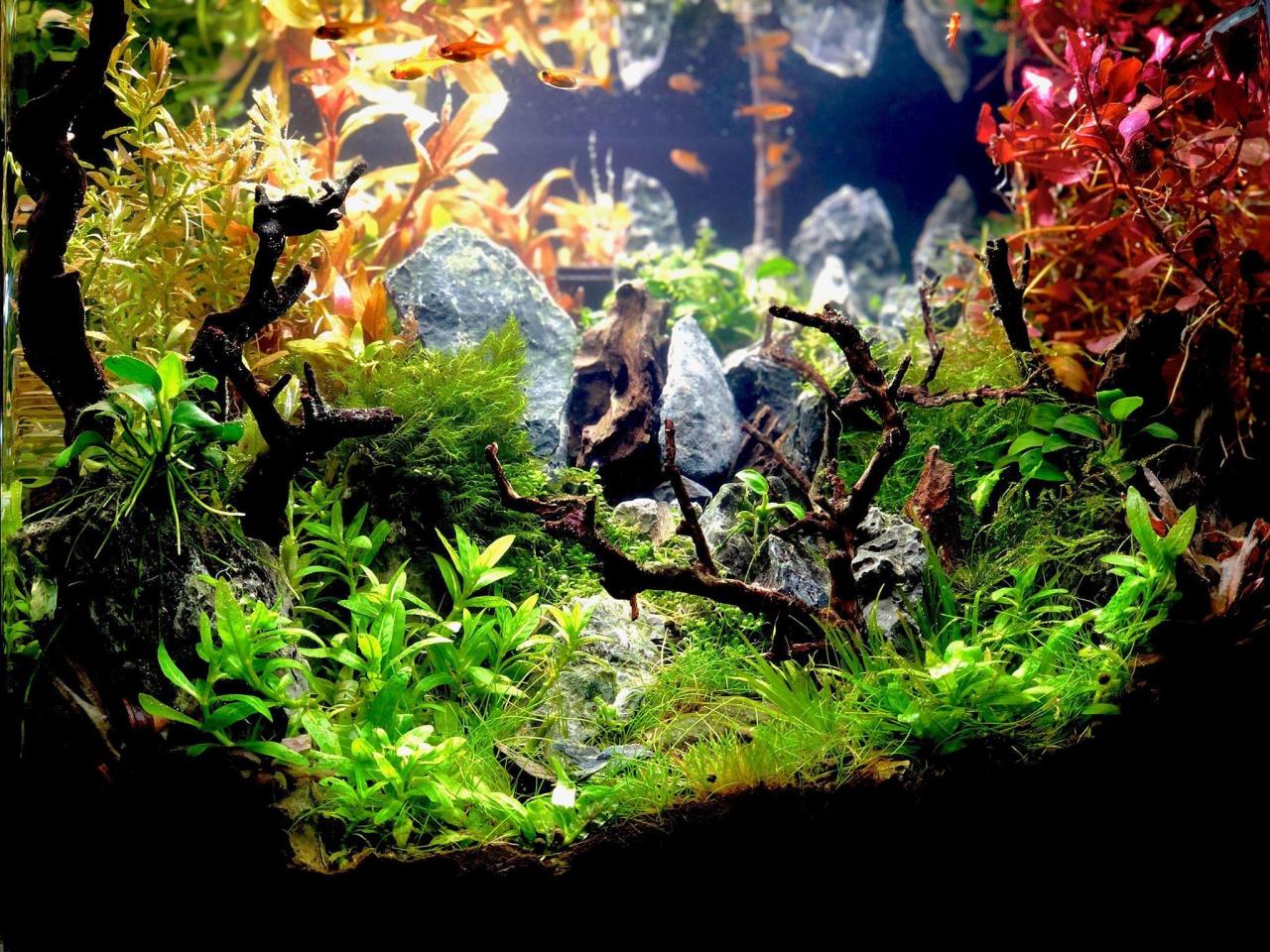
Choosing the right fish and invertebrates is essential for establishing a thriving, balanced ecosystem within a large aquascape. The selection process requires careful consideration of species compatibility, environmental needs, and the overall aesthetic vision. Integrating aquatic life seamlessly enhances the visual appeal while promoting a healthy, sustainable environment. Proper selection and management of these inhabitants contribute significantly to the success of large planted tanks, fostering natural behaviors and ecological balance.Selecting appropriate species involves understanding their specific requirements, behavioral traits, and interactions within the aquatic community.
Compatibility ensures that species coexist peacefully without undue stress or aggression, which is particularly vital in expansive environments where larger populations may be introduced. Additionally, choosing invertebrates that perform beneficial roles, such as algae control and substrate aeration, can help maintain water quality and reduce maintenance efforts.
Compatible Fish and Invertebrate Species for Large, Planted Tanks
When planning a large aquascape, it is important to select species that are compatible with the plant life and other inhabitants, as well as those that thrive under similar water conditions. The following are some of the most suitable options:
- Small to Medium-Sized Fish: Species like Tetras, Rasboras, and Corydoras catfish are popular choices due to their peaceful nature and adaptability to planted environments.
- Large Community Fish: Larger species such as Angelfish or Gouramis can be incorporated if space and tank conditions permit, provided they are compatible with other inhabitants.
- Invertebrates: Amano shrimp, Nerite snails, and Scarlet Badis are effective for algae control and substrate cleaning without disrupting plant roots or fish behavior.
Introducing aquatic animals into a large aquascape requires careful planning to ensure their health and safety. Proper acclimation techniques are crucial for minimizing stress and preventing shock. The most common method involves gradually adjusting the temperature and water chemistry of the new inhabitants to match the tank conditions, often using a drip acclimation process over several hours. This careful transition helps reduce the risk of disease and mortality, ensuring a smooth integration into the established ecosystem.
Species Table with Details on Size, Behavior, and Environmental Needs
| Species | Size (Adult) | Behavior | Environmental Needs |
|---|---|---|---|
| Neon Tetra | 1.5 inches | Peaceful, schooling | Temperature: 72-78°F, pH: 6.0-7.0, soft water |
| Harlequin Rasbora | 1.5 inches | Peaceful, shoaling | Temperature: 72-80°F, pH: 6.5-7.5, moderate water hardness |
| Corydoras Catfish | 2-3 inches | Bottom dweller, peaceful | Temperature: 70-78°F, pH: 6.0-7.5, soft to moderate water hardness |
| Amano Shrimp | 1-1.5 inches | Algae eater, scavenger | Temperature: 70-78°F, pH: 6.0-8.0, soft to medium hardness |
| Nerite Snail | 1 inch | Algae control, peaceful | Temperature: 72-78°F, pH: 7.0-8.2, adaptable to various conditions |
Appropriate species selection balances aesthetics, behavior, and ecological needs, promoting a harmonious and sustainable large aquascape.
Guidelines for Stocking Density
Maintaining an optimal stocking density is vital for ecological stability, water quality, and the health of aquatic inhabitants. Overcrowding can lead to increased waste, oxygen depletion, and stress among species, while understocking may result in an unbalanced ecosystem lacking natural interactions. In large aquascapes, the key is to follow guidelines that promote a thriving community without exceeding the tank’s filtration and biological capacity.
As a general rule, a community tank should support about one inch of fish per gallon of water, but this varies with species, behavior, and filtration efficiency. In large planted tanks, providing ample swimming space and hiding spots allows species to exhibit natural behaviors while minimizing territorial disputes. A typical approach is to stock fish at about 1-2 inches per 10 gallons, with more active or larger species adjusted accordingly.
Regular monitoring of water parameters, combined with a sensible stocking plan, ensures ecological balance and reduces the risk of overpopulation.
Conclusive Thoughts
In conclusion, successfully aquascaping a large aquarium requires thoughtful planning, precise execution, and ongoing maintenance. By integrating artistic design with practical considerations, you can create a captivating underwater world that is both functional and aesthetically impressive. With dedication and care, your large aquascape will become a mesmerizing display of nature’s beauty that brings joy and tranquility for years to come.