Learning how to treat aquarium plants with bleach dip offers a practical approach to sterilize and prepare aquatic plants for healthy growth within your ecosystem. Properly executed, this method can effectively eliminate pests, algae, and harmful pathogens that may threaten your aquatic environment.
Understanding the correct procedures, safety precautions, and post-treatment care is essential to ensure that your plants remain vibrant and healthy. This guide provides comprehensive insights into the process, benefits, and potential risks associated with bleach dips for aquarium plants, empowering hobbyists to maintain a thriving aquatic landscape.
Understanding Aquarium Plants and Bleach Dips
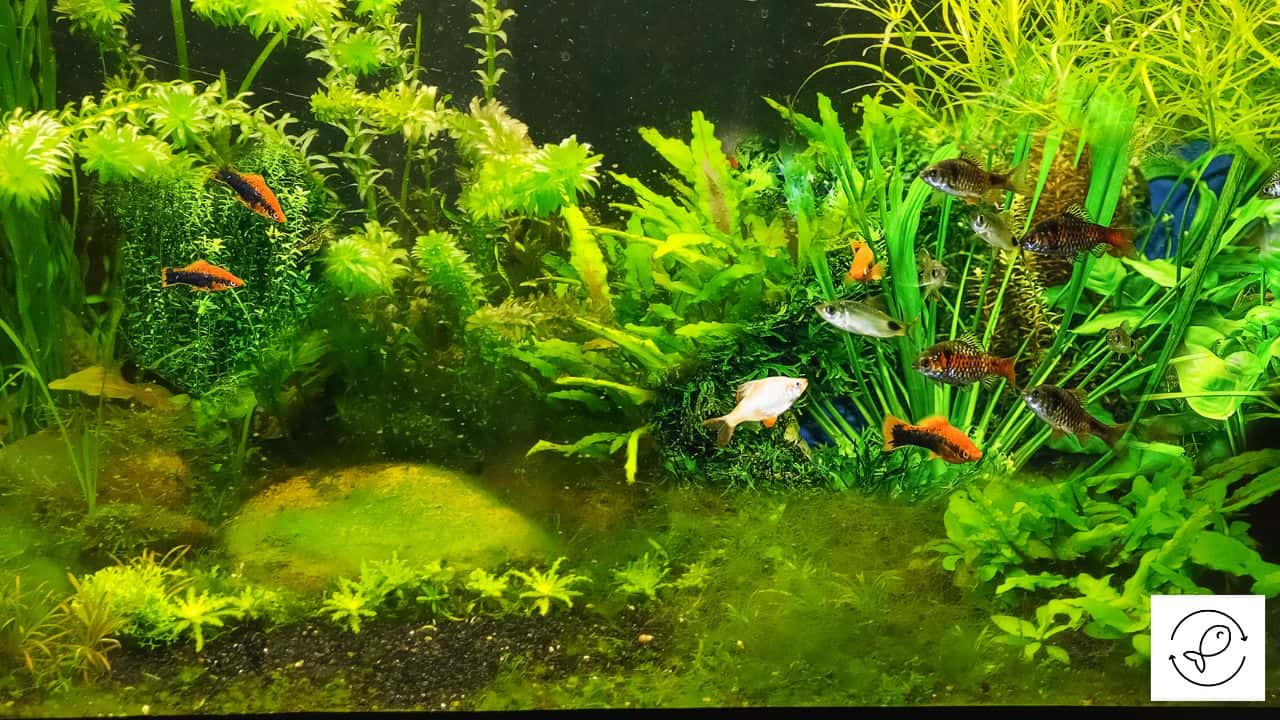
Aquarium plants are vital components of a healthy aquatic ecosystem, contributing to oxygen production, nutrient absorption, and providing shelter for aquatic inhabitants. When maintaining these plants, especially during quarantine or pest control procedures, chemical treatments such as bleach dips are commonly employed. Understanding the purpose, benefits, risks, and suitability of bleach dips for certain plant types is essential for ensuring their health and longevity.
A bleach dip involves immersing aquarium plants in a diluted bleach solution to eliminate pests, algae, or harmful microorganisms. This method is a practical solution for restoring plant health and preventing disease transmission. However, it requires careful handling to avoid damaging the plants or disrupting the aquatic environment. Not all aquarium plants respond equally to chemical treatments; selecting appropriate plant species and applying the correct procedure enhances success and minimizes risks.
Purpose of Using Bleach Dips for Aquarium Plants
Bleach dips serve as an effective sterilization process to eradicate pests, algae spores, and pathogens that may be present on the surface of aquatic plants. These unwanted organisms can cause infestations, disease outbreaks, or hinder plant growth, ultimately affecting the overall health of the aquarium ecosystem. By employing a controlled bleach solution, aquarists can ensure that their plants are free from harmful contaminants before introducing them into a tank or after treatments that may have introduced pests.
Benefits and Risks of Chemical Treatments
Utilizing chemical treatments like bleach dips offers several advantages, including quick eradication of pests, reduction of algae spores, and sterilization of plant surfaces. Properly conducted, bleach dips can save time and effort compared to manual removal or prolonged chemical exposure.
Nevertheless, there are inherent risks associated with chemical treatments. Excessive or improperly diluted bleach solutions can damage plant tissues, leading to discoloration, wilting, or death. Moreover, residual bleach must be thoroughly rinsed to prevent toxicity within the aquarium. Overuse or incorrect application can also weaken plants, making them more susceptible to disease or decay.
Types of Aquarium Plants Suitable for Bleach Dips
Not all aquatic plants are suitable candidates for bleach dips. The effectiveness and safety of the treatment depend on the plant species and their tolerance to chemical exposure. Generally, hardy plants with robust tissues tend to withstand the process better than delicate or sensitive species.
Suitable plants typically include:
- Java Fern (Microsorum pteropus): Known for its resilience and ability to tolerate brief chemical exposure.
- Anubias species: Hardy and slow-growing plants that can often withstand bleach treatments if carefully managed.
- Vallisneria: A tough, root-based plant that generally recovers well after treatment.
- Cryptocoryne: With proper dilution, these plants can be safely treated, though some sensitivity exists.
Conversely, delicate plants such as certain species of Riccia, Micranthemum, or mosses like fissidens and Taiwanese moss may suffer damage from bleach dips and should be treated with alternative sterilization methods.
Preparing for a Bleach Dip Treatment
Proper preparation is essential to ensure the safe and effective use of bleach dips when treating aquarium plants. This process involves creating a suitable solution, gathering the necessary materials, and adhering to safety protocols to prevent harm to both the plants and the aquarist. A well-organized approach minimizes risks and maximizes the benefits of the treatment, helping to eradicate pests, algae, or pathogens without compromising plant health.
Careful planning and attention to detail during preparation lay the foundation for a successful bleach dip. Understanding the correct concentrations and handling procedures ensures that the treatment is both safe for your aquatic plants and effective against unwanted organisms. The following steps Artikel the necessary preparations to optimize the bleach dip process.
Step-by-Step Guide to Preparing a Safe Bleach Solution
- Determine the appropriate bleach concentration based on the specific needs of your plants and the pests or diseases being targeted. Typically, a dilute solution around 3-5% is used, but this can vary depending on the plant species and infestation severity.
- Use a clean, non-reactive container such as a plastic or glass bucket to prepare the solution. Avoid metal containers, as bleach can react with metal and degrade the solution.
- Measure the correct amount of household bleach (usually containing 5-6% sodium hypochlorite). For example, to prepare a 3% solution, dilute 1 part bleach with approximately 1.7 parts water.
- Add the measured bleach to water slowly, stirring gently to ensure thorough mixing. Use a stirring stick or clean utensil made of plastic or glass.
- Double-check the concentration by calculating the dilution ratio to ensure safety and effectiveness. Use a bleach calculator or consult manufacturer’s guidelines as needed.
- Prepare a rinse or neutralizing solution, such as dechlorinated water, for afterward to remove residual bleach from the plants.
Necessary Materials and Safety Equipment
Having all materials ready before starting the bleach dip process helps ensure a smooth and safe procedure. Proper safety equipment is crucial to protect your skin, eyes, and respiratory system from harmful chemicals.
- Household bleach (containing sodium hypochlorite)
- Measuring cups or graduated cylinders for accurate volume measurement
- Non-reactive mixing container (plastic or glass)
- Stirring stick or utensil made of plastic or glass
- Gloves made of rubber or nitrile to prevent skin contact
- Eye protection such as safety goggles
- Mask or respirator if working in poorly ventilated areas
- Dechlorinated or dechlorination solution (e.g., water treated with dechlorinator or aged water) for rinsing
- Disposable towels or cloths for handling plants and cleaning up
Bleach Concentration and Purpose Table
Understanding the appropriate bleach concentration is vital for tailoring the treatment to specific plant conditions and pest issues. The following table summarizes common bleach concentrations and their typical uses in aquarium plant treatment:
| Bleach Concentration | Purpose | Typical Duration of Dip | Notes |
|---|---|---|---|
| 1-2% | Gentle pest removal, algae control | 1-3 minutes | Suitable for delicate plants; minimal damage risk |
| 3-5% | General disinfection, pest eradication | 2-5 minutes | Commonly used for most aquarium plants; monitor closely |
| 6-10% | Severe infestation, stubborn algae | 30 seconds to 2 minutes | High concentration; requires careful handling and rinsing |
Note: Always verify the exact concentration of your household bleach product and adjust dilution accordingly. Excessively high concentrations can damage plants, while too low may be ineffective against pests or pathogens.
The Process of Bleach Dipping Aquarium Plants
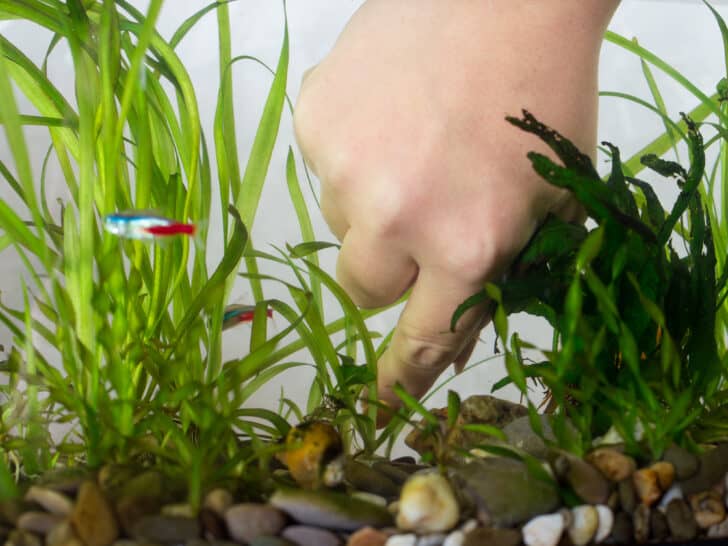
Implementing a bleach dip for aquarium plants is an effective method to eliminate harmful pests, algae spores, and bacterial pathogens that can compromise plant health and overall tank stability. This process requires careful preparation and precise execution to ensure that plants are sanitized without incurring damage, thus maintaining their vitality and aesthetic appeal in the aquatic environment.
The key to a successful bleach dip involves understanding the correct concentration, timing, and handling techniques. Proper execution not only eradicates unwanted organisms but also preserves the delicate tissues of the plants, allowing them to recover quickly and thrive within their aquarium setting.
Designing the Bleach Dip Procedure
To ensure an efficient and safe treatment, a detailed and methodical approach must be followed. The primary goal is to create an environment that is potent enough to disinfect while gentle enough to prevent plant tissue damage.
- Prepare a Fresh Bleach Solution: Use a household bleach that contains around 5-6% sodium hypochlorite. Mix a dilute solution, typically around 1 part bleach to 19 parts dechlorinated water, to achieve a 0.25% to 0.5% sodium hypochlorite concentration. Always use fresh solution for each treatment session to ensure maximum efficacy.
- Trim and Rinse Plants: Before dipping, carefully trim dead or decaying leaves and roots. Rinse the plants gently in dechlorinated water to remove any debris and reduce organic matter that could interfere with the bleach’s effectiveness.
- Immerse Plants in the Bleach Solution: Submerge the plants fully in the prepared solution, ensuring all surfaces are in contact with the disinfectant. Use a gentle, non-abrasive tool or gloved hand to support delicate species, preventing unnecessary tearing or crushing.
- Timing Guidelines: Limit immersion time based on plant sensitivity and species. Typically, 1 to 3 minutes is sufficient for most hardy aquatic plants. Delicate species may require shorter exposure, around 30 seconds to 1 minute, to prevent tissue damage.
- Monitoring and Removal: Carefully observe the plants during the immersion. If signs of chlorosis (yellowing) or tissue deterioration appear, immediately remove the plants from the solution to prevent overexposure.
- Thorough Rinsing Post-Dip: After the designated time, rinse the plants extensively in dechlorinated water to remove residual bleach. This step is critical to halt the chemical reaction and ensure no harmful residuals remain.
- Post-Treatment Care: Allow the plants to recover in a clean, aerated tank or container with dechlorinated water for several hours before reintroducing them into the main aquarium. Monitor for signs of stress or damage and provide optimal lighting and nutrients to promote recovery.
Proper timing and gentle handling during bleach dipping are essential to prevent plant tissue damage. Always adjust exposure duration based on plant species and observe closely for adverse reactions to ensure successful treatment.
Safe Reintroduction of Plants into Aquarium
After completing a bleach dip treatment, it is essential to carefully evaluate the health of your aquarium plants before reintroducing them into the aquatic environment. Proper assessment and acclimation are crucial to ensure the plants recover fully and continue to thrive without posing risks to your fish or other aquatic inhabitants. This process helps maintain a healthy ecosystem and prevents potential issues such as plant decay or disease transmission.Assessing plant health post-treatment involves inspecting the plants for signs of stress, damage, or decay.
Look for fresh, healthy leaves and stems, and check for any discoloration, transparent or mushy tissue, or excessive shedding of leaves. Plants that show signs of vigorous growth and minimal damage are suitable candidates for replanting. Conversely, plants that exhibit extensive browning, soft tissue, or persistent dieback may need additional treatment or removal to prevent decay from affecting the overall tank environment.Before replanting, it is advisable to rinse the plants gently with dechlorinated water to remove any residual chemicals or debris from the treatment process.
Gradually acclimate the plants to the aquarium conditions by immersing them in water with similar parameters—such as temperature and pH—as the main tank. This minimizes shock and encourages healthy adaptation.Monitoring techniques are vital to observe plant recovery and ensure their successful integration into the aquarium. Regular visual inspections should include checking for new growth, leaf coloration, and overall vigor. Employing non-invasive methods, such as using a magnifying glass to inspect leaf surfaces for signs of pests or disease, can be helpful.
Maintaining optimal lighting and nutrient levels, along with consistent water quality, supports plant recovery and growth. Documenting changes over time, such as growth rates and color improvements, provides valuable insights into the plant’s health status and guides further care adjustments.
Assessing Plant Health and Signs of Recovery
Evaluating the health of reintroduced plants involves checking for specific indicators of vitality. Healthy plants typically display vibrant coloration, firm stems, and new growth points. Observe for the emergence of new leaves or stems, which signals active recovery. Conversely, signs of stress include yellowing, browning, or wilting leaves, as well as any physical deterioration such as soft or slimy tissue.
Plants that do not show signs of improvement within a few weeks may require additional treatment, repotting, or removal to prevent adverse effects on the aquarium environment.
Guidelines for Acclimating Recovered Plants
Proper acclimation involves a gradual transition from the treatment or storage environment to the main aquarium. Start by immersing the plants in a container of water that matches the tank’s temperature, pH, and lighting conditions. Slowly introduce small amounts of aquarium water into the container over several hours, allowing the plants to adjust without sudden changes. Once the plants appear resilient and show consistent signs of health, they can be carefully replanted into the substrate or attached to decorations.
This process reduces stress and encourages healthy adaptation.
Monitoring Techniques for Ensuring Plant Recovery
Effective monitoring combines visual observation with environmental management. Regularly inspect plants for new growth, color improvement, and absence of disease or pests. Utilize test kits to monitor water parameters—such as ammonia, nitrite, nitrate, and phosphate levels—and ensure they remain within optimal ranges for plant health. Maintaining stable conditions with proper lighting, CO₂ supplementation if necessary, and appropriate fertilization supports ongoing recovery.
Documenting observations, including growth rate and physical condition, helps identify any issues early and adjust care routines accordingly.
Potential Challenges and Troubleshooting
While bleach dipping can be an effective method for sterilizing aquarium plants and eliminating pests, it may present certain challenges that require careful attention and troubleshooting. Recognizing common issues early and understanding how to address them can help ensure your plants recover well and remain healthy in your aquarium environment.
Some of the most frequent problems encountered during bleach treatment include plant discoloration, tissue decay, and incomplete pest removal. Addressing these issues involves adjusting treatment protocols and implementing proper aftercare procedures to minimize plant stress and maximize treatment efficacy.
Common Issues Encountered During Bleach Dipping
When applying a bleach dip, several issues can arise that impact plant health or the success of the sterilization process. These include bleaching of plant coloration, tissue damage, and root decay. It is essential to monitor plants closely during and after treatment to identify and mitigate these problems promptly. Variations in bleach concentration, dip duration, and rinsing procedures often contribute to these complications.
Solutions for Plant Discoloration or Decay
Discoloration and decay are common signs of stress or overexposure to bleach. Implementing specific solutions can help mitigate these negative effects and promote plant recovery:
- Reduce bleach concentration: Use a milder solution, such as 1:20 or 1:30 bleach-to-water ratio, especially for sensitive plants.
- Shorten dip duration: Limit the exposure time to 30 seconds to 1 minute depending on plant resilience.
- Increase rinsing and neutralization: Rinse plants thoroughly with dechlorinated water to remove residual bleach, and consider soaking in a solution of water with a small amount of dechlorinator or activated carbon to neutralize remaining chemicals.
- Apply a nutrient boost: After treatment, provide plant nutrients through liquid fertilizers or root tabs to aid recovery and enhance coloration.
- Prune damaged tissue: Carefully trim any visibly decayed or discolored parts to prevent further deterioration and encourage healthy new growth.
Adjustments in Treatment Protocol
Different circumstances may call for modifications in the bleach dipping process to optimize results and reduce plant stress. Here are some treatment adjustment strategies:
- Alter bleach concentration: Increase or decrease bleach strength based on plant species sensitivity, with more delicate plants needing milder solutions.
- Modify dip duration: Shorten or extend the exposure time considering the plant’s response, always prioritizing minimal stress.
- Enhance rinsing procedures: Implement multiple rinses with dechlorinated water or use activated carbon to ensure complete removal of bleach residues.
- Employ neutralizing agents: Use solutions containing sodium thiosulfate or commercial neutralizers designed for bleach detoxification to prevent tissue damage.
- Introduce post-treatment recovery steps: After bleaching, place plants in a nutrient-rich, low-light environment to facilitate healing and reduce further stress.
Successful troubleshooting involves balancing effective sterilization with plant safety. Adjusting variables such as bleach concentration, dip duration, and post-treatment care is essential for maintaining healthy aquarium plants and preventing long-term damage.
Alternative Methods to Bleach Dips for Aquarium Plants
While bleach dips are effective for sterilizing aquatic plants, several other techniques can also help ensure the health and safety of your aquarium ecosystem. Exploring these methods provides options tailored to different plant types, sensitivities, and personal preferences, allowing aquarists to choose the most suitable approach for their setup.
Alternative sterilization and cleaning methods include using hydrogen peroxide treatments or applying boiling water. Each technique offers distinct advantages and considerations, making them viable options based on plant species, aquarium conditions, and desired outcomes.
Hydrogen Peroxide Treatments
Hydrogen peroxide (H₂O₂) is a popular disinfectant in aquarium maintenance owing to its ability to kill algae, bacteria, and parasites without long-lasting chemical residues. When used properly, it can effectively sterilize plant surfaces and remove unwanted biofilms or pests.
- Pros:
- Acts quickly, often within minutes.
- Breaks down into water and oxygen, leaving no toxic residues.
- Less damaging to sensitive plants compared to stronger chemical dips.
- Cons:
- Requires precise concentration control to avoid plant damage.
- Overexposure can lead to leaf burn or tissue damage.
- May not be effective against all pests or spores if not applied correctly.
Typically, a dilute solution of 3-5% hydrogen peroxide is used, with plants submerged for just a few minutes before thorough rinsing. It’s essential to monitor the plants during treatment for any signs of stress.
Boiling Water Sterilization
Applying boiling water is one of the simplest and most immediate sterilization methods. It effectively kills pathogens and pests on plant surfaces through thermal destruction, making it suitable for hardy plants.
- Pros:
- Fast and chemical-free, eliminating concerns about chemical residues.
- Inexpensive and readily accessible; just requires boiling water and a container.
- Effective against many pests, eggs, and fungal spores.
- Cons:
- High risk of damaging or killing delicate plants during the boiling process.
- Potential for tissue damage if plants are exposed too long or at excessive temperatures.
- Not suitable for all plant species, especially soft-leaved or sensitive types.
For delicate plants, it is advisable to dip them briefly into boiling water for just a few seconds to avoid overheating. Hardy aquatic plants such as Anubias or Java fern generally tolerate this method well.
Comparison of Alternative Methods
| Method | Effectiveness | Plant Safety | Ease of Use | Environmental Impact |
|---|---|---|---|---|
| Hydrogen Peroxide | High against bacteria, fungi, and pests; adjustable concentration improves control | Moderate; careful handling required to prevent tissue damage | Moderate; requires precise measurement and timing | Breaks down into water and oxygen, environmentally friendly |
| Boiling Water | High for pathogens and pests; physical destruction | Variable; safe for hardy plants, risky for delicate ones | Simple and quick; minimal equipment needed | Zero chemical waste; fully natural process |
Choosing between these alternatives depends on plant sensitivity, infestation severity, and personal safety considerations. Both methods can be effective when applied correctly, providing versatile options beyond bleach dips for maintaining healthy aquarium plants.
Precautions and Safety Considerations
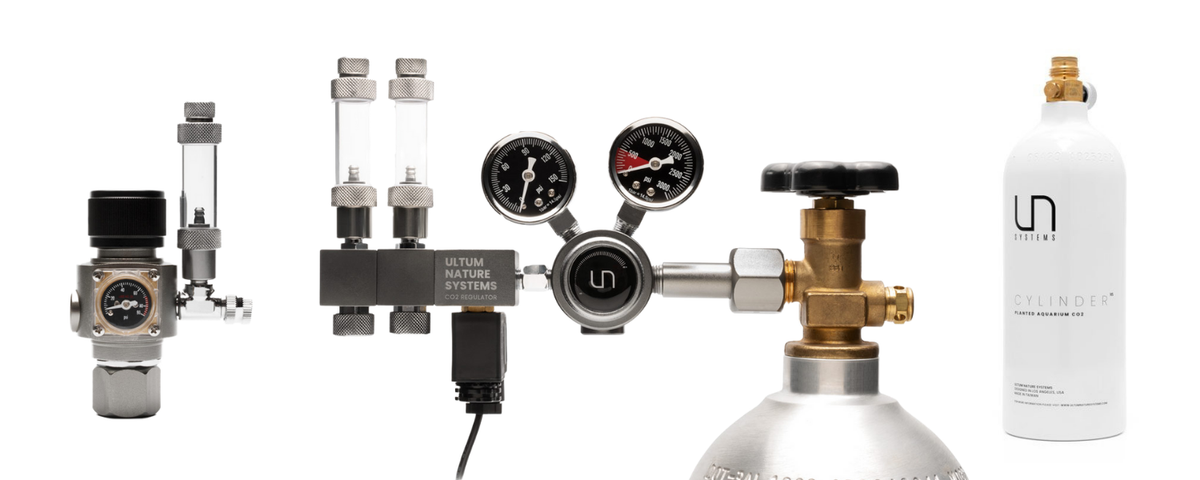
Handling bleach and chemical treatments for aquarium plants requires meticulous attention to safety to prevent harm to both the handler and the aquatic environment. Proper safety measures ensure that the treatment process remains effective while minimizing risks associated with chemical exposure. Awareness and adherence to safety protocols are essential for a secure and environmentally responsible approach to aquarium plant maintenance.When working with bleach and other chemicals, understanding the potential hazards is crucial.
Bleach contains sodium hypochlorite, a strong oxidizing agent that can cause skin irritation, eye damage, and respiratory issues if mishandled. Additionally, improper handling or disposal can lead to environmental contamination, affecting aquatic life beyond the targeted plants. Consequently, adopting a cautious approach with appropriate protective gear and environmental safeguards is vital to ensuring safety throughout the treatment process.
Safety Tips for Handling Bleach and Chemicals
To effectively manage bleach dips while prioritizing safety, it is necessary to follow established guidelines and best practices:
- Always read and follow the manufacturer’s instructions carefully before using bleach or any chemical agents. This includes understanding the recommended concentration, exposure time, and disposal procedures.
- Handle bleach in well-ventilated areas to minimize inhalation of fumes, which can cause respiratory irritation or more serious health issues. Consider using a fume hood or working outdoors when possible.
- Use dedicated tools and containers for mixing and applying bleach solutions to prevent accidental contamination or misuse.
- Never mix bleach with other household chemicals, especially ammonia or acids, as this can produce toxic gases such as chloramine or chlorine gas, which pose serious health risks.
- Limit exposure by working cautiously and avoiding direct contact with bleach or chemical solutions.
Protective Gear and Environmental Precautions
Employing proper protective equipment and environmental safeguards is critical when performing bleach dips on aquarium plants:
Protective gear includes chemical-resistant gloves, safety goggles or face shields, and a long-sleeved apron or lab coat to prevent skin and eye contact with bleach solutions.
- Wear gloves made from nitrile or rubber to guard against skin absorption and irritation, especially during prolonged handling or accidental spills.
- Use safety goggles or face shields to protect eyes from splashes or fumes, which can cause burns or temporary blindness.
- Perform bleach dips in a designated area away from children, pets, and other household occupants to prevent accidental ingestion or contact with hazardous substances.
- Ensure proper ventilation in the workspace to disperse fumes effectively and reduce inhalation risks.
- Prepare a spill kit with absorbent materials, neutralizing agents (such as sodium thiosulfate), and disposal containers to address accidental spills promptly and safely.
Disposal Procedures and Handling Checklist
Proper disposal of chemical residues and contaminated materials is essential to prevent environmental pollution and health hazards:
- After completing the bleach dip, thoroughly rinse all equipment and containers with water to remove residual chemicals.
- Neutralize leftover bleach solutions using sodium thiosulfate or similar neutralizing agents, following the recommended ratios and procedures provided on safety data sheets.
- Dispose of neutralized waste in accordance with local regulations, typically through designated hazardous waste collection facilities or municipal waste programs.
- Do not pour bleach or chemical residues directly into sinks, storm drains, or natural water bodies, as this can harm aquatic ecosystems.
- Document and label waste containers clearly to prevent accidental misuse or improper disposal.
- Store unused chemicals in a secure, labeled container, away from children and pets, and in accordance with storage guidelines specified by the manufacturer.
Maintaining strict safety standards during bleach dips not only protects individuals but also ensures that aquarium environments remain healthy and sustainable. Proper handling, protective measures, and disposal protocols are integral to responsible aquarium management and environmental stewardship.
Final Thoughts
Mastering how to treat aquarium plants with bleach dip equips you with a valuable technique for maintaining clean and healthy plants while minimizing risks. When performed carefully and followed by proper rinsing and monitoring, this method can significantly enhance the success of your aquatic setup. With the right knowledge and precautions, your plants will flourish, contributing to a beautiful and balanced aquarium environment.