Rearranging aquarium plants is a vital task that influences the overall health and aesthetic appeal of your aquatic environment. When performed correctly, it enhances the aquarium’s visual harmony, promotes healthy plant growth, and ensures the safety of your aquatic inhabitants. Understanding the proper techniques and precautions can make this process both effective and stress-free, resulting in a thriving underwater landscape that captivates observers and benefits your aquatic ecosystem.
This guide provides comprehensive insights into safely replanting and reorganizing aquatic plants, from preparation and techniques to environmental considerations and maintenance. With careful planning and attention to detail, you can transform your aquarium into a vibrant, balanced, and beautiful habitat while minimizing risks such as plant damage or water quality issues.
Understanding the Importance of Safe Rearrangement of Aquarium Plants
Proper handling and careful rearrangement of aquarium plants are vital components of maintaining a healthy aquatic environment. While restructuring plants can enhance the visual appeal and promote better growth, it is essential to prioritize safety to prevent disruptions that could jeopardize the well-being of fish and other aquatic inhabitants. Recognizing the significance of safe practices ensures the longevity of the plants and the overall stability of the aquarium ecosystem.
Inappropriate handling or hasty rearrangement can lead to several issues, including damage to delicate plant tissues, increased algae growth, and compromised water quality. These risks highlight the importance of a deliberate and gentle approach to modifying plant arrangements. When done correctly, rearranging plants not only improves the aesthetic appeal but also fosters a balanced environment where aquatic life can thrive.
A well-planned process minimizes stress on the fish, prevents uprooting of beneficial bacteria colonies, and encourages healthy plant development, ultimately creating a resilient and visually appealing aquatic setting.
Risks of Improper Plant Rearrangement
Understanding the potential hazards associated with careless handling emphasizes why safety measures are crucial. When aquarium plants are disturbed abruptly or forcefully, several adverse outcomes may occur:
- Damage to Plant Tissues: Rough handling can tear or bruise delicate leaves and stems, impeding plant growth or causing death.
- Increased Algae Blooms: Disturbance of settled substrate and plant debris can release nutrients into the water, fostering undesirable algae proliferation.
- Displacement of Beneficial Bacteria: The biological filtration process relies heavily on bacterial colonies attached to plant surfaces and substrates. Disrupting these colonies can lead to spikes in ammonia and nitrite levels, jeopardizing fish health.
- Stress to Fish and Other Inhabitants: Sudden changes in the environment may cause stress or territorial disputes among fish, leading to health issues or behavioral problems.
Benefits of a Thoughtful Rearrangement Process
Implementing a careful and planned approach to rearranging aquarium plants delivers numerous advantages beyond aesthetic improvements. These include:
- Enhanced Visual Appeal: Strategically positioning plants can create a more natural and pleasing landscape, mimicking the fish’s natural habitat and providing hiding spots.
- Promotion of Healthy Growth: Proper spacing ensures adequate light penetration and circulation, preventing overcrowding and encouraging vigorous plant development.
- Maintenance of Ecosystem Stability: By preserving beneficial bacteria colonies and minimizing substrate disturbance, the biological balance remains intact, supporting a healthy aquatic environment.
- Reduced Risk of Algae Outbreaks: Well-planned plant layouts limit excess nutrients and reduce dead plant matter that could fuel algae growth.
Adopting a considerate and systematic approach to plant rearrangement promotes a sustainable and thriving aquarium environment. It ensures that both the aesthetic and biological aspects of the setup are optimized, leading to a healthier habitat for aquatic life and a more enjoyable viewing experience.
Preparing for Aquarium Plant Rearrangement
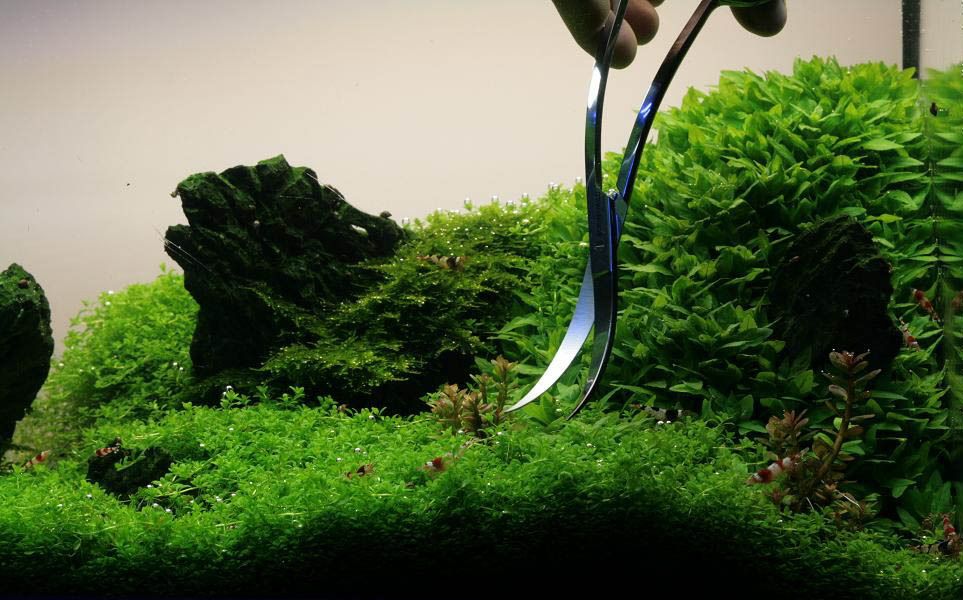
Effective and safe rearrangement of aquarium plants begins with thorough preparation. Proper planning ensures minimal stress for aquatic life, preserves plant health, and results in a more aesthetically pleasing and balanced aquarium environment. Establishing a systematic approach to gathering tools, assessing current plant conditions, and reviewing the overall setup is essential for a smooth transition.
Preparing adequately not only safeguards the wellbeing of your aquatic ecosystem but also streamlines the process, saving time and reducing the risk of accidental damage. Careful planning and organization are key components of successful plant rearrangement, allowing aquarists to achieve desired visual outcomes while maintaining a healthy aquatic environment.
Gathering Tools and Materials
Having the right tools and materials ready before starting the rearrangement can significantly improve safety and efficiency. Carefully selecting and organizing these items ensures that the process proceeds smoothly without unnecessary interruptions or risks.
- Aquarium-safe scissors or plant shears: Essential for trimming and separating plant roots or stems with precision, minimizing damage to the plant tissue.
- Tweezers or aquascaping forceps: Useful for gently handling delicate plants and placing them accurately within the substrate or decorations.
- Aquarium substrate spatula or scoop: Facilitates repositioning plants within the substrate without disturbing nearby flora or affecting water quality.
- Algae scraper or pad: Keeps the glass surfaces clean, providing clear visibility during the rearrangement process.
- Water change equipment: Including siphons or gravel vacuums to remove debris and prepare the tank for replanting.
- Dechlorinated water or conditioning solutions: Necessary for refilling or topping up the tank after rearrangement.
Ensure all tools are thoroughly cleaned before use to prevent introducing contaminants or pathogens into the aquarium. Using dedicated aquascaping tools rather than household items reduces the risk of cross-contamination and maintains a sterile environment for sensitive plants and fish.
Assessing Plant Health and Growth Patterns
Before moving any plants, it is crucial to evaluate their health and growth characteristics. Understanding the current condition of your aquatic plants helps determine their suitability for relocation and guides the planning of their new positions within the tank.
Healthy plants typically display vibrant coloration, firm leaves, and vigorous growth, while signs of stress or disease include discoloration, wilting, or the presence of algae or pests. Identifying these issues allows for targeted treatment or quarantine measures to prevent the spread of problems during rearrangement.
Analyzing growth patterns involves observing how plants are spreading and their root development. Some species, such as Vallisneria or Amazon swords, grow quickly and may require division or thinning, whereas others, like crypts or mosses, grow more slowly and need gentle handling.
Regularly inspecting root systems and leaf structures provides insights into whether a plant is thriving or needs pruning. Properly healthy plants are more resilient during replanting and establish themselves more rapidly in their new locations.
Keeping detailed notes or photographs of plant conditions prior to rearrangement can assist in tracking changes and planning future adjustments. This assessment step ensures that only robust plants are moved, reducing the likelihood of loss and promoting a healthy, sustainable aquatic environment.
Rearrangement Checklist for Aquarists
Establishing a comprehensive checklist helps aquarists systematically prepare for the plant rearrangement process. This proactive approach minimizes oversight, ensures safety, and supports the achievement of desired aquascaping results.
- Gather all necessary tools and confirm their cleanliness and functionality.
- Inspect plants for signs of health, disease, or pest infestation.
- Identify plants that require pruning, division, or removal prior to repositioning.
- Test water parameters to ensure optimal conditions for plant adjustment, including pH, temperature, and nutrient levels.
- Perform a partial water change if water quality is suboptimal or to reduce debris.
- Plan new placement for each plant, considering growth habits and lighting needs.
- Prepare the substrate in areas designated for new planting, ensuring it is firm and adequately nutrient-rich.
- Have dechlorinated water ready for refilling or topping up after rearrangement.
- Ensure safety measures are in place, such as wearing gloves and using tools carefully to prevent injury or plant damage.
- Inform all involved persons or family members about the process to prevent accidental disturbances during the procedure.
Utilizing this checklist promotes a methodical and safe approach to aquarium plant rearrangement, ultimately contributing to a healthier and more visually appealing aquatic environment.
Techniques for Safely Rearranging Aquarium Plants
Rearranging aquarium plants requires careful techniques to ensure the health and stability of the aquatic environment. Proper handling minimizes stress on the plants, reduces the risk of damage, and promotes healthy growth after the rearrangement process. Employing gentle methods, strategic trimming, and secure anchoring are essential components of a successful transition.
Precise methods for plant removal, trimming, and anchoring help maintain the integrity of both the plants and the aquatic ecosystem, ensuring a visually appealing and healthy aquarium. Below are detailed techniques and best practices to facilitate safe and effective plant rearrangement.
Gentle Removal of Plants
Handling aquarium plants delicately is crucial to prevent root and stem damage. The process involves careful extraction from the substrate or decorations, especially for densely rooted or delicate species. The following techniques facilitate safe removal:
- Use aquatic plant scissors or tweezers to gently loosen the roots from the substrate, avoiding force that can damage fragile stems or roots.
- Moisten hands or tools before handling to reduce stress and improve grip, especially for soft-leaved plants.
- For rooted plants, gently grasp the base near the roots and lift slowly, supporting the plant to prevent tearing or breakage.
- Remove debris, detritus, or algae from roots during extraction to promote healthy replanting.
Best Practices for Trimming and Pruning
Trimming and pruning are vital before rearrangement to encourage healthy growth, control plant size, and prevent overgrowth that may interfere with other aquatic life. Proper techniques include:
- Use sharp, sterile scissors or pruning shears to make clean cuts, reducing the risk of infection or disease.
- Remove dead or decaying leaves and stems to promote vitality and prevent decay from affecting neighboring plants.
- Trim back overgrown sections to desired heights, maintaining a balanced aesthetic and preventing overshadowing of lower plants.
- Prune in a way that leaves healthy, undamaged tissue, encouraging new growth and overall plant vigor.
Note: Always trim above nodes or leaf axils to stimulate lateral growth and prevent regrowth issues.
Safe Techniques for Anchoring Plants
Securely anchoring plants ensures they remain stable after replanting, especially in dynamic environments with water movement or active fish. The following methods promote secure placement:
- Insert roots deeply into the substrate, ensuring they are well-embedded to prevent floating or shifting.
- Use inert plant weights, specially designed plant pins, or small rocks to hold stems or rhizomes in place within the substrate or on decorations.
- For plants with delicate roots, gently bury the root crown first, then gradually cover roots while avoiding air pockets or loose soil.
- When attaching plants to decorations, use fishing line or plant-safe adhesive, ensuring that materials do not harm the plant or aquatic environment.
Comparison of Planting Methods for Various Plant Types
Different aquatic plants require specific planting techniques based on their growth habits and structural features. The table below highlights suitable methods for common plant categories:
| Plant Type | Recommended Planting Method | Details |
|---|---|---|
| Rooted Plants (e.g., Anubias, Java Fern) | Attach to decorations or bury roots carefully in substrate | For these plants, it’s often better to attach their rhizomes or roots to rocks or wood, avoiding burying the crown to prevent rot. |
| Stem Plants (e.g., Hygrophila, Ludwigia) | Insert stems into substrate or anchor with weights | Ensure stems are planted vertically, with enough substrate to support roots, and trim to manageable heights. |
| Floating Plants (e.g., Water Lettuce, Frogbit) | Allow to float freely or anchor lightly with weights | They do not require planting; anchoring helps control movement and keeps them in desired positions. |
| Bulb or Rhizome Plants (e.g., Amazon Sword, Cryptocoryne) | Plant rhizomes horizontally or vertically in substrate | Avoid burying the crown; cover roots while leaving the rhizome exposed for growth and health. |
Environmental Considerations During Rearrangement
Ensuring the health of your aquarium during plant reorganization is crucial for maintaining a stable and thriving aquatic environment. Proper attention to water quality, minimal stress to aquatic life, and appropriate lighting and flow adjustments are essential components of a successful process. These measures help preserve the delicate balance within your tank and promote rapid recovery of your plants and aquatic inhabitants following any disturbance.Rearranging aquarium plants involves temporarily disturbing the established ecosystem, which can impact water parameters and the well-being of fish and invertebrates.
By proactively managing these factors, you can mitigate adverse effects and support the recovery of your aquatic environment efficiently. Maintaining optimal water conditions, reducing stress, and adjusting lighting and flow are key to ensuring a smooth transition with minimal disruption.
Maintaining Water Quality and Parameters
During plant rearrangement, water quality can be affected by increased sediment, uneaten debris, or accidental disturbance of substrate and filtration systems. It is vital to monitor and manage water parameters consistently to prevent issues such as ammonia spikes, pH fluctuations, or oxygen depletion. Regular testing of ammonia, nitrite, nitrate, pH, and dissolved oxygen levels is recommended before, during, and after the process.
Performing partial water changes—typically 10-20%—can help dilute any accumulated toxins or debris that may affect water clarity and quality. Ensuring that filtration systems are functioning optimally helps maintain biological stability, as beneficial bacteria colonies are sensitive to sudden changes and disturbances.
Consistent water quality management during plant reorganization enhances the resilience of your aquatic ecosystem and accelerates recovery.
Minimizing Stress on Aquatic Life
Aquatic animals are sensitive to changes in their environment, especially during physical disturbances like plant moves. To minimize stress and prevent health issues, it is important to implement gentle handling and maintain stable conditions throughout the process.Reducing activity in the tank during rearrangement, such as limiting feeding and avoiding unnecessary disturbances, helps keep fish and invertebrates calm. Using a temporary holding container or a separate quarantine tank for sensitive species can provide a safe space during the reorganization.
Additionally, maintaining consistent water temperature, pH, and oxygen levels helps prevent shock.Providing hiding spots or shaded areas during and immediately after the rearrangement can further alleviate stress. These refuges allow your aquatic inhabitants to retreat and feel secure, promoting overall well-being during this transitional period.
Lighting and Flow Adjustments for Plant Recovery
Appropriate lighting and water flow modifications are fundamental in supporting plant health after rearrangement. Plants require proper illumination to carry out photosynthesis effectively, especially when their positioning or orientation has been altered.Adjusting lighting intensity and duration based on the specific needs of the plant species involved is essential. For example, low-light plants such as Anubias or Java Fern may only need subdued lighting, whereas high-light species like certain stem plants may require increased intensity.
Gradually reintroducing higher light levels prevents stress or algae overgrowth.Flow adjustments help prevent debris accumulation around newly positioned plants and ensure nutrient distribution. Moderate water flow promotes oxygenation, which is vital for root development and overall plant vitality. After rearrangement, monitoring coral and plant responses allows for timely adjustments—such as increasing circulation or light exposure—to optimize recovery.
By carefully managing environmental factors during plant reorganization, aquarists can foster a healthy, balanced ecosystem that supports both plant growth and the well-being of aquatic inhabitants.
Post-Rearrangement Maintenance and Monitoring
Ensuring the ongoing health and vitality of aquarium plants after rearrangement is crucial for maintaining a balanced and thriving aquatic environment. Proper observation, water quality checks, and routine care help address potential issues early and promote healthy plant growth, contributing to the overall stability of the tank ecosystem.Effective post-rearrangement maintenance involves diligent monitoring of plant adaptation and growth, along with regular water testing to sustain optimal conditions.
This process helps prevent common problems such as algae overgrowth or plant dieback, ensuring the aquarium remains a vibrant and healthy habitat for aquatic life.
Monitoring Plant Adaptation and Growth
Regular observation of the plants following rearrangement provides insights into how well they are acclimating to their new positions and conditions. Monitoring includes checking for new growth, color vibrancy, and overall plant stability. It is essential to distinguish between healthy adaptation and signs of stress or decline.Observe the following indicators to assess plant health:
Signs of healthy plant adaptation include:
- Fresh new leaves emerging at the tips of stems or rhizomes
- Vibrant coloration without browning or yellowing
- Steady growth rates over successive weeks
- Firm, upright stems and leaves without wilting or drooping
Indicators of potential problems requiring intervention include:
- Wilting or drooping leaves
- Discoloration, such as browning or translucent patches
- Stunted or no new growth over several weeks
- Unusual algae growth around plant bases or leaves
Consistent inspection, ideally weekly, allows for early detection of issues such as nutrient deficiencies or physical damage, enabling timely corrective measures.
Water Testing Protocols
Post-rearrangement water quality is fundamental to plant health. Regular testing ensures that parameters remain within optimal ranges, preventing stress or dieback. Testing protocols should be performed at least once a week during the initial month and then bi-weekly as stability is confirmed.Key water parameters to monitor include:
Essential testing parameters:
- pH: Maintain between 6.5 and 7.5 for most aquatic plants.
- Ammonia, Nitrite, and Nitrate levels: Ensure ammonia and nitrite are at zero; nitrates should be below 20 ppm.
- Water hardness (GH and KH): Keep within ranges suitable for plant species, typically GH 3-8 dGH and KH 3-6 dKH.
- Temperature: Maintain stable temperatures, usually between 24-26°C (75-79°F).
Accurate testing kits and consistent sampling at the same time each day enhance reliability. Adjustments to dosing or filtration should be made based on these readings to maintain a stable environment.
Regular Care Schedule and Troubleshooting
Establishing a routine care schedule helps sustain plant health and quickly address emerging issues. This includes routine trimming, nutrient supplementation, and cleaning to prevent algae and detritus buildup. A typical schedule might involve weekly trimming and bi-weekly water changes of 10-20%, alongside routine testing.Common issues such as algae overgrowth or plant dieback are often linked to nutrient imbalances or inadequate lighting.
Troubleshooting steps include:
- Reducing excess nutrients through water changes or adjusting fertilizer dosing.
- Modifying lighting duration or intensity to prevent excessive algae growth.
- Removing dead or decaying plant matter promptly to prevent nutrient spikes.
- Ensuring adequate CO₂ levels if plants show poor growth despite optimal conditions.
Maintaining a detailed log of observations, water parameters, and interventions aids in identifying patterns and refining maintenance routines for ongoing success.
Common Mistakes to Avoid When Rearranging Aquarium Plants
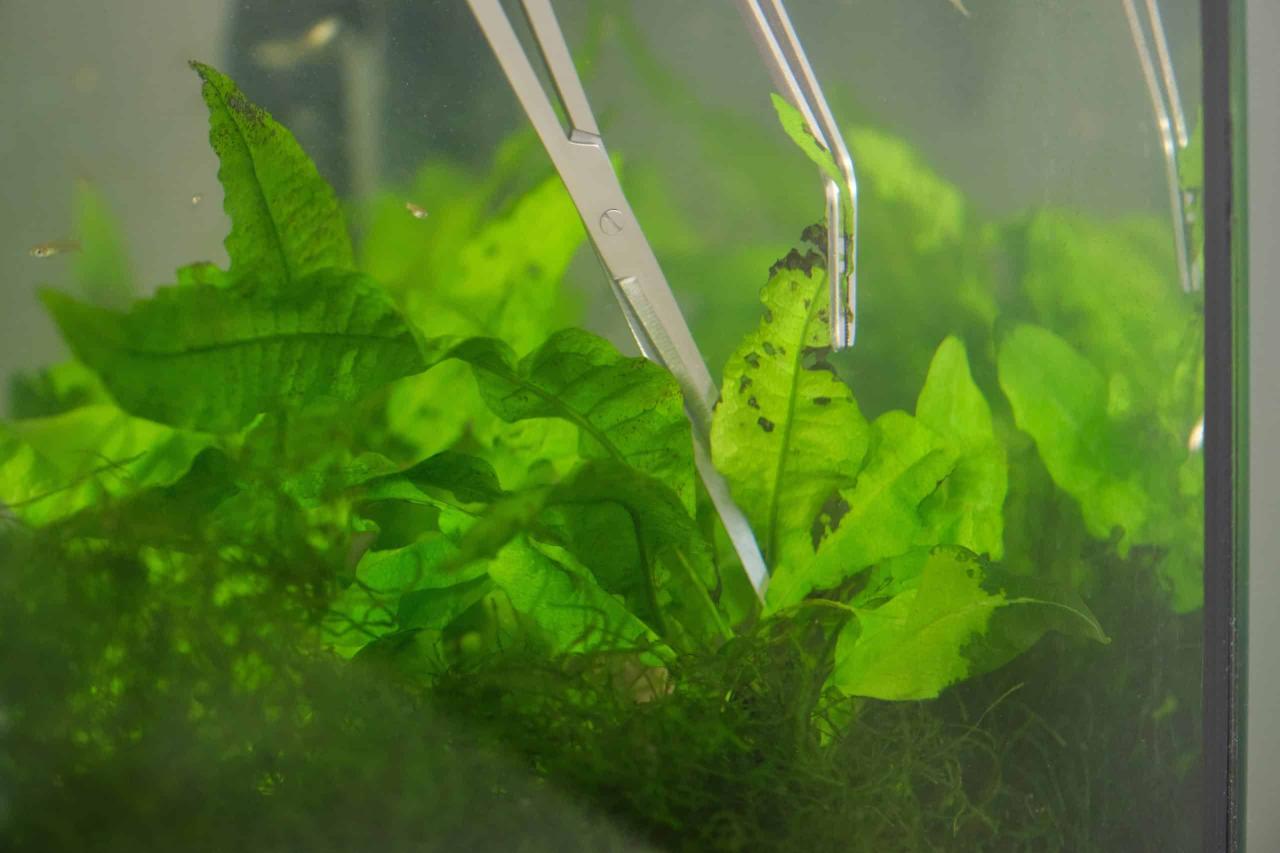
Rearranging aquarium plants is a delicate process that requires careful attention to detail to maintain a healthy aquatic environment. While it can enhance the aesthetic appeal and promote plant growth, certain errors can compromise the overall health of the aquarium ecosystem. Recognizing and avoiding these common mistakes is essential for ensuring a safe and effective plant rearrangement that benefits both plants and aquatic life.Incorrect handling during rearrangement can lead to stress for fish and invertebrates, damage to plant roots, and nutrient imbalances in the water.
By understanding the typical pitfalls and implementing preventive measures, hobbyists can create a thriving underwater landscape that remains vibrant and healthy over time.
Over-Trimming and Excessive Root Disturbance
One of the most frequent mistakes during plant rearrangement involves over-trimming or damaging the root systems of aquatic plants. Roots are vital for nutrient uptake and stability, and unnecessary or aggressive trimming can hinder plant growth or cause them to become unstable in their new positions.To prevent this issue, avoid removing more than one-third of the root system at a time.
Use sharp, sanitized tools for trimming, and handle plants gently to prevent tearing or disturbing the roots excessively. When repositioning, work patiently, ensuring roots are adequately supported in their new substrate without being forcibly pulled or broken.
Improper Anchoring of Plants
Incorrectly anchoring plants after rearrangement can lead to poor growth or plant displacement. For example, plants like Java Ferns or Anubias should not be buried entirely in substrate but instead attached to rocks or driftwood, while rooted plants need secure anchoring to prevent uprooting.Ensure that each plant is anchored firmly but gently, avoiding deep burial of delicate root crowns. Using appropriate anchoring techniques, such as tying with fishing line or placing plants between rocks, helps provide stability and encourages healthy root development.
Nutrient Imbalances Caused by Rearrangement Activities
Rearranging plants can sometimes disturb the nutrient balance within the aquarium, especially if fertilization routines are not adjusted accordingly. Excess disturbance of roots and substrate can release trapped nutrients or disturb existing ones, leading to imbalances that promote algae growth or poor plant health.To mitigate this, monitor water parameters closely following rearrangement, and consider adjusting fertilization schedules based on the new layout.
Incorporating root tabs where necessary and maintaining consistent dosing of macro and micronutrients help sustain a balanced environment. Regular testing of nitrate, phosphate, and iron levels ensures that plants receive adequate nutrition without excess that could trigger unwanted algae blooms.
Minimizing Disturbance to Fish and Invertebrates
Aquarium inhabitants can become stressed or displaced during plant rearrangement, especially if the process is abrupt or overly invasive. Fish and invertebrates rely on a stable environment, and excessive movement can cause stress, leading to health issues or behavioral changes.To minimize disturbance, perform rearrangements gradually when possible, and use a gentle approach. Covering the tank with a towel during work can help reduce stress caused by sudden movements or bright lights.
Additionally, reducing feeding beforehand and performing the activity during times of minimal fish activity, such as early morning or late evening, can help keep the aquatic life calm. Creating a calm environment and handling plants with care will ensure both plants and inhabitants remain healthy and stress-free during the process.
Enhancing Aquarium Aesthetics Through Plant Rearrangement
Rearranging aquarium plants offers a unique opportunity to elevate the visual appeal of your aquatic environment while promoting a healthy ecosystem. Thoughtful placement and selection of plant species can transform a simple tank into a stunning underwater landscape that mimics natural habitats and provides ecological benefits for your aquatic life.
Creative plant layouts not only enhance the beauty of the aquarium but also improve the overall health and stability of the aquatic environment. By understanding the principles of design and plant compatibility, hobbyists can craft captivating scenes that are both aesthetically pleasing and biologically balanced.
Designing Natural-Looking Plant Layouts
Achieving a realistic and harmonious underwater landscape involves mimicking natural aquatic environments. This can be accomplished by creating layered arrangements, varying plant heights, and using focal points to draw the viewer’s eye. Incorporating elements such as gentle slopes, open swimming spaces, and densely planted zones adds depth and authenticity to the aquarium design.
Strategic placement ensures that taller plants are positioned at the back or center to provide depth, while shorter foreground plants create a sense of perspective. Using plants with different leaf shapes and textures adds visual interest, making the scene more dynamic and lifelike. Incorporating features like driftwood or rocks can complement the planting scheme, further enhancing the natural appearance.
Utilizing Different Plant Species for Visual and Ecological Effects
Choosing a diverse mix of plant species allows for creating vibrant, contrasting scenes while supporting ecological balance. Fast-growing plants such as Vallisneria or Hornwort can quickly establish lush backgrounds, whereas slow-growing foreground plants like Java Fern or Anubias provide stability and focal points. Incorporating floating plants like Duckweed or Water Lettuce adds a delicate, airy feel and offers benefits such as shade and nutrient absorption.
Different species also contribute to ecological health by offering habitat for beneficial microorganisms, reducing algae growth, and improving water quality. Selecting plants based on lighting, CO₂ availability, and nutrient requirements ensures their healthy growth and the overall success of the layout.
Successful Rearrangement Themes
Implementing specific themes can significantly impact the visual coherence and appeal of the aquarium. Here are some popular and effective rearrangement themes:
- Natural Riverbed Scene: Incorporating a gentle slope with river-like flow, using plants such as Bacopa and Cryptocoryne, combined with small rocks and driftwood to emulate a natural stream environment.
- Sunset or Sunrise Effect: Utilizing warm-colored plants like Alternanthera or Ludwigia to simulate the warm hues of dawn or dusk, complemented by subdued lighting to enhance the ambiance.
- Sunken Forest: Creating a dense, shaded area with tall, bushy plants like Cabomba and Myriophyllum, alongside submerged woody structures to mimic a submerged woodland area.
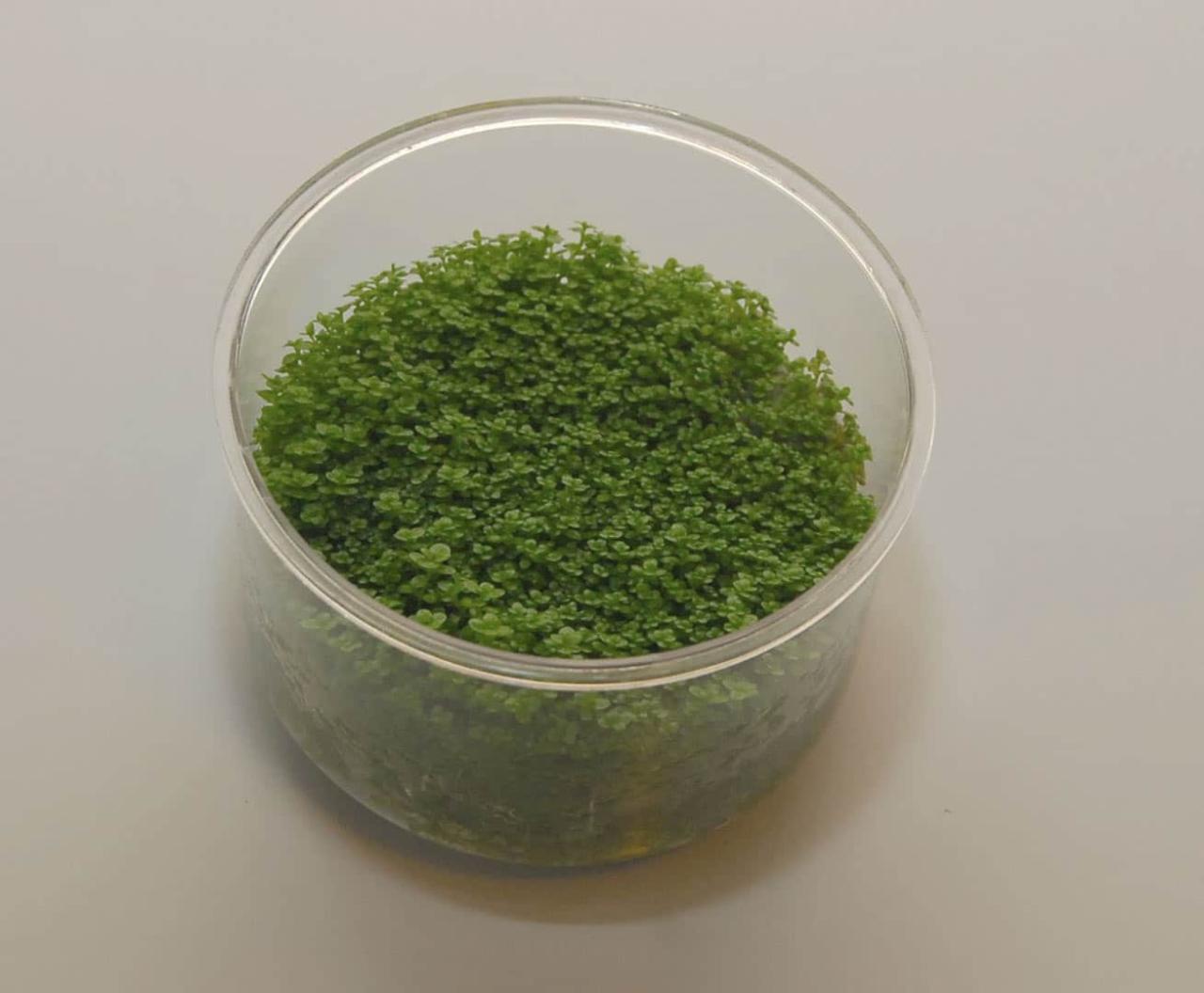
- Open Meadow: Highlighting open spaces with low-growing carpeting plants such as Dwarf Baby Tears or Glossostigma, surrounded by taller background plants for contrast and depth.
- Eco-Friendly Biotope: Designing a layout that closely resembles the natural habitat of native species, using indigenous plants and natural substrates to promote local biodiversity.
Careful planning and creativity in plant arrangement can foster a stunning, naturalistic display that enhances both the aesthetic and ecological value of your aquarium. By selecting appropriate plants, themes, and placement strategies, hobbyists can craft environments that are visually appealing and supportive of healthy aquatic life.
Closure
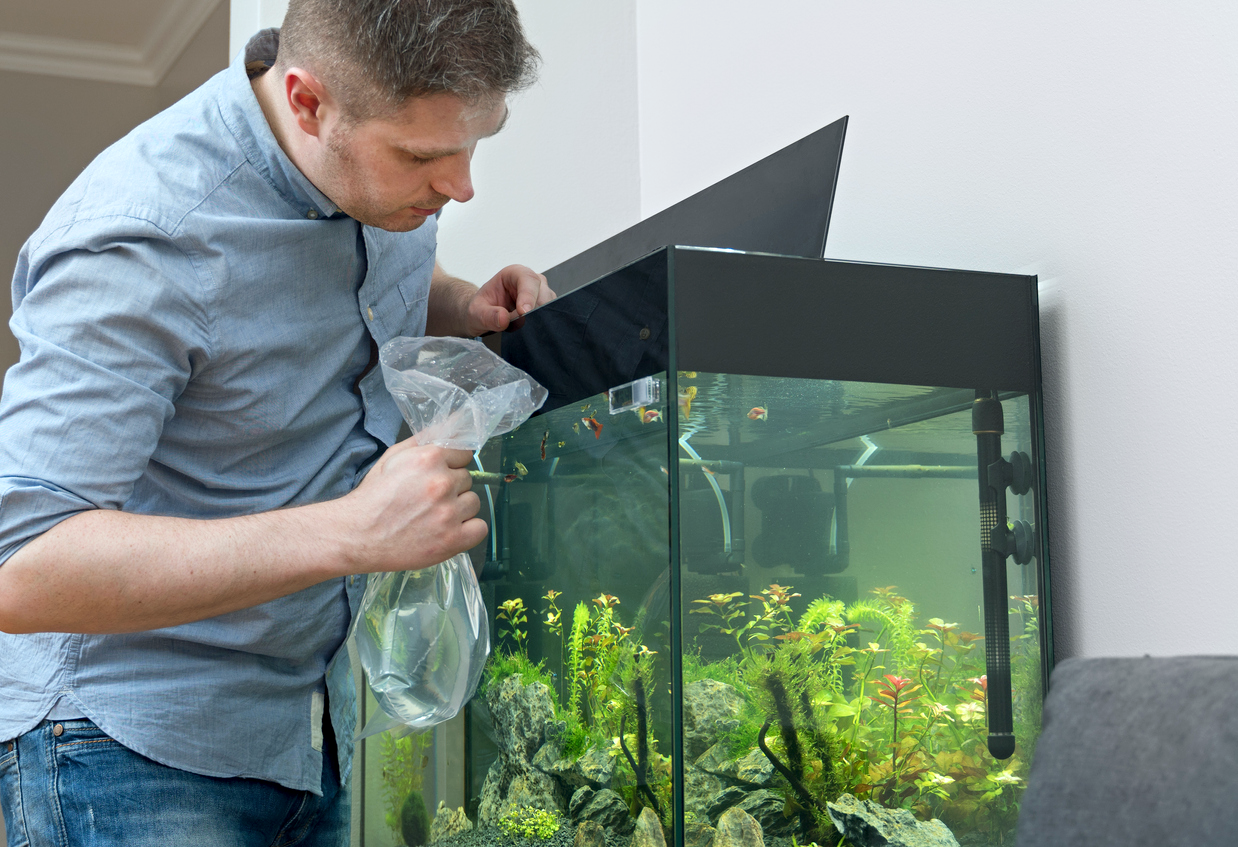
In summary, safely rearranging aquarium plants is essential for maintaining a healthy and attractive aquatic environment. By following proper procedures, avoiding common mistakes, and paying attention to environmental needs, you can ensure that your plants flourish and your aquarium remains a stunning, stable ecosystem. Embrace these practices to enjoy a lively and beautifully arranged underwater world that benefits both plants and aquatic life.