Learning how to sterilize aquarium plants is essential for maintaining a pristine and thriving aquatic ecosystem. Proper sterilization not only ensures the removal of harmful contaminants but also promotes healthier plant growth and fish wellbeing. By understanding effective techniques and best practices, hobbyists can confidently prepare plants for introduction or reintegration into their tanks, avoiding potential issues down the line.
Introduction to sterilizing aquarium plants
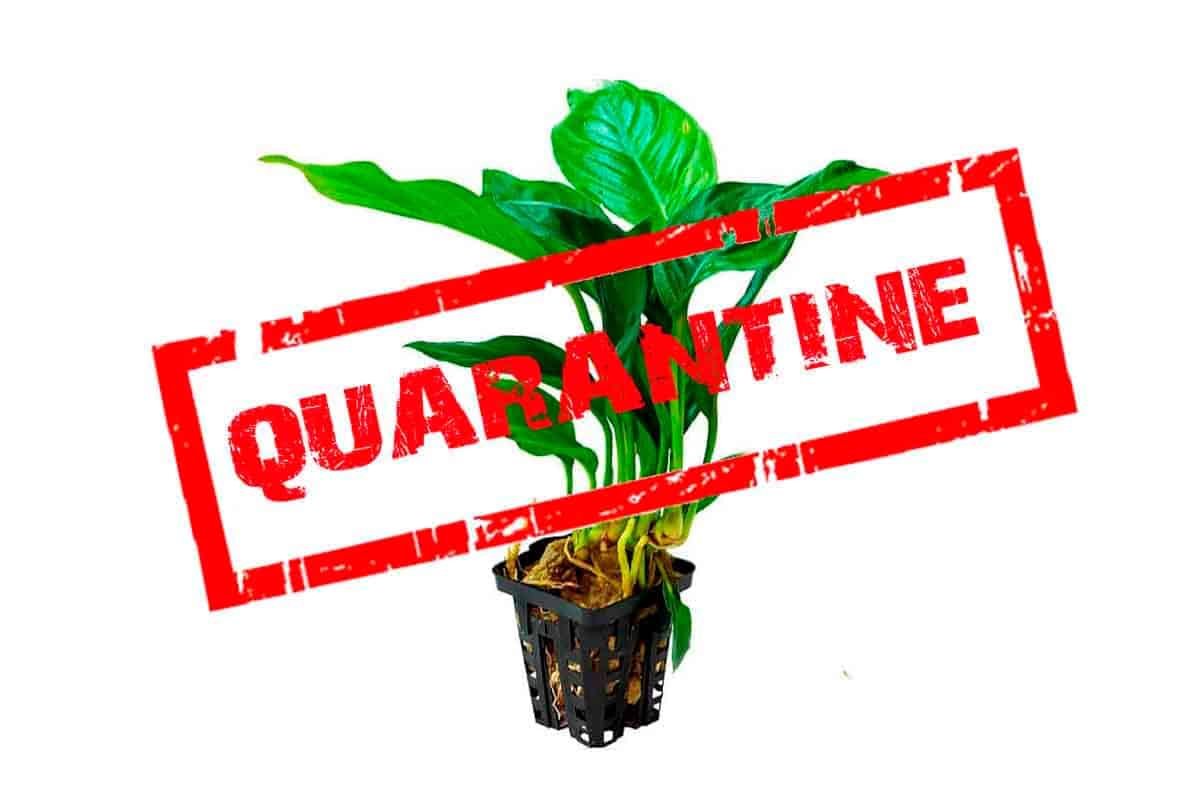
Ensuring the health and vitality of an aquatic environment begins with the proper preparation of the plants that will inhabit the tank. Sterilizing aquarium plants is a crucial step in preventing the introduction of harmful contaminants that could compromise water quality and aquatic life. This process not only safeguards existing inhabitants but also promotes a healthier, more stable ecosystem from the outset.
When plants are harvested from different sources or transferred from another tank, they may carry a variety of contaminants. Common issues include unwanted algae spores, bacterial pathogens, parasites, and residues of pesticides or fertilizers. These contaminants can quickly spread within the tank, leading to outbreaks of algae, disease, or imbalanced water chemistry. Therefore, sterilization acts as an effective barrier against these risks.
Overview of common contaminants found on aquarium plants
Before introducing new plants into an aquarium, it is essential to understand the typical contaminants that might be present on their surfaces or within their tissues. These include:
- Algae spores: Tiny reproductive units of algae that can rapidly grow and spread, causing unsightly growths and competition for nutrients.
- Bacterial pathogens: Harmful bacteria that can induce diseases in fish and invertebrates, as well as cause water quality issues.
- Parasites and pests: Organisms such as snail eggs, hydra, or other tiny pests that can invade the tank and harm inhabitants.
- Residues of chemicals: Pesticides, herbicides, or fertilizers used before harvesting the plants, which may be toxic to aquatic life.
Process and benefits of sterilization before introduction into tanks
The sterilization process involves treating plants to eliminate or reduce the presence of these contaminants, thereby minimizing potential risks. Typically, the process includes soaking the plants in a disinfectant solution or performing a hot water bath, depending on the plant species and source. This practice offers several benefits:
- Prevents diseases and outbreaks: Reduces the likelihood of introducing pathogens or pests that could jeopardize tank stability.
- Promotes healthy growth: Eliminating harmful microorganisms allows plants to establish themselves more effectively without competing for resources.
- Maintains water quality: By removing residues and contaminants, sterilization helps keep ammonia, nitrite, and nitrate levels in check, leading to clearer water and a healthier environment.
- Facilitates acclimatization: Sterilized plants tend to adapt more smoothly to new tanks, reducing stress for both plants and aquatic animals.
Implementing a sterilization protocol as part of the aquarist’s routine ensures that plants contribute positively to the aquatic ecosystem, supporting biodiversity and overall tank health.
Preparation Steps Before Sterilizing
Effective sterilization of aquarium plants begins with meticulous preparation to ensure that the plants are suitable for the process and that the sterilizing environment is safe and efficient. Proper initial handling not only enhances the success rate of sterilization but also minimizes the risk of introducing pests or diseases into the aquarium ecosystem. Taking the right steps beforehand sets a solid foundation for maintaining healthy and vibrant aquatic plants.
Thorough preparation involves selecting healthy plants, cleaning them to remove debris and algae, organizing necessary materials, and following a detailed initial setup protocol. Each of these steps plays a vital role in ensuring that sterilization is carried out effectively, preventing contamination, and promoting the long-term health of the plants and the aquarium environment.
Selecting Healthy Plants for Sterilization
Choosing the right plants is crucial to the sterilization process. Healthy plants are less likely to harbor pests, diseases, or decaying tissue that could compromise the sterilization effort or harm other aquatic life. Visual inspection and careful assessment of the plants’ overall condition are essential steps in this selection process.
- Inspect for signs of disease, such as discolored or decaying leaves, spots, or mold.
- Check for pest infestations like snails, hydra, or other unwanted organisms that can be hidden in crevices or roots.
- Exclude plants with extensive damage, weak stems, or those showing signs of nutrient deficiency, as these are less likely to recover after sterilization.
- Opt for robust, vibrant, and actively growing plants to ensure they can withstand the sterilization process and recover quickly.
Cleaning Procedures for Removing Debris and Algae
Before sterilizing, removing physical debris and algae from the plants improves sterilization efficiency and reduces the risk of contamination. Proper cleaning ensures that sterilizing agents can reach all plant surfaces, particularly crevices and root zones, and that the plants are free from organic matter that could harbor bacteria or fungi.
- Rinse the plants gently under lukewarm, running water to remove loose debris and soil.
- Use a soft brush or toothbrush to carefully scrub away algae, especially on leaves and stems, avoiding damage to delicate tissues.
- For stubborn algae or attached organic matter, soak the plants in a mild vinegar solution (e.g., 1 part vinegar to 10 parts water) for a few minutes, then rinse thoroughly with clean water.
- Inspect the plants again after cleaning to ensure all debris and algae are removed before proceeding to sterilization.
Materials and Safety Equipment Checklist
Preparing a comprehensive list of materials and safety gear ensures a safe and organized sterilization process. Having all necessary items ready minimizes interruptions and reduces the risk of accidental exposure to chemicals or pathogens.
| Material or Equipment | Purpose |
|---|---|
| Sterilizing solution (e.g., bleach, hydrogen peroxide, or commercial sterilizers) | To eliminate harmful microorganisms and pests from plants |
| Protective gloves | To prevent skin contact with chemicals and pathogens |
| Safety goggles | To shield eyes from splashes of sterilizing agents |
| Measuring cups and containers | For accurate mixing of sterilizing solutions |
| Soft brush or sponge | For cleaning and scrubbing plant surfaces |
| Timer or clock | To monitor exposure times during sterilization |
| Neutralizing agent (if applicable) | To safely deactivate sterilizing chemicals after treatment |
| Clean workspace or tray | To organize plants during the process and prevent cross-contamination |
Initial Preparation of Plants Before Sterilization
Proper initial preparation of plants ensures that they are ready for the sterilization process while minimizing stress and damage. This includes trimming, pre-soaking, and organizing the plants to optimize sterilization effectiveness.
- Trim any damaged or decaying leaves and stems using sterilized scissors or pruning tools. Remove excessive or dead foliage to reduce organic load and improve sterilization penetration.
- Pre-soak plants in clean water for 10-15 minutes to loosen dirt, remove remaining debris, and hydrate the plants, which aids in subsequent cleaning and sterilization.
- Arrange plants in a way that allows maximum contact with sterilizing agents, such as placing them in shallow containers or mesh bags for easy handling.
- Label or organize plants by species or origin if multiple types are being sterilized, to prevent accidental mixing or cross-contamination.
- Ensure the workspace is sanitized and that all tools and containers are clean and prepared for the sterilization process to prevent recontamination.
Methods of sterilization for aquarium plants
![Clean Your Aquarium Plants And Keep Your Fish Healthy [2022]](https://teknopath.web.id/wp-content/uploads/2025/09/100_4108.jpg "Clean Your Aquarium Plants And Keep Your Fish Healthy [2022]")
Sterilizing aquarium plants is a crucial step in maintaining a healthy aquatic environment, preventing the introduction of pests, diseases, or unwanted algae. Selecting the appropriate sterilization method depends on the type of plants, the level of contamination, and the safety considerations for both plants and aquatic life. Several techniques, ranging from chemical treatments to physical methods, are available to ensure your plants are free of harmful organisms while preserving their vitality.
Understanding the different sterilization options allows hobbyists and professionals alike to choose the most effective and safe method tailored to their specific needs. Each technique offers unique advantages and limitations, making it essential to evaluate factors such as effectiveness, safety, ease of use, and impact on plant health before proceeding with sterilization.
Chemical sterilization options
Chemical sterilization involves using chemical solutions to eliminate pathogens, pests, and algae on aquarium plants. Among these, bleach solutions are the most common due to their affordability and effectiveness. Proper dilution and contact time are critical to ensure complete sterilization while minimizing damage to the plants.
- Bleach solutions: Typically, a dilute solution of sodium hypochlorite (household bleach) is used. A common recommendation is to prepare a solution with a concentration of
10-20% bleach
by mixing one part bleach with four to nine parts water. The plants should be immersed for a duration of 5-15 minutes, depending on the severity of contamination.
- Post-treatment rinsing is essential to remove residual bleach, which can be harmful to aquatic life if left on the plants. Rinse thoroughly with dechlorinated water or freshwater with dechlorinator added. Allow the plants to soak for an additional 10-15 minutes in clean water before introduction to the aquarium.
While effective, chemical sterilization must be performed carefully to avoid excess plant damage or residual chemical contamination, which can affect fish and invertebrates.
Physical sterilization techniques
Physical methods rely on heat, light, or physical disruption to sterilize aquarium plants. These techniques are generally safer for plant health and do not involve chemical residues, making them preferable in sensitive setups.
- Boiling: Submerging plants in boiling water for 1-3 minutes can effectively kill most pathogens and pests. This method is quick and simple but requires careful handling to avoid damaging delicate plant tissues.
- Steaming: Exposing plants to steam at temperatures above
100°C (212°F)
for approximately 10-15 minutes ensures sterilization. Steaming is particularly useful for larger batches and can penetrate into crevices where pests hide.
- UV Exposure: Ultraviolet light at germicidal wavelengths (around 254 nm) can disinfect plant surfaces. Plants can be placed under UV-C light for 15-30 minutes. This method requires specialized equipment but offers a chemical-free solution that preserves plant vitality.
Physical sterilization techniques are generally safer for plants and the environment but may require more equipment or effort compared to chemical methods.
Comparison table of sterilization methods
| Method | Effectiveness | Safety for Plants & Environment | Impact on Plant Health |
|---|---|---|---|
| Bleach Solution | High; effective against most pathogens and pests when used properly | Moderate; residual chemicals can be harmful if not thoroughly rinsed | Potential for tissue damage if concentration/duration are excessive |
| Boiling | High; effectively kills pests, algae, and many microbes | High; no chemical residues, safe if timing is correct | Moderate; risk of damaging delicate plant tissues with prolonged boiling |
| Steaming | High; penetrates crevices, kills most pests and microbes | High; chemical-free, environmentally friendly | Low; generally safe if plants are not overexposed, but some delicate species may suffer stress |
| UV Exposure | Moderate to High; depends on exposure duration and intensity | High; chemical-free, minimal environmental impact | Low; safe for most plants if exposure is controlled, but excessive UV can damage plant tissues |
Alternative sterilization methods
Aside from traditional approaches, alternative sterilization techniques have gained popularity for their effectiveness and safety.
- Hydrogen Peroxide Dips: A diluted hydrogen peroxide solution (approximately 3%) can be used to dip plants for 5-10 minutes. It effectively kills bacteria, fungi, and some pests without residual toxicity. Rinse thoroughly afterward.
- Commercial Sterilizing Solutions: Products specifically formulated for aquarium plants are available. These solutions often contain proprietary compounds designed to eliminate pests and pathogens while minimizing plant stress. Follow manufacturer instructions carefully for optimal results.
These alternatives are suitable for hobbyists seeking chemical-free options that balance efficacy with plant safety, often with shorter treatment durations and less residual concern.
Detailed Procedures for Chemical Sterilization
Chemical sterilization of aquarium plants is an effective method to eliminate harmful pathogens, algae spores, and pests that may be present on plant surfaces. Proper preparation, application, and rinsing are crucial to ensure the plants are sanitized without compromising their health or the safety of the aquarium environment. This section provides a comprehensive guide to executing chemical sterilization safely and effectively.
Implementing chemical sterilization requires attention to detail, appropriate handling of disinfectants, and adherence to safety protocols. The following procedures Artikel the necessary steps, materials, and precautions to achieve optimal results while preserving the vitality of your aquarium plants.
Preparing a Safe Bleach Solution and Immersion Times
Using household bleach (sodium hypochlorite) is a common and accessible method for chemical sterilization of aquarium plants. Correct preparation of the bleach solution and careful control of immersion times are fundamental to avoid damage to delicate plant tissues and ensure effective sterilization.
Standard concentration for bleach solutions used in sterilization ranges from 0.1% to 0.5% active chlorine. For most aquarium plants, a 0.2% solution often balances efficacy and plant safety.
To prepare a safe bleach solution:
- Use regular household bleach with at least 5-8% sodium hypochlorite concentration.
- Dilute 1 part bleach with 24 parts water to achieve approximately 0.2% active chlorine content. For example, mix 10 ml of bleach with 240 ml of water for small batches.
- Always use clean, non-metallic containers for mixing to prevent reactions.
Immersion times should not exceed 10 minutes to prevent damage to delicate tissues. A typical procedure involves immersing the plants for 3-5 minutes, then inspecting for any signs of tissue damage or discoloration. Extend immersion up to 10 minutes only if necessary, ensuring the plants are monitored closely.
Thorough Rinsing Post-Sterilization to Remove Chemical Residues
After chemical sterilization, it is imperative to rinse the plants extensively to eliminate residual bleach and prevent toxicity within the aquarium. Proper rinsing preserves plant health and safeguards aquatic life from chemical harm.
- Use dechlorinated, clean water for rinsing. Tap water can be treated with a dechlorinator or left to sit for 24 hours to dissipate residual chlorine.
- Gently agitate or swirl the plants in the rinsing water to dislodge any remaining chemical residues.
- Repeat rinsing multiple times, ideally at least three, until the rinse water runs clear and no bleach odor persists.
- Inspect the plants visually for any discoloration, tissue damage, or unusual textures that might indicate overexposure to chemicals.
Precautions to Prevent Damage to Delicate Plant Tissues
While chemical sterilization is effective, it carries the risk of damaging sensitive plant tissues. Taking appropriate precautions helps maintain plants’ vitality and ensures their successful re-establishment in the aquarium.
- Limit immersion times to the recommended duration, especially for delicate or fine-leaved plants.
- Perform a test on a small section of the plant tissue before full immersion to assess potential damage.
- Use the lowest effective concentration of bleach to minimize tissue stress.
- Immediately transfer plants to rinsing water after the immersion period to halt the chemical action.
- Avoid using harsh chemicals or prolonged exposure that can cause tissue browning, wilting, or necrosis.
Procedural Table for Chemical Sterilization
| Step | Materials Needed | Duration | Safety Notes |
|---|---|---|---|
| Preparation of bleach solution | Household bleach (5-8%), measuring tools, non-metallic container | 5 minutes | Ensure proper dilution; wear gloves to prevent skin contact |
| Immersion of plants in bleach solution | Prepared bleach solution, aquariums or buckets | 3-10 minutes (monitor closely) | Limit exposure to prevent tissue damage; avoid inhaling fumes |
| Rinsing plants thoroughly | Dechlorinated or treated tap water, clean containers | Multiple cycles, total 15-20 minutes | Use gloves; rinse in well-ventilated area to avoid inhaling residual fumes |
| Inspection and testing | Visual inspection tools | 5 minutes | Discard plants showing signs of irreversible damage |
Physical sterilization protocols
Implementing physical sterilization techniques for aquarium plants offers chemical-free alternatives that effectively reduce microbial and parasitic contaminants. These methods are particularly suitable for hobbyists seeking environmentally friendly options or for those sensitive to chemical residues. Proper application of boiling, steaming, and ultraviolet (UV) sterilization ensures the safety and health of aquarium inhabitants while maintaining the vitality of the plants.
Each physical sterilization method requires precise procedures to maximize effectiveness and prevent plant damage. Understanding the nuances of boiling, steaming, and UV sterilization enables aquarists to select the most appropriate approach based on their setup, plant types, and available equipment. Accurate timing, temperature control, and equipment setup are essential to achieve optimal sterilization without compromising plant health.
Boiling aquarium plants safely
Boiling is a straightforward and accessible method for sterilizing aquarium plants, especially for removing surface parasites, algae spores, and bacterial contaminants. However, it requires careful handling to prevent damage to sensitive plant tissues. Proper temperature control and timing are critical components of a safe boiling process.
- Prepare a large pot filled with sufficient clean, dechlorinated water to fully immerse the plants.
- Bring the water to a rolling boil, ensuring it reaches 100°C (212°F).
- Gently place the aquarium plants into the boiling water, avoiding overcrowding to allow even heat distribution.
- Maintain a gentle boil for a duration of 3 to 5 minutes, depending on the plant species and contamination level. Delicate plants may require shorter boiling times, while more robust species can withstand longer durations.
- Using tongs or a slotted spoon, carefully remove the plants and transfer them to a clean container with cooled, dechlorinated water for rinsing.
- Allow the plants to air dry or pat them gently with a sterile towel before placing them back into the aquarium.
It is vital to monitor the boiling process closely to prevent overheating, which can cause cell damage or wilting of sensitive plants. Testing boiling times on a small batch initially can help determine the optimal duration for different plant types.
Steaming procedures with timing and equipment specifications
Steaming offers a gentle yet effective sterilization approach that minimizes heat damage while killing surface pathogens and parasites. Proper equipment setup and adherence to timing are essential to maximize sterilization efficacy without harming the plants.
Standard steaming involves using a steamer or a large pot with a steaming rack or basket. Ensuring even heat distribution and appropriate timing guarantees thorough sterilization.
- Place the aquarium plants in a perforated steaming basket or on a heat-safe tray, ensuring they are not submerged directly in water.
- Fill a pot with water just below the steaming rack and bring to a boil.
- Position the steaming basket above the boiling water, ensuring the water level remains below the plants to prevent submersion.
- Cover the pot with a tight-fitting lid to trap steam effectively.
- Steam the plants for a duration of 10 to 15 minutes. Delicate species may require shorter steaming times, around 8 minutes, while sturdier plants can be steamed for up to 15 minutes.
- After steaming, carefully remove the plants using tongs and allow them to cool on a sterile surface or in dechlorinated water before transplantation into the aquarium.
Maintaining a consistent steaming time and avoiding prolonged exposure prevents plant tissue damage while ensuring surface sterilization. Regularly inspecting the steaming process and adjusting times based on plant species enhances success rates.
UV sterilization setup and operational guidelines
Ultraviolet sterilization uses UV-C light to deactivate microorganisms on plant surfaces and within the water column. This method is suitable for treating larger batches of plants with minimal physical handling, providing a chemical-free sterilization option.
- Set up a UV sterilizer unit compatible with aquatic use, ensuring it has a transparent quartz sleeve and an appropriately rated UV-C bulb.
- Position the aquarium plants in a flow-through chamber or a transparent container that allows uniform exposure to UV light. The water or air surrounding the plants should pass through the sterilizer for maximum contact.
- Operate the UV sterilizer at the manufacturer’s recommended wattage and exposure duration, typically ranging from 15 to 30 minutes for plant sterilization.
- Ensure the sterilizer remains submerged or properly enclosed to prevent UV leakage, which can be harmful to skin and eyes.
- During operation, monitor the UV intensity and duration closely. Regularly replace UV bulbs as per manufacturer guidelines to maintain sterilization efficacy.
- Post-sterilization, rinse plants with dechlorinated water if needed to remove any residual debris or dead microorganisms.
UV sterilization is effective at deactivating free-floating microbes and surface pathogens without physical plant handling. Proper setup, consistent operation, and adherence to safety protocols optimize the process’s effectiveness.
Comparison of physical sterilization methods
Understanding the advantages and limitations of each physical sterilization method helps in selecting the most suitable approach for specific requirements.
| Method | Pros | Cons | Best Suited For |
|---|---|---|---|
| Boiling |
|
|
Robust plants requiring thorough sterilization with minimal equipment |
| Steaming |
|
|
Delicate or sensitive plant species needing gentle sterilization |
| UV Sterilization |
|
|
Surface sterilization of multiple plants or water treatment prior to planting |
Post-Sterilization Care and Planting
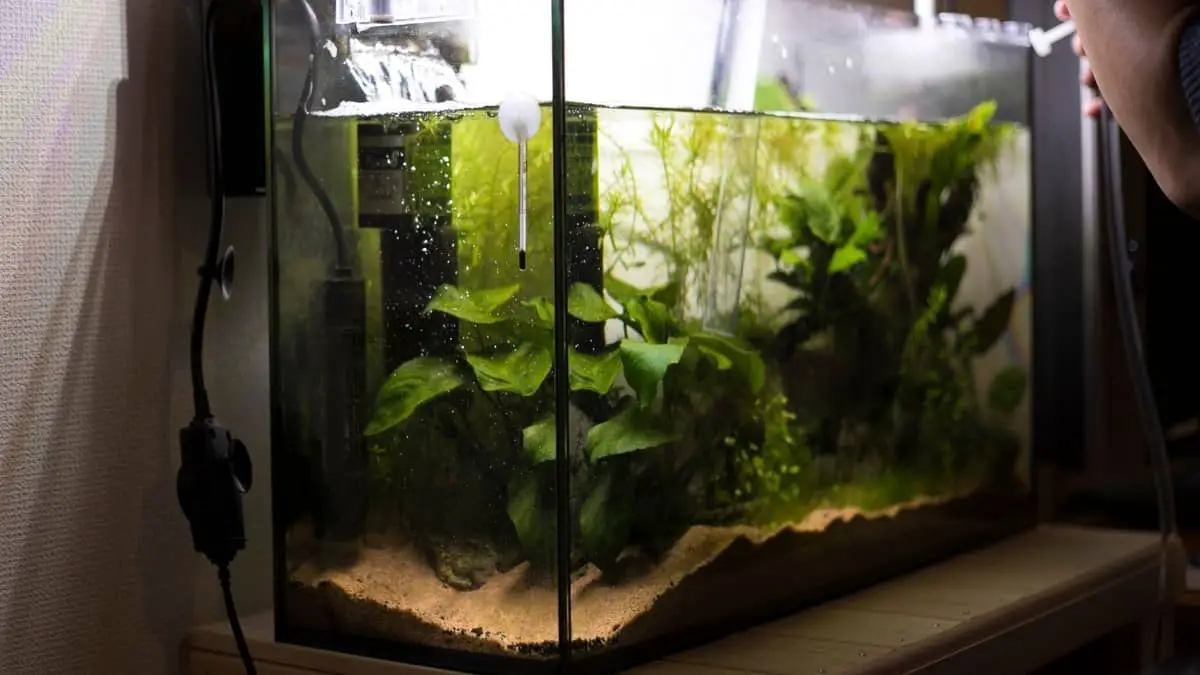
After completing the sterilization process, proper handling and preparation of aquarium plants are critical to ensure their successful acclimation and growth within the tank. This phase involves careful drying or conditioning, gentle introduction into the aquatic environment, and strategic recovery practices that minimize stress and promote healthy development. Proper post-sterilization procedures not only enhance plant vitality but also prevent potential contamination of the aquarium ecosystem.Sterilized plants often experience stress due to treatment methods, which can impair their ability to adapt quickly to new conditions.
Therefore, meticulous post-treatment care improves their resilience and encourages vigorous growth. By following optimized procedures, aquarists can establish a thriving, healthy plant population that enhances the overall ecosystem quality.
Optimal Drying or Conditioning of Sterilized Plants
To prepare sterilized plants for transplantation, adequate drying or conditioning is essential. Excess moisture on plant surfaces can foster mold growth or introduce unwanted pathogens into the aquarium. Allowing plants to dry partially in a controlled environment helps remove residual water while preserving their vitality. If chemical sterilization was used, rinsing plants in clean, dechlorinated water can help wash away any residual chemicals that may inhibit plant growth or affect aquatic fauna.Conditioning may also involve immersing plants in a nutrient-rich solution or a gentle antioxidant treatment to bolster their health before placement.
This process can enhance their ability to recover from sterilization stress and adapt more readily to the aquarium environment.
Tips on Acclimating Plants to Aquarium Conditions Post-Sterilization
Acclimating sterilized plants effectively requires a gradual transition to the aquarium environment. Sudden changes in water parameters or lighting conditions can stress plants and impede their establishment. To facilitate smooth adaptation, consider the following practices:
- Gradually adjust the water temperature and chemistry of the container holding the plants to match the tank conditions over several hours.
- Introduce the plants into the tank slowly, avoiding direct placement into strong currents or intense lighting initially.
- Maintain stable water parameters, including pH, hardness, and temperature, during the transition period.
- Limit feeding or fertilization immediately after planting to prevent nutrient overload and promote steady recovery.
- Monitor for signs of stress, such as wilting, discoloration, or algae overgrowth, and respond promptly to maintain optimal conditions.
Best Practices for Introducing Sterilized Plants into Tanks
Introducing sterilized plants into an aquarium requires careful attention to minimize shock and maximize their chances of thriving. Implementing proven best practices ensures a successful integration:
- Perform a gentle rinse of the plants with dechlorinated, temperature-matched water to remove any residual chemicals or debris.
- Submerge the plants in a conditioning solution containing beneficial microorganisms or plant-specific nutrients for a few hours before planting.
- Use soft, fine-tipped tools such as tweezers or soft brushes to position plants delicately, avoiding damage to root systems.
- Secure plants in the substrate using appropriate anchoring methods, like planting into fine gravel or attaching to rocks or driftwood with plant-safe thread or glue.
- Introduce the plants gradually into the tank, starting with less exposed areas to prevent dislodgement by currents or fish movement.
- Observe the plants continuously during the initial days, ensuring they remain stable and free from pests or rot.
Recovery Strategies to Minimize Plant Stress
Supporting the recovery of sterilized plants involves implementing strategies that reduce environmental stressors and promote healthy adaptation:
- Maintain consistent, optimal water conditions, avoiding rapid fluctuations in temperature, pH, or nutrient levels.
- Ensure adequate lighting but avoid excessive intensity immediately following planting to prevent leaf scorch or bleaching.
- Use liquid fertilizers or root tabs judiciously to supply essential nutrients without overwhelming the plants, especially during their vulnerable initial growth phase.
- Introduce beneficial bacteria or probiotic solutions to support microbial balance and reduce pathogen risks.
- Limit fish activity or disturbance around newly planted areas to prevent uprooting or physical damage.
- Provide sufficient time—typically one to two weeks—for plants to establish their roots and acclimate to the environment before adjusting light or feeding schedules.
Troubleshooting and safety tips
Ensuring the effective sterilization of aquarium plants while maintaining safety standards is crucial for both the health of your aquatic environment and your well-being. During sterilization procedures, challenges can arise that may compromise plant health or pose safety risks. Recognizing common issues and adhering to safety precautions helps prevent mishaps and ensures successful sterilization. This section provides guidance on identifying problems, implementing safety measures, and recognizing signs of over-sterilization or plant damage to promote a safe and effective sterilization process.
Common issues encountered during sterilization and solutions
Sterilization processes can sometimes lead to unintended consequences, such as plant damage or incomplete sterilization. Understanding these issues enables quick resolution and minimizes potential setbacks.
Some typical problems include:
- Plant discoloration or wilting: Often caused by excessive chemical concentration or prolonged exposure to sterilizing agents. To mitigate this, strictly follow recommended contact times and dosages.
- Incomplete sterilization: Resulting from insufficient chemical concentration or uneven application. Ensuring thorough coverage and adhering to validated protocols helps prevent residual parasites or pathogens.
- Chemical residue traces on plants: Can be harmful to aquatic life if not properly rinsed. Always rinse plants thoroughly with clean water after sterilization.
- Plant tissue damage: Overexposure to heat or chemicals can cause tissue necrosis. Use temperature and chemical parameters within safe limits.
Addressing these issues involves adjusting sterilization parameters, carefully monitoring contact times, and conducting visual inspections before reintroducing plants into the aquarium.
Safety precautions when handling chemicals and hot water
Handling sterilizing agents and hot water requires strict safety measures to prevent accidents and health hazards.
Important safety tips include:
- Personal protective equipment (PPE): Always wear gloves, eye protection, and long-sleeved clothing when working with chemicals or hot water to prevent skin irritation or burns.
- Ventilation: Conduct chemical sterilization in well-ventilated areas to avoid inhaling fumes, especially when using strong disinfectants like bleach or commercial sterilizers.
- Proper chemical storage: Store chemicals in clearly labeled, secure containers away from children and pets to prevent accidental ingestion or contact.
- Handling hot water safely: Use heat-resistant gloves and tools when immersing plants in hot water, and ensure containers are stable to prevent spills or burns.
- Disposal of chemicals: Follow local regulations for disposing of used chemicals to avoid environmental contamination.
Always prioritize personal safety and environmental responsibility during sterilization processes to ensure a safe and effective procedure.
Warning signs indicating over-sterilization or plant damage
Monitoring plant condition during and after sterilization helps identify over-treatment that may harm the plants or reduce their viability in the aquarium.
Signs of over-sterilization or damage include:
- Discoloration: Plants turn brown, yellow, or translucent, indicating tissue necrosis caused by excessive chemical exposure.
- Wilting or brittle tissue: Plants lose turgidity and become fragile, often due to prolonged heat or chemical damage.
- Delayed or no new growth: Over-sterilized plants may show stunted or no regrowth, signaling compromised health.
- Persistent leaf drop: Continuous shedding of leaves can occur if sterilization was too harsh.
Detecting these signs early allows for intervention, such as trimming damaged parts or opting to replace severely affected plants to maintain a healthy aquarium environment.
Safety guidelines organization
To ensure clarity and ease of adherence, the safety guidelines are organized into straightforward steps:
- Preparation: Gather all necessary PPE, chemicals, and tools before starting sterilization.
- Handling chemicals: Read labels carefully, measure accurately, and avoid mixing incompatible substances.
- Application: Follow recommended concentrations and contact times strictly; do not improvise or extend exposure unnecessarily.
- Post-treatment: Rinse plants thoroughly to remove residual chemicals and dispose of used solutions responsibly.
- Personal safety: Always wear PPE, work in ventilated areas, and wash hands thoroughly after procedures.
- Emergency response: In case of chemical spills or burns, rinse affected areas immediately with water and seek medical attention if necessary.
By following these organized safety measures, you will promote a safe environment for both the aquatic ecosystem and yourself during the sterilization process.
Last Word
In summary, mastering the process of sterilizing aquarium plants is a vital step toward creating a safe and vibrant aquatic environment. Whether utilizing chemical or physical methods, proper preparation and care can significantly enhance the health of your tank ecosystem. Implementing these techniques will help you enjoy a beautiful, balanced, and disease-free aquarium for years to come.