Learning how to aquascape a nano aquarium opens the door to creating captivating underwater worlds within compact spaces. This art form combines creativity, precision, and a keen understanding of aquatic environments to produce visually appealing and balanced ecosystems in small tanks.
Embarking on this journey involves selecting suitable themes, designing layouts thoughtfully, and mastering the techniques for arranging plants and hardscape elements. With the right equipment and careful planning, even novice aquascapers can achieve extraordinary results in their nano tanks.
Introduction to Nano Aquascaping
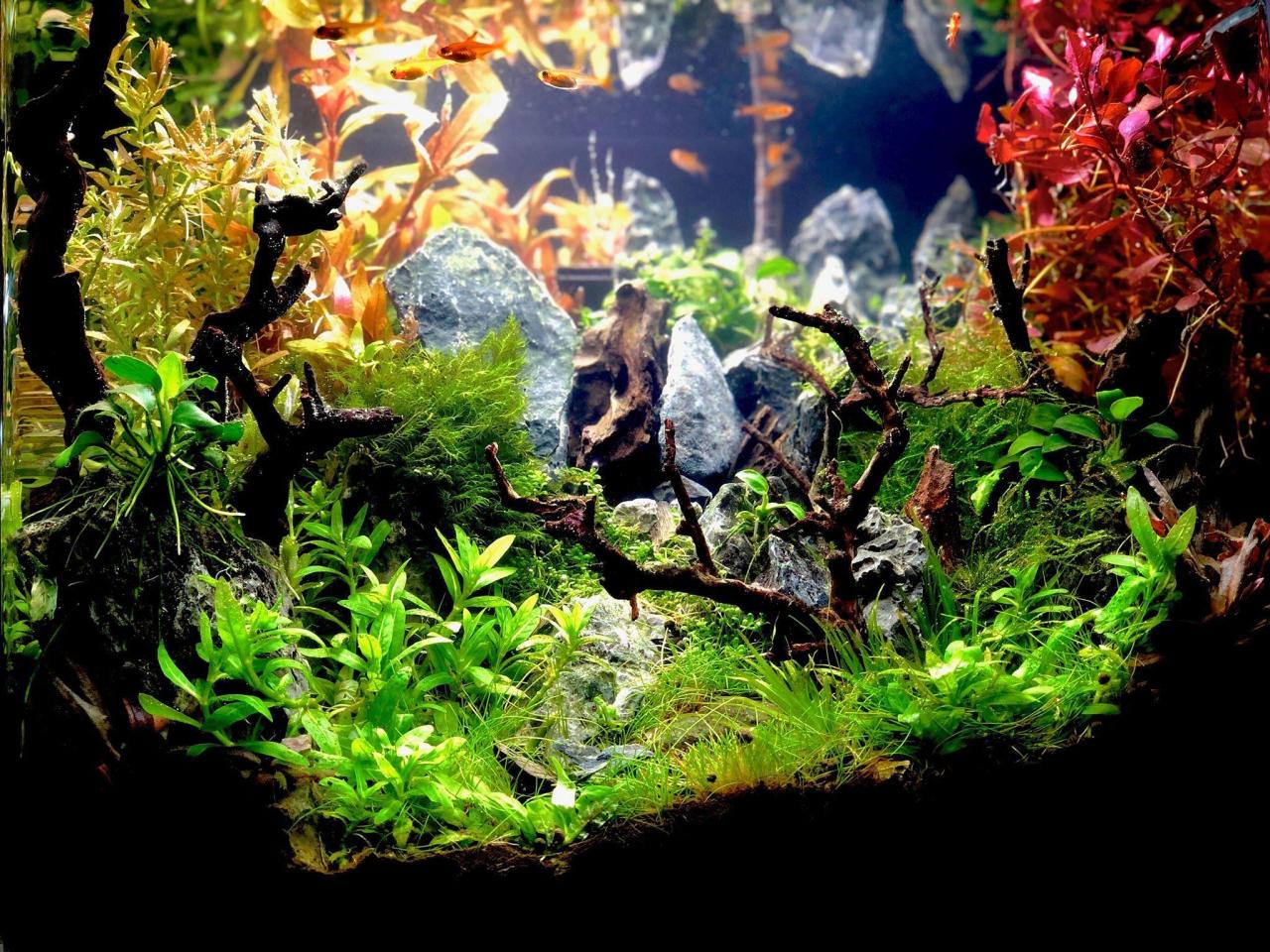
Nano aquascaping involves designing and maintaining miniature underwater landscapes within small aquariums, typically ranging from 10 to 40 liters (2.6 to 10.5 gallons). This art form combines creativity, precision, and horticultural skills to create visually stunning aquatic environments that mimic natural habitats on a scaled-down level. Nano aquascaping has gained popularity among hobbyists due to its accessibility, allowing enthusiasts to achieve impressive aquascapes even within limited space.
Creating a nano aquascape offers several benefits, including reduced maintenance requirements, lower costs, and the ability to easily integrate the setup into various living or working spaces. Small tanks are ideal for those new to aquascaping or for hobbyists seeking a manageable yet rewarding project. The compact size also enables detailed attention to every element of the layout, fostering a closer connection with the aquatic environment and encouraging experimentation with different styles and plant arrangements.
Essential Equipment for Starting a Nano Aquascape
Equipping a nano tank with the right tools and devices is crucial to establish a healthy and aesthetically pleasing aquatic environment. The choice of equipment impacts water quality, plant growth, and overall tank stability. The following items form the foundation for a successful nano aquascape:
| Equipment | Description and Importance |
|---|---|
| Tank Container | A glass or acrylic tank with a capacity suitable for the intended aquascape, typically between 10-40 liters. The tank should have a secure lid or cover to prevent evaporation and accidental escape of fish or invertebrates. |
| Lighting System | High-quality LED lights designed for aquatic plants, providing adequate spectrum and intensity to promote healthy growth. Proper lighting duration and intensity are essential to simulate natural daylight and prevent algae overgrowth. |
| Filtration System | A compact, efficient filter such as a sponge filter or hang-on-back filter tailored for small tanks. It maintains water clarity, supplies oxygen, and helps control waste buildup. |
| Heating Equipment | A reliable heater with a thermostat to maintain a stable temperature, usually between 24-26°C (75-79°F), suitable for tropical fish and plants commonly used in nano aquascaping. |
| Substrate | Specialized nano substrate, such as nutrient-rich soils or fine gravel, which provides anchorage for plant roots and supports beneficial bacteria essential for biological filtration. |
| CO2 Injection System | Optional but beneficial for densely planted nano tanks, enhancing plant growth and coloration through controlled carbon dioxide delivery. |
| Decorative Elements | Natural or artificial rocks, driftwood, and aquascaping tools to shape the landscape and create focal points within the aquascape. |
Investing in quality equipment suited for small tanks ensures a balanced environment that supports plant vitality and aquatic life. Proper setup and maintenance of this equipment lay the groundwork for a thriving and visually captivating nano aquascape.
Planning and Designing a Nano Aquascape
Creating a captivating nano aquascape begins with meticulous planning and thoughtful design. Given the limited space of small tanks, every element—from layout to plant selection—must be carefully considered to achieve harmony and visual appeal. A well-designed aquascape not only enhances the aesthetic value of the tank but also provides a healthy environment for aquatic life.
Effective planning involves envisioning the final scene before setup, selecting appropriate themes, and choosing components that complement each other. This systematic approach ensures that the miniature landscape is balanced, sustainable, and visually engaging, facilitating a rewarding aquascaping experience.
Selecting Appropriate Themes and Styles for Small Tanks
Choosing a theme or style tailored for nano aquariums is essential for creating a cohesive and pleasing appearance. The limited dimensions of small tanks call for styles that emphasize simplicity, depth, and focal points. Popular themes include nature-inspired layouts mimicking natural habitats, minimalist designs focusing on clean lines, and biotope setups representing specific ecosystems such as Amazon or Japanese gardens.
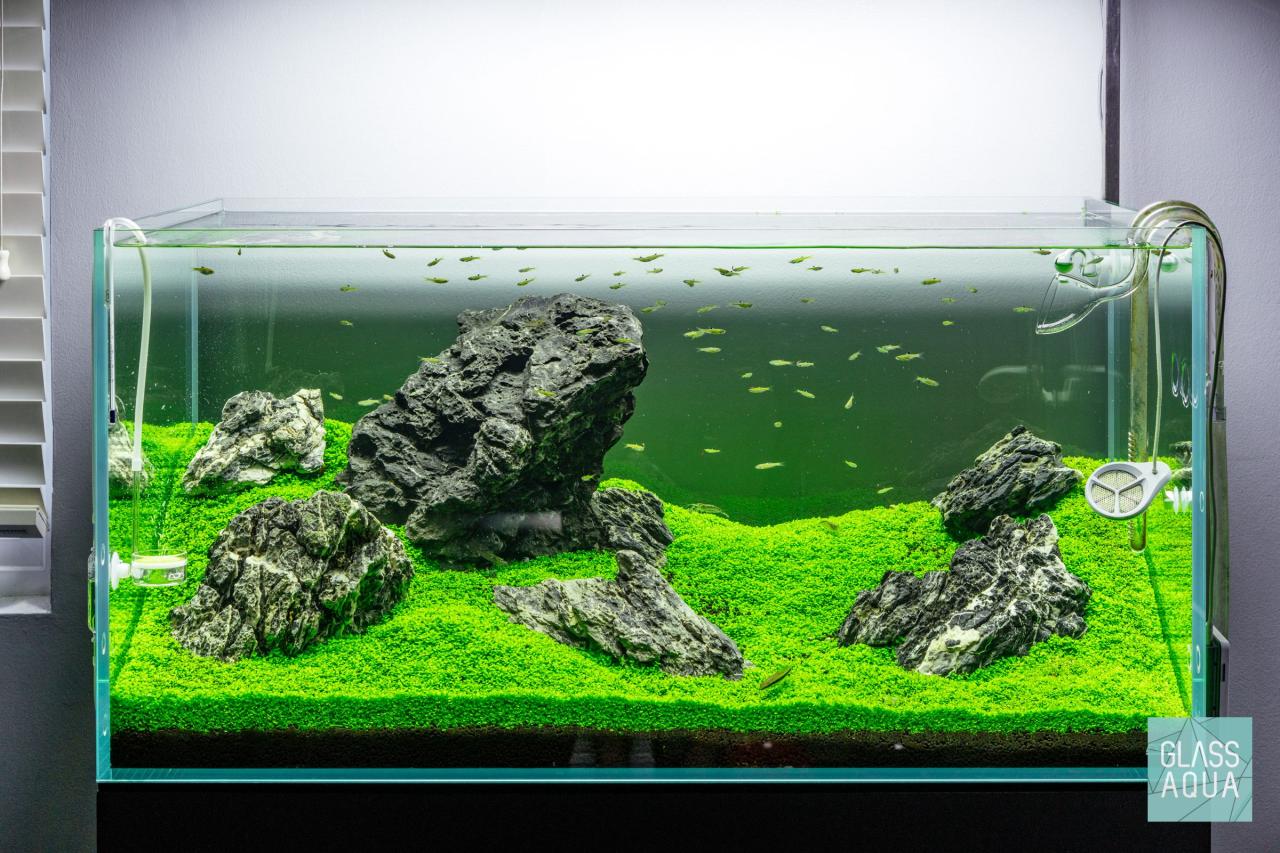
When selecting a style, consider the tank’s dimensions, lighting conditions, and maintenance requirements. For instance, a Dutch style, characterized by densely planted arrangements, can be adapted to nano tanks by focusing on a few vibrant plant species arranged thoughtfully. Conversely, a Iwagumi style, emphasizing rocks and minimal planting, works well in small setups due to its simplicity and striking visual impact.
Visualizing and Sketching the Layout
Before physically assembling the aquascape, visualizing the layout through sketching or digital rendering is a crucial step. This process allows for experimentation with positioning, proportions, and focal points without the risk of costly adjustments after setup. Sketching helps in understanding spatial relationships and planning for plant growth and maintenance pathways.
Start with a basic Artikel of the tank’s dimensions, then add key elements such as focal points, background, midground, and foreground. Use shading or color coding to represent different plant types or hardscape features. Digital tools or aquarium design software can enhance precision and visualization, but simple hand-drawn sketches are equally effective for initial planning. This preparatory step helps identify potential aesthetic imbalances and refine the overall concept.
Choosing Plants, Rocks, and Driftwood for Aesthetic Balance
Achieving visual harmony in a nano aquascape depends heavily on selecting the right combination of plants, rocks, and driftwood. These foundational elements create the scene’s structure and evoke a natural or artistic impression. Careful consideration ensures that each component complements the others, resulting in a balanced and sustainable environment.
When choosing plants, opt for species suited to small tanks, such as Java moss, Anubias, or dwarf hairgrass, which thrive in limited space and low to moderate lighting. For hardscape materials, select rocks that provide texture and contrast, like Seiryu or Dragonstone, ensuring they fit proportionally within the tank. Driftwood should be lightweight, aesthetically appealing, and stable, serving as a natural focal point or background element.
“Balance in hardscape and plant selection enhances the visual depth and natural appearance of a nano aquascape.” — Expert Aquarists
Arrange rocks and driftwood thoughtfully to create natural-looking formations such as islands or submerged landscapes. Consider the visual weight and flow of the scene, ensuring that no single element overwhelms the composition. Incorporating different textures and colors among rocks, wood, and plants fosters visual interest and mimics natural environments, making the small tank appear lush and inviting.
Setting Up the Nano Aquarium
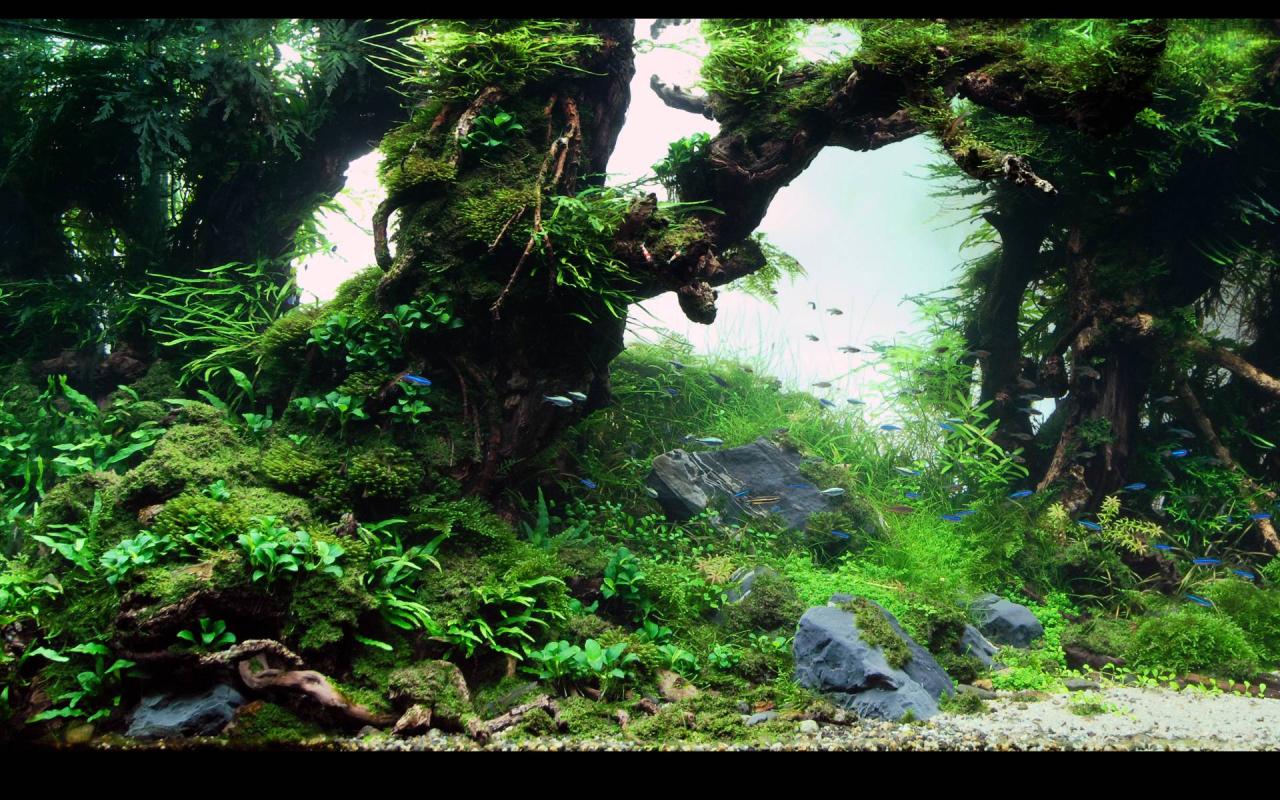
Establishing a nano aquarium involves meticulous planning and precise execution to create a thriving aquatic environment. Proper setup ensures the health of plants and aquatic life while enhancing the aesthetic appeal of your miniature underwater ecosystem. This section guides you through the essential steps for preparing the tank, installing equipment optimally, and preparing the water for cycling.
Executing these steps correctly lays the foundation for a stable, healthy, and visually captivating nano aquascape. Attention to detail during setup minimizes future maintenance issues and promotes the well-being of your aquatic inhabitants.
Preparing the Tank and Equipment Placement
Preparing a nano aquarium begins with a thorough cleaning and strategic arrangement of substrates and equipment. This ensures an optimal environment for plant growth and aquatic life while preventing issues like algae overgrowth or equipment failure.
The preparation process involves the layering of substrates to support plant roots and facilitate biological filtration, followed by precise placement of essential equipment such as filters, heaters, and lighting to promote a balanced ecosystem.
- Clean the Tank: Rinse the aquarium thoroughly with dechlorinated water to remove dust, residues, or manufacturing contaminants. Avoid using soap or chemical cleaners that could harm aquatic life.
- Plan Layout: Determine the placement of equipment and aquascaping elements, considering accessibility for maintenance and visual balance. Use a dry run with substrate to visualize the final look.
- Layer the Substrate: Create a base layer of coarse substrate, such as aqua soil or fine gravel, to promote healthy root development and beneficial bacteria colonization. Add a nutrient-rich layer if planting dense vegetation.
- Install the Substrate: Carefully add the substrate to the tank, ensuring even distribution and avoiding air pockets that could cause uneven settling or water flow issues.
- Position Equipment: Place the filtration system, heater, and lighting fixtures according to the planned layout. Ensure the filter inlet and outlet are submerged and positioned to optimize water circulation without disturbing the substrate.
Installing Filtration and Lighting
Proper installation of filtration and lighting systems is vital for the health and stability of a nano aquascape. These components influence water quality, plant growth, and overall ecosystem balance.
Optimized equipment setup involves selecting compact, efficient devices suitable for small tanks, and positioning them to maximize performance while maintaining aesthetics.
- Filtration System: Choose a sponge or canister filter designed for nano tanks, with adjustable flow rates to prevent water movement that may disturb plants or substrate. Install the filter’s intake tube just above the substrate to avoid sucking up loose substrate particles, and secure the outflow to promote gentle water circulation.
- Lighting Arrangement: Select LED lighting with suitable spectrum and intensity for plant growth. Mount the lights securely above the tank, ensuring even coverage across the entire aquascape. Use adjustable fixtures to fine-tune light distribution and intensity based on plant demands.
- Positioning Considerations: Place the filtration outlet to promote circular flow, avoiding dead spots where debris could accumulate. For lighting, maintain a consistent photoperiod, typically 8-10 hours daily, to support healthy photosynthesis.
Filling and Cycling the Aquarium
Filling the nano tank with water and initiating the cycling process are critical steps to establish a stable biological environment. Proper procedures prevent water quality issues and promote healthy microbial development.
The goal is to fill the tank without disturbing the substrate or introducing contaminants and to establish beneficial bacteria that will process fish waste and organic matter efficiently.
- Water Filling: Slowly fill the tank using dechlorinated or conditioned water to prevent stress on plants and aquatic life. Use a bowl or a gentle stream directed onto the substrate to avoid disturbing it, especially if it contains delicate root systems.
- Water Treatment: Add a dechlorinator compatible with your water source, following the manufacturer’s instructions. This step neutralizes harmful chemicals like chlorine or chloramine that inhibit beneficial bacteria and harm aquatic organisms.
- Cycling Process: Initiate cycling by introducing a source of ammonia, such as a small piece of fish food or a bacterial supplement, if starting from scratch. Monitor water parameters regularly, particularly ammonia, nitrite, and nitrate levels, using reliable test kits.
- Establishing Beneficial Bacteria: Allow the tank to cycle over several weeks, during which beneficial bacteria colonies develop. Maintain stable water parameters and perform partial water changes if ammonia or nitrite levels spike excessively, ensuring a safe environment for future inhabitants.
Aquascaping Techniques for Nano Tanks
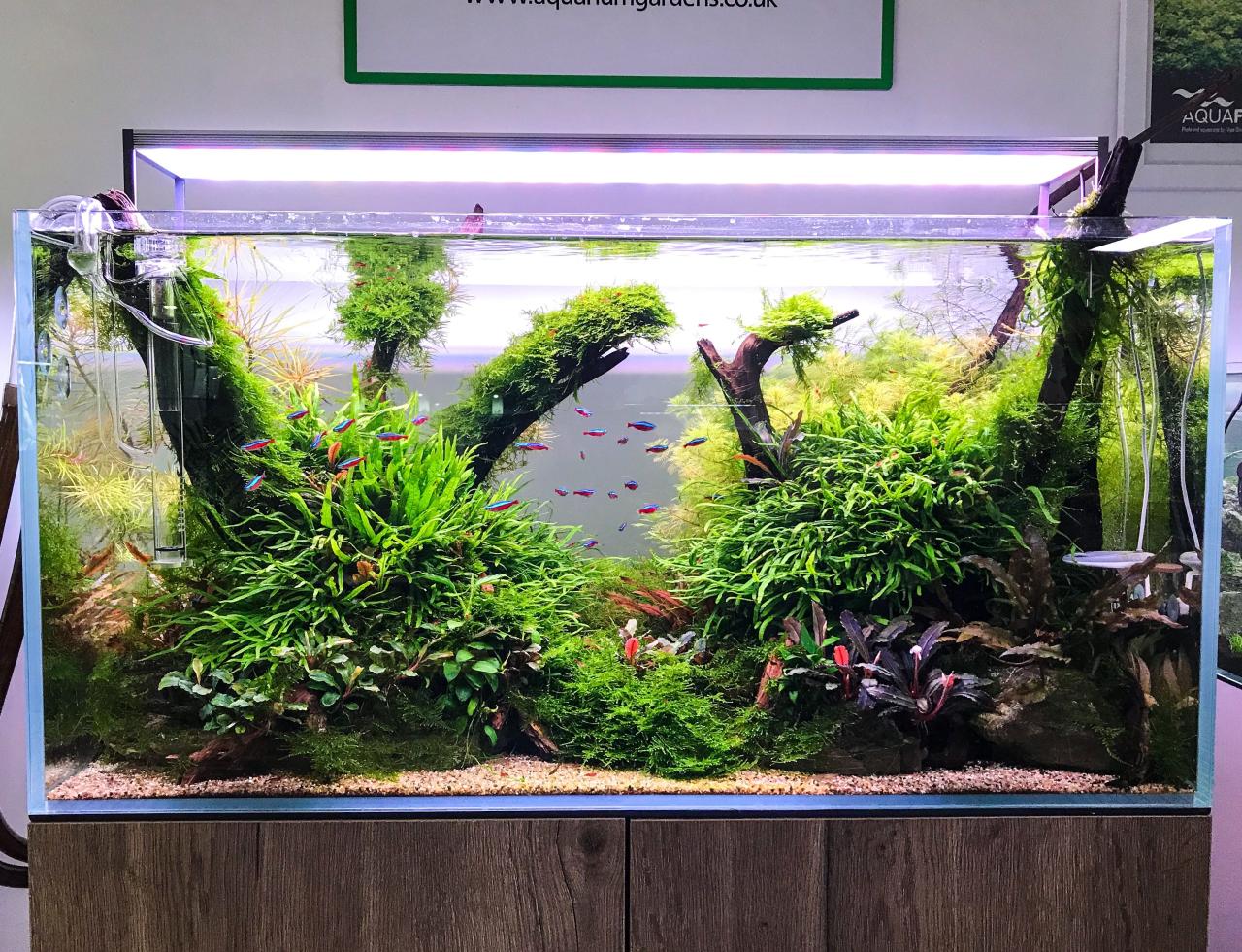
Creating a visually appealing and balanced aquascape within a nano aquarium requires careful selection and arrangement of plants, rocks, and wood. The goal is to emulate natural environments, fostering a healthy ecosystem while also showcasing an aesthetically pleasing design. Mastery of these techniques enhances not only the visual impact but also the health and stability of the aquatic inhabitants.
Proper aquascaping involves understanding the principles of composition, spatial organization, and ecological balance. By employing specific methods for placing and maintaining elements within the confined space of a nano tank, aquarists can achieve dynamic and harmonious landscapes that thrive over time.
Methods for Arranging Plants, Rocks, and Wood
Arranging elements in a nano aquascape demands a strategic approach to create depth, focal points, and natural flow. The arrangement should mimic nature, with each component contributing to the overall aesthetic and biological stability. When selecting plants, rocks, and wood, consider their size, shape, and texture to complement one another and enhance the scene’s realism.
Begin with a visual plan, often sketching the layout or visualizing the scene before placement. Use larger rocks and pieces of wood to establish the main structure or focal points. Position rocks to form natural formations or miniature landscapes, ensuring they are stable and securely placed. Incorporate wood with interesting shapes to add variation and mimic driftwood found in natural habitats.
Plants should be arranged in layers, with taller species at the back and foreground plants for ground cover, creating depth and perspective.
Attention to balance and asymmetry is crucial; natural scenes rarely feature perfect symmetry. Instead, aim for a balanced yet dynamic arrangement that guides the viewer’s eye across the aquascape, creating a sense of movement and life.
Pruning, Trimming, and Plant Placement
Maintaining a vibrant and well-structured nano aquascape requires regular pruning and trimming. These practices promote healthy growth, prevent overgrowth, and help sustain the intended design. Proper plant placement at the outset also influences long-term stability and aesthetic appeal.
Pruning involves cutting back overgrown or dead foliage to encourage new growth and prevent shading of lower plants. Trimming should be done regularly, especially for fast-growing species such as Java fern or Vallisneria, to maintain the desired shape and prevent crowding. When placing plants, consider their growth habits, light requirements, and compatibility with surrounding species. Grouping similar plants together fosters a natural look and simplifies maintenance.
Strategic placement of plants in varying heights and textures enhances depth and visual interest. Use foreground plants with compact growth, midground species for transition, and background plants for height and backdrop. Employing a structured approach to pruning and trimming ensures the aquascape remains balanced, healthy, and aesthetically pleasing over time.
Layout Style Comparison
Understanding different layout styles allows aquarists to choose a design that best suits their preferences and the constraints of nano tanks. Each style offers unique visual characteristics and principles of arrangement:
| Layout Style | Characteristics | Typical Elements | Best Suited For |
|---|---|---|---|
| Iwagumi | Minimalist with emphasis on stones arranged to form a natural landscape | Three to five focal stones, sparse planting | Serene, zen-like environments; simple yet impactful designs |
| Dutch | Colorful, lush planting with a focus on plant diversity and arrangement | Multiple plant species arranged in rows or zones, no hardscape focus | Vivid, garden-like scenes emphasizing plant diversity |
| Nature-Inspired | Replicates natural habitats, emphasizing realism and ecological balance | Varied plants, rocks, wood arranged to mimic nature, asymmetrical | Authentic natural scenes with a focus on habitat recreation |
Iwagumi: Focuses on simplicity and harmony, often using only a few stones to create a tranquil landscape. Dutch: Celebrates a diverse palette of plants, arranged to showcase their colors and textures in a lush garden setting. Nature-Inspired: Combines multiple elements to create a realistic miniature ecosystem, emphasizing natural asymmetry and ecological authenticity.
Choosing and Maintaining Livestock for Nano Aquascapes
Integrating appropriate aquatic life into a nano aquascape enhances its visual appeal and ecological balance. Selecting suitable fish, shrimp, or invertebrates requires careful consideration of their compatibility with the tank size, environmental conditions, and each other. Proper maintenance, including acclimation and ongoing care, ensures the health and longevity of these inhabitants, creating a thriving miniature ecosystem within a compact space.
In nano aquariums, the choice of livestock is pivotal in achieving a harmonious and sustainable aquatic environment. The small volume of water presents unique challenges related to water quality, bioload, and space constraints. Therefore, understanding the specific needs of each species and implementing effective maintenance routines are essential components of successful nano aquascaping.
Guidelines for Selecting Compatible Livestock
Choosing the right inhabitants involves evaluating several factors to ensure compatibility with the nano tank’s environment and with each other. It is crucial to select species that thrive in small spaces, have similar water parameter requirements, and do not exhibit aggressive behaviors that could threaten tank mates.
- Species Compatibility: Opt for peaceful species that coexist well in confined spaces. For example, small freshwater fish like Bettas, Chili Rasboras, or Endler’s Livebearers are suitable options.
- Size Considerations: Select species that remain small or are manageable in the tank’s dimensions. Shrimp such as Cherry or Amano shrimp are excellent for their size and beneficial behavior.
- Environmental Needs: Match species to the tank’s water parameters—pH, temperature, and hardness—to reduce stress and health issues.
Prioritize species that require similar feeding regimes and environmental conditions to simplify maintenance and reduce stress-related health problems. Consulting reputable sources or experienced aquarists can provide insights into compatible combinations that enhance the aesthetic and functional aspects of the nano aquascape.
Procedures for Initial Acclimation and Ongoing Care
Proper acclimation minimizes stress and increases survival rates of new aquatic inhabitants. It involves gradually introducing the livestock to the tank’s water parameters, allowing their physiological systems to adapt smoothly.
- Initial Acclimation: Use the drip acclimation method by slowly mixing tank water with the transport water over a period of 1-2 hours. This technique helps balance parameters and reduces shock.
- Monitoring Post-Introduction: Observe the animals closely for signs of stress or illness during the first few days, ensuring they settle into their environment comfortably.
- Ongoing Care: Maintain consistent water quality by performing regular partial water changes—typically 10-20% weekly—using dechlorinated or conditioned water. Monitor parameters such as ammonia, nitrite, nitrate, and pH frequently.
- Nutrition and Feeding: Provide species-appropriate foods in small quantities to prevent water pollution. Live, frozen, or high-quality flake foods serve as suitable options depending on the inhabitants.
Routine observation and prompt response to potential health issues are vital. Keeping a log of water parameters and behavioral changes can assist in early detection of problems, ensuring a stable environment for the livestock.
Methods to Prevent Overstocking and Maintain Water Quality
Overstocking can quickly deteriorate water quality in a nano aquarium, leading to health problems and algae outbreaks. Implementing strategies to manage bioload and maintain pristine conditions is essential for a sustainable aquascape.
- Stocking Limits: Follow the general guideline of one inch of fish per gallon of water, adjusted for species-specific size and bioload. For example, a 10-gallon tank might comfortably house 4-6 small fish or a combination of fish and invertebrates.
- Bioload Management: Use live plants and beneficial bacteria to naturally process waste products. Plants absorb nitrates and other nutrients, reducing toxicity levels.
- Regular Maintenance: Conduct consistent partial water changes, clean substrate, and remove detritus to prevent accumulation of harmful substances.
- Filtration and Aeration: Employ efficient, gentle filtration suitable for nano tanks to maintain water clarity and oxygen levels without creating strong currents that could stress inhabitants.
Maintaining a balance between stocking levels and effective filtration is crucial to prevent water quality issues. Regular testing and proactive maintenance are fundamental practices for ensuring a healthy, thriving nano aquascape.
Troubleshooting Common Issues
Maintaining a healthy and vibrant nano aquascape involves addressing occasional challenges that can arise unexpectedly. Proper identification and swift action are essential to preserve the aesthetic appeal and biological stability of your miniature ecosystem. This section provides guidance on diagnosing prevalent problems and implementing effective solutions to ensure your nano tank remains a thriving aquatic environment.Effective troubleshooting relies on understanding the underlying causes of common issues such as algae overgrowth, plant health deterioration, and equipment malfunctions.
Regular observation and maintenance are key to early detection and correction, helping prevent minor problems from escalating into more serious concerns.
Algae Overgrowth
Algae proliferation is one of the most frequent concerns in nano aquascaping, often caused by excess nutrients, too much light, or imbalanced water parameters. Recognizing the signs early can mitigate damage and restore balance to the tank.
- Diagnosing Algae Issues: Look for excessive green, brown, or filamentous algae on plants, substrate, or décor. A sudden increase in algae growth typically correlates with high nutrient levels or elevated light intensity.
- Implementing Solutions:
- Reduce light exposure duration or intensity to limit photosynthesis-driven algae growth.
- Perform regular water changes, replacing 10-20% weekly to remove excess nutrients such as nitrates and phosphates.
- Introduce algae-eating inhabitants like certain species of shrimp or snails compatible with nano tanks.
- Incorporate live plants that compete with algae for nutrients, thus naturally suppressing algae proliferation.
Striking a balance between lighting, nutrients, and biological competition is crucial to controlling algae in nano aquariums.
Plant Health Issues
Healthy plants are vital for a balanced ecosystem and aesthetic appeal; however, they can suffer from nutrient deficiencies, unsuitable lighting, or pest infestations.
- Diagnosing Plant Problems: Observe leaf coloration, growth rate, and the presence of pests or decay. Yellowing leaves may indicate nutrient deficiencies, while brown tips could suggest excess light or poor water quality.
- Implementing Solutions:
- Adjust fertilization routines to provide essential macro- and micronutrients based on plant requirements.
- Ensure appropriate lighting spectrum and duration, typically 8-10 hours daily, tailored to the plant species in your tank.
- Remove decaying or diseased plant parts to prevent spreading pathogens.
- Introduce pest control measures, such as natural predators or safe chemical treatments, if pests are identified.
Consistent monitoring and tailored nutrition are vital to maintaining lush, healthy plant growth in nano aquariums.
Equipment Failures
Reliable equipment is the backbone of a stable nano aquascape, including filtration, lighting, and CO2 systems. Failures can lead to water quality issues and compromised plant or livestock health.
- Diagnosing Equipment Problems: Watch for decreased flow rates, irregular lighting, or unusual noise. Check for power issues or clogs in filters, and inspect lighting fixtures for damage or malfunction.
- Implementing Solutions:
- Regularly clean filters and pumps to prevent blockages and maintain proper flow.
- Test electrical connections and replace faulty components promptly.
- Maintain backup systems or spare equipment for critical devices to minimize downtime during repairs.
- Verify that all parameters, such as temperature and pH, remain within desired ranges, and calibrate equipment as needed.
Routine maintenance and proactive checks are essential for preventing equipment failures and ensuring the longevity of your nano aquascape.
Maintaining Water Parameter Stability
Water stability forms the foundation of a healthy nano environment, promoting balanced plant growth and a safe habitat for aquatic life.
- Monitoring Water Parameters: Regularly test for pH, ammonia, nitrite, nitrate, and phosphate levels using reliable test kits. Record results to identify trends and address deviations promptly.
- Strategies for Stability:
- Perform consistent partial water changes to dilute toxins and replenish trace elements.
- Utilize high-quality water conditioners and buffers to maintain optimal pH and hardness levels.
- Maintain stable temperature conditions appropriate for the selected livestock, typically between 22-26°C (72-78°F).
- Avoid sudden changes in lighting, feeding, or adding new livestock, which can cause parameter swings.
Consistency in testing and incremental adjustments are key to achieving and maintaining stable water parameters in nano aquascaping.
Advanced Tips for Nano Aquascaping
Mastering the art of nano aquascaping involves more than basic setup and planting techniques. To elevate your miniature aquatic landscapes, it is essential to incorporate sophisticated strategies that add depth, facilitate plant propagation, and seamlessly integrate hardscape features. These advanced tips enable enthusiasts to craft stunning, dynamic, and sustainable nano aquascapes that captivate viewers and thrive over time.
In nano aquascaping, creating a sense of depth and perspective transforms a simple tank into a multi-dimensional scene. Propagating plants allows for expansion and increased complexity within the layout, while skillfully incorporating hardscape elements such as caves and caves adds visual interest and functional hiding spots for aquatic life. The following sections detail these advanced techniques to help you refine your aquascaping skills and develop more intricate and lively nano aquariums.
Creating Depth and Perspective within Small Layouts
Achieving depth and perspective in a nano aquascape enhances its realism and draws viewers’ eyes into the scene. Despite limited space, strategic placement of elements and thoughtful layering can create an illusion of vastness and three-dimensionality.
Key techniques include:
- Foreground, Midground, and Background Placement: Arrange plants and hardscape features in distinct layers, with shorter plants or fine-leafed species in the foreground, medium-height plants in the midground, and taller or background plants behind to create depth.
- Use of Scale and Proportion: Incorporate varying sizes of rocks, driftwood, and plants. Larger, more prominent pieces in the foreground establish a sense of proximity, while smaller elements in the background recede into the scene.
- Color Gradation: Utilize color contrast, such as darker shades in the background and lighter hues in the foreground, to enhance depth perception.
- Strategic Lighting: Position lighting to accentuate foreground details while casting subtle shadows in the background, adding a three-dimensional effect.
“Layering and scale are fundamental in creating an immersive aquascape, even in compact tanks.”
Propagating Plants and Expanding the Aquascape
Plant propagation offers an effective method to expand and enrich a nano aquascape without the need for purchasing additional plants. It also promotes plant health and density, creating a lush, vibrant scene.
Propagation techniques suitable for nano tanks include:
- Cutting and Planting: Many aquatic plants, such as Java moss, Anubias, and certain carpeting species like Hemianthus callitrichoides, can be propagated through cuttings or division. Carefully sever healthy stems or rhizomes, then plant or attach them to hardscape or substrate points.
- Runner Propagation: Some plants, like carpeting grasses, propagate via runners that extend across the substrate. Gently encourage runners to grow outward, then trim and replant sections to expand coverage.
- Cloning and Fragmentation: Fast-growing species can be divided into smaller sections, which will develop roots when placed appropriately, quickly increasing plant density.
Consistent maintenance of nutrient levels, lighting, and CO₂ injection supports healthy propagation, leading to a more complex and aesthetically pleasing aquascape over time.
Incorporating Hardscape Features like Caves or Caves
Hardscape features such as caves, tunnels, and caves introduce structural diversity and functional spaces for aquatic fauna. Proper integration of these elements can elevate the visual appeal and ecological balance of the tank.
Methods for incorporating hardscape features include:
- Material Selection: Use inert materials like natural rocks, driftwood, or specially designed aquarium ornaments. Ensure they are pH-neutral and free from chemicals that could harm aquatic life.
- Placement and Stability: Securely position hardscape elements to prevent shifting, especially in small tanks where movement can disturb plants or inhabitants. Use silicone or tank-safe adhesives if necessary.
- Creating Caves and Tunnels: Combine multiple stones or driftwood pieces to form caves or tunnels. Smoothing rough edges and ensuring stable structures prevent hazards to fish or invertebrates.
- Design Harmony: Integrate hardscape elements with surrounding plants and substrate, maintaining natural aesthetics and ensuring access points for inhabitants.
“Hardscape features not only add visual interest but also create microhabitats, promoting natural behaviors among aquatic species.”
Summary
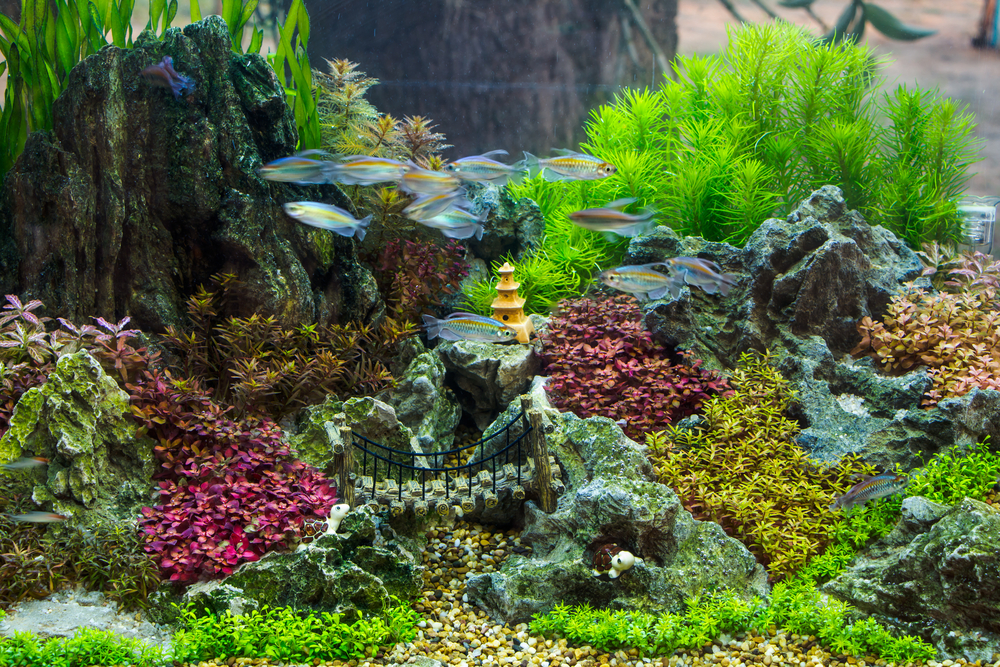
In conclusion, understanding how to aquascape a nano aquarium allows enthusiasts to transform modest tanks into mesmerizing aquatic landscapes. With patience and attention to detail, you can cultivate a thriving, beautiful environment that enhances any space and showcases your artistic flair.