With how to plant java fern in aquarium at the forefront, this guide offers an insightful journey into creating vibrant and thriving aquatic environments. Whether you’re a beginner or an experienced aquarist, understanding the proper techniques for planting Java Fern can significantly enhance both the health of your plants and the visual appeal of your aquarium. Discover the secrets to successful integration and watch your underwater landscape flourish with natural beauty.
Java Fern is a popular and versatile plant renowned for its ease of care and aesthetic appeal in freshwater aquascaping. Native to tropical regions, its hardy nature allows it to thrive in various water conditions, making it an ideal choice for aquarists aiming for a lush and dynamic underwater scene. Proper planting methods and maintenance practices can ensure healthy growth and a stunning aquascape that elevates your aquarium’s overall charm.
Introduction to Planting Java Fern in Aquariums
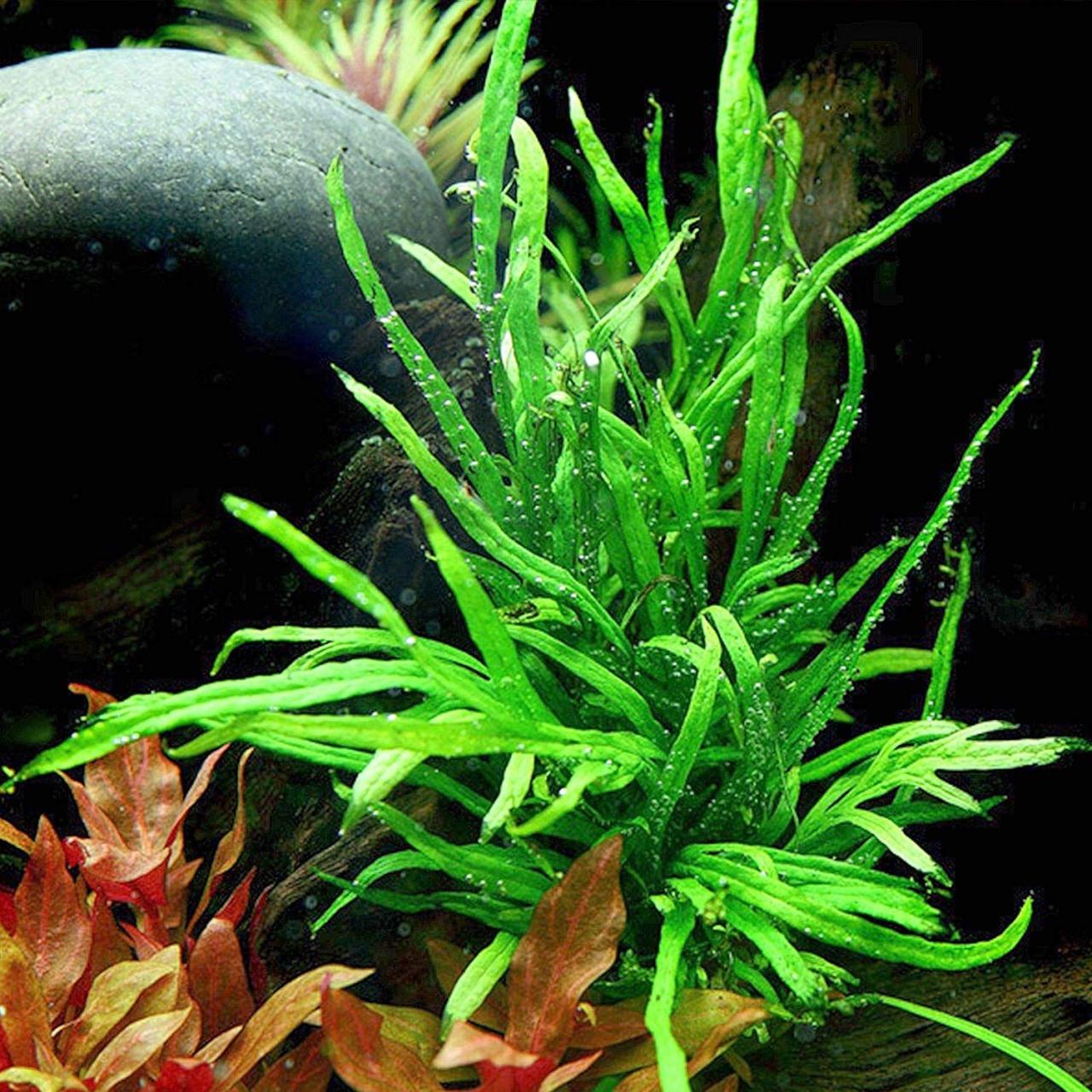
Java Fern (Microsorum pteropus) stands out as one of the most popular and versatile aquatic plants in freshwater aquascaping. Its lush, green fronds provide a natural and vibrant aesthetic that enhances any aquarium environment. Known for its low-maintenance nature and adaptability, Java Fern is an ideal choice for both novice and experienced aquarists seeking an appealing underwater landscape.
The natural habitat of Java Fern originates in Southeast Asia, where it thrives attached to rocks, driftwood, and submerged surfaces in shaded, slow-moving waters. Its growth characteristics include a hardy, rhizomatous structure that enables it to spread across various surfaces while tolerating a range of water conditions. This resilience makes Java Fern a highly durable plant that can flourish under diverse aquarium settings, from low-light setups to more illuminated tanks.
Significance of Java Fern in Freshwater Aquascaping
In the realm of freshwater aquascaping, Java Fern holds a pivotal role due to its aesthetic appeal and ecological benefits. Its broad, textured leaves create a natural canopy effect, providing cover and habitat for small fish and invertebrates. Additionally, Java Fern contributes to water quality by absorbing nitrates and other nutrients, thereby supporting a balanced ecosystem within the aquarium.
Its ability to grow without requiring intense lighting or specialized CO2 supplementation makes Java Fern accessible to aquarists at all levels. The plant’s slow growth rate ensures minimal maintenance, while its adaptability allows it to thrive in a variety of tank environments, from densely planted setups to minimalist designs. These qualities have cemented Java Fern’s reputation as a staple in freshwater aquascaping for enhancing visual appeal and promoting healthier aquatic habitats.
Preparing for Planting Java Fern
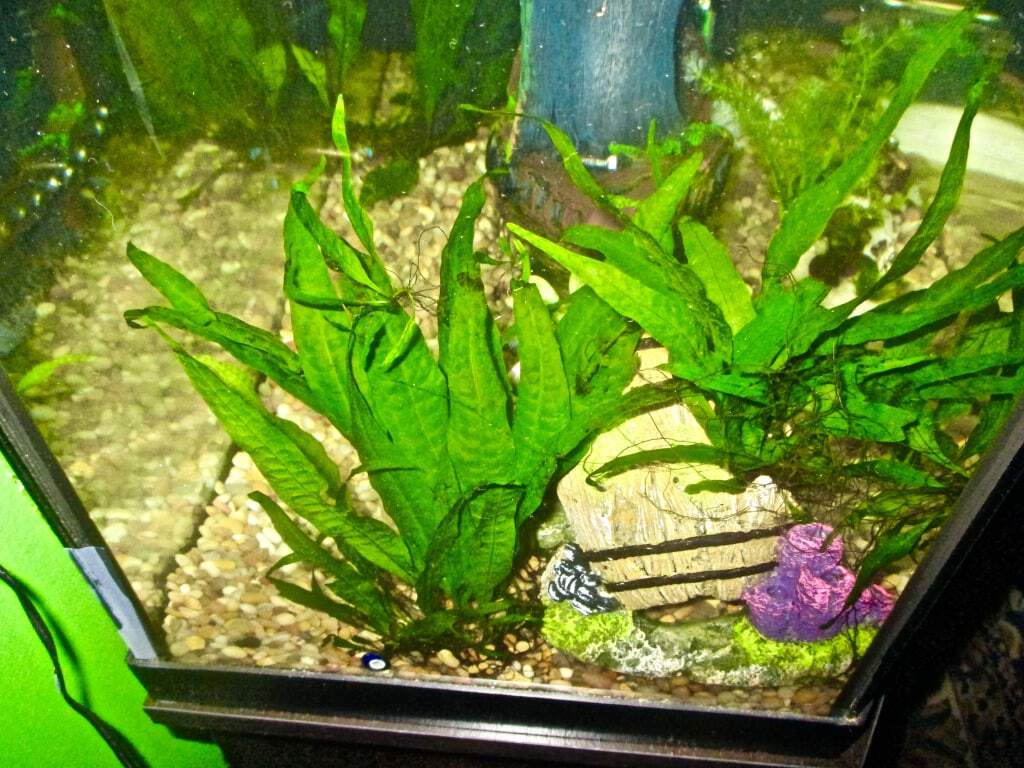
Establishing the ideal environment and ensuring the health of Java Fern specimens are essential steps before planting them in your aquarium. Proper preparation not only promotes healthy growth but also contributes to the overall stability and aesthetics of your aquatic ecosystem. Understanding the optimal conditions and selecting the right plants are crucial for successful integration.
Careful preparation involves assessing your aquarium’s current parameters, selecting robust Java Ferns, and gathering the appropriate tools and materials. This approach minimizes plant stress and maximizes their chances of thriving in your setup.
Ideal Aquarium Conditions for Java Fern
Java Fern is a hardy aquatic plant that adapts well to a variety of aquarium environments. However, specific conditions optimize its growth and health, creating a balanced habitat that supports both the plant and your aquatic life.
Ensuring proper lighting, water parameters, and substrate conditions is fundamental. Java Fern prefers subdued lighting, making it suitable for low to moderate light setups. Excessive light can encourage algae growth on the leaves, so maintaining a moderate light level is advisable. Aim for around 0.5 to 1 watt per liter of light, or use LED lights with adjustable intensities to prevent overexposure.
Water parameters significantly influence the vitality of Java Fern. It thrives in water temperatures between 20°C and 28°C (68°F to 82°F), with a pH ranging from 6.0 to 7.5. Maintaining stable water conditions with low to moderate hardness and minimal fluctuations helps prevent stress and disease.
Java Fern’s root system prefers to be anchored rather than buried. Use a fine, nutrient-rich substrate to support other plants, but avoid submerging the rhizome itself. Instead, attach the fern to decorations, rocks, or driftwood using fishing line, plant glue, or anchoring materials, allowing water flow over the roots for nutrient absorption.
Selecting Healthy Java Fern Specimens for Planting
Choosing healthy plants is critical to ensure successful establishment and growth. Healthy Java Fern exhibits specific characteristics that distinguish it from stressed or unhealthy specimens.
When selecting Java Fern, look for vibrant green coloration without brown or yellowing leaves, which may indicate poor health or nutrient deficiency. The leaves should be firm and free from signs of decay or algae overgrowth. The rhizome should be thick and sturdy, not soft or mushy, indicating good vitality and strong root systems.
Inspect the plant for pests such as snails or algae pests that could compromise its health or spread to other aquarium inhabitants. Avoid plants with excessive detritus or damaged leaves, as these can hinder adaptation. Opt for plants with new, fresh growth to increase the likelihood of successful rooting and development.
Tools and Materials Checklist
Proper tools and materials streamline the planting process and help prevent damage to the plant and aquarium environment. Having these items ready ensures a smooth and effective planting session.
- Tweezers or Aquascaping Pliers: To handle delicate leaves and position the fern securely on decorations or substrates without causing harm.
- Aquarium Scissors: For trimming any damaged or excess leaves before planting. Fine, sharp scissors provide precise cuts that promote healthy growth.
- Anchor Materials: Such as fishing line, plant glue, or small weights to attach the fern to rocks, driftwood, or other decorations.
- Cleaning Supplies: Tank-safe brushes or cloths to clear debris or algae from the plant and surrounding environment prior to planting.
- Water Testing Kits: To measure parameters like pH, hardness, and temperature, ensuring optimal conditions are maintained.
Ensuring you have the right tools and materials at hand minimizes stress for the plant during planting and helps foster a healthy environment from the outset.
Methods of Planting Java Fern
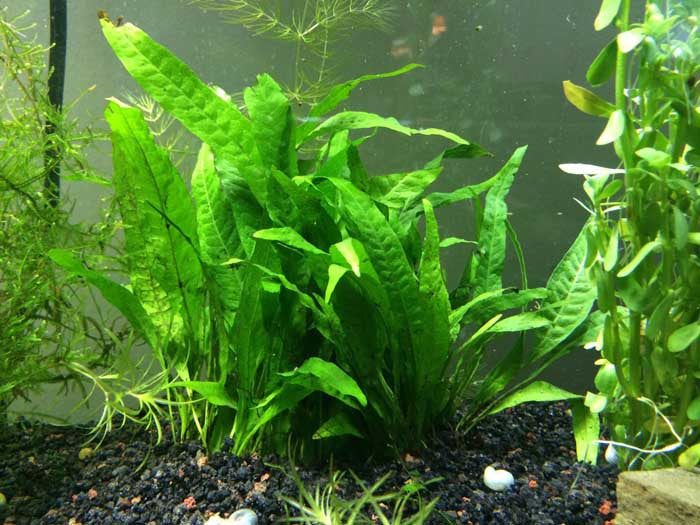
Choosing the appropriate method to attach Java Fern in your aquarium is essential for its healthy growth and aesthetic appeal. While Java Fern is versatile and adaptable, understanding the different anchoring techniques allows aquarists to select the most suitable approach based on their tank setup, plant size, and aesthetic preferences.
There are primarily three common methods to attach Java Fern: attaching to rocks, attaching to driftwood, and planting directly into the substrate. Each technique involves specific materials and procedures, offering varying degrees of stability and visual integration within the aquarium environment.
Attaching Java Fern to Rocks
Rocks provide a sturdy and visually appealing base for Java Fern. To attach the fern securely, you can use fishing line, thread, or plant weights, ensuring the roots are in contact with the surface while the leaves remain free to grow upward. It is important to select porous rocks that do not alter water chemistry and thoroughly clean them before placement.
Begin by positioning the Java Fern’s roots against the rock’s surface in the desired location. Wrap the fishing line or thread around the base of the plant and the rock, ensuring the roots are snug but not constricted. If using plant weights, gently place the weights atop the roots and secure them with a gentle knot or by wrapping the thread around both the weights and the roots.
Allow the plant to naturally adhere as the roots grow into the porous surface over time.
Attaching Java Fern to Driftwood
Driftwood offers a natural and aesthetic substrate for Java Fern, especially in aquascaping designs. The process mirrors that of attaching to rocks but takes advantage of the irregular surface texture of the wood. Using fishing line or thread, you can tie the fern’s roots to the branches or crevices of the driftwood, ensuring they are tightly secured without damaging the plant.
Position the Java Fern on the desired part of the driftwood, then tightly wrap the fishing line or thread around the roots and the wood. For added security, you may place small plant weights on the roots or use a minimal amount of aquarium-safe glue to enhance attachment, although natural tying methods are generally preferred for ease of plant growth and removal.
Over time, the roots will anchor into the wood, creating a natural look.
Planting Java Fern into Substrate
While Java Fern is commonly attached to surfaces, it can also be planted into the substrate, especially when a more natural, rooted appearance is desired. This method involves securing the roots within the substrate using small amounts of substrate or planting weights to prevent the fern from floating or shifting.
Carefully dig a small hole within the substrate, gently insert the roots of the Java Fern, and cover them lightly with substrate material. Alternatively, use small, aquarium-safe plant weights to hold the plant in place during the initial growth period. It is crucial not to bury the crown of the plant, as this can cause rot. Regular monitoring ensures the fern remains securely anchored and healthy.
| Method | Materials | Advantages | Disadvantages |
|---|---|---|---|
| Attaching to Rocks | Fishing line, thread, or plant weights; porous rocks | Stable attachment, natural appearance, easy to adjust | Requires periodic checking of ties, potential for plant damage if tied too tightly |
| Attaching to Driftwood | Fishing line, thread, plant weights; driftwood | Natural aesthetic, customizable placement, promotes natural growth | Potential for the plant to detach if not secured properly, may take time for roots to establish |
| Planting into Substrate | Small substrate portions, plant weights, or none | Integrated appearance, simple for small plants, minimal tools needed | Risk of burying the crown leading to rot, less suitable for large or heavily growing plants |
Step-by-Step Guide to Plant Java Fern
Successfully planting Java Fern in your aquarium requires attention to detail and proper technique to ensure healthy growth and a thriving aquatic environment. Whether you are setting up a new tank or enhancing an existing one, following a systematic approach helps prevent common mistakes and promotes the plant’s natural beauty and resilience.
This guide provides a comprehensive process for planting Java Fern in various aquarium setups. It highlights practical tips to avoid issues such as damaging the rhizome or roots, and shares best practices to secure the plant firmly and encourage vigorous growth.
Preparing the Java Fern for Planting
Before planting, carefully examine the Java Fern to ensure it is healthy, with vibrant green fronds and no signs of decay or pests. Remove any dead or damaged leaves gently, using clean, sharp scissors if necessary. It is best to avoid fertilizing or trimming extensively immediately before planting, as this can stress the plant. If the fern is mounted on a piece of driftwood or rock, ensure the attachment points are stable and clean.
Choosing the Right Placement and Setup
The placement of Java Fern in the aquarium is crucial for optimal growth. It thrives best in low to moderate light conditions and prefers to be attached to hard surfaces such as rocks, driftwood, or ceramic backgrounds. Avoid burying the rhizome, as this can lead to rot. Instead, position the plant so that the rhizome is exposed and above the substrate.
For tanks with high flow rates, secure the fern firmly to prevent it from drifting away.
Attaching Java Fern to Surfaces
Java Fern is typically attached to hard surfaces rather than planted directly into substrate. The attachment process involves either tying or gluing the plant to the chosen surface, ensuring the rhizome remains above the substrate to prevent rot. Use the following methods:
- Using Fishing Line or Cotton Thread: Wrap the roots around the surface gently and secure with fine fishing line or cotton thread. Over time, the plant will naturally anchor itself, and the material can be removed after roots develop.
- Using Aquarium-Safe Glue: Apply a small amount of specially formulated aquatic glue to the roots or edges of the rhizome, then press it onto the surface. Allow the glue to cure fully before introducing the setup to the tank.
Planting Procedure for Different Setups
Java Fern can be adapted to a variety of aquarium arrangements, including rocky scapes, driftwood setups, or even floating positions. Each setup requires a tailored approach to ensure the plant’s stability and health:
- On Driftwood or Rocks: Secure the rhizome using fishing line or glue, ensuring it is firmly attached and visible. Avoid covering the rhizome completely, as this can hinder growth.
- In Substrate with Mounting: While Java Fern prefers to be attached to surfaces, it can sometimes be anchored to substrate with minimal burying of roots. Use small stones or gravel to stabilize the plant, but keep the rhizome above the substrate to prevent rot.
- Floating Java Fern: For floating setups, gently place the plant on the surface, allowing the roots to dangle freely. This method is suitable for quick propagation or aesthetic purposes but provides less support for long-term growth.
Tips for Ensuring Proper Attachment and Growth
Achieving firm attachment and fostering healthy development involve attention to specific practices:
- Avoid Burying the Rhizome: Always keep the rhizome above the substrate or surface to prevent decay and root rot. Burying can lead to fungal infections and deterioration.
- Secure the Plant Properly: Use gentle but firm methods such as tying or gluing to prevent the plant from detaching due to water flow or movement.
- Maintain Consistent Water Conditions: Provide stable parameters, including appropriate lighting, temperature, and nutrients, to support healthy growth.
- Regular Inspection: Check the attachment points periodically, especially after water changes or disturbances, and re-secure if necessary.
- Promote Growth by Providing Adequate Light and Nutrients: Java Fern benefits from moderate lighting and occasional liquid fertilizers rich in iron and other trace elements.
By following these detailed steps and tips, you can ensure your Java Fern remains healthy, vibrant, and a beautiful part of your aquatic ecosystem for years to come.
Post-Planting Care and Maintenance
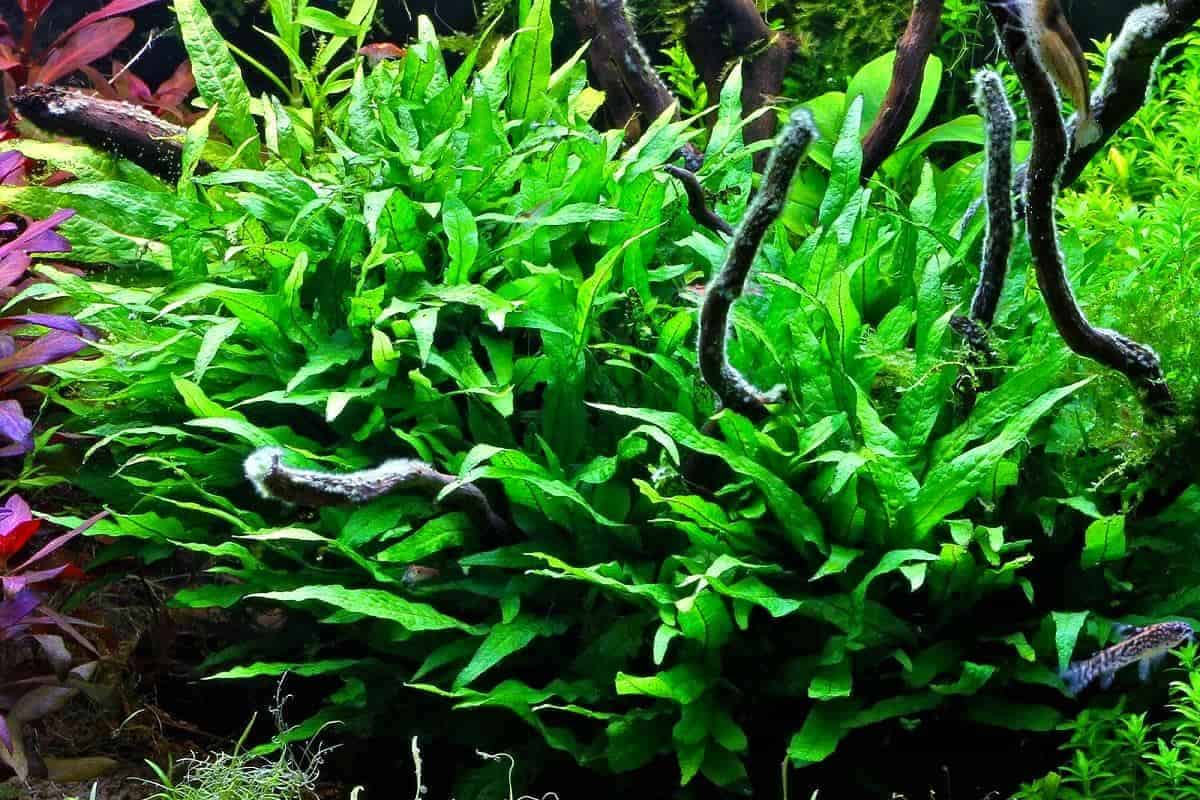
Effective post-planting care and routine maintenance are essential to ensure the healthy growth and longevity of Java Fern in your aquarium. Proper attention to lighting, nutrient levels, water quality, and regular pruning will promote vibrant, lush foliage and prevent common issues such as algae overgrowth or plant decay. Maintaining these practices not only enhances the aesthetic appeal of your aquatic environment but also supports the overall health of your aquarium ecosystem.A well-planned maintenance routine involves consistent monitoring and adjustments based on the plant’s growth stage and water conditions.
By understanding the specific needs of Java Fern after planting, aquarium hobbyists can cultivate a thriving underwater garden that requires minimal intervention while providing maximum visual and ecological benefits.
Optimal Lighting, CO2, and Nutrient Requirements
Java Fern is a hardy aquatic plant that thrives under moderate lighting conditions. While it can tolerate low light, providing adequate illumination encourages denser growth and vibrant green coloration. To optimize plant health, maintain lighting levels around 0.5 to 1 watt per liter (or approximately 2-3 watts per gallon), ensuring the light is evenly distributed across the aquarium.Although Java Fern prefers low to moderate CO2 levels, supplementing CO2 can enhance growth speed and leaf vitality, especially in densely planted tanks.
Typically, natural CO2 produced by fish respiration and organic decay suffices; however, in heavily stocked tanks or high-light setups, additional CO2 injection may be beneficial. Be cautious to avoid sudden fluctuations, as they can stress the plant.Regarding nutrients, Java Fern absorbs essential elements primarily through its rhizome and leaf surfaces. To support ongoing health, incorporate a balanced liquid fertilizer containing macro and micronutrients, such as iron, potassium, and nitrates, at levels appropriate for low to moderate light setups.
Avoid over-fertilization, which may lead to algae proliferation. Regular water changes dilute excess nutrients and maintain stable conditions vital for plant vitality.
Maintaining stable light intensity, moderate CO2 levels, and appropriate nutrient dosing creates an environment conducive to robust Java Fern growth, reducing the risk of deficiencies and algae issues.
Maintenance Routine: Trimming, Cleaning, and Water Quality Monitoring
Consistency in maintenance tasks ensures that Java Fern remains healthy and aesthetically pleasing. Regular trimming of damaged or overgrown leaves encourages new growth and prevents the plant from becoming unruly. Use clean, sharp scissors or aquascaping tools to carefully snip away yellowing, decayed, or algae-covered leaves, ideally every 4 to 6 weeks or as needed.Cleaning the aquarium glass and removing excess algae helps prevent shading of the plant and promotes better light penetration.
Gently wipe the glass and remove any algae build-up on the leaves without disturbing the root system. Performing routine water quality testing is crucial; parameters such as pH (ideally 6.0-7.5), KH, GH, and nitrate levels should be checked weekly. Java Fern prefers slightly acidic to neutral water, and maintaining stable conditions minimizes stress and supports healthy growth.A schedule for routine maintenance might include weekly water changes of around 20-25%, testing water parameters biweekly, and trimming any unhealthy foliage.
Employing good filtration and avoiding overfeeding will also contribute to optimal water quality, reducing the accumulation of waste and organic matter that can threaten plant health.
Indicators of Healthy Growth Versus Issues Requiring Attention
Knowing how to recognize the signs of healthy Java Fern growth versus potential problems is essential for timely intervention. Healthy Java Fern displays vibrant green leaves, steady growth, and minimal algae coverage. Regular pruning results in a lush, bushy appearance, and new leaf shoots emerge consistently from the rhizome.Conversely, issues such as yellowing, browning, or translucent leaves may indicate nutrient deficiencies, inappropriate lighting, or poor water conditions.
Excessive algae growth on the leaves or substrate often signifies an imbalance in nutrients or lighting, possibly leading to reduced photosynthesis and growth suppression.Signs of stress or disease include slimy or decaying leaves, stunted growth, or the presence of holes and tears in the foliage, which could result from fish nibbling or physical damage. If such symptoms occur, assess water parameters, adjust lighting or fertilization routines, and consider trimming affected leaves to prevent the spread of disease.Overall, maintaining vigilant observation and prompt response to changes ensures that Java Fern remains a resilient and attractive component of your aquarium ecosystem.
Troubleshooting Common Problems
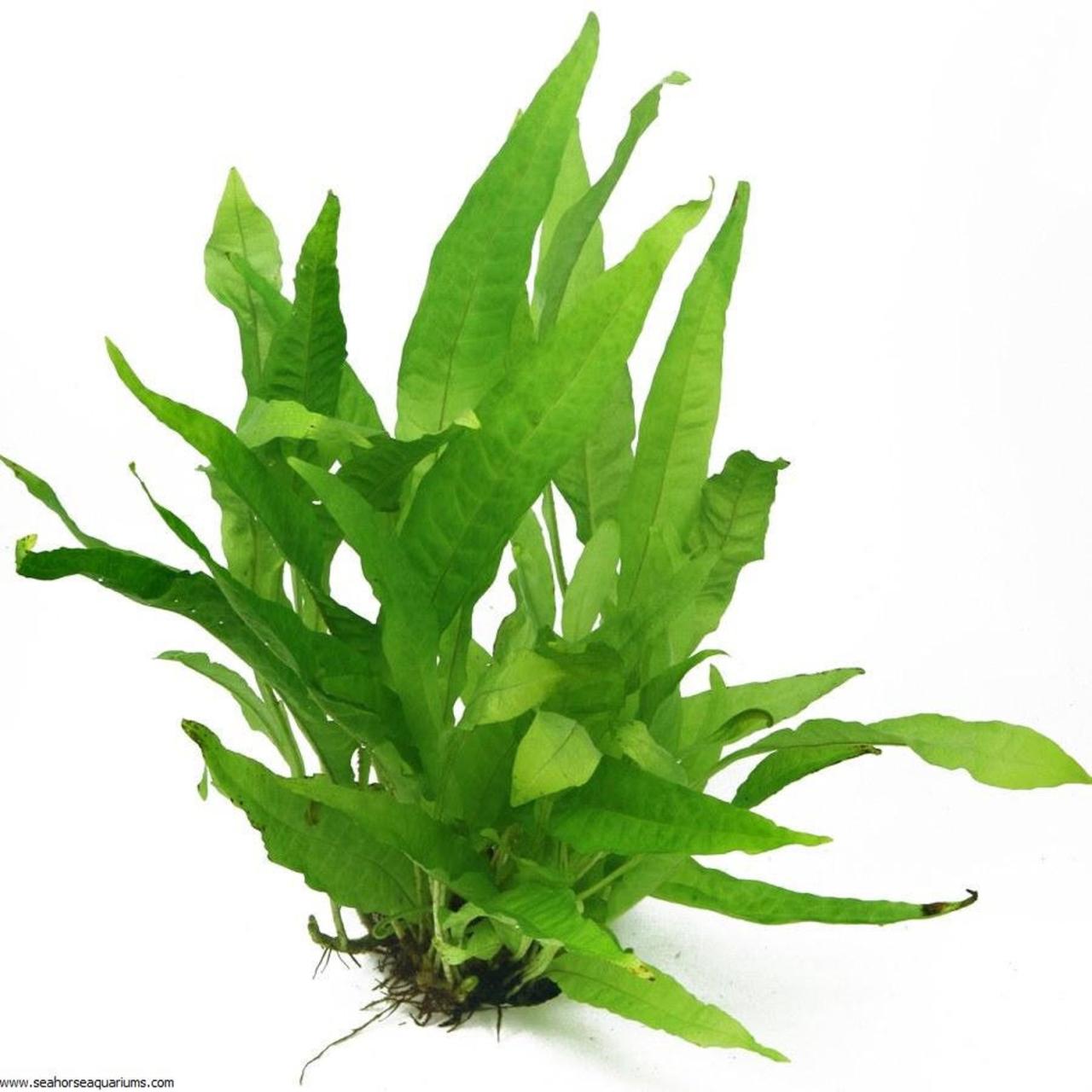
While Java Fern is regarded as a hardy and low-maintenance aquatic plant, beginners and experienced aquarists alike can encounter certain challenges that may affect its health and appearance. Understanding the common issues and implementing effective solutions can help ensure your Java Fern thrives in its environment and maintains its vibrant greenery. This section provides insights into typical problems such as melting and algae overgrowth, along with practical remediation steps to revive and protect your plant.
Recognizing early signs of issues allows for prompt intervention, minimizing damage and promoting healthy growth. Whether dealing with physical changes in the plant or unwanted algae proliferation, applying targeted strategies can stabilize the aquarium ecosystem, safeguard your Java Fern, and enhance the overall aesthetic of your aquatic setup.
Melting or Decay of Java Fern
One of the most common problems faced by Java Fern growers is melting or decay, often caused by improper lighting, nutrient deficiencies, or sudden environmental changes. When Java Fern begins to decay, its leaves may turn brown, become mushy, or disintegrate, which can be alarming for aquarists. This condition is typically reversible if addressed promptly, but ignoring it can lead to the plant’s death.
To revive a melting Java Fern, it’s essential to identify and correct the underlying causes. Maintaining stable water parameters, avoiding excessive light, and ensuring the plant is free from physical damage are crucial steps. Additionally, pruning dead or decaying leaves encourages new growth and prevents the spread of decay to healthy parts of the plant.
Algae Overgrowth on Java Fern
Algae overgrowth is a common problem that can overshadow Java Fern, making it appear unsightly and potentially hindering its growth. Excessive algae can result from high nutrient levels, too much light, or poor water circulation. The presence of algae on the leaves can block light absorption, weaken the plant, and disrupt the balance of the aquarium.
Controlling algae involves managing the light exposure, reducing excess nutrients, and promoting beneficial algae-eating inhabitants like certain fish or invertebrates. Regular maintenance, such as manual removal and water changes, also plays a vital role in maintaining a clean environment conducive to healthy Java Fern growth.
Remediation Steps for Common Issues
Addressing challenges with Java Fern requires a systematic approach tailored to the specific problem. Here are effective steps for common issues:
- For Melting or Decay:
- Reduce lighting intensity or duration if the aquarium is exposed to direct or intense light.
- Ensure the water temperature remains within 20-24°C (68-75°F), avoiding sudden fluctuations.
- Remove any decayed or brown leaves manually to prevent nutrient depletion and fungal growth.
- Check and maintain appropriate nutrient levels, especially iron and other trace elements, through liquid fertilizers if necessary.
- Secure the rhizome properly, avoiding burial or damage that can lead to decay.
- To Control Algae Overgrowth:
- Limit light exposure to 8-10 hours per day, using a timer for consistency.
- Perform regular water changes of 20-30% weekly to reduce excess nutrients like nitrates and phosphates.
- Introduce algae-eating species such as shrimp or certain fish that do not harm the Java Fern.
- Increase water circulation to prevent stagnant areas where algae thrive.
- Use safe, algae-control products only if necessary and according to instructions, ensuring they are compatible with aquatic plants.
Maintaining optimal water quality, appropriate lighting, and consistent care are key to preventing and resolving common Java Fern problems, ensuring your aquatic environment remains healthy and vibrant.
Visual and Design Tips for Java Fern Aquascapes
Integrating Java Fern into aquascapes offers a versatile approach to creating stunning underwater landscapes that mimic natural environments. Thoughtful placement, arrangement, and design can elevate the aesthetic appeal of your aquarium, making it a captivating centerpiece while providing a healthy habitat for aquatic life. In this section, we explore various styles, diagrammatic approaches, and arrangement ideas to help you craft visually balanced and harmonious Java Fern displays.
Effective aquascaping with Java Fern requires understanding how to position these plants to complement the overall design. By considering different stylistic themes, utilizing illustrative diagrams to visualize planting techniques, and experimenting with arrangements that emphasize natural growth patterns, hobbyists can develop unique and aesthetically pleasing underwater scenes that showcase Java Fern’s lush greenery and delicate fronds.
Integration of Java Fern into Various Aquascaping Styles
Java Fern’s adaptability allows it to blend seamlessly into a range of aquascaping styles, from naturalistic layouts to modern minimalist designs. Recognizing the characteristics of each style helps in choosing appropriate placement and combinations.
- Nature-Style (Dutch or Iwagumi): Java Ferns can be attached to rocks or driftwood, mimicking natural riverbanks or forested landscapes. Their lush foliage adds depth and richness to the scene, especially when contrasted with rocks and substrate variations.
- Biotope Style: Incorporate Java Ferns alongside native plants or similar species to replicate local habitats. Embedding them within a substrate or attaching to natural elements enhances authenticity.
- Minimalist or Modern Style: Utilize single or few Java Ferns positioned strategically to create focal points. Their delicate fronds soften clean lines and add a natural touch to sleek aquascapes.
By tailoring placement and plant combinations to specific styles, aquarists can achieve cohesive designs that enhance both visual appeal and ecological balance.
Descriptive Explanation for Creating Illustrative Diagrams of Planting Techniques
Visual diagrams are invaluable for understanding planting methods and arrangements. Creating detailed illustrations involves depicting the substrate, plant attachment points, and surrounding elements to demonstrate how Java Fern is incorporated into the aquascape. Diagrams should clearly show the following:
- Placement of Java Fern on rocks, driftwood, or substrate, indicating the orientation and depth.
- Techniques for attaching Java Fern using fishing line, thread, or glue, with arrows indicating attachment points.
- Growth directions and spacing to illustrate how plants will develop over time.
Effective diagrams combine labeled parts with color differentiation to distinguish between different elements, such as roots, fronds, and attachment mediums. For example, a cross-sectional view of Java Fern attached to a piece of driftwood can display the plant’s base wrapped securely around the wood, with arrows indicating growth direction, and labels for attachment methods like fishing line or substrate anchorage.
Such visual tools simplify complex planting procedures and help hobbyists replicate professional setups accurately.
Arrangements with Detailed Descriptions of Aesthetic Compositions
Creative arrangements of Java Fern can significantly influence the overall visual harmony of an aquascape. Here are detailed composition ideas that emphasize aesthetic appeal:
- Vertical Focal Point: Position a tall, well-grown Java Fern on a central driftwood piece or rock to serve as the visual anchor. Surround it with shorter plants or substrate to create contrast, emphasizing height and grandeur.
- Foreground Accents: Use smaller Java Ferns or propagate new growth in the foreground. These can be arranged along the front edge of the tank, with their delicate fronds extending outward, softening the view and inviting the eye inward.
- Naturalistic Clusters: Group multiple Java Ferns of varying sizes on large rocks or driftwood to emulate natural plant clusters found along riverbanks. Vary the attachment points and orientations to mimic randomness, enhancing realism.
- Balanced Asymmetry: Create a dynamic composition by placing Java Ferns off-center, paired with other plants or decorative elements. This asymmetry adds visual interest while maintaining harmony through careful balancing of colors, textures, and heights.
When arranging Java Ferns, consider their growth patterns and potential for spreading. Use moss or other companion plants to fill gaps and soften transitions, creating layered textures and depth. Combining these techniques and aesthetic principles will produce aquascapes that are not only beautiful but also sustainable, allowing the plants to thrive and evolve naturally.
Epilogue
In summary, mastering the art of planting Java Fern in your aquarium combines aesthetic creativity with practical care. By selecting the right placement, securing the plant properly, and maintaining optimal conditions, you can create a vibrant and healthy underwater environment that captivates the eye and supports aquatic life. Embrace these techniques and enjoy the rewarding experience of cultivating a beautiful aquatic landscape filled with thriving Java Ferns.