Learning how to glue plants to driftwood opens up exciting possibilities for creating visually appealing and naturalistic aquatic environments. This technique not only enhances the aesthetic appeal of aquascapes and terrariums but also provides a secure and lasting attachment for various plant species. Whether you are a beginner or an experienced hobbyist, understanding the proper procedures and materials involved can significantly improve your success in plant placement and growth.
This guide offers a comprehensive overview of selecting suitable driftwood and plants, preparing materials properly, choosing the right adhesive, and applying effective gluing techniques. By following these steps, you can ensure your plants remain securely attached and thrive over time, resulting in a vibrant and healthy aquatic habitat.
Introduction to Gluing Plants to Driftwood
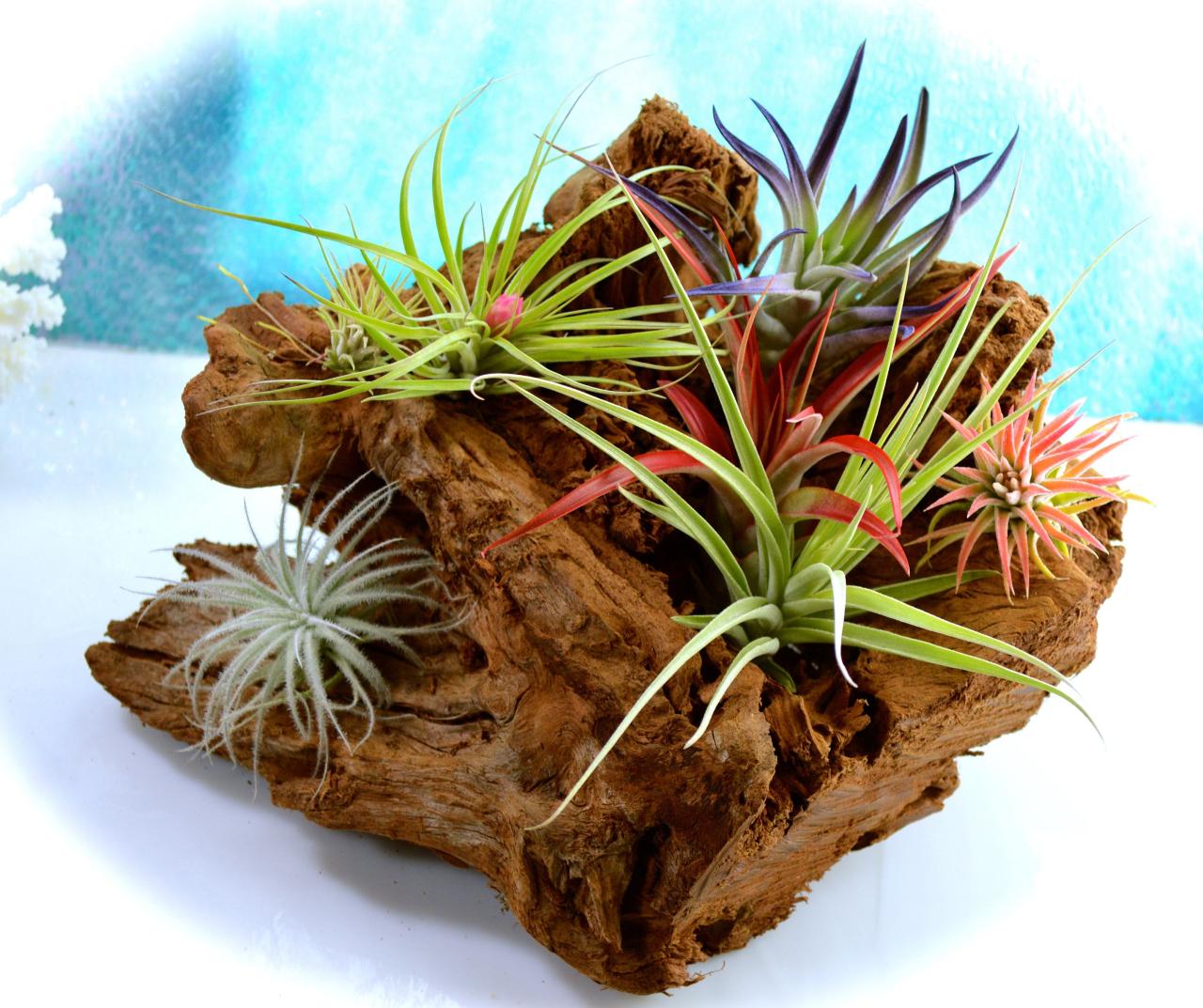
Attaching aquatic plants to driftwood is a popular technique in aquascaping and terrarium design, offering a natural and aesthetically pleasing environment. The choice of adhesive plays a crucial role in ensuring the health of the plants and the stability of the arrangement. Selecting the appropriate glue not only maintains the integrity of the ecosystem but also prevents potential damage to delicate plant tissues and the driftwood structure.
Embedding plants onto driftwood provides numerous benefits, such as creating a lush, organic appearance that mimics natural habitats. This method simplifies plant placement, making it easier to achieve complex layouts without the need for planting into substrate. It is widely used in freshwater aquariums, paludariums, and terrariums where visual appeal and functional stability are paramount.
Benefits of Attaching Plants to Driftwood
Using glue to affix plants onto driftwood offers several advantages, enhancing both the aesthetics and functionality of the setup:
- Facilitates natural-looking landscapes that resemble riverbanks, forests, or submerged environments.
- Allows for precise placement of plants in hard-to-reach areas, creating depth and dimension in the aquascape.
- Reduces disturbance to roots during initial planting, promoting quicker establishment and growth.
- Helps in creating a stable environment where plants are less likely to be uprooted by water currents or animals.
- Enables reuse and rearrangement of plant and driftwood components without damaging the ecosystem.
Common Use Cases for Gluing Plants to Driftwood
This method is versatile and applicable in various scenarios where securing plants onto hard surfaces enhances the overall design:
- Creating focal points in aquascapes, such as overhanging plants or moss-covered branches, to mimic natural overgrowth.
- Designing terrariums with vertical or complex structures that require stable plant attachments.
- Developing low-maintenance setups where rooted plants are difficult to establish quickly, such as with mosses and epiphytes.
- Rehabilitating damaged or transplanted plants by affixing them to suitable surfaces for better recovery and growth.
- Constructing themed displays, such as submerged caves or jungle scenes, where realistic plant placement is essential.
Selecting Suitable Driftwood and Plants
Choosing the right driftwood and plants is a foundational step in creating a thriving, visually appealing aquatic or terrarium environment. The compatibility, safety, and growth requirements of both components influence the success of your project. Proper selection ensures that the plants will adhere well, grow healthily, and require manageable care, while the driftwood provides a stable and aesthetic base for your arrangement.
Careful consideration of the characteristics of driftwood and plant species not only enhances the visual harmony but also promotes a sustainable ecosystem. Factors such as material safety, water chemistry, attachment potential, and plant adaptability should guide your choices. This section provides specific criteria and comparisons to help you identify the most suitable materials for your setup.
Criteria for Choosing Driftwood
When selecting driftwood for plant attachment, it is crucial to prioritize materials that are safe, durable, and compatible with your aquatic or terrestrial environment. The ideal driftwood should meet the following criteria:
- Non-toxic and chemical-free: Ensure the driftwood has not been treated with chemicals, preservatives, or dyes that could harm aquatic life or plants.
- Porous and textured surface: A rough surface facilitates better adhesion of glues and plant roots, providing more anchoring points.
- Stable and buoyant-free: Choose dense wood that will sink naturally or can be pre-soaked to eliminate buoyancy, ensuring stability in water or terrariums.
- Free from pests and decay: Inspect for insects, mold, or rot, which could compromise the health of your plants and aquatic environment.
- Appropriate size and shape: Select pieces that fit well within your space and offer multiple attachment points for plants.
Ideal Plant Species for Gluing onto Driftwood
For successful plant attachment, selecting species known for their adhesive properties, manageable growth, and compatibility with driftwood is essential. Both aquatic and terrestrial plants can be used, depending on the intended environment. The following list highlights some of the most suitable options:
- Anubias nana: A hardy aquatic plant with thick rhizomes that can be glued securely; slow-growing and low-maintenance.
- Java Fern (Microsorum pteropus): Has flexible roots and tough leaves, making it ideal for gluing; thrives in low to moderate light.
- Buces (Bucephalandra spp.): Small, slow-growing aquatic plants with adhesive roots; excellent for decorative attachments.
- Java Moss (Taxiphyllum barbieri): A versatile moss that readily adheres to surfaces; provides excellent coverage and habitat.
- Terrarium plants like Pothos (Epipremnum aureum): Suitable for terrestrial setups; their aerial roots attach easily to wood surfaces.
Comparison of Plant Species
Understanding the adhesion ability, growth rate, and care needs of different plants aids in selecting the most suitable species for your project. The table below offers a concise comparison:
| Plant Species | Adhesion Ability | Growth Rate | Care Needs |
|---|---|---|---|
| Anubias nana | Excellent; rhizomes anchor securely | Slow | Low; tolerates low light and infrequent fertilization |
| Java Fern | Good; roots attach well to rough surfaces | Slow to moderate | Low; prefers low light and minimal nutrients |
| Bucephalandra spp. | Excellent; roots easily glued or attached | Very slow | Low; thrives in low to medium light, minimal care |
| Java Moss | Excellent; spreads rapidly when attached | Fast | Very low; adaptable and hardy |
| Pothos (terrestrial) | Good; aerial roots cling easily | Fast | Low; tolerates low light and irregular watering |
Preparing the Driftwood and Plants
Proper preparation of both driftwood and plants is essential to ensure a secure and lasting attachment when gluing. This process involves cleaning, shaping, and positioning to create an optimal foundation for your aquatic or terrestrial display. Taking these steps carefully will enhance the adhesion process, prevent issues such as mold or rot, and promote the overall health of your plants and the stability of your arrangement.
Meticulous preparation not only facilitates a stronger bond but also contributes to the aesthetic appeal of your setup. Ensuring that the surfaces are clean and dry helps the glue adhere more effectively, while thoughtful trimming and positioning of plants guarantee a natural and harmonious appearance. The following procedures provide a comprehensive guide to achieve these goals efficiently and safely.
Cleaning and Preparing Driftwood
Before gluing plants onto driftwood, it is vital to thoroughly clean and prepare the wood to remove debris, dirt, and any potential contaminants that could interfere with adhesion or promote mold growth. Proper cleaning ensures a sterile surface, which is crucial for aquatic environments or decorative displays that may be exposed to moisture.
- Remove loose dirt and debris by rinsing the driftwood under running water. Use a stiff brush to scrub away any stubborn residues or organic material attached to the surface.
- If the driftwood has a strong odor or contains residual salts or tannins that could discolor water or affect plant health, soak it in clean water for several days, changing the water daily. This process also helps to leach out excess tannins that may stain or alter water chemistry.
- For further sterilization, especially if the driftwood was collected from a natural environment, boil it in water for 1-2 hours. This step kills bacteria, fungi, and pests that might be present.
- Allow the driftwood to dry completely in a well-ventilated area. Proper drying prevents mold and rot, ensuring longevity and safety of the glued plants.
Trimming and Positioning Plants
Proper trimming and positioning of plants before attachment are crucial for both aesthetic appeal and successful adhesion. Correctly prepared plants will fit better onto the driftwood, reduce the risk of detachment, and promote healthy growth.
Consider the final arrangement and growth habits of your plants when trimming. Removing excessive leaves or long stems can prevent overcrowding and make it easier to secure them firmly to the driftwood surface.
- Use sharp, clean scissors or pruning shears to trim plant stems or roots to manageable lengths, typically 2-4 inches, depending on the plant species. This helps in handling and adherence.
- Gently clean the underside of each plant to remove any excess soil, algae, or debris that could obstruct adhesion. For aquatic plants, rinse thoroughly in water to eliminate residues.
- Position the plants on the driftwood to determine the most natural and balanced look. Keep in mind that some plants, such as mosses or epiphytes, require a secure attachment point and may need to be supported until they establish roots or attachments.
- Temporary securing methods, such as using weights or clips, can be employed during the initial gluing process to hold plants in place, ensuring proper contact with the surface.
Drying the driftwood thoroughly is critical to prevent mold or rot, which can compromise both the structure and the health of your plants. Ensure complete dryness before proceeding to glue.
Choosing the Right Adhesive
Selecting an appropriate adhesive is a crucial step in securely attaching plants to driftwood, particularly in aquatic environments where safety and durability are paramount. The adhesive must not only bond effectively but also be safe for aquatic life, ensuring that no harmful chemicals leach into the water over time. A well-chosen glue will facilitate a sturdy attachment that withstands water movement, plant growth, and time, providing a natural appearance and long-lasting support.When choosing an adhesive for this purpose, it is vital to consider properties such as non-toxicity, quick curing time, strong adhesion, and water resistance.
Aquatic plants and driftwood are often submerged or exposed to constant moisture, making the selection of a suitable glue essential to prevent deterioration or detachment. The ideal adhesive should cure rapidly to reduce handling time and minimize the risk of displacement during the initial setting phase, while also being inert once cured to ensure the safety of aquatic fauna and flora.
Types of Suitable Adhesives for Aquatic Environments
Several adhesives are suitable for gluing plants onto driftwood within aquatic settings, each with distinct advantages and limitations. The most commonly used options include aquarium-safe epoxy, super glue gel, and specialized plant glues. Choosing the right one depends on factors like curing time, ease of application, and long-term durability.
| Adhesive Type | Pros | Cons |
|---|---|---|
| Aquarium-Safe Epoxy |
|
|
| Super Glue Gel (Cyanoacrylate) |
|
|
| Specialized Plant Glues |
|
|
Note: Always verify that any adhesive used is labeled safe for aquarium use and suitable for submerged applications to prevent any adverse effects on aquatic life.
In summary, the choice of adhesive should prioritize safety, durability, and ease of use. Aquarium-safe epoxy offers long-lasting strength suitable for heavier or larger plant attachments, while super glue gel provides an excellent quick fix for smaller or delicate setups. Specialized plant glues are ideal for ensuring the health of aquatic plants, especially when flexibility is required. Making an informed decision based on these factors will contribute to a successful and sustainable aquatic planting arrangement.
Gluing Process and Techniques
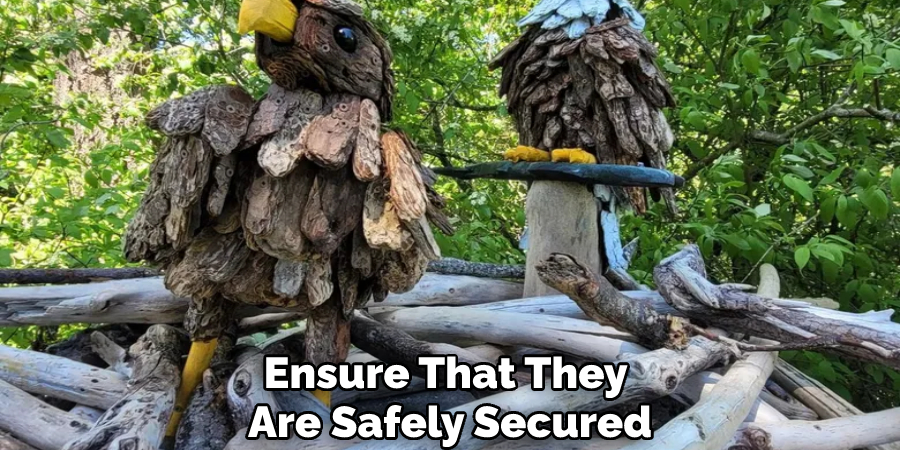
Effective gluing of plants onto driftwood requires precision, patience, and the correct technique to ensure a secure and natural-looking attachment. Proper application of adhesive, combined with strategic positioning and support during drying, can greatly enhance the longevity and aesthetic appeal of your mounted plants. This section provides detailed guidance on the best practices for applying glue, securing plants during the drying phase, and step-by-step procedures to achieve optimal results.Applying glue to delicate plant roots or stems without causing damage is a delicate task that demands careful handling.
Using the right amount of adhesive ensures effective bonding without over-saturating or harming the plant tissues. To begin, select a high-quality, gentle adhesive suitable for both plant and wood surfaces. When applying, use a fine-tipped applicator or a small brush to precisely target the roots or stems. Lightly dab or spread the glue onto the area where the plant contacts the driftwood, avoiding excessive amounts that could seep into the plant’s internal structures, which might cause stress or decay.During the process, it is crucial to support the plant in its intended position on the driftwood to prevent shifting as the glue sets.
To secure plants during the drying period, use soft, flexible materials such as rubber bands, fishing line, or plant ties. Wrap these gently around the plant and driftwood to hold the plant firmly in place, ensuring that no undue pressure is applied that could damage delicate parts. Place the mounted driftwood in an environment with stable temperature and humidity, and allow sufficient time for the adhesive to cure fully—typically 24 to 48 hours—before handling or moving the piece.
Step-by-Step Gluing Procedures
To streamline the process and maximize success, adhere to the following detailed steps:
- Prepare the workspace by laying down newspaper or a protective mat to keep the area clean and to catch any excess glue.
- Select the appropriate adhesive, ensuring it is suitable for both plant tissue and wood, and have applicators ready.
- Carefully clean the roots or stems of the plant to remove any dirt or debris, which can interfere with adhesion.
- Apply a small, controlled amount of glue to the roots or stem tips using a fine applicator or brush, focusing on the contact points.
- Position the plant onto the desired spot on the driftwood, gently pressing to ensure good contact between the surfaces.
- Use soft securing materials such as rubber bands or plant ties to hold the plant in place without causing damage.
- Double-check the positioning and adjust if necessary before the glue begins to set.
- Allow the glued plants to dry undisturbed in a controlled environment, avoiding direct sunlight or drafts that could alter the bonding process.
- After complete curing, carefully remove any securing materials, ensuring the plant remains firmly attached.
Visualizing the Attachment Technique
Imagine gently placing a small fern or moss onto a curved piece of driftwood, with its roots lightly coated in glue. The applicator ensures no excess glue pools or drips onto the foliage, preserving its delicate appearance. As you press the plant onto the wood, you support it with your fingers or a soft tool to keep it in the desired position.
Securing it with a loose rubber band around the base prevents movement while the adhesive cures. Visualize the gradual firming of the bond, resulting in a natural integration of the plant with the driftwood, ready to thrive in a controlled environment once the drying process completes.
Securing and Curing the Plants
Ensuring that plants remain securely attached to driftwood during the curing process is crucial for a successful and aesthetic outcome. Proper techniques prevent dislodgement, damage, or uneven adhesion that could compromise the overall appearance and health of the plants. This stage involves maintaining the position of your glued plants until the adhesive fully cures, which depends on the type of glue used and environmental conditions.
Patience and careful handling during this phase are essential to achieve a natural and durable result.To keep plants firmly in place while the glue sets, various methods can be employed. Using lightweight weights, such as small stones, marbles, or specially designed weights, can provide gentle downward pressure that stabilizes the plants without crushing or damaging delicate foliage. Alternatively, clips or binder clips can be securely attached around the plant stems or leaf clusters, gently holding them against the driftwood.
These tools are especially useful for ensuring that the plant’s orientation remains correct during the curing period. It is important to choose methods that do not exert excessive force, which could deform the plants or compromise the adhesive bond. For instance, avoid overly tight clips or heavy weights that might cause stress to plant tissues. For delicate or fragile plants, placing a piece of soft fabric or plastic wrap between the plant and the weight can distribute pressure evenly and prevent indentations or breakage.The curing time varies significantly depending on the adhesive type.
For example, cyanoacrylate glues (super glues) typically require a minimum of 24 hours to achieve full strength under ideal conditions, though a longer period of 48-72 hours ensures maximum bond durability. Epoxy adhesives may need 24-48 hours, influenced by temperature and humidity levels. In cooler or more humid environments, curing times may extend, so it’s advisable to allow extra time beyond the manufacturer’s recommendations.
Environmental factors like airflow and light exposure also impact curing; generally, a stable, low-humidity setting in a well-ventilated space facilitates optimal curing.To prevent dislodging or damage during curing, handle the setup minimally once the plants are secured. Avoid unnecessary movement or vibrations that could weaken the adhesive bond. Ensuring the working environment remains relatively undisturbed during this period is essential.
If outdoor conditions are used, such as in a terrarium or vivarium, position the setup in a quiet, draft-free area with stable temperature and humidity levels. Regularly inspect the glued plants after initial curing to confirm they remain firmly attached, and make adjustments promptly if any signs of loosening are observed.
Maintenance and Longevity
Proper maintenance of glued plants on driftwood is essential to ensure their continued health, aesthetic appeal, and secure attachment over time. Regular care helps prevent issues such as detachment, mold growth, and plant deterioration, thereby extending the lifespan of your living arrangement and maintaining the natural beauty of your display. Consistent attention to these aspects promotes a thriving environment and minimizes the need for frequent reattachments or repairs.To effectively care for glued plants on driftwood, it is important to monitor their growth and attachment stability continuously.
Environmental factors such as humidity, light exposure, and water quality influence plant health and adhesion. Proper watering practices, regular cleaning, and periodic inspections are necessary to detect early signs of detachment or mold formation. Addressing these issues promptly preserves the integrity of your arrangement and supports healthy plant development.
Care for Healthy Growth
Ensuring that glued plants remain healthy requires attention to their specific needs, including appropriate lighting, water conditions, and nutrient levels. Providing the right environment encourages vigorous growth and prevents decay, which can compromise the bond between the plant and driftwood. Regular pruning encourages bushiness and removes any dead or decaying foliage, which can harbor mold or pests.
- Maintain optimal water quality by performing routine water changes in aquatic setups or misting terrestrial plants to prevent dehydration.
- Adjust lighting to suit the plant species, ensuring they receive enough light without causing excessive algae growth or stress.
- Fertilize sparingly with species-appropriate nutrients to support healthy development without encouraging mold or algae proliferation.
Addressing Common Issues
Over time, glued plants may face challenges such as detachment or mold formation. Understanding the causes and implementing preventive measures is key to maintaining a thriving display.
- Detachment: This issue often arises from inadequate curing time, improper adhesive choice, or environmental stressors. To prevent detachment, ensure the adhesive has fully cured before exposing the setup to water or movement. Regularly inspect the plant attachment points for signs of loosening and reinforce as needed with gentle re-gluing or additional support structures.
- Mold and Algae Growth: These problems are driven by excessive moisture, poor water circulation, or nutrient buildup. To mitigate mold, maintain proper airflow and avoid stagnant water, especially in aquatic setups. Use UV sterilizers or biological controls where appropriate, and remove any moldy material promptly to prevent spread.
Pruning and Monitoring Stability
Routine pruning not only enhances the visual appeal but also reduces stress on the glued attachment points by removing excess weight or damaged foliage. Consistent monitoring helps identify early signs of detachment or deterioration, enabling timely intervention.
- Use sterilized tools to prune plants, preventing the introduction of pathogens.
- Gently test the stability of plants during regular inspections; if loosened, re-glue or secure with temporary supports until firmly attached.
- Keep a schedule for checking the attachment points, especially after environmental changes such as seasonal shifts or water parameter adjustments.
“Regular maintenance is the key to ensuring long-term health and stability of glued plants on driftwood, safeguarding your aquatic or terrestrial landscape’s beauty and resilience.”
Final Review
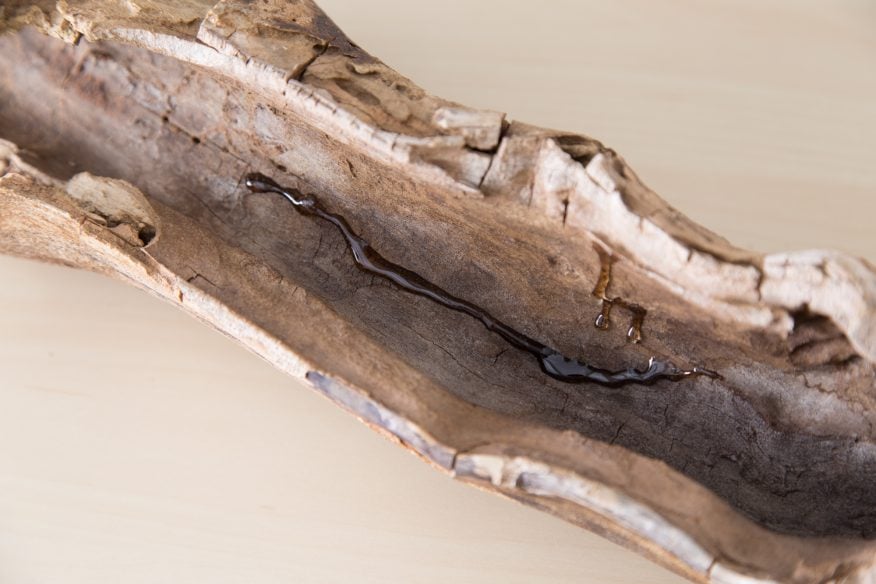
In conclusion, mastering the art of gluing plants to driftwood enables you to craft captivating and durable aquatic displays. Proper preparation, adhesive selection, and maintenance are essential for long-term success. With patience and attention to detail, your aquascapes will flourish, offering a stunning visual experience that reflects your dedication and creativity.