Learning how to plant Amazon Sword in aquarium properly is essential for establishing a vibrant and healthy aquatic environment. This guide provides detailed instructions and expert tips to ensure your Amazon Sword plants thrive, enhancing both the beauty and ecological balance of your aquarium.
From preparing the substrate to selecting healthy plants and providing appropriate post-planting care, understanding these steps will help you achieve lush, well-developed foliage that complements your aquatic setup. Proper planting techniques not only promote vigorous growth but also contribute to the overall health and aesthetics of your underwater ecosystem.
Introduction to planting Amazon Sword in aquariums
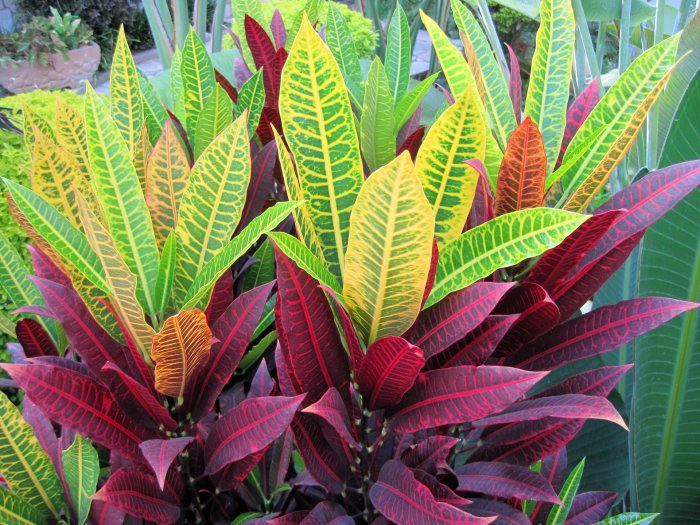
The Amazon Sword (Echinodorus bleheri) is a popular freshwater aquatic plant known for its vibrant green foliage and ease of care, making it an excellent choice for both beginner and experienced aquarists. Proper planting techniques are essential to ensure the health of the plant, its aesthetic appeal, and the overall stability of the aquarium environment.
Understanding the natural habitat and growth conditions of the Amazon Sword helps aquarists replicate optimal environments within their tanks. Originating from the slow-moving waters of the Amazon River basin, these plants thrive in nutrient-rich, slightly acidic to neutral waters with moderate lighting and ample space for root development. When correctly planted, Amazon Swords can significantly enhance aquarium aesthetics by providing lush greenery and natural shelter for aquatic fauna.
Additionally, healthy planting promotes nutrient absorption and helps maintain water quality by reducing algae growth and stabilizing substrate conditions.
Natural Habitat and Growth Conditions of Amazon Sword Plants
The Amazon Sword is native to the tropical regions of South America, particularly within the Amazon River basin. These plants have adapted to thrive in environments characterized by slow-moving or still waters, where they can establish extensive root systems in nutrient-rich sediments.
- Water Parameters: Preferably slightly acidic to neutral pH levels, typically between 6.5 and 7.5, with temperatures ranging from 22°C to 28°C (72°F to 82°F).
- Lighting: Moderate to high lighting is ideal to promote lush foliage growth. Insufficient light often results in elongated, sparse leaves and slower growth rates.
- Substrate: Soft, nutrient-rich substrates such as fine-grained gravel or aquarium soil are conducive to healthy root development. Aquascapers often incorporate root tabs or fertilizers directly into the substrate for enhanced growth.
- Water Hardness: Generally prefers soft to moderately hard water, with a general hardness (GH) of 3-8 dGH.
In natural settings, Amazon Swords can grow up to 60 cm (about 24 inches) tall, with broad, spear-shaped leaves that provide cover and habitat for small fish and invertebrates. Replicating these conditions in an aquarium ensures the plant’s vitality and contributes to a balanced aquatic ecosystem.
Benefits of Correctly Planted Amazon Sword Plants
Proper planting of Amazon Swords yields multiple benefits that positively influence both the health of the plant and the overall aquarium environment. These benefits include enhanced visual appeal, improved water quality, and increased habitat complexity.
- Enhanced Aesthetics: When properly planted, Amazon Swords form dense, vibrant green foliage that adds a natural and lush appearance to the aquarium, creating a more realistic underwater landscape.
- Biological Filtration: As the plants grow, they absorb nitrates, phosphates, and other nutrients that might otherwise contribute to algae proliferation. This natural filtration helps maintain stable water chemistry and reduces the necessity for chemical treatments.
- Habitat and Shelter: The dense foliage provides hiding spots and shelter for small fish, fry, and invertebrates, promoting biodiversity and reducing stress among aquatic inhabitants.
- Oxygenation and Water Movement: Healthy, well-rooted plants contribute to oxygen production through photosynthesis and support beneficial bacteria colonization on their surfaces and roots, fostering a balanced ecosystem.
Overall, meticulous planting and maintenance of Amazon Sword plants lead to a thriving, visually appealing, and ecologically balanced aquarium environment, greatly benefiting both the aquatic flora and fauna within the habitat.
Preparing the aquarium for Amazon Sword planting
Establishing a well-prepared environment is essential for the healthy growth of Amazon Sword plants in an aquarium. Proper preparation involves meticulous cleaning, suitable substrate selection, optimal water parameters, and nutrient management to create a thriving habitat for these robust aquatic plants. Ensuring each of these steps is addressed thoroughly will set a strong foundation for successful planting and long-term growth.
Careful preparation of the aquarium environment enhances plant health by minimizing contaminants, providing necessary nutrients, and establishing stable water conditions. This process not only supports the initial establishment of Amazon Sword plants but also encourages vigorous growth and vibrant foliage. Attention to detail during this phase reduces the risk of disease and algae problems, leading to a more sustainable aquatic ecosystem.
Cleaning and conditioning the aquarium
Before planting Amazon Sword, the aquarium must be thoroughly cleaned and conditioned to eliminate any residues of manufacturing materials or contaminants that could harm aquatic life and hinder plant growth. Proper cleaning ensures a sterile environment that promotes healthy bacterial colonization, which is vital for water quality.
- Remove any debris, algae, or leftover manufacturing residues from the tank surfaces, including glass and substrate areas.
- Clean all equipment such as filters, heaters, and aerators using appropriate, non-toxic cleaning agents or rinse with water to prevent chemical residues.
- Rinse the aquarium with dechlorinated water to eliminate potential toxins and prepare it for water filling.
- Use a water conditioner that neutralizes chlorine, chloramine, and heavy metals, ensuring the water is safe for plants and aquatic creatures.
Substrate requirements and preparation
The substrate plays a crucial role in providing nutrients and anchoring Amazon Sword plants effectively. The right choice and preparation of substrate promote healthy root development and nutrient absorption, which are critical for lush foliage and vigorous growth.
Amazon Swords thrive in nutrient-rich substrates that support their extensive root systems. Selection of substrate types and proper preparation techniques optimize plant health and facilitate successful anchoring.
- Use a high-quality, nutrient-dense substrate designed for planted aquariums, such as nutrient-rich substrates with embedded fertilizers or soil-based substrates like laterite or aquatic plant soil.
- Ensure the substrate layer is at least 2-3 inches deep to provide sufficient space for root expansion and nutrient storage.
- Before planting, rinse the substrate gently to remove any fine particles that could cloud the water, but avoid washing away the nutrients embedded within.
- Distribute the substrate evenly across the bottom of the tank, creating a gentle slope towards the front for aesthetic appeal and better light penetration.
Setting optimal water parameters
Establishing the right water parameters is fundamental for the healthy development of Amazon Sword plants. Stable conditions promote strong growth, prevent stress, and reduce susceptibility to diseases.
Amazon Swords prefer slightly acidic to neutral pH levels, warm temperatures, and moderate lighting conditions. Maintaining these parameters consistently ensures a balanced environment conducive to vigorous plant growth.
Ideal water parameters for Amazon Swords:
pH: 6.5 – 7.5
Temperature: 22°C – 28°C (72°F – 82°F)
GH (General Hardness): 3 – 8 dGH
Lighting: Moderate to high intensity, around 0.5 – 1 watt per liter, with a photoperiod of 8-10 hours daily
- Maintain stable pH values within the range of 6.5 to 7.5 to prevent stress and promote nutrient uptake.
- Use a reliable aquarium heater and thermometer to keep the temperature consistently within 22°C to 28°C, accommodating the tropical nature of Amazon Swords.
- Adjust lighting fixtures to provide sufficient intensity for photosynthesis, ensuring the plants receive adequate light without encouraging excessive algae growth.
- Perform regular water changes (around 25% weekly) to sustain water clarity and nutrient levels, preventing the buildup of harmful substances.
Providing a nutrient-rich environment
Amazon Sword plants require a nutrient-rich environment to achieve optimal growth. Incorporating essential nutrients through substrate fertilization and liquid supplements ensures the plants have immediate access to vital elements.
Creating a nutrient-rich environment involves supplementing the substrate with root tabs and providing supplemental liquid fertilizers to support both root and foliar nourishment.
- Insert root tabs containing macro and micronutrients directly into the substrate around the base of each plant to promote healthy root development.
- Use a comprehensive liquid fertilizer formulated for aquatic plants, adding it regularly according to the manufacturer’s instructions to supply essential nutrients like iron, potassium, and trace elements.
- Monitor plant health and adjust fertilization routines as necessary, particularly if yellowing leaves or stunted growth occurs, indicating nutrient deficiencies.
- Incorporate CO₂ supplementation if necessary, especially in tanks with high light levels, to enhance photosynthesis and overall plant vigor.
Selecting healthy Amazon Sword plants
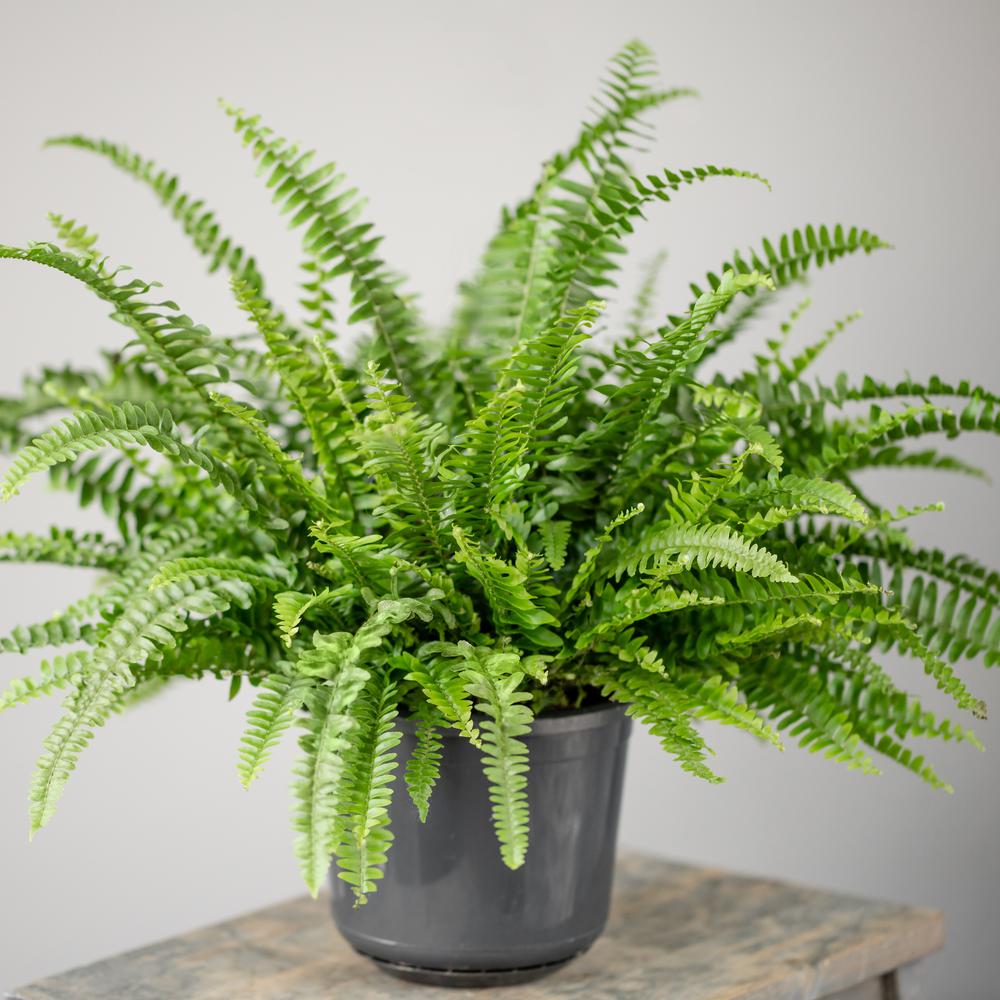
Choosing robust and healthy Amazon Sword plants is essential for establishing a thriving aquatic environment. Healthy specimens not only enhance the aesthetic appeal of your aquarium but also contribute to the overall health and stability of the aquatic ecosystem. Proper selection at the outset minimizes future issues related to plant health and growth, ensuring a successful planting experience.
When purchasing Amazon Sword plants, careful inspection and knowledge of key health indicators are vital. Differentiating between healthy and unhealthy plants helps prevent introducing pests, diseases, or weak specimens that may struggle to adapt or survive in the confined environment of an aquarium. The following guidelines detail critical features to evaluate before making your selection.
Key features of healthy vs. unhealthy Amazon Sword specimens
Understanding the visual and structural characteristics that distinguish healthy plants from unhealthy ones is crucial in making informed choices. Healthy Amazon Swords display vibrant foliage, sturdy roots, and vigorous growth patterns. Conversely, unhealthy specimens often exhibit signs of distress, disease, or poor adaptation, which can compromise their long-term viability.
Healthy Amazon Sword: Bright green, firm leaves with minimal tears or holes, strong roots, and a robust, upright growth habit. Roots should be white or light-colored, indicating good nutrient absorption and vitality.
Unhealthy Amazon Sword: Pale or yellowing leaves, browning edges, slimy or rotting roots, and signs of pests or algae on the foliage. Excessive leaf loss or wilting can also signal compromised health.
Inspection of roots, leaves, and overall plant health prior to purchase
Thorough inspection of the plant’s physical condition ensures the selection of specimens capable of thriving in your aquarium. Focus on the roots, leaves, and general appearance to assess vitality and resilience.
- Roots: Look for thick, white, or light-colored roots that appear healthy and free from rot or slimy coatings. Avoid plants with brown, black, or mushy roots, which indicate decay or infection.
- Leaves: Check for vibrant green coloration with intact, undamaged leaves. Leaves should be firm and free from holes, tears, or signs of algae or pests. Slight variations in leaf size or shape are normal but should not affect overall plant health.
- Overall Plant Appearance: The plant should have multiple leaves and a sturdy, well-established root system. Avoid specimens with sparse foliage, excessive leaf loss, or signs of disease such as spots or mold.
Selecting plants based on size and growth stage for various aquarium setups
The ideal Amazon Sword plant size depends on your aquarium dimensions and the desired aesthetic. Considering the growth stage and mature size facilitates better integration into your setup and promotes healthy development.
- Small or juvenile plants: Suitable for newly established tanks or as foreground plants, typically measuring a few inches in height with fewer leaves. They adapt quickly and provide a natural progression for long-term growth.
- Mature specimens: Larger plants, often over a foot tall, ideal for background placement or creating lush, dense foliage. Mature plants demonstrate vigorous growth and a well-developed root system, indicating resilience.
When choosing size, consider your aquarium’s dimensions and the growth rate of Amazon Sword plants, which can reach up to 20-24 inches under optimal conditions. Selecting plants appropriate for your setup ensures a balanced and manageable aquatic environment.
Evaluating long-term growth potential in the aquarium environment
Assessing the potential for sustained growth involves examining the plant’s current health, root development, and environmental compatibility. Plants with strong root systems and vibrant foliage are more likely to flourish over time if provided with suitable conditions.
- Root vigor: Well-developed roots suggest good nutrient absorption capabilities, which support continuous growth. Healthy roots should be thick, white, and free of rot or fungal growth.
- Growth stage: Plants in early growth stages with multiple leaves and active new shoot development indicate a healthy, adaptive specimen capable of expanding further.
- Environmental adaptability: Consider local water parameters and lighting conditions. Amazon Swords prefer slightly acidic to neutral pH (6.5-7.5), moderate lighting, and nutrient-rich substrate. Plants already acclimated to similar conditions tend to thrive long-term.
Monitoring the plant’s response to initial planting, including new leaf production and root expansion, provides insights into its growth potential. Selecting specimens with vigorous growth tendencies and good acclimation prospects ensures a thriving Amazon Sword in your aquarium.
Techniques for planting Amazon Sword in the aquarium
Planting Amazon Sword in an aquarium requires careful attention to detail to ensure healthy growth, vibrant appearance, and proper integration with existing aquatic life. The process involves precise handling of the roots, strategic positioning, and thoughtful spacing to promote a balanced and visually appealing aquatic environment. Proper technique not only enhances the plant’s development but also contributes to the overall health of the aquarium ecosystem, making it a rewarding experience for aquarists of all levels.A successful planting method combines systematic steps with practical tips, ensuring the roots are securely anchored, the plant is positioned optimally, and the aesthetic harmony of the aquarium is preserved.
Utilizing appropriate tools and accessories can simplify the process, especially when handling multiple plants or dealing with delicate root systems. Below, a detailed step-by-step guide is provided to help aquarists master the art of planting Amazon Sword effectively.
Step-by-step Procedures for Planting the Roots into the Substrate
Properly planting the roots is essential for the Amazon Sword to establish itself and grow healthily. The process involves preparing the plant, selecting the right spot in the substrate, and ensuring the roots are firmly embedded without damaging the plant or substrate. This method supports nutrient absorption and prevents the plant from floating or drifting.
| Steps | Tools Needed | Tips |
|---|---|---|
| Gently remove the Amazon Sword from its packaging and rinse off any loose debris or excess substrate. | Soft brush or rinse water | Avoid handling the plant by the leaves to prevent damage; focus on the roots. |
| Choose an appropriate spot in the substrate with good lighting and flow conditions. | None required | Ensure the substrate is deep enough (at least 2-3 inches) to accommodate the roots. |
| Position the plant so that the rhizome (central, horizontal stem) is just above the substrate, with roots directed downward. | Hand or planting tweezers | Do not bury the rhizome as it can rot; roots should be covered completely. |
| Press the roots gently into the substrate, ensuring they are spread out evenly to prevent root tangling. | Fingers or planting tool | Maintain a firm but gentle hold to secure the roots without damaging them. |
| Ensure the plant stands upright and is stable before releasing it. | None required | Adjust the positioning if necessary to achieve a natural, upright posture. |
Positioning Amazon Sword to Promote Even Growth and Aesthetic Appeal
The placement of Amazon Sword plants within the aquarium significantly influences their growth pattern and the overall visual harmony of the tank. Proper positioning involves considering the plant’s mature size, light requirements, and compatibility with other aquatic plants and décor. Strategically positioning the plants ensures they receive adequate light and nutrients, discourages overcrowding, and enhances the aquarium’s aesthetic appeal.
Position Amazon Sword in a location where it can expand without obstructing views or competing excessively with other plants.
To encourage even growth, place the plants with sufficient space between each individual to allow for their mature width, which can reach up to 20-30 inches in height and spread. Position taller plants toward the back or center of the aquarium, with shorter or foreground plants in front. This arrangement creates depth, balance, and visual interest while making maintenance easier.
Ensure that the plant’s leaves have enough room to unfurl and grow freely without being overshadowed or damaged by neighboring plants. Regularly monitor the growth pattern and adjust positioning if necessary to maintain the desired aesthetic and health of the plants.
Spacing Considerations for Multiple Plants
When planting multiple Amazon Sword specimens, spacing plays a vital role in ensuring each plant has enough room for optimal growth and preventing competition for nutrients and light. Proper spacing also prevents overcrowding, which can lead to issues such as poor water flow, increased algae growth, and weakened plant health.
A general guideline recommends spacing individual plants approximately 4 to 6 inches apart, depending on their expected mature size.
Creating a balanced layout with adequate spacing allows each plant to develop a healthy root system and healthy foliage. It also facilitates easier maintenance and aquascaping adjustments over time. During initial planting, consider future growth and leave room for expansion, especially for vigorous varieties like Amazon Sword.
Tools and Accessories to Assist in Proper Planting
Using appropriate tools can significantly improve the success and ease of planting Amazon Sword in the aquarium. These tools help handle delicate roots, position plants accurately, and minimize disturbance to the substrate and existing plants.
Essential tools include planting tweezers, soft brushes, and substrate tampers, which aid in precise placement and secure anchoring.
Planting tweezers are particularly useful for handling small or fragile plants without damaging the leaves or roots. A substrate tamper can help gently press the substrate around the roots, ensuring firm contact and stability. Additionally, decorative stones or plant weights can be used temporarily to hold the plant in position until it establishes itself.
Consider using a fine mesh or planting mat if planting multiple plants at once to organize spacing and alignment, creating a tidy and harmonious layout in the aquarium.
Post-planting care and maintenance
Planting an Amazon Sword in your aquarium marks the beginning of a thriving aquatic plant setup. However, sustaining its health requires attentive care and consistent maintenance. Proper post-planting practices ensure the plant’s long-term vitality, vibrant growth, and seamless integration into your aquatic environment. This section covers essential strategies for providing optimal lighting and nutrient supplementation, establishing effective watering and fertilization schedules, pruning techniques to manage growth, monitoring water quality, and troubleshooting common issues that may arise after planting.
Optimal lighting and nutrient supplementation
The health and growth rate of Amazon Sword plants heavily depend on appropriate lighting and nutrient availability. Adequate lighting mimics natural sunlight, promoting photosynthesis and lush foliage development. For Amazon Swords, a light intensity of around 0.5 to 1 watt per liter, or approximately 2-3 watts per gallon, is recommended, with a photoperiod of 8 to 10 hours daily. Using full-spectrum LED lights designed for aquatic plants can enhance growth while preventing algae overgrowth.Nutrient supplementation is vital to support the plant’s extensive root system and overall vigor.
Amazon Swords benefit from a substrate enriched with root tabs containing essential nutrients such as iron, potassium, and trace elements. Additionally, liquid fertilizers formulated for aquatic plants can be dosed regularly—typically weekly—to supply macro- and micronutrients. Attention should be paid to iron levels, as deficiency manifests through yellowing leaves, especially in new growth.
Watering and fertilization schedules
Maintaining consistent water parameters and a structured fertilization routine is critical for optimal Amazon Sword growth. Since the plant is rooted, ensuring the substrate remains nutrient-rich is paramount. A recommended schedule involves:
- Weekly addition of root fertilizers placed directly into the substrate to promote healthy root development.
- Fortnightly or weekly liquid fertilizer dosing to supply essential nutrients dissolved in the water column, supporting both rooted and floating plants.
- Regular water changes of 25-30% every one to two weeks to prevent nutrient buildup, remove waste, and maintain water clarity.
Ensuring stable water parameters—such as pH levels between 6.5 and 7.5, temperature around 24-28°C (75-82°F), and moderate water hardness—creates an environment conducive to consistent growth and minimizes stress on the plant.
Pruning techniques and plant health management
Effective pruning is essential for controlling Amazon Sword overgrowth, removing damaged leaves, and stimulating healthy new growth. Regular inspections should be performed to identify yellowing, decaying, or algae-covered leaves, which can hinder the plant’s health and aesthetic appeal.Prune by cutting back damaged or yellowing leaves close to the base using sharp, sterilized scissors. Removing excess or overgrown leaves prevents shading of lower foliage and improves water circulation around the plant.
Thin out dense clumps periodically to encourage light penetration and prevent the risk of algae buildup. Additionally, addressing any signs of pests or disease early helps sustain a healthy plant population.
Monitoring water quality parameters
Consistent monitoring of water parameters ensures the Amazon Sword receives an ideal environment for growth. Key parameters to observe include:
pH
Maintain between 6.5 and 7.5 for optimal nutrient uptake.
Ammonia, Nitrite, Nitrate
Keep ammonia and nitrite at zero; nitrate levels should be below 20 ppm.
Phosphate
Moderate levels support plant growth; excessively high levels can promote algae.
Water hardness
Soft to moderately hard water (3-8 dGH) is suitable.
Temperature
24–28°C (75–82°F).
Using reliable aquarium test kits allows for precise adjustments in fertilization, water changes, and supplementation, fostering a stable environment that supports the plant’s vitality.
Common issues and troubleshooting
Despite careful maintenance, some problems may occur with Amazon Swords, requiring prompt attention. Common issues include:
- Yellowing leaves: Often caused by iron deficiency or poor water quality. Remedy by increasing iron-rich fertilization and ensuring stable water parameters.
- Algae overgrowth: Excessive lighting, nutrient imbalance, or inadequate water flow can promote algae. Reduce light exposure, perform regular water changes, and improve filtration to manage algae.
- Stunted growth or decaying roots: Result from poor substrate quality or over-fertilization. Address by replacing or enriching the substrate and adjusting fertilization routines.
- Plant melting or decay: Usually due to sudden parameter shifts or inadequate lighting. Gradually stabilize conditions, increase light intensity, and ensure consistent nutrient delivery.
Maintaining a vigilant observation routine and adopting proactive troubleshooting steps will promote a healthy, vigorous Amazon Sword that enhances the beauty and balance of your aquarium ecosystem.
Growth Expectations and Troubleshooting for Amazon Sword in Aquariums
Understanding the typical growth timeline and addressing potential issues are essential for maintaining vibrant and healthy Amazon Sword plants in your aquarium. With proper care, these plants can flourish, creating a lush, natural environment. Recognizing common problems early and implementing effective solutions can significantly enhance their vitality and visual appeal, fostering a balanced aquatic ecosystem.
Amazon Sword plants are known for their relatively fast growth and robustness under suitable conditions. The following guidelines Artikel realistic growth expectations, strategies to promote vigorous foliage, and troubleshooting methods to resolve common issues that may arise during cultivation.
Growth Timeline and Development Stages
In typical aquarium conditions—temperatures between 22°C to 28°C (72°F to 82°F), moderate lighting, and nutrient-rich substrate—Amazon Sword plants generally exhibit noticeable growth within the first few weeks. The initial root development is rapid, with visible new leaves emerging approximately 2 to 4 weeks after planting. Under optimal conditions, substantial height increases, often reaching 15 to 20 inches, can occur within 3 to 6 months.
The plant’s health and growth rate are heavily dependent on consistent lighting, nutrient availability, and water quality.
For beginners, patience is key; while some plants may show rapid extension of leaves and roots, others might take longer due to variability in environmental factors. Regular monitoring and adjustments ensure steady growth and a thriving aquatic landscape.
Strategies for Encouraging Lush and Healthy Foliage
Promoting lush foliage involves a combination of proper lighting, fertilization, and substrate health. Amazon Swords require adequate nutrients, especially potassium, iron, and macronutrients, to develop dense, vibrant leaves. Ensuring a planted aquarium setup with a nutrient-rich substrate supplemented with liquid fertilizers can significantly enhance growth.
- Provide moderate to high lighting—around 0.5 to 1 watt per liter (or 2-3 watts per gallon)—to stimulate photosynthesis without causing excessive algae growth.
- Maintain stable water parameters, including pH levels between 6.5 and 7.5, and ensure consistent nutrient dosing tailored to plant needs.
- Regularly trim older or damaged leaves to encourage new growth and prevent decay from affecting plant health.
- Implement CO₂ injection if possible, as elevated CO₂ levels can accelerate growth and improve foliage density.
Patience and consistent maintenance will reward aquarists with dense, lush foliage that enhances the beauty and ecological balance of the tank.
Addressing Common Problems in Amazon Sword Plants
Despite their resilience, Amazon Swords can face issues such as root rot, algae overgrowth, and poor growth due to environmental stressors or improper care. Recognizing these problems early allows for prompt corrective actions, ensuring the plants’ health and vitality.
Root Rot
Root rot often results from overwatering, poor drainage, or nutrient imbalances, leading to decayed roots and eventual plant decline. The first signs include yellowing leaves, soft or mushy roots, and stunted growth. To mitigate root rot:
- Ensure the substrate is well-draining and not overly compacted.
- Remove affected parts carefully, trimming back rotten roots and leaves.
- Improve water quality by reducing excess nutrients and performing regular partial water changes.
- Apply root tabs or fertilizers directly into the substrate to supply essential nutrients without overfeeding.
Algae Overgrowth
Excess algae can compete with Amazon Swords for nutrients and light, resulting in poor plant growth. Common causes include excessive lighting, nutrient imbalances, and infrequent water changes. To control algae:
- Reduce lighting duration to about 8-10 hours daily.
- Perform regular water changes—about 25% weekly—to maintain water clarity and nutrient balance.
- Utilize algae-eating invertebrates or introduce beneficial bacteria to enhance ecological stability.
- Maintain balanced fertilizer dosing to prevent nutrient excess that promotes algae proliferation.
Poor Growth and Leaf Decline
Slow or stunted growth may stem from insufficient nutrients, inadequate lighting, or unsuitable water parameters. To improve growth:
- Verify and adjust water parameters to optimal ranges, especially pH and hardness.
- Increase lighting or consider more intense light sources if growth remains sluggish.
- Apply comprehensive fertilization routines, including liquid fertilizers and root tabs targeted for aquatic plants.
- Confirm the health of the plant’s roots and replant if necessary, removing any damaged or decayed roots.
Adapting Care Based on Plant Response
Monitoring plant responses is critical for maintaining healthy Amazon Swords. If growth stagnates or signs of stress appear, adjustments should be made promptly. For instance, if new leaves are pale or small, intensify fertilization or increase light exposure gradually. Conversely, if algae blooms are detected, reduce light and nutrient levels accordingly. Flexibility and attentive observation foster a resilient environment where Amazon Sword plants can thrive and reach their full aesthetic potential.
Integrating Amazon Sword with Other Aquatic Plants
Creating a balanced ecosystem involves combining Amazon Swords with compatible plants such as Java Fern, Anubias, or Cryptocoryne species. These plants complement Amazon Swords by occupying different niches, utilizing nutrients differently, and providing habitat diversity. Proper plant selection and placement enhance water quality, promote natural growth patterns, and prevent dominance of one species, leading to a more stable and attractive aquascape.
Balanced plant communities not only support each other’s health but also contribute to a harmonious and sustainable aquatic environment.
Closing Notes
In summary, mastering how to plant Amazon Sword in aquarium involves careful preparation, proper plant selection, and consistent maintenance. With attentive care and the right environment, your Amazon Sword plants will flourish, adding natural beauty and vitality to your aquatic space. Embracing these practices ensures a thriving and aesthetically pleasing aquarium for years to come.