Discovering how to grow floating plants in an aquarium can significantly enhance both the aesthetic appeal and ecological balance of your underwater environment. These plants not only add natural beauty but also provide vital benefits such as oxygenation and shelter for aquatic life.
By understanding the appropriate selection, preparation, and maintenance techniques, you can ensure thriving floating plants that contribute to a lush and balanced aquarium ecosystem. Proper care and management are key to preventing overgrowth and ensuring the health of all inhabitants.
Overview of Floating Plants in Aquariums
Floating plants are a popular addition to freshwater aquariums, offering both aesthetic appeal and ecological benefits. Their buoyant nature allows them to float freely on the water’s surface, creating a dynamic environment that supports the health and balance of aquatic ecosystems. These plants not only enhance the visual charm of the tank but also serve functional roles that contribute to a thriving aquatic habitat.
Incorporating floating plants into an aquarium setup can lead to improved water quality, natural shading, and habitat complexity for fish and invertebrates. Their presence promotes a balanced environment, making them an excellent choice for both beginner and experienced aquarists seeking a natural and sustainable aquatic landscape.
Benefits of Incorporating Floating Plants into Freshwater Aquariums
Floating plants offer numerous advantages that positively impact the overall health and stability of an aquarium. Their benefits extend beyond visual enhancement, contributing to the biological and chemical balance within the tank.
- Water Quality Improvement: Floating plants absorb excess nutrients such as nitrates and phosphates from the water, reducing the risk of algae overgrowth and maintaining clearer water conditions.
- Natural Shade and Temperature Regulation: These plants provide shade, helping to regulate light intensity and temperature. This creates a more comfortable environment for fish, especially species sensitive to bright light or temperature fluctuations.
- Habitat and Shelter: The dense foliage offers shelter for young fish, fry, and invertebrates, protecting them from predators and providing a safe space for breeding behavior.
- Oxygenation and Biological Balance: Through photosynthesis, floating plants contribute to oxygen production during daylight hours, supporting healthy respiration for aquatic organisms.
- Algae Suppression: By competing for nutrients and light, floating plants naturally inhibit the growth of unwanted algae, maintaining a balanced ecosystem.
Common Types of Floating Plants Suitable for Aquariums
Several species of floating plants are well-suited for freshwater aquariums, each offering unique characteristics and care requirements. Selecting the right type depends on the specific needs of the tank and the preferences of the aquarist.
Below are some of the most popular and widely used floating plants in the aquarium hobby:
| Plant Species | Features | Lighting Needs | Additional Notes |
|---|---|---|---|
| Duckweed (Lemna minor) | Small, free-floating, quick-growing with tiny green leaves | Moderate to high | Very efficient at nutrient absorption; can quickly cover the water surface, requiring regular thinning to prevent oxygen depletion. |
| Water Lettuce (Pistia stratiotes) | Rosette of thick, fuzzy leaves with trailing roots | Moderate | Provides cover and nesting sites; roots offer hiding spots for fry and small invertebrates. |
| Frogbit (Limnobium laevigatum) | Broad, rounded leaves with trailing roots | Moderate to high | Ideal for creating shaded zones; easy to propagate. |
| Salvinia (Salvinia natans) | Floating fern with hairy, feathery leaves | Moderate | Effective at nutrient uptake; requires gentle water movement to prevent damage. |
| Amazon Frogbit (Limnobium spongia) | Large, rounded leaves with long roots hanging below surface | Moderate to high | Provides ample cover; suitable for larger tanks or those needing significant shading. |
The Ecological Role of Floating Plants in Aquarium Environments
Floating plants serve vital ecological functions within the bounded environment of an aquarium, contributing to the stability and sustainability of aquatic life. Their role extends from nutrient cycling to habitat provision, ensuring a balanced ecosystem that mimics natural conditions.
Floating plants act as natural biofilters, absorbing excess nutrients and reducing the buildup of harmful substances, thereby maintaining water quality and preventing outbreaks of algae and disease.
By covering the water surface, these plants help regulate light penetration, which influences photosynthesis rates for submerged plants and corals, and limits excessive algae growth. Their roots provide shelter and breeding sites for a variety of aquatic creatures, fostering biodiversity within the tank. Additionally, floating plants contribute to oxygen production during daylight, supporting fish and invertebrates’ respiration and overall vitality.
These ecological functions make floating plants indispensable components of a healthy freshwater aquarium ecosystem.
Selecting the Right Floating Plants
Choosing appropriate floating plants is a vital step in establishing a healthy and aesthetically pleasing aquarium environment. The selection process involves assessing the specific needs of the aquarium, including size, lighting, and maintenance capacity, to ensure the plants thrive without overwhelming the aquatic ecosystem. Proper selection not only enhances visual appeal but also contributes to the overall health of the aquarium inhabitants.
When selecting floating plants, it is essential to consider factors such as growth habits, light requirements, and maintenance needs. Different species display varying characteristics that can influence their suitability for particular aquarium sizes and conditions. An informed choice helps maintain a balanced ecosystem, minimizes maintenance efforts, and supports the aquatic life within the tank.
Criteria for Choosing Healthy Floating Plants for Different Aquarium Sizes
Optimal selection hinges on evaluating the health and vigor of floating plants, especially in relation to the size of the aquarium. Healthy plants exhibit vibrant coloration, robust growth, and free from pests or disease. For smaller tanks, compact and slow-growing species are preferable to prevent overcrowding and maintain visual harmony. Larger tanks can accommodate more vigorous growers, which can help with nutrient absorption and algae control.
Consider the following criteria when selecting floating plants for various aquarium sizes:
- Plant vigor: Look for lush, green foliage, free from brown or yellow patches.
- Growth rate: Match growth speed with maintenance capacity; rapid growers like duckweed require frequent thinning.
- Size compatibility: Ensure the plant’s mature size fits comfortably within the tank without blocking light or obstructing views.
- Health indicators: Avoid plants with signs of pests, mold, or decay.
Comparison of Popular Floating Plant Species
Different floating plants serve various functional and aesthetic purposes within aquariums. Understanding their growth habits, light requirements, and maintenance needs helps in selecting the most suitable species for specific setups.
| Species | Growth Habits | Light Requirements | Maintenance Needs |
|---|---|---|---|
| Duckweed (Lemna spp.) | Rapid, covering water surface quickly; forms dense mats | Low to moderate; tolerates low light but thrives in bright conditions | High; requires frequent thinning to prevent overgrowth and oxygen depletion |
| Water Lettuce (Pistia stratiotes) | Moderate growth; develops rosettes with roots hanging into water | Moderate to high; prefers bright, indirect light | Moderate; needs occasional thinning and removal of old leaves |
| Frogbit (Limnobium spp.) | Slow to moderate growth; forms floating mats with attractive, rounded leaves | Bright light preferred; can tolerate some shade | Low to moderate; minimal maintenance, with occasional removal for overgrowth |
Note: Selecting the appropriate floating plant depends on balancing growth rate, light conditions, and maintenance capacity to ensure a thriving and visually appealing aquarium environment.
Preparing for Planting
Proper preparation of floating plants before introducing them into the aquarium lays the foundation for healthy growth and vibrant appearance. Ensuring that the plants are adequately conditioned and set up minimizes stress and promotes successful establishment within the aquatic environment.
This phase involves careful handling of the plants, selecting suitable containers or propagation setups, and configuring water conditions that mimic their natural habitat. Attention to these details helps in preventing issues such as disease, improper acclimation, or poor growth, thereby enhancing the overall success of your floating plant cultivation.
Handling and Initial Conditioning of Floating Plants
Before releasing floating plants into your aquarium, it is essential to handle them with care and perform initial conditioning to remove potential contaminants or pests. This process ensures that the plants are healthy and ready to adapt to their new environment.
- Gently remove any dead or damaged leaves to prevent decay and fungal growth that could affect healthy parts of the plant.
- Rinse the plants thoroughly with dechlorinated or aged water to eliminate dirt, algae, or potential pests. This step is crucial, especially if acquiring plants from non-commercial sources or local ponds.
- If the plants are stored in a separate container, soak them in a mild, aquarium-safe disinfectant solution for a few minutes to reduce disease transmission risks, following manufacturer instructions.
Allow the plants to acclimate in a separate, controlled environment for a brief period before introducing them to the main aquarium. This step helps the plants adjust to temperature and water chemistry variations, reducing transplant shock.
Selecting Suitable Containers or Propagation Setups
The choice of containers or propagation setups influences the health and growth rate of floating plants. Selecting appropriate environments facilitates easy handling, propagation, and eventual integration into the main aquarium.
- Use shallow, wide containers such as plastic trays or shallow bowls that provide ample surface area for floating plants to spread and root naturally.
- Ensure containers have drainage holes or are placed in well-ventilated areas to prevent water stagnation and promote healthy growth.
- For propagation, consider using floating mesh or floating baskets that keep plants contained while allowing water circulation. This setup simplifies removal and transfer once plants are mature.
- Maintain cleanliness of containers to prevent algae buildup or disease, washing them thoroughly before use.
Starting with small, manageable propagation setups minimizes stress on the plants and allows for easier monitoring of their development. As the plants grow, they can be gradually introduced into the main aquarium environment.
Water Conditions and Initial Setup Considerations
Creating optimal water conditions and a suitable initial setup is vital for the successful establishment of floating plants. These factors influence plant health, growth rate, and their ability to thrive in the aquarium environment.
- Maintain water temperature within the range preferred by the specific floating plants—most thrive between 22°C and 28°C (72°F to 82°F). Use a reliable thermometer to monitor temperature stability.
- Ensure water pH levels are within 6.5 to 7.5, providing a neutral to slightly acidic environment conducive to most aquatic plants. Testing kits help in regular monitoring.
- Adjust light intensity to match the plants’ natural habitat—bright, indirect light is generally suitable. Avoid direct sunlight which can cause excessive algae growth and temperature fluctuations.
- Use dechlorinated or aged water to prevent harmful chlorine or chloramine compounds from affecting plant health. If using tap water, treat it with a water conditioner before adding to the tank or propagation setup.
- Introduce fertilization cautiously, opting for liquid aquatic plant fertilizers that are safe for floating plants. This encourages healthy root and leaf development without promoting algae overgrowth.
Establishing a stable environment with consistent water quality parameters ensures that floating plants adapt smoothly and develop robust root systems, ready for later integration into the main aquarium.
Planting and Introducing Floating Plants
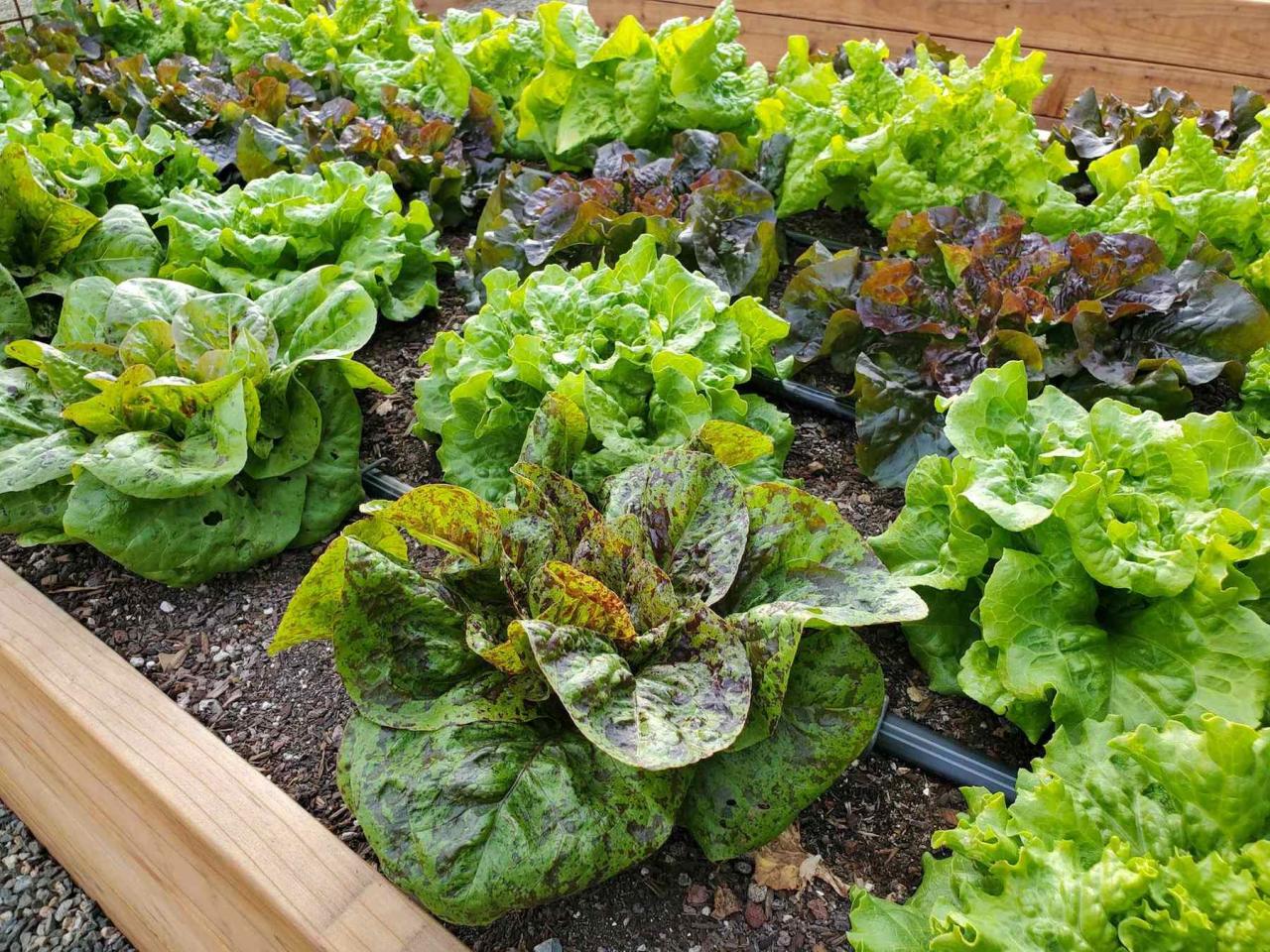
Introducing floating plants into an aquarium requires careful handling to ensure their health and the stability of the aquatic environment. Proper procedures for placement and acclimation are essential to promote healthy growth and prevent any adverse effects on other aquatic inhabitants. This process not only enhances the aesthetic appeal of the aquarium but also contributes to maintaining a balanced ecosystem by providing shelter and improving water quality.
Ensuring a smooth transition for floating plants involves understanding their specific needs and establishing a gradual acclimation process. By following a systematic approach, hobbyists can successfully integrate these plants into their aquatic setup, fostering a thriving and visually appealing underwater landscape.
Procedures for Safely Adding Floating Plants to the Aquarium
Implementing a safe and effective method for introducing floating plants minimizes stress on the plants and ensures compatibility with the existing aquarium environment. The following procedures Artikel best practices for a successful addition:
- Gather Necessary Tools and Materials: Before starting, ensure all required tools and materials are prepared to facilitate a smooth process (see the tools and materials table below).
- Inspect the Plants: Examine the floating plants for signs of pests, disease, or damage. Discard any unhealthy specimens to prevent contamination.
- Rinse the Plants: Gently rinse the plants in clean, dechlorinated water to remove dirt, debris, or unwanted organisms.
- Prepare the Aquarium Surface: Clear any debris from the water surface and ensure the area where plants will be placed is accessible.
- Introduce the Plants: Carefully place the floating plants onto the water surface, avoiding sudden drops or forceful placement to prevent damage.
- Secure if Necessary: If the plants tend to drift excessively, lightly hold them in place for a short duration to allow them to settle.
- Monitor and Adjust: Observe the plants for signs of stress or displacement, adjusting their position if needed to promote even distribution.
Step-by-Step Acclimation Process for Floating Plants
Acclimating floating plants to the specific water conditions of the aquarium ensures their health and growth potential. Proper acclimation reduces stress and helps plants adapt seamlessly to their new environment. Follow these steps for optimal results:
- Prepare a Water Bath: Fill a clean container with water from the aquarium to mimic its chemistry, temperature, and pH levels.
- Gradually Introduce Plants: Submerge the plants in the water bath, allowing them to soak for 15-20 minutes. This step helps them adjust to the temperature and water chemistry.
- Perform a Water Swap: After the initial soak, transfer the plants to a new container filled with fresh aquarium water, repeating the soaking process for an additional 15-20 minutes if necessary.
- Final Placement: Carefully place the acclimated plants onto the water surface of the aquarium, ensuring gentle handling to avoid physical damage.
- Monitor and Observe: Keep an eye on the plants over the following days for any signs of stress, adjusting lighting and water parameters if necessary.
Tools and Materials Needed for Planting and Acclimation
Having the appropriate tools and materials ready ensures a smooth process when introducing floating plants into your aquarium. The following table lists essential items along with their descriptions:
| Tools and Materials | Description |
|---|---|
| Soft Tweezers | Used for gently handling delicate floating plants during placement and acclimation, minimizing physical damage. |
| Clean Containers or Buckets | For preparing water baths and holding plants during acclimation, ensuring they are not exposed to harmful chemicals or residues. |
| Dechlorinated Water | Essential for rinsing plants and preparing water baths, preventing chlorine and harmful chemicals from affecting plant health. |
| Thermometer | To monitor water temperature during acclimation, ensuring it aligns with the aquarium’s conditions for optimal plant adaptation. |
| pH Test Kit | Helps verify that the water used for acclimation matches the aquarium’s pH levels, promoting healthy plant growth. |
| Light Source (if needed) | Additional lighting may be used during acclimation to ensure adequate light exposure for photosynthesis without stressing the plants. |
Promoting Healthy Growth of Floating Plants
Ensuring the vigorous and sustained growth of floating plants in an aquarium is essential for maintaining a balanced and healthy aquatic environment. Proper management of environmental factors such as lighting, water parameters, and nutrient levels contributes significantly to the vitality of these plants. By understanding and optimizing these conditions, aquarists can foster lush, thriving floating vegetation that enhances both the aesthetic and ecological value of their aquarium.
Floating plants depend heavily on their surrounding environment to grow healthily. They absorb nutrients directly from the water, and their growth rates can serve as indicators of the overall water quality. Maintaining appropriate light, pH, temperature, and nutrient levels not only promotes growth but also prevents issues such as algae overgrowth or plant decay. Regular monitoring and adjustments of these factors are crucial for sustainable plant health, ensuring that the floating plants fulfill their role in providing shade, oxygenation, and natural filtration within the aquatic ecosystem.
Optimal Lighting Conditions for Floating Species
Light is a fundamental component for photosynthesis, directly influencing the growth and health of floating plants such as Duckweed, Salvinia, and Frogbit. Different species have varying light requirements, which should be carefully matched to maximize their growth potential.
Most floating plants thrive under bright, indirect light that mimics their natural habitat. For example, Duckweed prefers moderate to high light levels, approximately 1,000 to 2,000 lux, which can be provided by placing the aquarium near a window with filtered sunlight or using full-spectrum aquarium lights. Salvinia, on the other hand, adapts well to a broader range of lighting conditions but still benefits from 8-10 hours of consistent, bright lighting daily.
Overexposure to intense, direct sunlight may cause leaf scorching or algae proliferation, so gradual adaptation and the use of light diffusers are recommended.
Maintaining proper light intensity and duration is vital; too little hampers growth, while too much can lead to stress or algae problems. Aim for a balance that promotes healthy, vibrant plant foliage while controlling algae.
Supporting Water Parameters for Growth
Water quality significantly influences the health and proliferation of floating plants. Consistent parameters within optimal ranges create an environment where these plants can absorb nutrients efficiently and grow robustly.
Recommended water parameters include:
| Parameter | Optimal Range |
|---|---|
| pH | 6.5 to 7.5 |
| Temperature | 20°C to 28°C (68°F to 82°F) |
| Nutrient Levels | Rich in macro and micronutrients, especially nitrogen, phosphorus, and potassium |
Maintaining a slightly acidic to neutral pH supports nutrient availability and plant vitality. Temperatures within the optimal range promote metabolic activities, while nutrient-rich water ensures continuous supply for growth. Regular testing with aquarium test kits helps in early detection of deviations, enabling timely adjustments to sustain ideal conditions.
Monitoring and Adjusting Environmental Factors
Consistent observation and management of environmental parameters are key to fostering healthy floating plant growth. Employing reliable testing equipment and adopting a systematic approach allows aquarists to respond promptly to changes that could hinder plant health.
Effective methods include:
- Using pH and temperature test kits weekly to ensure parameters stay within the recommended ranges.
- Observing plant appearance—vibrant color, firm leaves, and rapid proliferation indicate good health, whereas yellowing or decaying leaves suggest suboptimal conditions.
- Adjusting lighting duration and intensity based on plant response. Implementing gradual changes helps prevent stress.
- Managing nutrient levels through appropriate fertilization or water changes. Over-fertilization can lead to algae, while deficiencies can stunt growth.
- Installing a suitable filtration system that maintains water clarity without creating strong currents that may disturb floating plants.
Regular environmental assessments and prompt adjustments can significantly enhance the robustness and longevity of floating plants, contributing to a balanced and thriving aquarium ecosystem.
Maintenance and Troubleshooting

Maintaining a healthy and balanced environment for floating plants in your aquarium is essential for their sustained growth and aesthetic appeal. Proper management ensures that these plants contribute positively to water quality and overall tank health while preventing common issues that may arise from neglect or imbalance. Troubleshooting effectively can help address problems proactively, keeping your aquatic ecosystem thriving.Proper maintenance involves regular monitoring of floating plant growth, water conditions, and cleanliness.
Troubleshooting includes identifying signs of overgrowth or undergrowth, controlling pests, and managing diseases. This section provides practical procedures to manage these aspects efficiently, ensuring your floating plants remain a beneficial feature of your aquarium.
Managing Overgrowth and Undergrowth of Floating Plants
Controlling the proliferation of floating plants is crucial for maintaining visual balance, water circulation, and preventing potential issues such as oxygen depletion. Overgrowth can block light penetration and hinder other aquatic life, while undergrowth might indicate insufficient propagation or unfavorable conditions.To effectively manage growth, it is important to regularly observe the extent of floating plants and take timely action. When overgrowth occurs, thinning out excess plants prevents obstructions and maintains aesthetic appeal.
Conversely, if growth is sparse, assessing water quality and lighting conditions can help stimulate healthier proliferation.
- Thinning Excess Plants: Use sharp scissors or aquarium tongs to carefully remove surplus foliage, ensuring not to disturb the roots of remaining plants. Dispose of trimmed material properly to prevent decay in the tank.
- Promoting Growth in Sparse Areas: Adjust lighting duration, increase nutrient supplementation, or evaluate water parameters such as pH and nutrient levels to encourage healthy propagation.
- Monitoring Growth Patterns: Establish a routine schedule—weekly or biweekly—to assess plant density and make adjustments accordingly.
Cleaning Routines to Prevent Algae Buildup
Algae growth is a common challenge in aquariums, especially when nutrient levels are elevated or lighting is excessive. Regular cleaning routines are essential to prevent algae from overshadowing floating plants and disrupting the aquatic environment.Maintaining cleanliness involves both physical removal of algae and controlling nutrient levels that favor its growth. Implementing a consistent schedule minimizes algae buildup and keeps the water clear and healthy.
Effective cleaning strategies include:
- Manual Removal: Gently peel off algae from floating plants and the water surface using a soft brush or your fingers. Be cautious not to damage delicate plant tissues.
- Water Changes: Perform partial water replacements—generally 15-20% weekly—to dilute excess nutrients and remove algae spores.
- Optimizing Lighting: Adjust the duration and intensity of aquarium lighting to reduce algae-favorable conditions, typically limiting exposure to 8-10 hours daily.
- Enhancing Filter Efficiency: Ensure filters are functioning properly and clean them regularly to optimize water circulation and nutrient removal.
Addressing Pests and Diseases in Floating Plants
Floating plants can be susceptible to pests such as aphids, snails, or fungal infections, which can impair their growth and overall health. Identifying and addressing these issues promptly prevents their spread and maintains a balanced ecosystem.Monitoring plants for signs of pests or disease includes inspecting the leaves, stems, and roots for discoloration, holes, or unusual growths. Early intervention is key to managing these problems effectively.
Common issues include:
- Pest Infestations: Pests like aphids or snails can be physically removed by hand or with gentle rinsing. Introducing natural predators, such as certain fish or shrimp, can help keep pest populations in check.
- Fungal or Bacterial Diseases: Symptoms include black spots, slimy coatings, or rotting tissues. Treatment involves removing affected parts, increasing water circulation, and applying appropriate aquarium-safe antifungal or antibacterial treatments if necessary.
- Preventive Measures: Quarantining new plants before introduction, maintaining optimal water quality, and avoiding overfeeding help prevent pest and disease outbreaks.
Consistent observation and prompt action are vital in maintaining thriving floating plants that enhance your aquarium’s health and beauty.
Controlling and Managing Floating Plants

Effective management of floating plants is essential to maintain a balanced and healthy aquarium environment. While floating plants contribute to water quality and provide shelter for aquatic life, unchecked growth can lead to issues such as reduced oxygen exchange, hindered light penetration, and aesthetic imbalance. Implementing strategic control measures ensures that floating plants enhance rather than hinder the overall ecosystem within the aquarium.
Proper control involves a combination of preventative practices, regular maintenance, and balancing techniques to prevent overgrowth and ensure harmony among all aquatic inhabitants. This section provides practical strategies to manage the extent of floating plant coverage, harvest excess growth, and maintain an optimal density that benefits both plants and other aquarium residents.
Preventing Overcoverage of the Water Surface
Maintaining a manageable level of floating plant coverage is crucial to ensure sufficient light and oxygen exchange for submerged plants and fish. Overcoverage can lead to oxygen depletion, especially during nighttime, and restrict the vertical movement of aquatic creatures. The following strategies help prevent excessive surface coverage:
- Controlled Planting Density: When introducing floating plants, start with a modest amount and gradually increase while monitoring surface coverage. This cautious approach allows for adjustments before overgrowth becomes problematic.
- Use of Plant Thinners: Regularly thin out dense clusters by removing older or overly vigorous plants. This not only controls coverage but also encourages healthy root and leaf development.
- Strategic Placement: Distribute floating plants evenly across the surface rather than concentrating them in one area, reducing the chance of rapid, unchecked spread.
- Introduce Shade-Tolerant Plants: Mixing species with different growth habits minimizes the risk of monocultures that quickly cover the entire water surface.
Techniques for Harvesting and Thinning
Managing the growth of floating plants involves regular harvesting and thinning to prevent overpopulation and maintain aesthetic appeal. Proper techniques ensure minimal disturbance to the aquatic ecosystem while effectively controlling plant density.
- Manual Removal: Use tweezers or scissors to selectively prune or remove excess leaves or entire plants. For larger infestations, gently scoop floating plants with a fine net or ladle.
- Selective Thinning: Focus on removing the oldest or most dense mats, which tend to overshadow younger, healthier plants. Thinning also promotes better circulation and light penetration.
- Staged Harvesting: Schedule regular thinning sessions, such as weekly or bi-weekly, to prevent sudden overgrowth and allow the aquarium to adapt gradually.
- Composting or Disposal: Properly discard removed plant material to prevent accidental spread or decay within the tank, which could degrade water quality.
Balancing Plant Density with Other Aquarium Inhabitants
A well-balanced aquarium harmonizes floating plant density with the needs of fish, invertebrates, and submerged plants. Achieving this balance involves considering the specific requirements of all inhabitants and adjusting floating plant coverage accordingly.
- Monitoring Fish Behavior: Observe fish activity and health; signs of stress or limited swimming space indicate the need for reducing floating plant density.
- Ensuring Adequate Light and Oxygen: Maintain an appropriate level of floating plants to allow sufficient light penetration and oxygen exchange for all aquatic life forms.
- Providing Hiding Spaces: Adjust floating plant coverage to create shaded areas and hiding spots, offering refuge for shy or territorial species.
- Integrating Companion Plants: Mix floating plants with submerged and marginal plants to create a diverse and resilient ecosystem that supports ecological stability and visual appeal.
Balancing floating plant density with aquarium inhabitants promotes a thriving aquatic environment, ensuring that all species have access to necessary resources and space for healthy development.
Enhancing Aquarium Aesthetics with Floating Plants
Integrating floating plants into your aquarium not only benefits the aquatic environment but also significantly elevates its visual appeal. Thoughtful design and creative arrangements can transform a standard tank into a captivating underwater landscape that mimics natural ecosystems or adds decorative flair. Properly incorporating floating plants requires an understanding of their placement, combination with other elements, and aesthetic principles to create a harmonious and inviting aquatic display.
By skillfully combining floating plants with various aquatic flora and décor elements, aquarists can craft dynamic visual effects that enhance the overall ambiance of their aquarium. These plants offer versatility in layout design, providing opportunities for naturalistic scenes or artistic arrangements that reflect personal style and preferences. The following suggestions aim to inspire effective and beautiful use of floating plants within your aquarium setup.
Design Tips for Integrating Floating Plants into Aquarium Layout
Effective integration of floating plants involves strategic placement and layout considerations to complement existing tank features. When designing your aquarium, consider the following principles:
- Balance and Symmetry: Arrange floating plants to create visual balance. For instance, dispersing clusters evenly across the surface can provide a sense of harmony, while asymmetrical placements can add interest and a natural feel.
- Layering and Depth: Use floating plants to add layers and depth, contrasting with rooted plants at the bottom. This layering creates a multi-dimensional appearance that mimics natural aquatic environments.
- Focal Points: Leverage floating plants to highlight specific areas, such as framing a decorative ornament or a vibrant fish species, drawing the viewer’s eye to key features.
- Light and Shade Control: Position floating plants to modulate light penetration, creating shaded zones that mimic natural habitats and provide refuge for shy or nocturnal species.
Creating Naturalistic or Decorative Effects
Floating plants can be used to craft realistic or artistic themes within the aquarium, depending on your aesthetic goals. To achieve compelling visual effects:
- Naturalistic Scenes: Combine floating plants like duckweed, frogbit, or water lettuce with submerged aquatic plants and natural décor such as rocks and driftwood. This arrangement simulates natural pond or lake surfaces, fostering a serene environment.
- Decorative Overlays: Use floating plants in layered arrangements, such as a dense top layer of water lettuce with trailing plants beneath, to create textured and dynamic surface effects.
- Color Accents: Select floating plants with vibrant green, red, or variegated leaves to introduce color contrasts. Pairing these with subdued background plants enhances visual interest and aesthetic vibrancy.
Effective Combinations with Other Aquatic Plants and Décor Elements
Combining floating plants with rooted aquatic flora and decorative elements results in cohesive and attractive aquascapes. When planning these combinations, consider the following:
| Plant Type | Compatibility & Visual Effect | Decor Elements |
|---|---|---|
| Floating Plants | Provide surface coverage, shading, and natural filtration. Examples include water lettuce, duckweed, and Amazon frogbit. | Rocks, driftwood, aquatic ornaments, and submerged plants like Anubias or Java Fern create a layered, naturalistic landscape that complements floating flora. |
| Rooted Plants | Anchor at the bottom, offering color contrast and habitat complexity. Examples include vallisneria, sagittaria, and crypts. | Rocks and driftwood serve as anchors and focal points, while submerged plants fill the mid-ground, balancing the floating elements above. |
| Decor Elements | Enhance visual appeal and provide hiding spots or focal points. | Decorative stones, miniature landscapes, or submerged structures combined with floating plants create engaging and harmonious aquascapes. |
Effective use of floating plants involves balancing surface coverage, integrating with submerged flora, and thoughtfully incorporating décor to craft a cohesive aesthetic that elevates the aquarium’s visual impact.
Outcome Summary
In summary, mastering the art of growing floating plants in your aquarium offers numerous advantages, from aesthetic enhancement to ecological stability. With careful selection, proper setup, and consistent maintenance, your aquarium will flourish with vibrant, healthy floating vegetation, creating a natural and serene aquatic habitat.