Learning how to acclimate aquarium plants properly is essential for ensuring their health and growth in a new environment. Proper acclimation minimizes stress, increases survival rates, and promotes a stable and vibrant aquatic ecosystem. Understanding the correct procedures and timing can make the difference between thriving greenery and struggling plants.
This process involves preparing the aquarium environment, selecting suitable acclimation methods, and closely monitoring plant responses. By following systematic steps and expert tips, hobbyists can successfully introduce new plants and enjoy a lush, healthy aquarium landscape.
Understanding the Importance of Acclimating Aquarium Plants

Introducing new aquarium plants into an established environment is a delicate process that significantly influences their health and the overall stability of the aquatic ecosystem. Proper acclimation ensures that plants adapt smoothly to their new surroundings, minimizing stress and promoting vigorous growth. Recognizing the critical role of this process helps hobbyists and professionals alike to foster thriving aquatic landscapes that remain resilient over time.
Many plants experience various stressors when they are transferred to a different aquarium, especially if there are disparities in water parameters such as temperature, pH, and water chemistry. Sudden exposure to these changes can impair their ability to establish roots, absorb nutrients effectively, and resist diseases. Consequently, plants may wilt, shed leaves, or fail to root properly, leading to increased maintenance and potential contamination risks.
Proper acclimation acts as a vital buffer, gradually exposing plants to new conditions, which enhances their chances of survival and integration into the ecosystem.
The Impact of Acclimation on Plant Survival and Aquarium Stability
Understanding how acclimation influences the longevity and health of aquarium plants underscores its importance in maintaining a balanced aquatic environment. When plants are acclimated correctly, they are more likely to adapt quickly, develop strong root systems, and contribute to the overall health of the aquarium. This process also stabilizes water quality by reducing the sudden shifts in chemical composition that could otherwise occur with abrupt plant introduction.
Proper acclimation not only boosts individual plant survival rates but also supports the broader stability of the aquarium ecosystem. Healthy plants act as natural filters, oxygenate the water, and provide habitat for beneficial microorganisms. When plants are introduced without adequate acclimation, the risk of die-off or disease increases, which can lead to water quality issues and destabilize the environment.
“Gradual adaptation through acclimation enhances plant resilience, ensuring healthier growth and a more stable aquatic ecosystem.”
Successful acclimation practices align with maintaining consistent water parameters, reducing shock, and safeguarding the biological balance of the tank. This approach ultimately promotes a sustainable, vibrant environment where plants thrive and contribute to the overall health of the aquatic community.
Preparing for Plant Acclimation
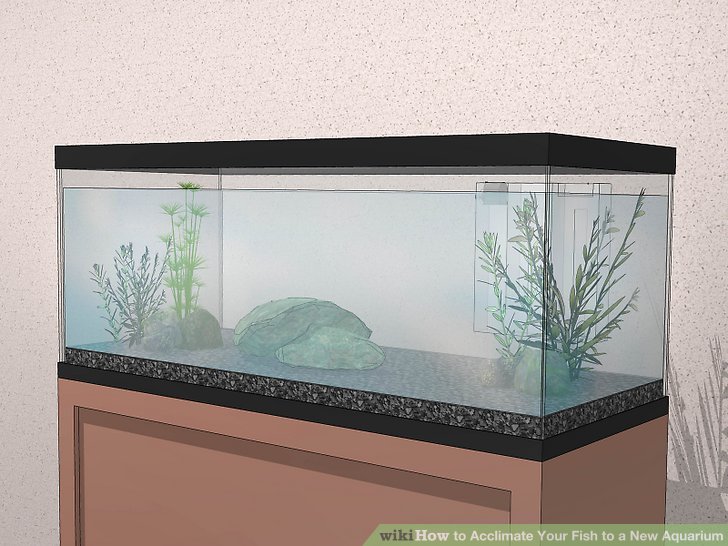
Prior to introducing new aquatic plants into an aquarium, establishing a suitable environment is essential to ensure their health and successful integration. Proper preparation minimizes stress on the plants and promotes a seamless transition, leading to a thriving aquatic ecosystem.
This phase involves creating optimal water conditions, organizing the necessary tools and materials, and understanding how to match water parameters to those of the plant’s previous environment. Adequate preparation not only safeguards the plants during acclimation but also sets the foundation for sustained growth and vitality within the aquarium.
Materials and Tools Required for Acclimating Aquarium Plants
Having the right equipment and materials readily available streamlines the acclimation process and enhances its effectiveness. The following list Artikels essential items needed to ensure a smooth transition for your aquatic plants:
- A clean, appropriately sized container: Usually a bucket or separate tank to hold water from the new environment during acclimation.
- Dechlorinator or water conditioner: To remove harmful chemicals from tap water and protect sensitive plants.
- Thermometer: For monitoring water temperature during acclimation, ensuring it matches the plant’s original environment.
- pH test kit: To assess and match pH levels, preventing shock due to pH fluctuations.
- GH and KH test kits: For measuring general and carbonate hardness, vital for determining water stability.
- Fresh water source: To adjust water parameters and create gradual changes as needed.
- Timer or drip acclimation setup: For controlled, slow water mixing, reducing stress on plants.
- Clean utensils and containers: To prevent contamination and maintain water quality during the process.
Comparison of Water Parameters for Acclimation
Matching the water parameters of the new plants’ previous environment with the current aquarium conditions is critical. Disparities in temperature, pH, or hardness can cause stress or health issues for the plants. The table below provides a clear comparison of key water parameters, aiding in precise adjustments during acclimation:
| Parameter | Typical Range for Common Aquarium Plants | Water from Source (e.g., Tap, Manufacturer) | Ideal for Acclimation |
|---|---|---|---|
| Temperature | 22°C – 26°C (72°F – 78°F) | Check with thermometer; may vary | Match to plant’s original habitat within ±1°C (±1.8°F) |
| pH | 6.0 – 7.5 | Test with pH kit; often slightly alkaline or acidic | Adjust gradually to match the plant’s native pH within 0.2 units |
| GH (General Hardness) | 3 – 8 dGH | Measure with GH test kit | Align with plant’s preferred hardness; avoid sudden changes |
| KH (Carbonate Hardness) | 1 – 4 dKH | Measure with KH test kit | Match within a similar range to prevent pH swings |
“Gradual adjustment of water parameters minimizes stress and promotes healthy adaptation for aquatic plants.”
Methods for Acclimating Aquarium Plants
Proper acclimation of aquarium plants is essential to ensure their successful transition into a new environment, minimizing stress and promoting healthy growth. Various methods exist to facilitate this process, each with its advantages and considerations. Understanding these techniques allows aquarists to select the most appropriate approach based on plant delicacy, available equipment, and specific tank conditions.
Two primary methods are commonly employed for plant acclimation: the drip acclimation method and an alternative technique suitable for more sensitive or delicate plants. Each method offers distinct procedures and benefits, which are detailed below to guide aquarists in making informed choices for their aquatic setups.
Drip Acclimation Method
The drip acclimation method is a gradual process that carefully adjusts the plants’ exposure to the new water parameters, significantly reducing shock and stress. It is especially recommended for plants that are sensitive to sudden changes in water chemistry or temperature. The process involves suspending the plant’s container above the aquarium, allowing water to slowly drip into the container, thereby gradually equilibrating the water conditions.
Here are the detailed procedures for drip acclimation:
- Place the plant in a clean, open container, such as a bucket or a plastic cup, ensuring it is stable and secure.
- Insert a flexible, sterile tube (such as a piece of airline tubing) into the water source (e.g., the bag, transport container, or tank water), securing it at a height that permits a gentle drip rate.
- Position the other end of the tube into the plant’s container, ensuring it does not block the flow but allows water to drip at a controlled rate.
- Adjust the tube height or pinch the tubing to regulate the drip rate to approximately 2-4 drops per second.
- Allow the water to drip for a period ranging from 1 to 2 hours, or longer if the water parameters differ significantly. This slow process ensures gradual adaptation to temperature, pH, and other water chemistry differences.
- Monitor the process periodically, ensuring the drip rate remains steady and that the water levels in the container are maintained appropriately.
- After the acclimation period, gently transfer the plant into the aquarium, avoiding abrupt handling or exposure to sudden environmental shifts.
This method is meticulous and time-consuming but provides excellent control over the acclimation process, greatly reducing plant stress and increasing the likelihood of successful establishment.
Alternative Acclimation Technique for Delicate Plants
For particularly delicate or sensitive aquatic plants that cannot withstand the extended duration of drip acclimation, a simple yet effective alternative is to use a static water exchange method. This approach employs gradual water mixing to reduce shock without the need for specialized equipment or prolonged procedures.
The steps involved include:
- Place the plant in a container with water taken directly from the transport or initial holding environment.
- Set the container in a shaded, stable environment near the aquarium.
- Over the course of several hours (typically 2-4 hours), slowly add small amounts of aquarium water to the container—approximately 10-20% of the container’s volume every 30-60 minutes.
- This incremental mixing allows the water parameters of the plant’s original environment to gradually shift toward the aquarium water conditions.
- Ensure gentle stirring or mixing to promote uniformity without damaging the plant or roots.
- Once the water in the container closely matches the aquarium’s parameters, carefully transfer the plant into the tank.
This method provides a gentle transition suited for fragile plants, reducing the risk of stress or shock caused by rapid changes. It requires less equipment and time than drip acclimation but still effectively minimizes acclimation-related issues.
Comparison Table of Acclimation Methods
Understanding the strengths and limitations of each method helps in tailoring the acclimation process to specific plant types and tank conditions. The table below compares the drip acclimation and static water exchange techniques based on key factors:
| Aspect | Drip Acclimation | Static Water Exchange |
|---|---|---|
| Procedure Complexity | Moderate to high; requires setup of tubing and controlled drip rate | |
| Time Investment | Typically 1-2 hours or longer, depending on water parameter differences | |
| Suitability for Sensitive Plants | Excellent; minimizes shock through gradual adjustment | |
| Equipment Needed | Airline tubing, stable container, water source | |
| Risk of Stress to Plants | Low, due to slow and controlled acclimation | |
| Ease of Implementation | Requires careful setup and monitoring | |
| Alternative Technique for Very Delicate Plants | Less suitable; better for robust plants | |
| Suitability for Small or Fragile Plants | Most appropriate; offers controlled environment | |
| Cost | Minimal; basic supplies needed |
Step-by-Step Process for Acclimating Aquarium Plants
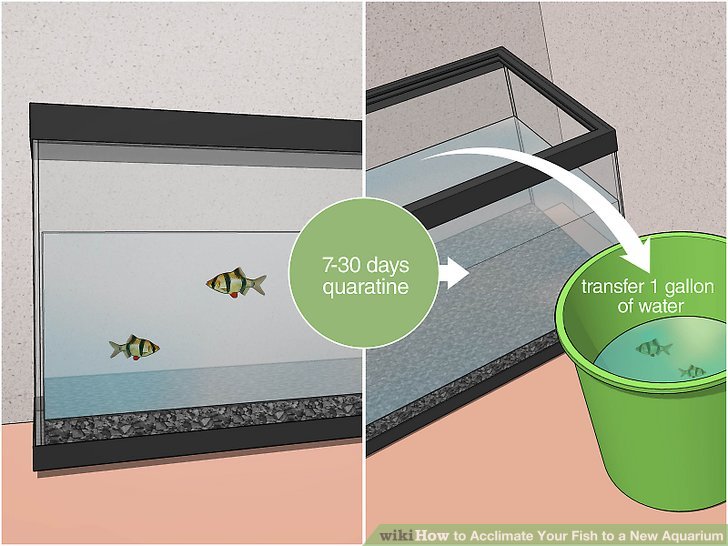
Successfully acclimating new aquarium plants is crucial for their health and integration into your aquatic environment. A careful, methodical approach minimizes stress and reduces the risk of introducing pests or pathogens that could harm existing tank inhabitants or compromise plant vitality. This process involves gradually adjusting the plants to the water parameters of your tank, ensuring they adapt smoothly without shock or damage.
Implementing a structured step-by-step acclimation process allows for close observation of plant responses, enabling you to address any issues promptly. This systematic approach promotes healthy growth and ensures the long-term success of your aquatic planting efforts.
Preparing for the Acclimation Process
Before beginning, gather all necessary materials, including a clean container (such as a bucket), water testing kits, and possibly some gentle aeration equipment. It is important to match the temperature of the transport water with the tank water to avoid thermal shock and to ensure the pH and hardness levels are as close as possible to your aquarium’s parameters. Having these conditions prepared helps facilitate a smoother transition, reducing stress on the plants.
Gradual Water Mixing Technique
The primary method for acclimating aquarium plants involves slowly mixing the water from their original environment with that of your tank. This gradual process minimizes the sudden change in water chemistry that could otherwise weaken or damage the plants. Implement the following detailed steps:
- Initial Placement: Place the plant bundle or container into a clean, designated acclimation bucket filled with water from the plant’s original environment. Allow it to float for approximately 15-20 minutes to equalize temperature differences.
- First Mixing Phase: Start adding small amounts of your tank water to the bucket, approximately 10-20% of the total water volume, every 15-20 minutes. Use a ladle or siphon to gently introduce the tank water, avoiding disturbance to the plants.
- Observation Periods: During each addition, monitor the plants for signs of stress such as leaf curling, discoloration, or detachment. If any adverse reactions occur, pause the process to assess water parameters and consider a more gradual approach.
- Incremental Water Adjustment: Continue gradually increasing the proportion of tank water over several hours. Typically, the process spans 2-4 hours, but it may extend longer if water parameters differ significantly or if plants show stress.
- Final Transition: Once the water in the bucket is mostly composed of tank water and plants are responding well, carefully transfer the plants into the aquarium. Gently settle them into their desired positions, avoiding abrupt movements that could cause damage.
Tip: Always use dechlorinated water from your tank or a water conditioner during the acclimation process to prevent chlorine or chloramine toxicity.
Monitoring Plant Response and Troubleshooting
Throughout the acclimation process, diligent observation of the plants’ responses is essential. Healthy plants will typically show signs of adaptation such as new root growth or steady leaf coloration. Conversely, signs of stress—including wilting, leaf browning, or excessive detachment—may indicate incompatible water conditions or other issues.
If adverse reactions are observed, consider the following troubleshooting tips:
- Adjust Water Parameters: Test and match pH, hardness, and temperature more precisely. Use conditioners or buffers if necessary.
- Reduce Acclimation Rate: Slow down the addition of tank water, extending the mixing period over a longer duration to allow further adaptation.
- Inspect for Pests or Disease: Examine plants closely for pests or signs of disease, and remove affected portions if identified.
- Maintain Stable Conditions: Keep water movement gentle, avoid sudden temperature fluctuations, and ensure consistent lighting to reduce stress.
By following these systematic steps and carefully monitoring plant responses, aquarists can ensure a smooth transition and promote the healthy establishment of new aquatic plants in their tanks.
Monitoring and Adjusting Post-Acclimation Conditions
After successfully acclimating aquarium plants, continual monitoring and adjustment of environmental parameters are vital to ensure their health and growth. Proper management of water quality, lighting, CO2 levels, and nutrients facilitates optimal plant development and prevents stress or disease. Regular observation and timely modifications sustain a stable habitat that promotes vigorous plant growth and ecosystem balance.
Maintaining the ideal conditions established during acclimation requires diligence and a systematic approach. Small fluctuations in water parameters or lighting can significantly impact plant health, making ongoing assessment essential. Implementing best practices for monitoring and adjustments ensures the long-term success of your aquatic plants and overall aquarium stability.
Verifying Water Parameters After Acclimation
Consistent verification of water parameters post-acclimation helps detect deviations that could impact plant health. Key parameters include pH, hardness (GH and KH), temperature, nitrate, phosphate, and dissolved oxygen levels. Utilizing reliable test kits or digital meters allows precise measurements, enabling informed decisions for adjustments.
It is recommended to test water parameters at least once daily during the initial week following acclimation. Changes in plant health, such as leaf discoloration, melting, or slowed growth, may indicate water chemistry issues requiring immediate attention. Maintaining a log of readings provides valuable data for trend analysis and informed intervention.
Adjusting Lighting, CO2, and Nutrients to Support Acclimated Plants
Once plants are acclimated, optimizing lighting, CO2 supplementation, and nutrient availability sustains healthy growth and prevents deficiencies. Adjustments should be based on plant species-specific needs, current aquarium conditions, and observed plant responses.
Lighting: Ensure light intensity and photoperiod are appropriate for the plant species. Gradually increase light exposure if necessary, avoiding sudden spikes that can cause algae blooms or stress.
CO2: Maintain consistent CO2 levels within the recommended range for the plant types in the aquarium. Sudden changes can cause pH fluctuations and stress; monitor pH regularly to ensure stability.
Nutrients: Regularly dose macro- and micronutrients according to the specific requirements of your plants. Over-fertilizing can lead to algae overgrowth, while under-fertilizing may cause deficiencies manifesting as poor growth or discoloration.
Ideal Conditions for Common Aquatic Plants Post-Acclimation
| Plant Species | pH Range | Temperature (°C) | Lighting | CO2 Levels (ppm) | Nitrate (mg/L) | Phosphate (mg/L) |
|---|---|---|---|---|---|---|
| Anubias nana | 6.0 – 7.5 | 22 – 26 | Low to Moderate | 10 – 20 | 5 – 20 | 0.5 – 1.0 |
| Java Fern (Microsorum pteropus) | 6.0 – 7.5 | 20 – 26 | Low to Moderate | 10 – 20 | 5 – 20 | 0.5 – 1.0 |
| Vallisneria | 6.5 – 8.0 | 20 – 28 | Moderate to High | 10 – 30 | 10 – 50 | 1.0 – 2.0 |
| Cryptocoryne | 6.0 – 7.5 | 22 – 26 | Low to Moderate | 10 – 20 | 5 – 20 | 0.5 – 1.0 |
| Rotala | 6.5 – 7.5 | 22 – 28 | Moderate to High | 15 – 30 | 10 – 30 | 1.0 – 2.0 |
Adjusting environmental conditions based on the specific needs of each plant species supports their acclimated state, promoting lush growth and minimizing stress. Regular monitoring and timely interventions are fundamental practices for maintaining a thriving aquatic ecosystem post-acclimation.
Tips for Ensuring Successful Plant Acclimation
Acclimating aquarium plants effectively is essential to promote healthy growth and prevent stress or shock that can jeopardize their survival. Implementing expert-backed strategies can significantly improve the success rate of your plant acclimation process, ensuring a thriving aquatic environment.
By paying close attention to specific practices during the acclimation phase, aquarists can minimize the risk of plant shock and facilitate a smoother transition from the nursery or store environment to their home aquarium. The following tips provide practical guidance to help you achieve optimal acclimation results.
Minimize Sudden Changes in Water Parameters
One of the most critical aspects of successful plant acclimation is avoiding abrupt alterations in water conditions. Sudden shifts in temperature, pH, or water chemistry can cause stress, leading to plant dieback or poor adaptation. To prevent this, gradually introduce your plants to your aquarium’s parameters over several hours or days, depending on the initial differences.
Handle Plants Gently
Physical damage during handling can impair plant health and hinder root development. Be gentle when removing plants from their packaging or transport containers. Use clean, soft tools or gloves to avoid tearing delicate leaves or damaging roots. Proper handling preserves the plant’s integrity and promotes quicker adaptation.
Maintain Stable Lighting Conditions
Light intensity and duration significantly influence plant acclimation. Sudden exposure to intense or direct lighting can cause stress and bleaching, especially for newly introduced plants. Gradually increase light levels over a few days, mimicking natural dawn conditions, to help plants adjust their photosynthetic processes comfortably.
Avoid Overcrowding
Overcrowding can lead to competition for nutrients and light, exacerbating stress during acclimation. Space out newly added plants adequately to ensure each has sufficient access to resources, fostering healthy growth and reducing the likelihood of disease or decay.
Use Proper Water Conditions and Supplements
Ensure that your aquarium water is free of harmful chemicals and maintains consistent parameters. Incorporate beneficial additives such as root tabs or liquid fertilizers designed for aquatic plants to support nutrient uptake. Proper supplementation can accelerate rooting and overall adaptation.
Common Mistakes to Avoid During Acclimation
Several errors can compromise the success of plant acclimation. Recognizing and avoiding these pitfalls ensures a smoother process and healthier plants:
- Introducing plants directly into high-intensity lighting without gradual adjustment
- Changing water parameters abruptly instead of gradually
- Handling plants roughly or dropping them during transfer
- Overcrowding new plants, leading to competition and stress
- Neglecting to add necessary nutrients or supplements
- Ignoring signs of stress, such as discoloration or decay, and failing to take corrective action
Supplemental Steps to Enhance Acclimation
In addition to proper handling and gradual transitions, supplementing your aquarium with specific products can promote healthy plant development during the critical acclimation phase:
- Adding Root Tabs: Slow-release root fertilizers placed near plant roots encourage rapid establishment and nutrient absorption.
- Using Liquid Fertilizers: Regularly dosing with plant-specific liquid fertilizers ensures an adequate supply of macro- and micronutrients essential for photosynthesis and growth.
- Incorporating Iron Supplements: Iron is vital for chlorophyll production; supplementing with chelated iron can prevent deficiency symptoms.
- Maintaining CO2 Levels: Adequate carbon dioxide, either through diffusion or liquid additives, promotes vigorous growth and helps plants adapt faster.
- Monitoring Water Hardness and pH: Adjusting these parameters to match the plant’s original environment reduces stress and encourages healthy root development.
Effective plant acclimation hinges on patience, gentle handling, gradual adjustments, and appropriate supplementation. Implementing these expert tips will enhance your chances of establishing vibrant, resilient aquatic plants that flourish in your aquarium environment.
Troubleshooting Common Problems During Acclimation
Acclimating aquarium plants is a delicate process that requires attention to detail and patience. Despite careful preparation, issues such as plant melting, discoloration, or stress can occur during acclimation. Recognizing these problems early and implementing appropriate strategies is essential for ensuring the long-term health and vitality of your aquatic greenery. This guide aims to provide practical solutions to common challenges faced during plant acclimation, supporting aquarists in creating a thriving aquatic environment.
Understanding the root causes of these problems allows for targeted interventions, whether dealing with sudden discoloration or recovering stressed plants. Through systematic troubleshooting, aquarists can minimize plant loss, promote healthy growth, and foster a resilient planted tank ecosystem.
Addressing Plant Melting and Discoloration
Plant melting and discoloration are frequent issues during acclimation, often caused by abrupt changes in environmental conditions, poor water quality, or unsuitable lighting. These symptoms can affect both new and established plants, signaling stress or nutrient deficiencies. Addressing these issues promptly is critical to prevent further decline and to support plant recovery.
Effective strategies include maintaining stable water parameters, ensuring proper lighting intensity, and supplementing with appropriate fertilizers if deficiencies are suspected. Slow and gradual acclimation reduces shock, allowing plants to adjust to their new environment and minimizing the risk of melting or discoloration.
Consistent monitoring and gentle transitions are key to preventing and managing plant stress during acclimation.
Recovering Stressed Plants After Acclimation
Stressed plants can exhibit symptoms such as wilting, yellowing, or slowed growth after the acclimation process. Recovery involves a combination of environmental adjustments, nutrient supplementation, and sometimes physical pruning to remove damaged tissue. Ensuring optimal conditions—such as stable temperature, appropriate lighting, and balanced nutrients—facilitates resilience and regrowth.
It is important to identify and rectify underlying issues promptly. For example, if plants are yellowing due to nutrient deficiency, adding rooted or liquid fertilizers containing iron, nitrates, or other trace elements can promote recovery. Physical pruning of damaged leaves encourages new, healthy growth and improves the plant’s overall appearance.
Common Symptoms and Recommended Actions
Below is a troubleshooting guide organized by common symptoms encountered during plant acclimation and suggested interventions:
| Symptom | Description | Recommended Action |
|---|---|---|
| Plant melting or disintegration | Rapid deterioration of leaves or stems, often with soft, translucent tissue |
|
| Yellowing or discoloration | Leaves turn yellow or lose vibrant coloration, indicating nutrient deficiency or stress |
|
| Wilting or drooping leaves | Leaves lose turgidity, indicating stress, improper watering, or root issues |
|
| Slow growth or stunted development | Plants show minimal new growth despite ideal conditions |
|
By systematically diagnosing these symptoms and applying targeted solutions, aquarists can effectively manage and recover stressed aquarium plants, enhancing their survival and growth prospects during and after acclimation.
Closing Summary
In conclusion, mastering how to acclimate aquarium plants is a vital skill for any aquarist aiming for a thriving aquatic environment. Careful preparation, methodical procedures, and vigilant observation ensure the plants adapt smoothly and flourish over time. With patience and proper technique, your aquarium will become a vibrant and stable underwater sanctuary.