Learning how to acclimate tissue culture plants is essential for ensuring their healthy transition from laboratory conditions to natural environments. This process plays a crucial role in increasing survival rates and promoting robust growth, making it a vital step in plant propagation and cultivation. Understanding the key procedures and environmental adjustments involved can significantly enhance the success of tissue culture plant transfer.
By carefully preparing the necessary materials, following structured steps, and monitoring plant health throughout the process, growers can effectively mitigate common challenges such as mold, wilting, and root issues. Mastering these techniques ensures that tissue culture plants adapt smoothly, leading to thriving plants ready for further growth or landscape integration.
Understanding Tissue Culture Plants and Acclimatization
Tissue culture, also known as micropropagation, is a sophisticated technique used to produce a large number of uniform and healthy plants from a small initial tissue sample. This method has revolutionized plant propagation, especially for species that are difficult to propagate through traditional methods. It allows for rapid multiplication, preservation of genetic fidelity, and conservation of rare or endangered species.
Despite its numerous advantages, tissue culture plants require a careful transition from in vitro conditions to the natural environment. Acclimatization is the critical process that prepares these plants to survive outside the sterile, controlled laboratory environment. Proper acclimatization ensures the plants develop resilient structures, such as thicker cuticles and stronger roots, which are essential for their survival and growth in external conditions.
Process of Tissue Culture in Plant Propagation
The tissue culture process begins with the selection of a healthy plant tissue, often called a explant, which is sterilized to eliminate any microbial contaminants. The explant is then placed in a nutrient-rich, sterile medium containing essential minerals, vitamins, and plant growth regulators such as cytokinin and auxin. Under controlled lighting, temperature, and humidity, the explant develops into callus tissue and eventually forms shoots and roots.
This method facilitates the production of genetically identical plants, known as clones, ensuring uniformity in traits such as fruit quality, disease resistance, and ornamental features. It is particularly advantageous for commercial cultivation of high-value crops like orchids, bananas, and strawberries, where consistency and rapid multiplication are desired.
The Importance of Acclimating Tissue Culture Plants
Transitioning tissue culture plants to external environments poses significant challenges due to their physiological adaptations to in vitro conditions. During culture, plants develop in high-humidity, low-light, sterile environments, resulting in features like delicate stems, underdeveloped roots, and thin cuticles. Without proper acclimatization, these plants are highly susceptible to environmental stresses such as drought, pathogens, and temperature fluctuations.
Acclimatization acts as a transitional phase where plants gradually adapt to outdoor conditions, reinforcing their structural resilience and physiological functions. This process enhances their ability to absorb water, resist pests, and tolerate varying environmental stresses, ultimately ensuring their survival and productive growth.
Common Challenges During Transition from In Vitro to Ex Vitro
The shift from in vitro to ex vitro involves several challenges that can impact plant survival rates. Key issues include:
- High Transplant Shock: Plants often experience stress from sudden exposure to external conditions, leading to wilting or dieback.
- Inadequate Root Development: Insufficient or poorly developed roots hinder water and nutrient uptake, making plants vulnerable to dehydration.
- Excessive Humidity and Light: Rapid changes in humidity and light intensity can cause physiological imbalances, such as sunburn or desiccation.
- Pathogen Susceptibility: Plants with underdeveloped immune responses may become more prone to fungal, bacterial, or viral infections.
Overcoming these challenges requires a methodical approach, including gradual exposure to external conditions, maintaining optimal humidity levels through misting or shade, and ensuring proper root development before transplantation. Recognizing and managing these factors significantly increases the success rate of transitioning tissue culture plants to their natural growing environments.
Preparing for Acclimatization
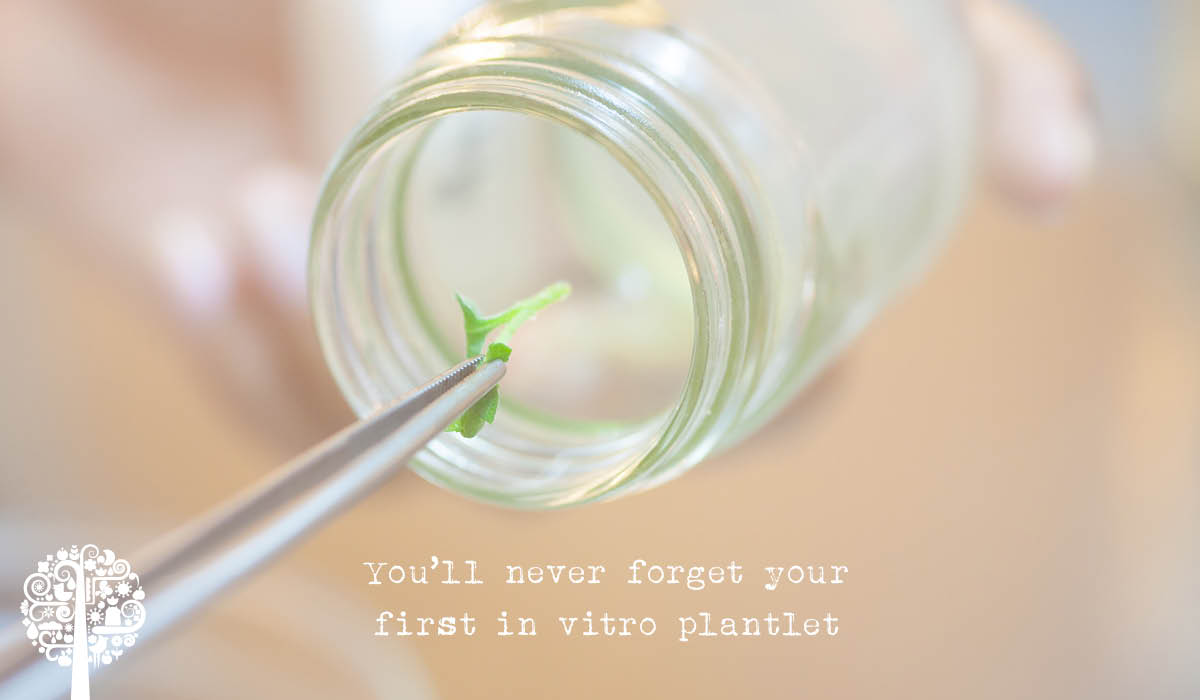
Effective acclimatization of tissue culture plants begins with meticulous preparation to ensure their transition from laboratory conditions to external environments is smooth and successful. Proper planning involves gathering essential materials, selecting the healthiest plant specimens, and establishing optimal environmental conditions. This foundational step significantly influences the survival rate and overall vigor of the transplanted plants, making it a crucial phase in tissue culture propagation.
Preparing adequately ensures that plants are resilient to environmental changes and reduces mortality during the critical acclimatization process. By adhering to best practices and maintaining appropriate environmental parameters, growers can promote healthy growth and achieve higher success rates in establishing tissue culture plants in various cultivation settings.
Essential Materials and Equipment Needed for Acclimatization
Having the right materials and equipment on hand facilitates a controlled and systematic approach to acclimatization. The following items are vital for creating a conducive environment and handling tissue culture plants effectively:
- Plastic or Glass Containers: Used for initial transfer and holding plants in humid conditions; transparent covers help maintain high humidity while allowing light penetration.
- Humidity Chambers or Mini Greenhouses: Enclosed spaces that maintain high humidity levels, preventing desiccation of delicate tissues.
- Spray Bottles: For gentle misting to maintain moisture without overwatering.
- Watering Can and Distilled Water: To avoid mineral buildup and contamination, providing clean water is essential.
- Grow Lights or Natural Sunlight: Ensures adequate light for photosynthesis, especially in indoor settings where sunlight may be limited.
- Temperature and Humidity Monitors: Digital or analog devices to continuously track environmental parameters, enabling precise adjustments.
- Sterile Work Area and Tools: To prevent contamination during handling, including forceps, scalpels, and gloves.
- Labels and Markers: For proper identification and tracking of different plant batches or treatments.
Having these materials prepared in advance streamlines the process and minimizes disruptions during critical stages of acclimatization.
Selecting Healthy Tissue Culture Plants for Transfer
Choosing the right tissue culture plants is fundamental for successful acclimatization. Selecting robust, healthy specimens minimizes the risk of transplant shock and enhances survival prospects. The selection process involves careful visual assessment and consideration of the plant’s developmental stage.
Healthy tissue culture plants display vigorous growth, a uniform green coloration indicating active chlorophyll production, and free from signs of disease, mold, or etiolation. Plants that have developed a well-formed root system and sturdy, turgid stems are better candidates for transfer. It is advisable to avoid plants with yellowing leaves, soft tissues, or visible contamination, as these issues can compromise their ability to adapt to external environments.
In practice, selecting plants at the appropriate developmental stage—typically when they have developed a few true leaves and a resilient root system—optimizes their readiness for acclimatization. This careful selection process ensures a higher rate of successful transition and establishes a strong foundation for subsequent growth phases.
Environmental Requirements Before Starting Acclimatization
Establishing suitable environmental conditions prior to the transfer of tissue culture plants is vital for reducing stress and promoting acclimatization. These conditions should be gradually adjusted to mimic their future growth environment, allowing the plants to adapt comfortably.
Optimal parameters include maintaining high humidity levels, appropriate lighting, and stable temperatures. Before transfer, plants should be kept in a humid environment with relative humidity around 85-95%, which helps prevent desiccation of delicate tissues. Lighting conditions should be diffused or filtered to avoid excessive light intensity that can cause stress or burns, while providing enough light for photosynthesis. The temperature should be maintained within a range suitable for the plant species—generally between 20°C to 25°C—avoiding extreme fluctuations that could hinder development.
Gradual Adjustment of Conditions: Transition plants slowly from in vitro or high-humidity environments to more open conditions by incrementally reducing humidity and increasing exposure to light and airflow over several days.
Monitoring and controlling these environmental factors before and during acclimatization ensures the tissue culture plants develop resilient structures and adapt successfully to external conditions, setting the stage for healthy growth in their new environment.
Step-by-Step Procedures for Acclimating Tissue Culture Plants
Successfully transitioning tissue culture plants from sterile laboratory conditions to natural or greenhouse environments requires meticulous procedures. Proper acclimatization ensures that the plants develop strong, resilient root systems and adapt effectively to external factors such as humidity, light, and soil conditions. Following a structured set of steps minimizes transplant shock and maximizes survival rates, leading to healthy, mature plants ready for cultivation or sale.
This guide provides a detailed, step-by-step approach to acclimate tissue culture plants, emphasizing the importance of environmental adjustments, handling techniques, and material preparations to ensure a smooth transition from vitro to ex vitro conditions.
Preparation and Initial Transplantation
Before transferring tissue culture plants, ensure all materials and environmental settings are prepared to facilitate a seamless transition. Proper handling during the initial removal from culture vessels is critical in preventing damage and ensuring healthy growth. The process begins with selecting suitable containers and substrates, followed by gentle cleaning and watering to prepare the plants for their new environment.
- Choose an appropriate container that provides adequate drainage and aeration. Small pots or seed trays with drainage holes are ideal for initial acclimatization stages.
- Prepare a sterile, well-draining substrate such as a mix of peat moss, vermiculite, and perlite. Ensure the substrate is moist but not waterlogged to prevent root rot.
- Gently remove the tissue culture plant from its culture vessel using sterile tools or clean hands, taking care to minimize root disturbance.
- Rinse the roots carefully with sterile, lukewarm water to remove any residual agar or medium traces, which could promote fungal growth.
- Plant the tissue culture specimen into the prepared substrate at the same depth it occupied in the culture vessel, ensuring firm contact with the soil.
Creating a Suitable Environment
Establishing the optimal environmental conditions is paramount during the initial stages of acclimatization. These conditions promote vigorous root development and reduce stress. It is essential to control factors such as humidity, temperature, light, and airflow to simulate the plant’s native habitat while gradually transitioning to outdoor conditions.
| Materials | Conditions | Methods | Duration |
|---|---|---|---|
| Shade cloth or transparent cover | High humidity (~80-90%) | Cover the pots to retain moisture and protect from direct sunlight | First 1-2 weeks |
| Thermometer and hygrometer | Temperature 20-25°C | Maintain consistent temperature; avoid temperature fluctuations | Throughout acclimatization |
| Lighting setup (artificial grow lights or natural diffused sunlight) | Low to moderate light intensity | Use diffused light to prevent leaf scorch and stress | First 2 weeks, then gradually increase |
| Ventilation system or gentle fans | Good airflow without causing desiccation | Ensure fresh air circulation to prevent fungal diseases | Throughout process |
Implementing these environmental controls fosters a stable microclimate that encourages root establishment and plant vigor. Regular monitoring and adjustments ensure conditions stay within optimal ranges, reducing transplant shock and promoting healthy growth.
Gradual Humidity Reduction and Light Adjustment
Adapting tissue culture plants to external humidity levels and natural light is a critical phase in acclimatization. Sudden changes can cause stress or desiccation, so a gradual approach is necessary. This process involves systematic humidity reduction and incremental exposure to sunlight, allowing plants to develop resilience over time.
- Begin by maintaining high humidity (~80-90%) with protective coverings during the first week after transplantation.
- Gradually open the coverings or remove the shade cloth incrementally over the next 1-2 weeks, reducing humidity levels to ambient outdoor conditions (~50-60%).
- Simultaneously, start increasing light intensity gradually, moving from indirect or shaded light to full sun exposure over a period of 2-4 weeks.
- Maintain consistent watering practices to prevent drought stress, especially during periods of increased light exposure.
- Observe the plants closely for signs of stress such as leaf wilting, scorching, or excessive drying, and adjust the exposure accordingly.
“The key to successful acclimatization is patience and gradual adjustment, allowing tissue culture plants to develop natural hardiness without undue stress.”
By controlling humidity and light exposure in a phased manner, tissue culture plants can adapt more effectively to their new growing environment. The careful management of these factors ensures the development of robust root systems and healthy foliage, setting the foundation for continued growth and development outside the laboratory conditions.
Monitoring and Care During Acclimatization
Effective acclimatization of tissue culture plants requires diligent monitoring and tailored care to ensure their successful transition from in vitro conditions to outdoor or soil environments. This phase is critical for establishing healthy, resilient plants capable of thriving under natural conditions.
During acclimatization, maintaining optimal environmental parameters and promptly identifying signs of stress or success are essential. Proper adjustments in watering, ventilation, and humidity management help minimize transplant shock and promote vigorous growth. Regular observation and proactive care form the foundation of a successful acclimatization process, ensuring that tissue culture plants develop strong root systems and healthy foliage ready for their final planting stage.
Parameters to Monitor
Monitoring specific environmental and physiological parameters provides insight into the plant’s adaptation progress and highlights areas needing adjustment.
- Humidity Levels: Maintaining relative humidity between 85% and 95% initially prevents desiccation. As plants adapt, gradual reduction to ambient humidity levels (around 50-70%) is recommended.
- Moisture Content: Consistent soil or substrate moisture is vital. The medium should remain moist but not waterlogged to encourage healthy root development without risking fungal infections.
- Plant Vigor: Observations of leaf turgidity, color, and overall turgor indicate plant health. Vigorous, green foliage suggests successful acclimatization, while wilting or yellowing may signal stress.
- Root Development: The emergence of healthy roots through the medium indicates good adaptation. Roots should be white or light tan without signs of rot or decay.
- Temperature: Keep environmental temperatures within 20-25°C (68-77°F) to promote optimal metabolic activity.
Methods to Maintain Optimal Conditions
Consistent management strategies are essential to sustain ideal conditions during acclimatization. This includes appropriate watering schedules, environmental controls, and ventilation practices.
- Watering Schedule: Water the plants regularly to keep the substrate moist but not soaked. Typically, watering every 1-2 days is sufficient, adjusting based on substrate drainage and environmental humidity. Use misting for foliage to increase humidity, especially in initial stages.
- Ventilation Strategies: Ensure good air circulation to prevent fungal and bacterial diseases. Using gentle fans or opening small vents in the humidity chamber promotes airflow, reducing stagnant conditions and promoting transpiration.
- Temperature and Light Control: Maintain stable temperatures with minimal fluctuations. Provide indirect or diffused light to mimic natural outdoor conditions without causing stress from direct sunlight early in acclimatization.
- Humidity Management: Use transparent covers or humidity domes initially to sustain high humidity, gradually removing them to acclimate plants to ambient conditions. Employ damp substrates or misting to boost humidity as needed.
Signs of Successful Acclimatization and Indicators of Stress or Failure
Recognizing the signs of healthy adaptation versus stress allows for timely intervention, improving overall success rates.
Successful acclimatization is indicated by healthy, upright growth, vibrant green leaves, and active root development, reflecting the plant’s ability to adapt to external conditions.
Indicators of stress or failure include:
- Wilting or Drooping Foliage: Suggests water deficiency or root damage.
- Yellowing or Browning Leaves: May indicate nutrient deficiencies, overwatering, or disease.
- Poor Root Growth or Root Rot: Visible decay or absence of roots can hinder nutrient uptake and plant stability.
- Excessive Mold or Fungal Growth: Indicates overly humid or poorly ventilated conditions that favor pathogen development.
- Stunted Growth: Reflects suboptimal environmental parameters affecting overall development.
Timely detection of these signs allows for corrective measures, such as adjusting watering frequency, improving ventilation, or applying appropriate treatments, ensuring a smooth transition to independent growth outside the tissue culture environment.
Common Issues and Troubleshooting
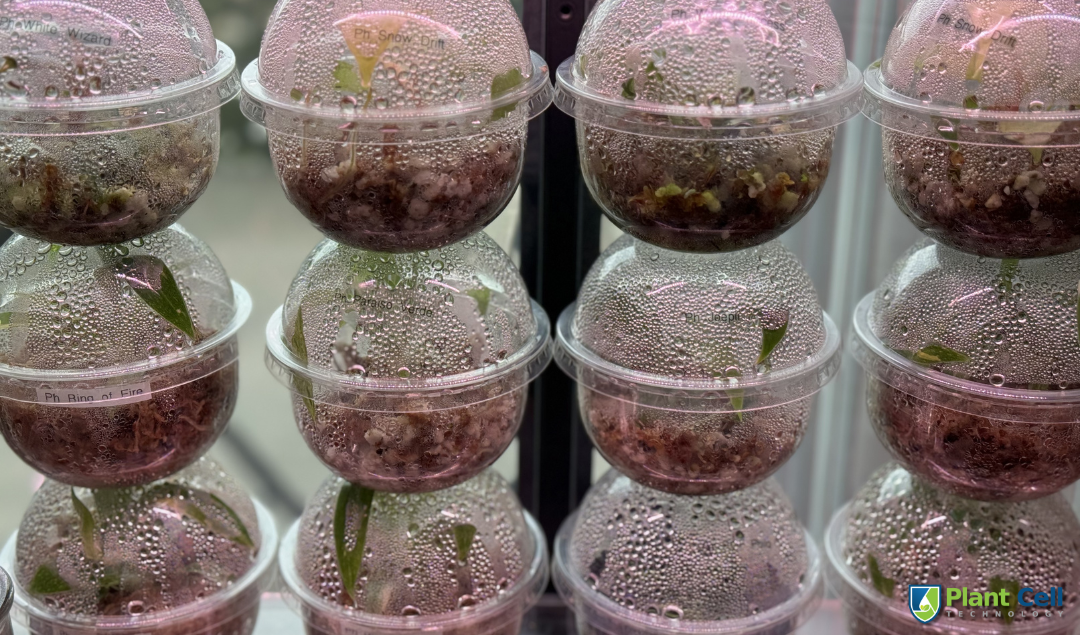
During the acclimatization process of tissue culture plants, growers often encounter various challenges that can impede successful establishment and growth. Recognizing and promptly addressing these issues is essential to ensure healthy plant development and optimal survival rates. This section Artikels common problems faced during acclimatization, their causes, and effective solutions to mitigate them.Understanding these issues helps in implementing preventive measures and maintaining a healthy environment conducive to plant adaptation.
The key to successful troubleshooting lies in diligent observation, hygiene, and a proactive approach to disease control, which collectively contribute to the overall success of tissue culture plant acclimatization.
Identifying Common Problems in Tissue Culture Plant Acclimatization
The acclimatization stage involves transitioning plants from sterile laboratory conditions to natural or greenhouse environments. During this period, plants are vulnerable to several issues that can compromise their health and survival. Common problems include mold formation, wilting, and root rot, among others. Each problem requires specific attention to resolve effectively.
Mold Growth and Fungal Contamination
Mold and fungal infections are prevalent during the initial stages of acclimatization, often resulting from high humidity, poor air circulation, or contaminated tools and substrates. Mold appears as fuzzy patches of gray, white, or black on the plant surface or growth medium, which can lead to disease spread and plant decay.
- Preventive measures: Maintain optimal humidity levels—around 70-80%—without excessive moisture. Ensure proper ventilation to promote air circulation. Use sterilized tools and growth substrates, and regularly disinfect the environment with appropriate fungicides or sanitized solutions.
- Treatment: Remove contaminated plants immediately to prevent spread. Apply broad-spectrum antifungal agents, such as neem oil or specific fungicides, following manufacturer instructions. Improving air flow and reducing humidity can prevent recurrence.
Wilting and Loss of Turgor
Wilting is a common issue caused by water stress, improper watering practices, or root damage. It manifests as drooping leaves and stems, indicating that the plant cannot maintain internal water balance. Wilting can lead to plant death if not addressed promptly.
- Preventive measures: Water plants adequately, ensuring the medium remains moist but not waterlogged. Use a consistent watering schedule and avoid overwatering, which can cause root rot. Maintain proper humidity levels to reduce transpiration stress.
- Treatment: Assess root health by gently examining roots for signs of rot. Remove any damaged roots and replant in sterile, well-drained substrate. Mist the foliage to improve hydration and reduce stress.
Root Rot and Soil-Borne Diseases
Root rot caused by pathogens like Pythium or Phytophthora fungi is a significant concern during acclimatization, especially if the medium is overly wet or poorly drained. Symptoms include blackened, decayed roots and stunted growth.
- Preventive measures: Use sterile, well-draining substrates and avoid excessive watering. Ensure containers have proper drainage holes. Maintain hygiene by disinfecting pots and tools after each use.
- Treatment: Remove infected plants promptly and destroy them. Treat remaining healthy plants with appropriate fungicides and adjust watering practices. Improve airflow and drainage to prevent future occurrences.
Importance of Hygiene and Disease Control
Maintaining strict hygiene standards during acclimatization significantly reduces the risk of disease outbreaks. Contaminated tools, substrates, or environment can introduce pathogens, leading to fungal infections, bacterial diseases, or pest infestations.
Regular disinfection of work surfaces, tools, and containers, along with the use of sterile media, is vital. Implementing biosecurity measures and monitoring plants frequently enables early detection of issues, allowing for swift intervention to preserve plant health.
By understanding common issues faced during the acclimatization of tissue culture plants and applying targeted troubleshooting strategies, growers can improve survival rates, promote healthy growth, and ensure successful transition from in vitro conditions to the field or greenhouse environment.
Best Practices and Tips for Successful Acclimatization
Successfully acclimating tissue culture plants requires careful attention to environment, timing, and gradual adaptation strategies. Implementing proven best practices can significantly enhance survival rates and promote healthy growth as plants transition from sterile laboratory conditions to the natural environment.
These expert recommendations aim to optimize conditions and provide a structured approach to hardening tissue culture plants, ensuring they develop resilient and vigorous specimens ready for transplantation or commercial use.
Optimizing Environmental Conditions During Acclimatization
Adjusting environmental parameters methodically over time is critical for strengthening tissue culture plants. An incremental approach to altering light, humidity, and temperature conditions allows the plants to adapt without stress or shock. Proper setup involves creating a controlled environment that mimics natural conditions while gradually introducing more variable factors.
Example: Starting with high humidity (~80-90%) and diffused light for the first few weeks, then gradually decreasing humidity to 60-70% and increasing light intensity to full ambient levels over a period of 4-6 weeks.
Monitoring environmental parameters with reliable sensors enables precise adjustments, reducing the risk of stress-related failures and promoting healthy hardening.
Implementing Successful Acclimatization Setups
Effective acclimatization setups incorporate controlled environments that facilitate gradual adaptation. Several illustrative methods include:
- Humidity Tent or Mini-Greenhouse: Using clear plastic covers or small greenhouses that maintain high humidity initially, then gradually opening vents or removing covers to decrease humidity over time.
- Shade Nets and Diffused Lighting: Employing shade nets or diffusers to provide gentle, indirect light, preventing stress from intense sunlight during early stages.
- Substrate and Potting Medium: Utilizing well-draining substrates that retain moisture but prevent waterlogging, supporting root development during hardening.
- Gradual Exposure to Outdoor Conditions: Initiating outdoor placement during mild weather, increasing exposure duration gradually to prevent shock from sudden environmental changes.
In practice, a nursery may start by placing tissue culture plants under humidity tents with diffused light, then slowly removing covers while increasing light intensity and decreasing humidity. Regular watering and monitoring ensure plants do not experience dehydration or overwatering, fostering a successful transition.
Wrap-Up
In conclusion, the proper acclimatization of tissue culture plants is a fundamental phase that determines their future vitality and productivity. By implementing best practices and paying close attention to environmental conditions, cultivators can achieve high success rates and foster healthy, resilient plants. Embracing these techniques will undoubtedly lead to more sustainable and rewarding propagation outcomes.