Discover the art of creating a stunning Iwagumi aquascape, a Japanese-inspired style renowned for its minimalist beauty and harmonious balance. This guide provides essential insights into designing an environment that combines natural aesthetics with precise craftsmanship, making it accessible for both beginners and experienced aquascapers.
By understanding the fundamental principles, selecting appropriate materials, and following structured planning, you can craft a captivating underwater landscape that highlights simplicity and elegance. From choosing the right stones and plants to arranging them thoughtfully, every step contributes to a balanced and visually appealing aquascape.
Introduction to Iwagumi Aquascaping
Iwagumi aquascaping is a distinctive style of underwater landscape design that emphasizes simplicity, balance, and natural beauty. Originating from Japanese tradition, this style has gained popularity worldwide for its harmonious and minimalist aesthetic. It focuses on creating a serene miniature landscape within an aquarium, often resembling natural stone formations found in mountainous or riverine environments.
At the core of Iwagumi aquascaping are fundamental principles that guide its design, including the use of carefully selected stones, precise layout, and a sense of tranquility. The style champions the idea that less is more, allowing viewers to appreciate the beauty of each element and the overall composition. Typical elements include a few focal stones, lush carpeting plants, and small, colorful aquatic creatures that complement the natural theme.
Fundamentals of Iwagumi Style
The essence of Iwagumi lies in its minimalist approach, where the arrangement of stones and plants creates a natural yet artistic landscape. This style draws heavily from traditional Japanese gardening philosophies, emphasizing asymmetry, balance, and the natural flow of forms. The layout often features a dominant central stone surrounded by supporting stones, which together form a cohesive, harmonious scene.
Visual Principles and Aesthetic Goals
The primary aesthetic goal of Iwagumi aquascaping is to evoke a sense of tranquility and harmony inspired by nature. The layout should guide the viewer’s eye smoothly across the scene, highlighting focal points without overwhelming the senses. Achieving this involves adhering to visual principles such as the rule of thirds, asymmetry, and the use of negative space to create depth and perspective.
Typical Elements in Iwagumi Aquascapes
Understanding the elements commonly used in Iwagumi setups helps in designing a balanced and authentic landscape. These elements include:
| Element | Description |
|---|---|
| Focal Stones | Large, prominent stones that serve as visual anchors and define the layout’s main structure. They are carefully selected for their natural appearance and balance within the composition. |
| Supporting Stones | Smaller stones arranged around the focal stones to create harmony and natural randomness, often mimicking riverbeds or mountain slopes. |
| Carpeting Plants | Low-growing plants such as Hemianthus callitrichoides or Glossostigma that cover the substrate, adding lushness and softening stone arrangements. |
| Background Plants | taller plants like Rotala or Hemianthus to provide vertical balance and contrast with the stone structures. |
| Substrate | Usually fine-grained and nutrient-rich to support plant growth and facilitate natural-looking layouts. |
| Lighting | Proper illumination accentuates the textures of stones and plants, creating depth and emphasizing focal points. |
“Achieving harmony in Iwagumi aquascaping involves careful selection and placement of stones, balanced with lush plant life, to emulate nature’s tranquil landscapes.”
Essential Components for Creating an Iwagumi Layout
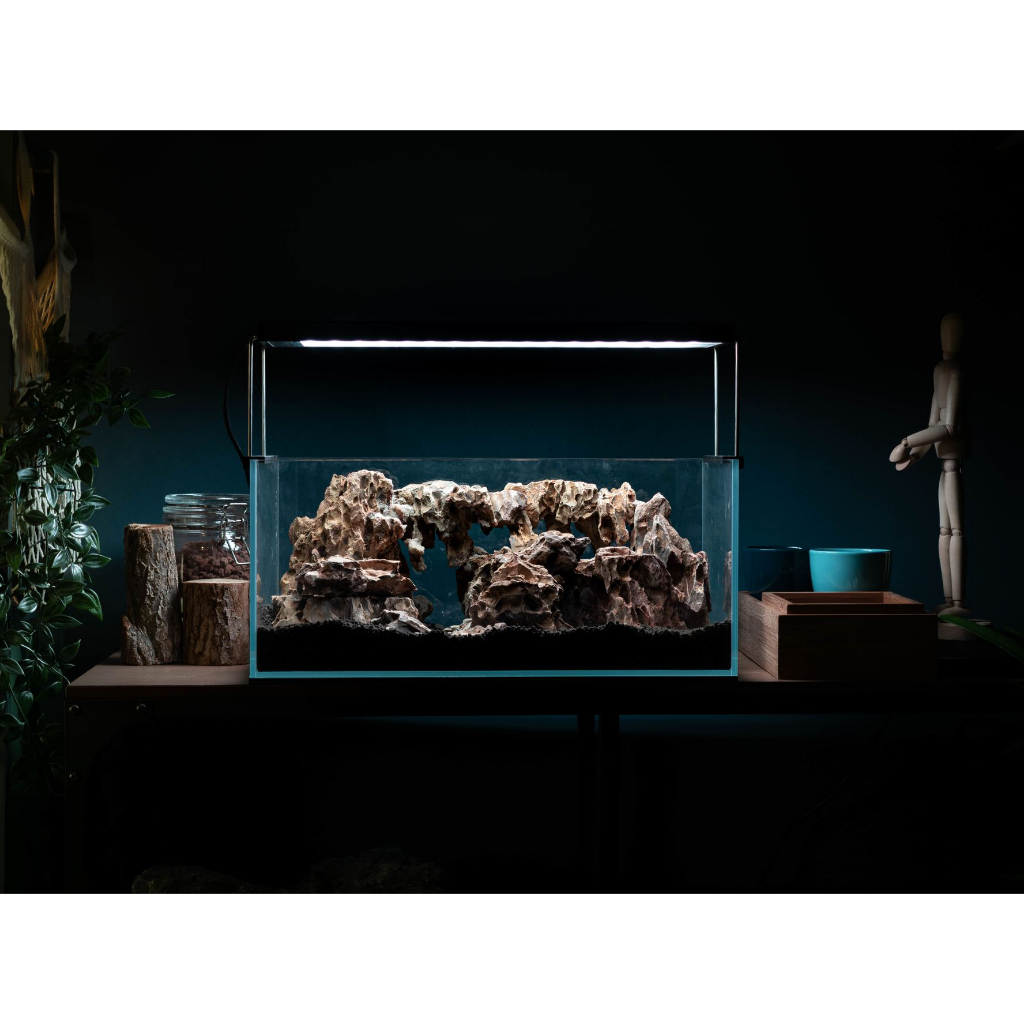
Constructing an authentic Iwagumi aquascape requires careful selection and arrangement of various components that harmonize to create a balanced, natural-looking landscape. The foundation of this style relies heavily on the strategic use of stones, the choice of substrate, appropriate plant selections, and lighting that highlights the unique textures and colors present within the layout. Mastering these elements ensures a stunning and sustainable Iwagumi aquascape that captures the serene beauty of natural stone formations.
Each component plays a vital role in establishing the aesthetic and ecological stability of the aquascape. The stones form the backbone of the layout, providing structure and visual interest. Substrate materials support plant growth and influence water chemistry, while the right plant choices complement the stony landscape, enhancing depth and realism. Proper lighting accentuates textures and colors, bringing the entire composition to life.
Attention to these essential components will enable aquascapers to create captivating underwater landscapes rooted in natural harmony.
Types of Stones Used in Iwagumi Layouts
The selection and placement of stones are fundamental to achieving the iconic minimalist aesthetic of Iwagumi aquascaping. The stones serve both structural and artistic roles, representing mountains, islands, or rocky formations found in nature. The shapes, sizes, and positioning of these stones directly influence the overall harmony and balance of the layout.
- Oyaishi (Main Stone): The largest stone in the layout, typically placed at the focal point. It should have a natural, irregular shape with a textured surface, often with a slightly inclined position to mimic natural mountain formations.
- Seki-ishi (Supporting Stones): Medium-sized stones that complement the main stone. They are positioned to create a sense of depth, balance, and natural flow, often around the main stone to produce a cohesive composition.
- Filler Stones: Smaller stones used to fill gaps and enhance the landscape’s realism. They should be placed subtly to support the main and supporting stones without overpowering the composition.
When positioning stones, focus on creating asymmetry that mimics nature, avoiding overly symmetrical arrangements. Properly selected and placed stones will serve as the visual anchors, guiding the viewer’s gaze and providing a sense of stability within the landscape.
Comparison of Substrate Materials for Iwagumi Aquascapes
The substrate forms the base of the aquascape and influences both the aesthetic appeal and ecological health of the environment. Different materials offer varying textures, nutrient contents, and pH buffering capacities. Here is a comparison of commonly used substrates:
| Substrate Material | Characteristics | Suitable for | Advantages | Disadvantages |
|---|---|---|---|---|
| Akadama Clay | Natural, porous clay with excellent nutrient retention | Rooted plants, shrimp tanks | Supports healthy plant roots; promotes beneficial bacteria growth | Costlier; requires rinsing to remove dust |
| Seiryu Stone Aggregate | Fine gravel with natural gray tones | Minimalist scapes, hardscape base | Natural appearance; stable and easy to shape | Less nutrient-rich; may need supplementing |
| Fluval Stratum | Specialized planted tank substrate with clay-based nutrients | High-demand aquatic plants | Rich in nutrients; promotes lush plant growth | Heavier; may alter water chemistry over time |
| Sand (e.g., Quartz or Coral Sand) | Fine, smooth particles with neutral to slightly alkaline pH | Scapes emphasizing simplicity and clarity | Easy to clean; visually appealing | Limited nutrient retention; may require fertilization |
Plant Choices Complementing the Stony Landscape
Plants play a crucial role in softening the rigid appearance of stones and adding visual depth. In Iwagumi aquascaping, select plants that complement the natural stone formations, emphasizing minimalism and harmony. The ideal plants include mosses, carpeting plants, and subtle foreground species that enhance the landscape without overwhelming the stones.
- Mosses (e.g., Christmas Moss, Java Moss): These plants cling naturally to rocks and stones, creating a lush green contrast against the rugged textures. They add a sense of age and stability to the landscape, often forming miniature forests or waterfalls when properly cultivated.
- Carpeting Plants (e.g., Hemianthus callitrichoides ‘Cuba’, Eleocharis parvula): These low-growing plants form dense mats at the base of stones, accentuating the sense of depth and providing a natural ground cover. They are selected for their fine leaf textures and ability to spread gently across the substrate.
- Foreground Plants (e.g., Dwarf Sagittaria, Monte Carlo): Small, delicate plants that can be placed close to the viewer, emphasizing the foreground and creating a layered visual effect.
These plant choices should be maintained at a low height to preserve the minimalist, open-space aesthetic typical of Iwagumi layouts. Proper pruning and species selection ensure harmony with the rocky elements, enhancing the overall natural appearance.
Lighting Options to Highlight Textures and Colors
Lighting is essential in showcasing the intricate textures of stones and the vibrant greens of aquatic plants. The right lighting setup can dramatically enhance the visual appeal of an Iwagumi aquascape by emphasizing contrast, depth, and color nuances.
Key considerations for lighting include intensity, spectrum, and placement. Use high-quality LED lighting with adjustable spectrum settings to cater to different plant requirements and aesthetic preferences.
- Full Spectrum LED Lights: Provide a balanced light spectrum that promotes healthy plant growth while accentuating natural colors and textures of stones and plants. LEDs with a color temperature around 6500K are ideal for simulating natural daylight.
- Adjustable Intensity: Dimmable lighting allows for fine-tuning to achieve the desired contrast and shadow effects. Lower intensity can create softer shadows, emphasizing the rough textures of stones, while higher intensity enhances color vibrancy.
- Placement and Focus: Position lights to highlight focal points such as the main stone or moss-covered rocks. Using adjustable arms or multiple light sources ensures even illumination and prevents unwanted shadows or glare.
Proper lighting not only accentuates the natural beauty of the stones and plants but also influences plant health and algae control. Balance and adaptability are key to creating a visually stunning and sustainable Iwagumi aquascape.
Planning and Designing an Iwagumi Aquascape
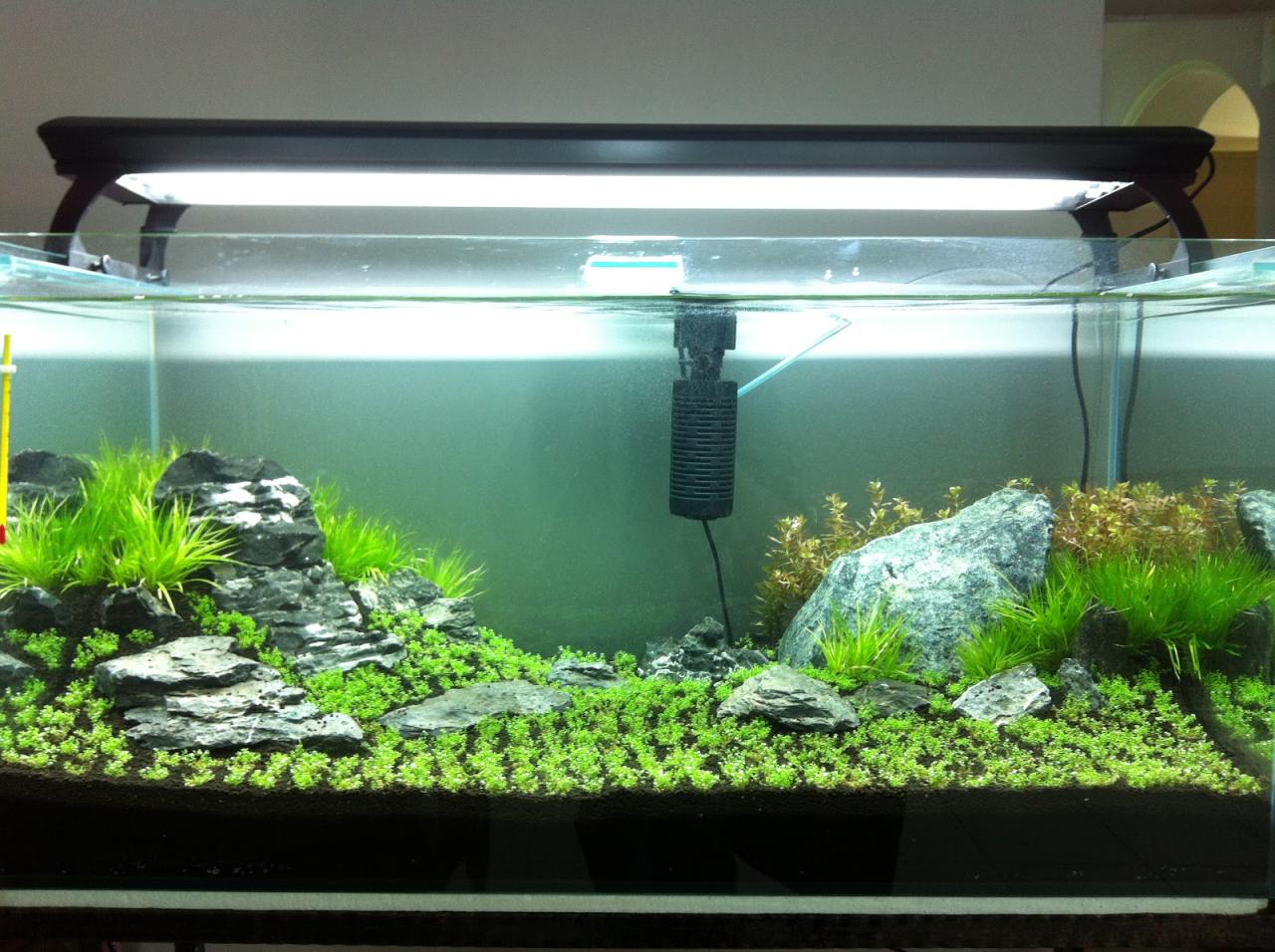
Effective planning and precise design are fundamental to creating a visually harmonious and natural-looking Iwagumi aquascape. Careful consideration during the layout phase ensures that the final arrangement reflects balance, depth, and aesthetic appeal, while also facilitating the health and well-being of aquatic life within the environment.
Before assembly, a structured approach to sketching and mapping the layout helps visualize the final composition and identify potential adjustments. Organizing stone selection and placement based on size, shape, and visual weight guides the creation of a cohesive scene. Additionally, employing design principles such as the rule of thirds and focal points ensures the aquascape exhibits a balanced and engaging visual flow.
Creating natural terrain with layered slopes and variations in height adds depth and mimics natural riverbeds or mountain streams, elevating the overall realism and beauty of the layout.
Sketching and Mapping the Layout
Commencing with a detailed sketch or digital map of the aquascape allows the designer to experiment with different configurations before physically assembling the layout. Using a scaled Artikel on paper or digital software, plan the placement of stones, planting areas, and open spaces. This preparatory step helps to visualize depth, perspective, and focal points, and ensures the layout adheres to the intended design principles.
Some aquascapers prefer to create multiple sketches, adjusting elements iteratively to achieve the most natural and balanced arrangement. Incorporating grid lines or guidelines based on the rule of thirds facilitates the placement of key components for optimal visual impact. This step minimizes trial-and-error during actual assembly, saving time and reducing disturbance to the substrate and plants.
Organizing and Positioning Stones
The stones are the core elements of an Iwagumi layout, and their selection and arrangement directly influence the overall aesthetic. Consider the size, shape, texture, and visual weight of each stone to establish a harmonious composition. Typically, a dominant “Oyaishi” stone is chosen as the central focal point, supported by smaller “Fukuishi” and “Sasaishi” stones to create balance and interest.
When positioning stones, start with the largest, most prominent piece and anchor it in the desired central or slightly off-center location. Arrange other stones around it, ensuring they complement each other’s shapes and sizes. Pay attention to natural asymmetry and avoid overly symmetrical designs, as these tend to appear artificial. Group stones in clusters with irregular spacing, mimicking natural rock formations, and slightly tilt some stones to add realism.
It is helpful to organize stones in terms of visual hierarchy, where the largest or most textured stones are placed at points of focus, and smaller stones fill gaps to support the overall structure. Ensuring a natural flow from foreground to background creates depth and invites viewers into the scene.
Balancing Composition with Visual Principles
Achieving aesthetic harmony in an Iwagumi aquascape requires careful balancing of visual weight and focal points. The rule of thirds serves as a foundational guideline, dividing the layout into three equal parts both horizontally and vertically, guiding the placement of key elements to areas of high visual interest.
The focal point, often the dominant stone or a cluster of plants, should be positioned near one of the intersection points of the rule of thirds grid, drawing the viewer’s eye naturally into the scene.
Designing with focal points involves establishing a primary area of interest—such as a striking, uniquely shaped stone or a lush plant cluster—that anchors the composition. Secondary elements should complement the focal point without competing for attention. Symmetry is generally avoided in Iwagumi layouts, favoring asymmetrical arrangements that mimic natural landscapes.
To further enhance balance, consider the placement of smaller stones, plants, and open spaces to create movement and rhythm within the scene. Negative space, or open areas, are equally important, providing visual breathing room and preventing the aquascape from feeling cluttered or overcrowded.
Creating Natural Terrain with Layers and Slopes
A natural-looking terrain is essential to emulate the organic formations found in nature. By layering substrate and arranging stones at different heights, aquascapers can craft slopes, hills, and valleys that add depth and complexity to the layout.
Begin with a base layer of substrate that gradually varies in height, establishing foreground, midground, and background elevations. Using larger stones as anchors at key points can define ridges or slopes, while smaller stones fill gaps and support layering. Incorporate gentle slopes rather than abrupt cliffs to mimic natural terrain, ensuring transitions between different levels appear seamless.
Creating gradients in height and layering stones with overlapping edges enhances the illusion of depth, making the aquascape appear more realistic and inviting.
When shaping slopes, maintain a natural profile by observing real-world landscapes for inspiration. Embed stones partially into the substrate to secure their position, and carefully backfill with substrate to support layered structures. Consider drainage and water flow in the design to ensure stability and prevent erosion or shifting over time.
Assembling the Iwagumi Aquarium
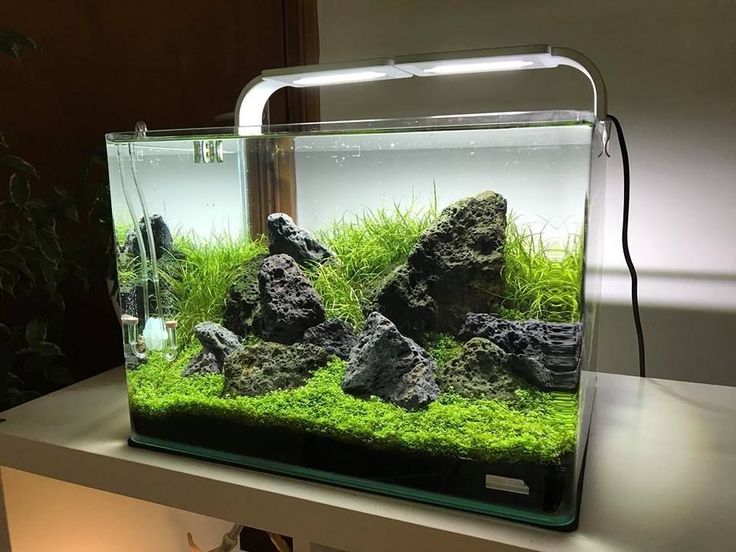
Creating an Iwagumi aquascape involves meticulous assembly of the stones and plants to establish a natural and harmonious underwater landscape. This stage is critical as it sets the foundation for the entire layout, ensuring stability, aesthetic balance, and functional health of the aquatic environment. Proper techniques during assembly not only enhance visual appeal but also promote a resilient and sustainable ecosystem within the tank.During the assembly process, the primary focus is on securely placing the stones, arranging plants for natural growth, and establishing depth and perspective that draw the viewer’s eye into the scene.
Achieving this requires careful planning, patience, and attention to detail. Maintaining stability throughout the initial setup is essential to prevent shifting or collapsing once the aquarium is filled with water and living plants.
Securing Stones with Adhesives or Supports
The stability of the stone arrangement is paramount to prevent shifts that could disturb the layout or damage plants. To achieve this, aquascapers often use appropriate adhesives or supports designed specifically for aquarium use.
Adhesive techniques
Use high-quality, neutral-cure silicone or epoxy formulated for aquatic environments. These adhesives should be applied sparingly at contact points, such as between stones or where stones meet the substrate. It’s important to allow sufficient curing time before proceeding further to ensure the stones are firmly bonded.
Support methods
For larger stones, supports such as acrylic rods or underwater-safe anchors can be used initially to hold stones in place. These supports can be discreetly hidden behind or beneath the stones once the layout is stable.
Placement tips
Start by arranging larger stones at the base, ensuring they are stable on the substrate. Use small wedges or pebbles to support unstable stones temporarily, adjusting their position until a firm contact point is achieved. Once satisfied, secure them with adhesives. The goal is to create a natural look that appears weighty and grounded, mimicking natural rocky formations often seen in Japanese landscapes or riverbeds.
Planting for Healthy Growth and Natural Appearance
Proper planting techniques are crucial for establishing vibrant, healthy plant life that complements the stone arrangement and enhances the overall aesthetic. Plants should be positioned thoughtfully to promote healthy growth, natural flow, and visual balance.
Selecting appropriate plants
Choose species like Hemianthus callitrichoides, Eleocharis parvula, or Glossostigma elatinoides for foreground coverage, while taller plants such as Pogostemon erectus or Cryptocoryne species can be placed towards the background.
Planting method
Use fine-tipped tweezers to gently insert plant roots into the substrate, avoiding damage to delicate roots or leaves. Ensure roots are well embedded and the crown remains above the substrate to prevent rot.
Spacing considerations
Leave adequate space between plants to facilitate growth and prevent overcrowding, which can lead to competition for nutrients and light. Dense planting in the foreground creates a lush carpet, while less dense arrangements in the background give a sense of depth.
Promoting healthy growth
Maintain proper lighting, CO₂ injection, and nutrient dosing tailored to the plant species. Regular trimming encourages bushier growth and prevents plants from overshadowing each other or obscuring the stone arrangements.
Creating Depth and Perspective
Visual depth in an Iwagumi aquascape is achieved through strategic stone placement, plant layering, and perspective techniques, which draw viewers into the scene and give a three-dimensional impression.
Stone layering
Arrange stones with varying sizes and heights, placing larger stones towards the back or the center to establish focal points. Smaller stones can be used in the foreground to create a sense of closeness.
Gradual height variation
Position stones in such a way that the height gradually decreases from the background to the foreground, simulating natural landforms like riverbeds or mountains.
Plant layering
Place taller plants behind and around larger stones, with shorter plants in front, to enhance the sense of depth. Use foreground plants to create a lush carpet that contrasts with the more sparse and taller background vegetation.
Perspective tricks
Use the rule of thirds when placing stones and plants, positioning key features slightly off-center to guide the viewer’s eye naturally through the layout. Incorporate overlapping elements to create a layered look that mimics natural landscapes.
Maintaining Stability During Initial Setup
Ensuring the stability of the entire layout during the initial setup phase is fundamental to prevent future disasters such as collapsed stones or uprooted plants once water is added.
Temporary supports
Use small wedges, underlayment, or mesh coverings to stabilize loose stones during assembly. These supports should be easy to remove once the layout is secure.
Gradual assembly
Build the layout in stages, placing and securing larger stones first, then adding smaller stones and plants. This approach helps distribute weight evenly and prevents shifts.
Dry run testing
Before filling the tank, gently simulate water flow or slight vibrations to check the stability of the arrangement. Adjust supports or placements as needed.
Curing adhesives early
Apply adhesives where necessary during assembly, allowing adequate curing time before filling the tank. This ensures the entire structure remains intact under water pressure. Regular checks during the setup process, along with gentle handling, will reduce the risk of disturbance, ensuring a stable and harmonious foundation for the aquascape’s growth and development.
Maintenance and Growth in an Iwagumi Aquascape
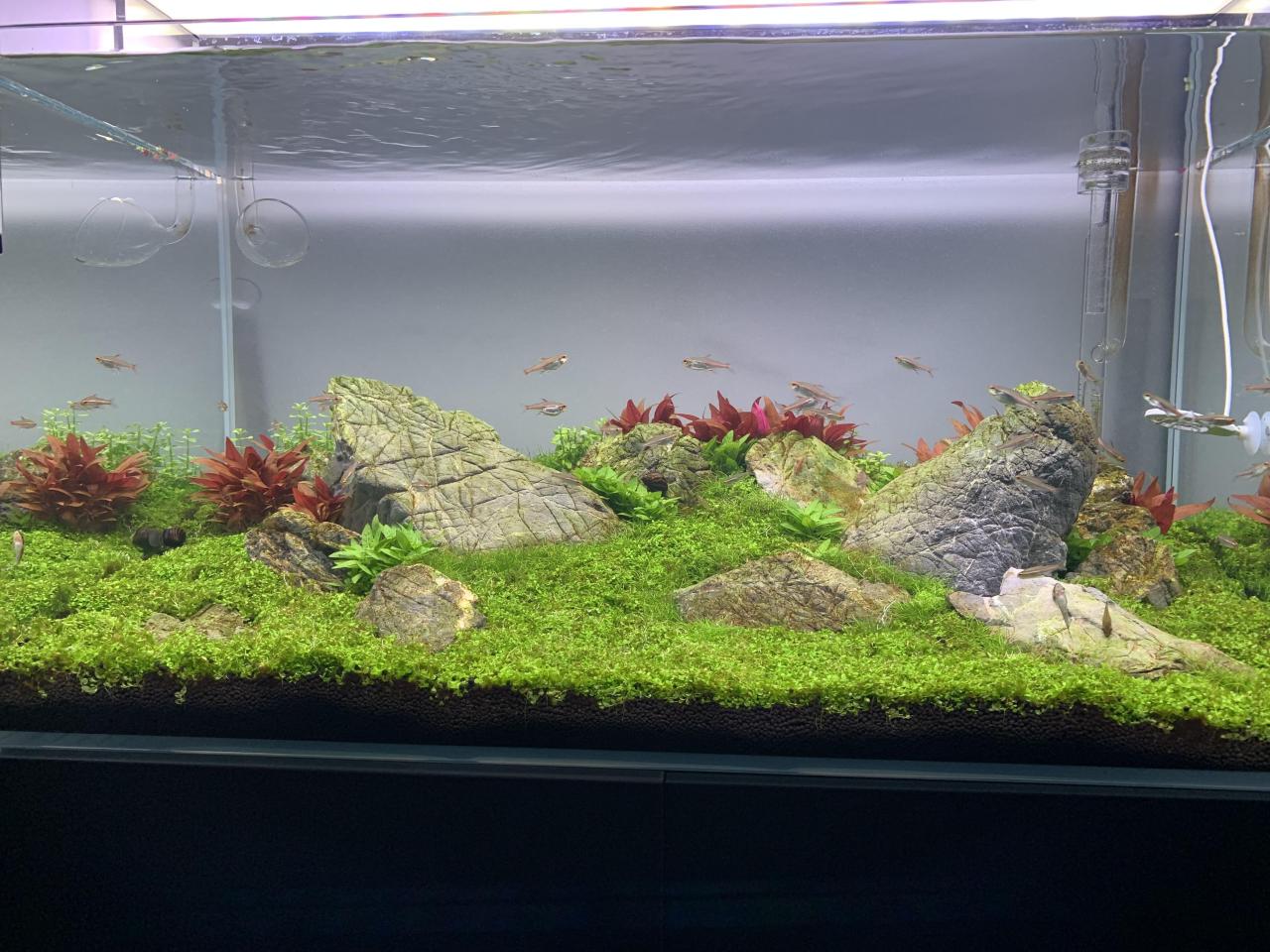
Maintaining an Iwagumi aquascape requires consistent attention to both the aesthetic balance of the stones and the health of the aquatic plants. Proper maintenance routines not only preserve the pristine appearance but also promote healthy plant development that creates a vibrant and natural underwater landscape. Ensuring optimal conditions and addressing common issues promptly are vital to sustaining a thriving Iwagumi setup over time.Regular maintenance involves controlling algae growth, pruning plants, and cleaning the substrate.
Algae can quickly invade and disrupt the visual harmony of the layout, making proactive removal essential. Pruning encourages dense, healthy plant growth and prevents overgrowth that can overshadow the stones or block light. Substrate cleaning helps remove detritus and prevents nutrient buildup that fosters unwanted algae or bacterial issues. These practices contribute to a balanced environment where plants flourish and the stones remain visually prominent.
Algae Control and Substrate Cleaning
Effective algae management is crucial for maintaining the clarity and beauty of an Iwagumi aquascape. Excess nutrients, high lighting, or imbalanced CO2 levels often trigger algae blooms. Regularly monitor the tank’s water parameters and perform partial water changes to dilute nutrients. Use gentle algae scrapers or soft brushes to remove algae from glass surfaces and stones without damaging the aquascape.Substrate cleaning involves carefully siphoning debris and uneaten food to prevent nutrient buildup below the substrate surface.
This process should be done during routine water changes, ensuring the substrate remains clean and free of anaerobic zones that can produce harmful gases. Employing gentle siphoning techniques preserves root zones and prevents disturbance to the carefully arranged stones and plants.
Encouraging Plant Growth for a Lush Environment
A thriving Iwagumi aquascape depends on healthy, vigorous plant growth. To promote this, it’s essential to provide optimal lighting, nutrients, and CO2 supplementation tailored to the specific plant species used. Regular fertilization using comprehensive liquid fertilizers and root tabs supports nutrient uptake and vigorous growth.Strategic pruning enhances plant density and removes old or unhealthy foliage, encouraging new growth that fills out the layout.
Maintaining a balanced environment ensures that plants do not compete excessively for nutrients, preventing die-off and promoting a lush, natural appearance. Ensuring adequate spacing during initial planting allows plants to develop without overcrowding, which can lead to shading issues or stunted growth.
Adjusting Lighting and CO2 for Plant Health
Lighting and CO2 levels are critical factors influencing plant vitality in an Iwagumi tank. Proper lighting intensity and duration support photosynthesis without encouraging excessive algae growth. Typically, 8-10 hours of light per day using high-quality LED fixtures provides sufficient energy for plant growth while minimizing algae risks.Blockquote: “Maintaining a stable CO2 level of around 20-30 ppm is essential for lush plant growth and overall health.” CO2 injection systems should be calibrated to maintain this level, with diffusers placed near the substrate for even distribution.
Adjusting CO2 flow based on plant response and observing for signs of deficiency or excess, such as slow growth or pH swings, is crucial.
Troubleshooting Common Issues
Even with diligent maintenance, issues may arise that require prompt management. Stone displacement can occur due to water flow or during cleaning; gently reposition stones using tools designed for aquascaping, ensuring they remain stable and aesthetically pleasing.Plant die-off may result from nutrient deficiencies, improper lighting, or CO2 fluctuations. Address these by testing water parameters and adjusting fertilization, lighting duration, or CO2 supply accordingly.
Signs of deficiencies include yellowing leaves or stunted growth, which should be corrected rapidly to prevent further decline.In cases of algae outbreaks, reducing light exposure, increasing water flow, and adjusting nutrient levels can help suppress growth. Regularly inspecting the aquascape and promptly addressing issues ensures a long-lasting, healthy Iwagumi environment that remains visually stunning.
Inspiring Examples and Variations of Iwagumi Aquascapes
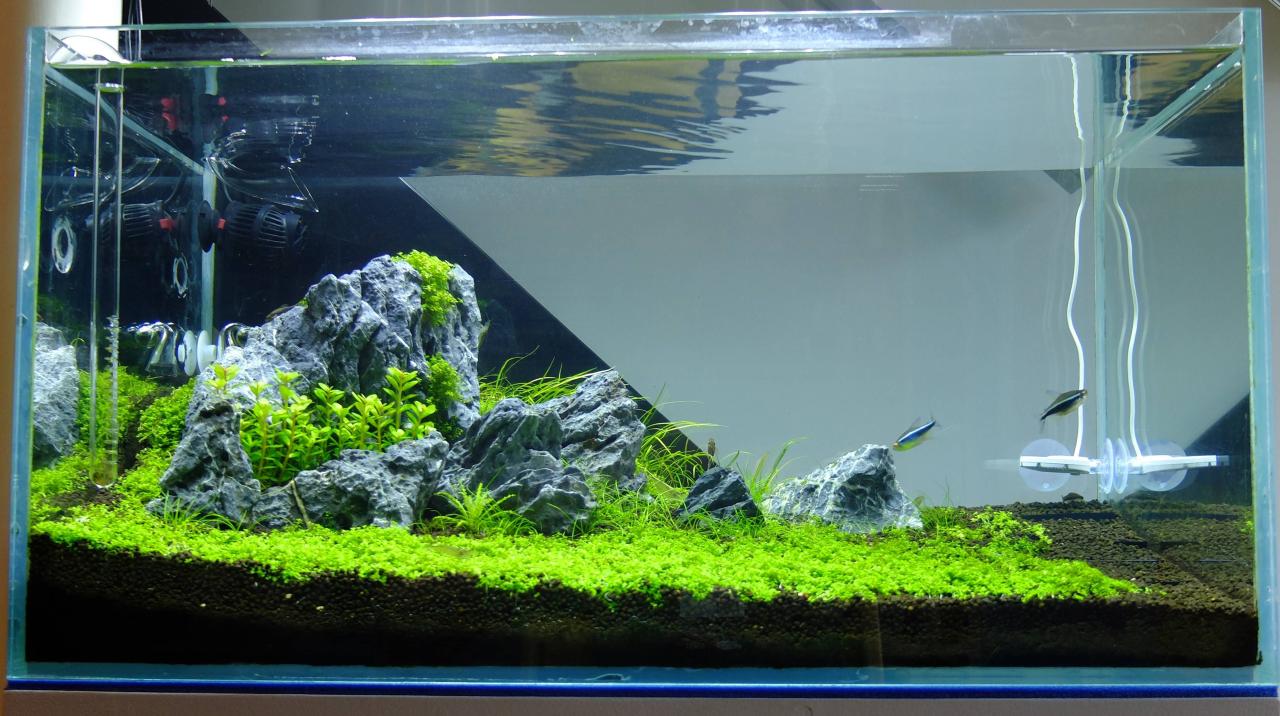
Iwagumi aquascaping is renowned for its minimalist yet striking aesthetic, emphasizing natural stone arrangements, balanced composition, and harmony within the aquatic environment. Exploring various inspiring examples showcases how this style can be adapted and personalized, inspiring aquascapers to craft their own stunning underwater landscapes. Understanding these variations highlights the versatility of Iwagumi and encourages creative expression while adhering to its core principles.
Within this section, we delve into renowned Iwagumi layouts that have gained recognition for their artistic and technical mastery, explore creative adaptations that introduce color contrast and innovative stone placements, discuss the integration of fauna in a harmonious manner, and offer ideas for personalizing designs without compromising the fundamental principles of Iwagumi aquascaping.
Renowned Iwagumi Aquascapes and Their Features
| Name | Features | Notable Aspects |
|---|---|---|
| Takashi Amano’s “Oasis” | Utilizes a central dominant stone with subtle undulations and smaller surrounding stones | Emphasizes simplicity and symmetry, with a focus on balance and natural flow |
| Hideo Omoto’s “Minimal Mountain” | Features a trio of stones representing a miniature mountain range | Creates a sense of depth with layered stones and strategic planting around the stones |
| “Serene Serenity” by an anonymous aquascaper | Simple, symmetrical arrangement of three large stones with contrasting plant textures | Highlights minimalism paired with contrasting colors and textures for visual interest |
| “Majestic Peaks” by a creative aquascaping artist | Multiple stone layers with a prominent central stone and asymmetrical plant placement | Introduces asymmetry while maintaining the overall harmony typical of Iwagumi |
These examples demonstrate how different aquascapers interpret the core principles of Iwagumi, balancing naturalistic stone arrangements with thoughtful planting and space management. Each layout emphasizes harmony, simplicity, and natural flow, serving as inspiration for enthusiasts seeking to replicate or adapt these styles.
Creative Adaptations of the Iwagumi Style
Innovation within Iwagumi allows aquascapers to explore new visual dimensions, including the use of color contrasts, unique stone arrangements, and thematic variations. These adaptations help create personalized aquascapes that retain the essence of Iwagumi while offering fresh visual experiences.
- Color Contrasts: Incorporating plants with vibrant colors such as red-toned alternanthera or orange riccia can elevate the monochrome stone palette, creating focal points and dynamic visual interest.
- Unique Stone Arrangements: Moving beyond traditional S-shaped or triangular placements to include curved or layered stone configurations introduces depth and complexity. For example, stacking smaller stones to mimic natural formations or arranging stones to resemble mountain ridges adds a creative touch.
- Thematic Variations: Adapting Iwagumi to different themes, such as a Japanese-inspired landscape or a rugged mountain scene, can be achieved through strategic stone selection and plant choice, aligning with specific aesthetic visions.
Tip: Use a variety of stone textures and sizes to create contrasting visual elements while maintaining harmony within the layout.
Integrating Fauna Harmoniously within an Iwagumi Layout
Adding fauna to an Iwagumi aquascape not only enhances visual appeal but also brings a sense of life and movement. Proper integration requires careful consideration of the environment to ensure the creatures complement the overall design and do not disrupt the balanced composition.
- Fish Selection: Small, peaceful species such as rasboras, chili rasboras, or small tetras are ideal. Their calm behavior and modest size ensure they do not overshadow the minimalist layout.
- Invertebrates: Amano shrimp, cherry shrimp, or dwarf crabs can add activity and help maintain cleanliness without disturbing the stone and plant arrangement.
- Placement and Behavior: Position fauna where they can interact naturally with the environment, such as near root zones or open spaces. Their movement should complement the spatial balance rather than dominate it.
Important: Always consider the compatibility and environmental needs of fauna to promote healthy, harmonious growth within the aquascape.
Personalizing the Iwagumi Design While Maintaining Core Principles
Personalization involves infusing individual style and creativity into an Iwagumi layout, provided the essential principles—simplicity, harmony, natural flow, and minimalism—are preserved. This balance allows aquascapers to create distinctive, expressive underwater landscapes.
- Color Accents: Introducing subtle color accents through select plant species or fauna can personalize the layout without overwhelming the minimalist aesthetic.
- Stone Selection: Choosing stones with unique textures, shapes, or origins can give a personalized touch while remaining true to the Iwagumi style.
- Theme Incorporation: Embedding a particular theme, such as a mountain scene, riverbed, or desert terrain, through strategic stone placement and plant choice, can make the layout uniquely yours.
- Lighting and Backgrounds: Modifying lighting angles or backgrounds can dramatically change the perception of the aquascape, emphasizing different features and personal preferences.
Guideline: Always keep the fundamental principles of Iwagumi in mind to ensure that personalization enhances rather than detracts from the aesthetic harmony.
Last Recap
In conclusion, mastering the creation of an Iwagumi aquascape involves careful planning, precise placement, and ongoing maintenance to preserve its natural beauty. With patience and attention to detail, you can develop a tranquil underwater paradise that exemplifies the timeless elegance of Japanese aquascaping traditions.