Learning how to create a Nature style aquascape offers a rewarding journey into designing a tranquil and authentic underwater landscape. This style emphasizes harmony with natural ecosystems, integrating plants, rocks, and wood to craft a realistic scene that mimics nature’s landscapes. Whether you are a beginner or an experienced hobbyist, understanding the fundamental principles and techniques involved ensures a captivating and sustainable aquatic environment.
By carefully planning the layout, selecting suitable natural materials, and paying attention to water parameters and lighting, you can create a stunning aquascape that exudes serenity and beauty. The process involves thoughtful arrangement and ongoing maintenance, resulting in a vibrant, balanced ecosystem that enhances any aquatic setting.
Introduction to Nature Style Aquascaping
![Aquascape An Introduction [T A G] | aquascape gallery](https://teknopath.web.id/wp-content/uploads/2025/09/maxresdefault-6.jpg "Aquascape An Introduction [T A G] | aquascape gallery")
Nature style aquascaping is a captivating approach that seeks to replicate natural landscapes within an aquarium setting. It emphasizes harmony, balance, and the realistic portrayal of natural environments, inspiring enthusiasts to craft miniature ecosystems that evoke serenity and beauty. This style has gained widespread popularity among aquarists due to its ability to showcase the intricate beauty of nature in a confined space.
The fundamental principles of Nature style aquascaping revolve around creating a natural-looking scene that mimics landscapes such as forests, mountains, or riverbeds. It encourages the use of a diverse array of aquatic plants, rocks, and wood to simulate the complexities of natural habitats. Achieving this involves understanding the balance of elements, proper spacing, and attention to detail to produce a scene that appears organic and unforced.
Historical Development and Evolution
The origins of Nature style aquascaping can be traced back to traditional Japanese gardening techniques, which influenced the concept of creating landscapes within confined spaces. In the 1990s, the style gained international recognition through the work of aquascapers like Takashi Amano, who pioneered the “Dutch” and “Nature” styles of aquascaping. Amano’s emphasis on simplicity, natural shapes, and the use of minimal yet impactful elements revolutionized the hobby, leading to the modern interpretation of Nature style aquascapes.
Over time, the style has evolved with advancements in aquarium technology, lighting, and plant cultivation techniques. Contemporary aquascapers incorporate elements such as layered textures, subtle color contrasts, and dynamic compositions inspired by natural ecosystems. The style continues to adapt, emphasizing ecological balance and aesthetic harmony, making it a timeless yet ever-changing art form.
Key Elements Defining Nature Style Aquascaping
To successfully create a Nature style aquascape, understanding its core components is essential. These include specific types of aquatic plants, rocks, and woody materials that collectively contribute to the realistic landscape effect. Selecting and arranging these elements with an eye for natural proportions and flow is fundamental to achieving an authentic scene.
- Plants: Native aquatic plants such as Java Fern, Anubias, Vallisneria, and various mosses are commonly used. These plants grow naturally in environments like lakes and rivers, providing lush greenery and textures that mimic natural foliage.
- Rocks: Natural stones such as Seiryu stone, Dragonstone, or slate are popular choices. They replicate geological formations and serve as focal points or structural elements within the landscape.
- Wood: Driftwood and root structures are integral, adding organic shapes and natural complexity. They help establish a sense of scale and create hiding spots for aquatic fauna, enhancing the scene’s realism.
“The harmony of plants, rocks, and wood reflects the authentic landscapes of nature, making the scene believable and soothing.”
Planning and Design of a Nature Style Aquascape
Creating a captivating Nature Style aquascape begins with meticulous planning and thoughtful design. This phase establishes the foundation for a harmonious and authentic underwater landscape that mimics natural ecosystems. By carefully selecting materials, arranging elements to foster a natural flow, and balancing visual weight, aquascapers can craft environments that are both aesthetically pleasing and ecologically sustainable.
Effective planning involves translating the natural landscapes into a submerged setting, considering factors such as layout, plant placement, and focal points. This process ensures that the final aquascape not only looks realistic but also provides a healthy environment for aquatic life. The following step-by-step guide offers a structured approach to designing a stunning Nature Style aquascape, emphasizing natural flow and visual balance.
Step-by-Step Guide for Designing a Natural-Looking Aquascape
- Research Natural Ecosystems: Study various natural habitats such as riverbanks, forests, and mountain streams to gather inspiration. Focus on how plants, rocks, and substrates interact in these environments to replicate their harmony.
- Select a Theme and Layout: Decide on a specific natural setting to depict, such as a lush riverbank or a rocky shoreline. Choose a layout style that complements this theme, like the Iwagumi, Nature Aquarium, or biotope-style design.
- Sketch the Design: Create a rough layout drawing to visualize the placement of major elements. Prioritize the natural flow by positioning taller plants and rocks towards the back or sides, with shorter plants and foreground elements in the front.
- Choose Materials: Select appropriate rocks, wood, and substrates that resemble natural counterparts. Use rocks with irregular shapes and earthy tones, and wood that looks aged and weathered.
- Plan Plant Placement: Distribute plant species according to their growth habits and light needs, ensuring a gradual transition from foreground to background. Incorporate plants that mimic those found in the chosen ecosystem.
- Design for Depth and Perspective: Arrange elements to create a sense of depth, with overlapping objects and varying sizes. This approach enhances the three-dimensional illusion of the aquascape.
- Finalize and Adjust the Layout: Refine the sketch by considering natural asymmetry and irregularities, avoiding overly symmetrical or artificial arrangements. Make adjustments to improve flow and balance.
Organizing a Layout Plan Emphasizing Natural Flow and Balance
Achieving a natural flow in an aquascape involves strategic placement of elements to emulate the unpredictable yet harmonious patterns found in nature. The layout should guide the viewer’s eye through the scene seamlessly, creating focal points and leading lines that mimic the movement of natural water currents or landscapes. Balance is achieved by distributing visual weight evenly across the composition, avoiding clutter or overly sparse areas.
Designing with asymmetry and irregularity enhances realism, as natural environments rarely exhibit perfect symmetry. The layout plan should incorporate a mix of heights, textures, and colors, with elements layered to produce a sense of depth and perspective. This careful organization fosters a dynamic yet cohesive appearance, inviting viewers to explore the scene as if observing a snapshot of nature.
Design Approach Comparison Table
| Materials Needed | Placement Ideas | Tips | Visual Inspiration |
|---|---|---|---|
|
|
|
Visualize a mountain stream, with jagged rocks lining the banks, driftwood scattered along the shoreline, and lush aquatic plants growing in clusters. The composition captures the essence of a wild, untouched environment, with a balanced yet dynamic arrangement that invites exploration. |
|
|
|
Imagine a serene riverbank scene at dawn, where soft light filters through overhanging branches, illuminating moss-covered rocks and delicate grasses growing along the water’s edge. The composition emphasizes organic shapes and natural textures, fostering a peaceful ambiance. |
Selecting and Arranging Natural Materials
Choosing the right natural materials and arranging them thoughtfully plays a crucial role in creating a realistic and harmonious Nature Style aquascape. The materials set the foundation for the landscape’s overall appearance and influence the visual flow, depth, and natural feel of the aquarium. Proper selection and arrangement require an understanding of the characteristics of rocks, wood, and substrate, as well as the artistic principles of landscape mimicry.
In this section, we will explore the key criteria for selecting appropriate natural materials and demonstrate effective methods for arranging these elements to replicate natural terrains such as mountains, rivers, or lush forests. The thoughtful combination of these materials can transform an aquascape into a captivating miniature landscape that embodies the serenity and beauty of nature.
Choosing Appropriate Rocks, Wood, and Substrate
Natural materials are fundamental to establishing the foundation of a Nature Style aquascape. Selecting suitable rocks, wood, and substrate involves considering their physical properties, aesthetic qualities, and compatibility with aquatic life. The goal is to create durable, visually appealing, and ecologically balanced landscapes that mimic natural ecosystems.
- Rocks: Opt for rocks with a natural, weathered appearance, such as granite, basalt, or limestone. They should be stable, pH-neutral or compatible with your aquatic environment, and free from harmful substances or sharp edges that could damage fish or plants. The size and shape should complement the landscape you aim to create, whether rugged mountains, riverbeds, or gentle slopes.
- Wood: Use driftwood or branch-like structures that resemble fallen trees or roots. Select pieces that are free from rot, pests, or chemical treatments. The shape and texture should enhance the natural flow of the landscape, providing hiding spots and anchor points for plants.
- Substrate: Choose a substrate that supports healthy plant growth and reflects natural terrain. Forest soils, mineral-rich substrates, or specialized aquasoils (like clay-based or nutrient-rich substrates) are ideal. The texture should facilitate planting and root stability while avoiding compaction that could hinder water flow or root penetration.
Arranging Natural Materials to Mimic Landscapes
Arranging natural materials involves both artistic vision and ecological consideration, aiming to recreate familiar landscapes such as mountain ranges, river courses, or dense forests. A balanced composition enhances the natural aesthetic and provides functional benefits for aquatic plants and animals.
- Start with a stable base by placing larger rocks or foundational elements to form the primary landscape features. For mountains or hills, position rocks at varying heights and angles to create a sense of depth and realism.
- Use wood to add organic shapes and natural flow. Position driftwood in winding arrangements to simulate fallen trees or roots, ensuring they are anchored securely into the substrate to prevent shift over time.
- Create water channels or riverbeds by arranging stones and gravel in linear formations. Gradually taper the substrate levels to form slopes and banks, enhancing the sense of natural topography.
- Integrate smaller rocks, pebbles, and plantings to fill gaps and add details that mimic natural terrains, such as riverbanks, forest floors, or rocky outcrops.
Examples of Natural Material Combinations for Diverse Styles
Different landscapes evoke unique combinations of natural materials. Here are examples illustrating how various styles utilize rocks, wood, and substrate to achieve their distinctive appearances:
- Mountainous Landscape: Large, rugged granite rocks arranged in clusters to form peaks, with sloped gravel or soil substrates, complemented by driftwood resembling weathered tree roots at the base.
- Riverbed Scene: Smooth river stones or pebbles aligned to create a flowing water effect, with slender, curved driftwood placed diagonally to suggest fallen branches along the banks, and fine sand or gravel as substrate.
- Forest Floor: Mixture of small rocks and organic matter to mimic leaf litter, with tangled pieces of driftwood or root structures, and a dark, nutrient-rich substrate to support dense plant growth.
- Coastal or Beachside: Light-colored sand mixed with coral-like rocks, featuring driftwood shaped by wave action, arranged to simulate drifted timber along the shoreline.
Careful selection and thoughtful arrangement of these natural materials enable aquascapers to craft landscapes that not only resemble their natural counterparts but also provide a thriving environment for aquatic life, enhancing the overall harmony and authenticity of the aquascape.
Plant Selection and Placement for a Nature Style Aquascape
Choosing the right aquatic plants and arranging them thoughtfully is essential for creating a visually authentic and harmonious Nature Style aquascape. Proper plant selection not only enhances the aesthetic appeal but also contributes to a balanced ecosystem that mimics natural aquatic environments. Effective placement ensures that the plants grow healthily while maintaining the layered, natural appearance characteristic of this style.
In natural setups, plants play a vital role in establishing depth, creating focal points, and fostering a sense of realism. Selecting species that thrive under similar environmental conditions simplifies maintenance and encourages healthy growth. The careful arrangement of these plants, considering their growth patterns and interactions, results in a dynamic and sustainable aquatic landscape.
Suitable Aquatic Plants for a Natural Aquascape
Selecting appropriate plants involves understanding their environmental needs, growth habits, and visual impact. The goal is to replicate the diversity and complexity of natural habitats, such as riverbanks or lake beds. The following are commonly used aquatic plants suited for Nature Style aquascaping:
- Foreground Plants: Small, slow-growing species like Dwarf Hairgrass (Eleocharis parvula), which form dense mats and create a lush carpet effect. These plants establish the initial layer and provide a base for other species.
- Midground Plants: Medium-height plants such as Cryptocoryne species or Anubias, which add depth and visual interest. They are often attached to rocks or driftwood, blending seamlessly with the environment.
- Background Plants: Tall, fast-growing species like Vallisneria or Hygrophila, which reach towards the water surface and create a sense of enclosure and perspective.
- Floating and Surface Plants: Species like Frogbit or Water Lettuce that provide shade, reduce algae growth, and mimic natural floating vegetation.
Planting Procedures for a Natural Appearance
Achieving a realistic and natural look requires careful planting techniques that promote healthy growth and proper layering. The following procedures are recommended:
- Preparation: Clean the substrate thoroughly to remove debris and ensure good nutrient contact. Use a nutrient-rich substrate or root tabs beneath the plants to support growth.
- Layering: Begin with background plants, placing taller species at the rear to create depth. Midground plants are positioned centrally, while foreground plants are placed at the front for a lush, carpeted effect.
- Plant Arrangement: Arrange plants in clusters rather than evenly spaced, mimicking natural groupings. Use varying heights and densities to enhance realism.
- Planting Technique: Bury root systems gently into the substrate, avoiding damage to delicate roots. For attached plants like Anubias or Java Fern, fix them onto rocks or driftwood with fishing line or superglue until they establish.
Tip: Incorporate irregular patterns and asymmetry to mirror natural environments, avoiding overly structured arrangements that break the illusion of spontaneity.
Organizing Plant Grouping Strategies
Grouping plants strategically enhances the natural appearance of the aquascape, providing visual cohesion and ecological balance. The table below summarizes typical groupings based on plant type, placement, lighting needs, and growth pattern:
| Plant Type | Position | Lighting Needs | Growth Pattern |
|---|---|---|---|
| Dwarf Hairgrass (Eleocharis parvula) | Foreground | Moderate to high | Slow spreading, forms dense carpets |
| Cryptocoryne spp. | Midground | Low to moderate | Slow grower, rosette shape |
| Vallisneria | Background | Moderate to high | Fast growing, tall, and ribbon-like leaves |
| Water Sprite (Ceratopteris thalictroides) | Floating or surface | High | Rapid growth, can be pruned to control size |
Water Parameters and Maintenance

Creating a healthy and sustainable nature-style aquascape requires careful attention to water quality and ongoing maintenance. Proper water parameters support the growth of aquatic plants, the health of fish and invertebrates, and the overall balance of the ecosystem. Maintaining optimal conditions and employing natural filtration methods are essential to preserve the aesthetic and biological harmony of the aquascape over time.Accurate management of water parameters ensures that the environment closely mimics natural aquatic habitats.
Regular maintenance routines prevent the accumulation of harmful substances, control algae growth, and promote healthy plant development. An emphasis on biological filtration methods helps establish a stable and self-sustaining system, reducing the need for frequent chemical interventions.
Optimal Water Parameters for Natural Aquascapes
Maintaining water parameters within specific ranges is vital for supporting the delicate balance in a nature-style aquascape. These parameters influence plant vitality, fish health, and overall ecosystem stability.
Key water parameters include temperature, pH, hardness, ammonia, nitrite, nitrate, and dissolved oxygen levels. Stable temperatures typically range from 22°C to 26°C (72°F to 78°F), aligning with the natural habitats of many freshwater species. The pH should generally be maintained between 6.5 and 7.5 to favor most aquatic plants and fish, with slight variations depending on the species present. Water hardness, including general and carbonate hardness, affects nutrient availability and plant growth, with a preferred range of 3-8 dGH for most natural setups.
Optimal water parameters: Temperature: 22-26°C, pH: 6.5-7.5, General Hardness: 3-8 dGH, Ammonia/Nitrite: 0 ppm, Nitrate: below 20 ppm, dissolved oxygen: above 5 mg/L.
Routine Water Maintenance and Quality Control
Consistent maintenance routines are imperative for sustaining water quality and ensuring the health of plants and aquatic life.
Daily monitoring involves checking temperature, observing fish behavior, and inspecting for signs of algae overgrowth. Weekly partial water changes of approximately 20-30% help dilute accumulated nutrients and waste products, preventing toxic buildup. During water changes, it is crucial to use dechlorinated water that closely matches the existing temperature and pH to minimize stress to aquatic inhabitants.
Special attention should be given to controlling algae through manual removal, limiting excess nutrients, and managing light exposure. Using natural methods such as introducing algae-eating invertebrates (e.g., nerite snails, Amano shrimp) can significantly reduce algae proliferation without chemical treatments. Regular testing of water parameters with reliable test kits ensures early detection of imbalances, allowing for prompt corrective actions.
Natural Filtration and Biological Balance
Natural filtration systems emphasize biological processes to maintain clarity and quality in the aquascape, aligning with the principles of a nature-style setup.
Biological filtration relies on beneficial bacteria that colonize surfaces such as substrate, plants, and filter media. These bacteria convert harmful substances like ammonia and nitrite into less toxic nitrate, forming a vital component of the nitrogen cycle. Establishing a stable biological balance involves incorporating biological media into filters, ensuring adequate surface area for bacterial colonization, and maintaining stable feeding and maintenance routines.
In addition to biological filtration, incorporating live plants serves as a natural filtration method by absorbing excess nutrients and competing with algae for resources. Promoting a balanced ecosystem minimizes the need for chemical interventions and enhances the visual authenticity of a natural aquascape, fostering a thriving habitat that resembles its wild counterparts.
Lighting and CO2 Systems
Effective lighting and CO2 injection are vital components of a successful Nature Style aquascape. Proper lighting not only enhances the aesthetic appeal by highlighting natural textures and colors but also provides essential energy for healthy plant growth. Similarly, integrating a reliable CO2 system ensures that aquatic plants receive the necessary carbon dioxide for optimal photosynthesis, promoting vibrant and resilient foliage.
Balancing lighting and CO2 systems is key to creating a harmonious environment that supports both the visual aspects and the ecological stability of the aquascape. Selecting appropriate configurations tailored to the specific plant species and tank size will result in a thriving, natural-looking aquatic landscape.
Lighting Setups for Natural Aesthetics and Healthy Growth
Lighting in a Nature Style aquascape should mimic natural sunlight, providing a spectrum that enhances plant coloration and growth without causing algae overgrowth. The setup involves choosing the right type of light, intensity, and duration to achieve a balanced environment.
Key considerations for lighting setup include:
Spectrum
Full-spectrum LED lights that cover wavelengths from 400 to 700 nm, mimicking natural sunlight.
Intensity
Adjusted based on plant types; low-light plants require around 20-40 PAR, while high-light species may need 70-100 PAR.
Photoperiod
Typically 8-10 hours daily, ensuring plants receive sufficient light while preventing algae proliferation.
LED lighting systems are popular due to their energy efficiency, customizable spectrum, and longevity. T5 fluorescent fixtures provide bright, uniform lighting suitable for larger tanks but consume more energy. Metal halide lamps are less common now but provide intense light for advanced aquascapes requiring high light intensity.
CO2 Injection for Plant Vitality
Integrating CO2 injection into a Nature Style aquascape provides plants with a readily available carbon source, essential for robust growth and vibrant coloration. Proper CO2 supplementation enhances photosynthesis efficiency, leading to healthier, denser planting arrangements that resemble natural habitats.
Key aspects for effective CO2 systems include:
Diffusers
Fine bubble diffusers maximize dissolution of CO2 into the water, ensuring even distribution throughout the tank.
Injection methods
Reactors or inline diffusers can be used depending on tank size and setup complexity.
Regulation
Using a CO2 regulator with a solenoid valve allows precise control of CO2 flow, maintaining stable levels and preventing fluctuations that could harm plants or fish.
Common CO2 systems range from pressurized setups with cylinders and regulators to DIY yeast-based systems for small tanks. For larger aquascapes, pressurized CO2 systems with integrated solenoids and bubble counters are preferred for their reliability and ease of adjustment. Properly calibrated CO2 levels typically range between 20-30 mg/L, fostering lush plant growth without stressing aquatic life.
Comparison of Lighting and CO2 System Options
| Aspect | LED Lighting | T5 Fluorescent | Metal Halide |
|---|---|---|---|
| Energy Efficiency | High | Moderate | Low |
| Spectrum Customization | Excellent | Good | Limited |
| Cost | Moderate to High | Moderate | High |
| CO2 Injection Options | |||
| System Type | Pressurized Cylinder | Reactor or Inline Diffuser | Pressurized Cylinder |
| Control Precision | High | High | High |
| Ease of Use | Easy with regulator | Moderate to complex | Easy with regulator |
| Suitability | Medium to large tanks | All tank sizes, especially planted | Large tanks requiring intense light |
Creating Depth and Perspective
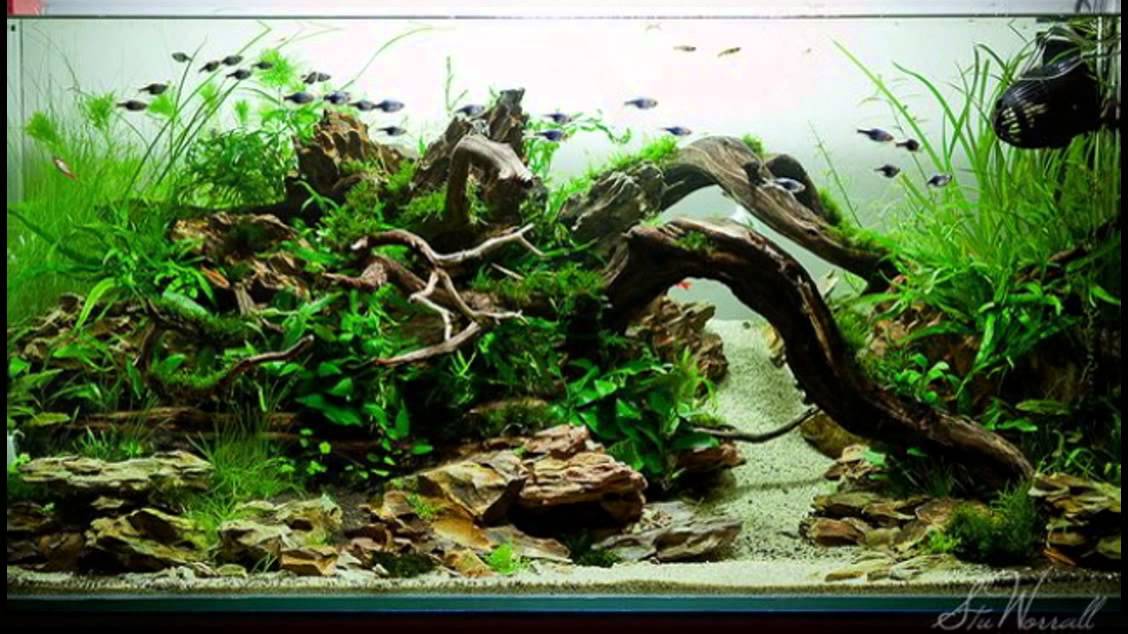
Adding depth and perspective to a nature-style aquascape transforms a flat layout into a visually engaging, three-dimensional scene. Properly layered compositions guide the viewer’s eye through the landscape, creating a sense of realism and immersion. Achieving this effect involves strategic placement of plant groups, natural materials, and color variations to mimic the depth found in natural ecosystems.
In aquascaping, depth is not merely about spatial arrangement but also about creating a dynamic and balanced scene where foreground, midground, and background elements work harmoniously. Mastering these techniques results in an aquascape that feels expansive, inviting, and true to nature’s intricate landscapes.
Layering Techniques to Add Depth
Using a three-tiered layering approach—foreground, midground, and background—is fundamental to creating perspective in an aquascape. Each layer serves a specific visual purpose, contributing to the overall illusion of depth. The foreground features low-growing plants, natural stones, or driftwood to establish a sense of proximity. The midground contains medium-height plants and transitional elements that bridge the foreground and background. The background layers consist of tall plants and scenic elements that recede into the distance, anchoring the scene.
Employing a gradual variation in plant height, size, and density across these layers enhances the perception of depth. For instance, placing smaller, bushy plants in the foreground combined with taller, sparser plants in the background creates a natural perspective similar to that in outdoor landscapes.
Use of Color and Plant Height Variation
Color plays a pivotal role in emphasizing depth; warmer and brighter hues tend to bring elements forward, while cooler, subdued tones recede. Incorporating a range of plant heights—short, medium, and tall—further enhances the three-dimensional effect. Tall plants can be placed at the back, gradually decreasing in height towards the front to simulate distance.
Arrangement practices such as clustering plants and natural materials in irregular, organic patterns mimic nature’s randomness, adding realism. The strategic placement of contrasting colors and textures guides the viewer’s eye through the scene, creating layers that produce a vivid sense of perspective.
| Layer | Elements | Purpose |
|---|---|---|
| Foreground | Low-growing plants, small rocks, driftwood | Establish proximity and create visual interest at viewer’s eye level |
| Midground | Medium-height plants, transitional stones | Connect foreground and background, add depth |
| Background | Tall plants, scenic elements like large rocks or driftwood | Provide a sense of distance and scale, anchor the scene |
“Effective layering mimics natural landscapes, guiding the eye seamlessly through the aquascape.”
Incorporating Natural Accents and Finishing Touches
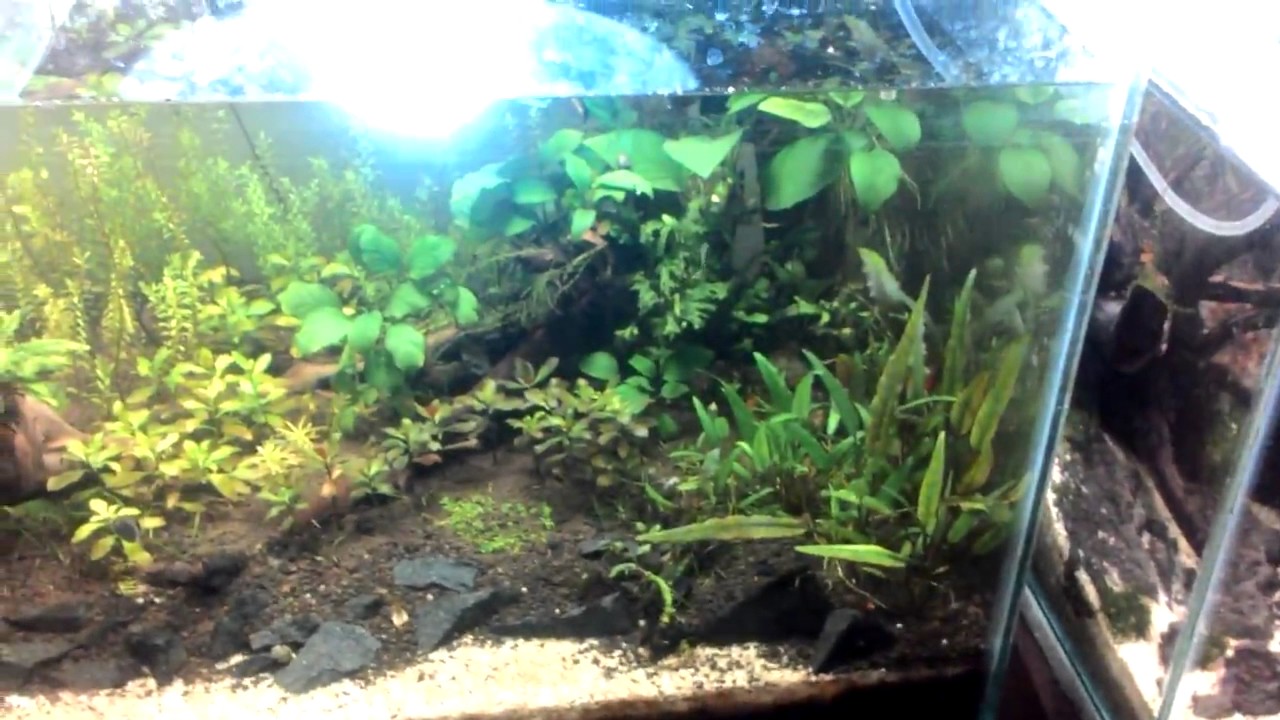
Creating a captivating and authentic Nature Style aquascape involves meticulous attention to the natural elements that enhance its realism and aesthetic appeal. After establishing the foundational layout, selecting plants, and ensuring water parameters are optimal, the final step is to introduce natural accents and finishing touches that breathe life into the scene. These accents not only elevate visual interest but also contribute to the overall harmony and balance of the aquascape, making it more inviting and true to nature.Integrating natural accents seamlessly into the aquascape requires thoughtful placement and an understanding of ecological relationships.
Elements such as moss, driftwood, and stones should be positioned to mimic their natural environments, ensuring they do not appear artificially inserted. The goal is to create a cohesive scene where each component complements the others, establishing depth, texture, and contrast. Proper anchoring techniques, like tying moss to driftwood or embedding stones partially into the substrate, help secure these accents firmly while maintaining their natural appearance.
Additionally, adjusting lighting and perspective can highlight these features, emphasizing their authenticity.
Natural Accents and Their Placement
The selection and placement of natural accents play a vital role in achieving an authentic Nature Style aquascape. Here are some examples of natural accents and strategic placement considerations:
- Moss: Often used to cover driftwood or rocks to simulate lush, aged vegetation found in riverbanks or forest floors. It can be attached using fishing line or plant glue, ensuring it adheres securely while allowing for natural draping and spreading over time.
- Driftwood: Positioned to serve as focal points or to create visual pathways. Large pieces can be placed at the background or corner areas, providing a natural anchor for plants and moss, and simulating fallen branches in a natural setting.
- Stones and Rocks: Arranged to form natural-looking banks, caves, or undersea formations. Piling stones at varying heights can create a sense of depth and dimension, with smaller stones filling gaps to add detail.
- Leaves and Twigs: Small dried twigs or leaf fragments can be scattered subtly within the substrate or among plants to mimic fallen debris and add organic complexity.
- Shells or Natural Debris: In coastal or riverine aquascapes, shells or pebbles can be incorporated to enhance authenticity and provide microhabitats for beneficial microorganisms.
Proper placement involves imagining the scene from a viewer’s perspective, ensuring that accents appear natural and unforced. For example, moss draped naturally over a piece of driftwood that extends toward the foreground can create a sense of depth, while stones arranged to form a gentle slope can lead the eye through the aquascape. Regular adjustments and observation during the setup process help refine these placements, resulting in a harmonious and realistic underwater landscape.
Showcasing and Maintaining the Aquascape
Creating an eye-catching and harmonious Nature Style aquascape requires not only meticulous setup but ongoing care and presentation. Proper showcasing allows the beauty of the aquascape to be fully appreciated, while consistent maintenance ensures its natural appeal endures over time. Effective documentation and thoughtful care routines are essential for preserving the serenity and health of your underwater landscape.Maintaining the aquascape involves regular monitoring, cleaning, and adjustments to keep the environment thriving and visually appealing.
This ongoing process supports plant health, prevents algae overgrowth, and sustains the natural aesthetic that forms the core of Nature Style aquascaping. Moreover, seasonal adjustments and long-term strategies play vital roles in adapting the aquascape to changing environmental conditions and ensuring its continued vibrancy.
Photographing and Documenting the Aquascape Effectively
Capturing the beauty of a Nature Style aquascape requires thoughtful photography that highlights its depth, texture, and natural elements. Use a high-quality camera with macro capabilities for close-up details of plants and natural accents, and a wide-angle lens to incorporate the full scene. Lighting conditions are crucial; shoot during natural daylight or when the aquarium lighting is at its optimal, avoiding reflections and glare that can obscure details.When documenting the aquascape’s development, take consistent shots from the same angles and under similar lighting conditions to track growth, changes, and seasonal variations.
Consider creating a photographic timeline or portfolio to visually demonstrate the progress and evolution of your aquascape, which can serve as both inspiration and a record for future enhancements.
Ongoing Maintenance Routines to Preserve the Natural Look
Maintaining the natural appearance of an aquascape involves a combination of routine cleaning, plant trimming, and water quality management. Regularly remove debris, algae, and dead plant material to prevent clutter and maintain clarity. Perform partial water changes weekly or biweekly, typically replacing 10-20%, to sustain optimal water parameters and prevent nutrient buildup.Consistent pruning of plants encourages healthy growth and maintains the intended layout and perspective.
Check and adjust filtration systems to ensure they operate efficiently without disturbing the natural aesthetics. Use gentle tools such as soft brushes and siphons to clean glass surfaces and substrate, avoiding harsh chemicals that could harm aquatic life or disrupt the natural look.
Seasonal Adjustments and Long-term Care Strategies
Adapting your aquascape to seasonal changes ensures its health and aesthetic integrity over the years. During colder months, reduce lighting and nutrient dosing to prevent unwanted algae growth, while increasing circulation to prevent stagnation. Conversely, in warmer seasons, enhance aeration and monitor temperature closely, adjusting lighting durations to mimic natural sunlight cycles.Develop a long-term care plan that includes periodic soil replenishment, replanting to replace aging or overgrown flora, and inspecting equipment for wear or malfunction.
Introducing seasonal accents such as natural driftwood, stones, or specific plant varieties can refresh the scene and emphasize the natural landscape. Regularly reviewing water parameters and adjusting fertilization schedules support the sustained vitality of plants and aquatic life.
Final Summary
In conclusion, mastering how to create a Nature style aquascape combines artistic vision with ecological harmony, producing a mesmerizing underwater scene that reflects the beauty of the natural world. With patience and attention to detail, you can develop an aquascape that remains vibrant and healthy over time, offering both aesthetic pleasure and a thriving habitat for aquatic life.