Learning how to glue plants to rocks opens up a world of creative possibilities for enhancing gardens, terrariums, and decorative arrangements. This technique allows for the seamless integration of natural elements, resulting in visually appealing and durable displays that can elevate the aesthetic of any space.
Attaching plants securely to rocks involves carefully selecting suitable plant types, preparing the rocks and plants properly, and choosing the appropriate adhesive to ensure long-lasting results. Understanding these essential steps helps create stable, beautiful arrangements that thrive over time.
Introduction to Gluing Plants to Rocks
Attaching plants to rocks is a sophisticated technique used to create natural, visually appealing displays in various settings, from miniature landscapes to decorative garden features. This method enhances the aesthetic appeal by simulating organic growth patterns, where plants appear as if they have naturally taken root on rocky surfaces. Such arrangements often serve as focal points in outdoor gardens, terrariums, or artistic installations, offering a harmonious blend of flora and geological elements.
The primary goal of gluing plants onto rocks is to achieve a stable attachment that allows the plant to thrive while maintaining an attractive appearance. This approach is especially popular in creating miniature ecosystems, rock gardens, or moss art installations, where the integration of plant life with rocky terrains adds depth and realism. The process requires careful selection of materials and precise application techniques to ensure the health of the plants and the durability of the attachment.
Common Materials Used in Gluing Plants to Rocks
Utilizing the right materials is essential for successful plant-to-rock adhesion, ensuring both longevity and health of the plants. The selection process involves considering the environmental conditions, type of plant, and the nature of the rock surface. Here are the most commonly used materials:
| Adhesive Types | Description |
|---|---|
| Silicone Sealant | This flexible, waterproof adhesive is ideal for attaching plants such as epiphytes or mosses to rocks, especially in terrarium environments. It adheres well to various surfaces and allows slight movement without breaking the bond. |
| Hot Glue | Hot glue guns provide quick-setting adhesive suitable for lightweight plants or temporary arrangements. However, this method may not be durable long-term or suitable for all plant types, particularly those requiring moisture retention. |
| Epoxy Resin | Epoxy offers a strong, durable bond capable of withstanding outdoor conditions. It is preferable for permanent installations but requires careful handling to avoid contact with plant roots and to prevent damage. |
| Plant-Safe Adhesives | Specialized adhesives formulated specifically for botanical applications are available, offering a balance between adhesion strength and plant safety. These are often water-based and non-toxic, designed to support healthy plant growth. |
Important: The choice of adhesive should prioritize the health of the plant by avoiding toxic substances and ensuring flexibility to accommodate plant growth and environmental changes.
Types of Plants Suitable for Gluing to Rocks
When considering plants for attachment to rocks using adhesives, it is essential to select species that can thrive with minimal soil contact and possess root structures conducive to stable attachment. Proper selection ensures both plant health and aesthetic appeal, creating a natural-looking and durable arrangement.
Not all plants are suitable candidates for gluing; certain characteristics such as root system size, moisture requirements, and growth habits influence their compatibility with adhesive methods. Plants with shallow, fibrous roots and low water needs are generally ideal. In contrast, plants with extensive root systems or high moisture demands may struggle to establish or survive when glued to non-soil environments.
Suitable Plant Types for Gluing
The following plant categories are well-suited for secure attachment to rocks using appropriate adhesives. These plants typically have root structures and environmental needs that align with adhesive-based anchoring, allowing for a successful integration into rock arrangements.
- Succulents: Succulents like Echeveria, Sedum, and Aloe are excellent choices due to their low moisture requirements, shallow root systems, and ability to thrive in well-drained conditions. Their thick leaves and compact roots facilitate quick stabilization when glued onto rocks.
- Moss: Various moss species, such as sheet moss or cushion moss, naturally grow on rocks and other surfaces. Their fine root-like structures, called rhizoids, anchor them securely, making them ideal for gluing onto vertical or uneven surfaces for a lush, green appearance.
- Small Ferns: Certain small fern varieties, including maidenhair ferns or spleenworts, possess fibrous roots that can attach to rocky surfaces. Their preference for shaded, moist environments means they need consistent moisture, but their root structures are compatible with adhesive methods.
Characteristics Making Plants Suitable for Gluing
Understanding the traits that contribute to a plant’s suitability for adhesive attachment ensures a successful and sustainable arrangement. Key characteristics include root structure, moisture needs, growth habit, and overall resilience to environmental stresses.
Root Structure: Plants with fibrous, shallow roots are more likely to establish quickly and securely when glued, as their roots can spread across the rock surface without extensive soil contact.
Moisture Requirements: Plants with low to moderate water needs are preferable, as excessive moisture can lead to mold or decay in glued arrangements. Succulents and mosses exemplify this trait.
Growth Habit: Compact, slow-growing plants tend to remain stable over time, reducing the risk of dislodging. Trailing or creeping plants can also be suitable if they are anchored securely and receive appropriate support.
Resilience: Plants that tolerate dry, shaded, or exposed conditions are better suited for glued arrangements, especially in outdoor environments where environmental variables are less controllable.
Plant Compatibility Table for Gluing Methods
| Plant Type | Light Requirements | Water Needs | Adhesive Compatibility |
|---|---|---|---|
| Succulents | Full sun to partial shade | Low; infrequent watering | Excellent; shallow roots anchor easily |
| Moss | Partial to full shade | High humidity, moist environment | Excellent; rhizoids help attachment |
| Small Ferns | Shade to partial shade | Moderate; requires consistent moisture | Good; fibrous roots adapt well to glued surfaces |
| Miniature Ivy | Partial to full shade | Moderate; prefers moist soil | Fair; trailing habit may need additional support |
Choosing the right plants based on these characteristics and compatibility considerations ensures a durable and visually appealing rock garden or decorative arrangement. Properly selected plants will establish quickly and maintain their health over time, even in challenging environments.
Selecting the right rocks for plant attachment
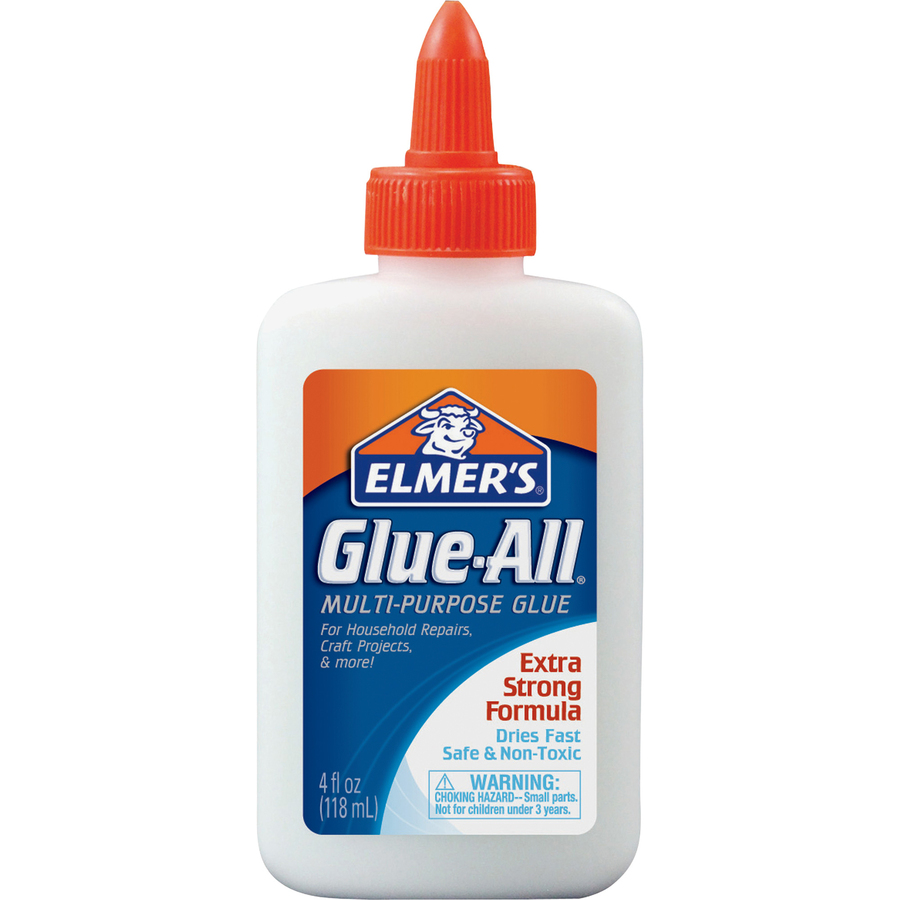
Choosing the appropriate rocks for attaching plants is a crucial step in creating stable and visually appealing arrangements. The right selection ensures that the plants can thrive securely while also complementing the overall aesthetic of the display or garden setting. Properly selected rocks provide not only physical support but also contribute to the natural harmony of the composition.
When selecting rocks for gluing plants, several key criteria must be considered, including shape, surface texture, and size. These factors influence the stability of the plant attachment, the ease of application, and the visual integration with the surrounding environment. Additionally, preparing the rocks through cleaning and proper treatment enhances adhesion and longevity of the setup, preventing issues such as mold, dirt, or unwanted residues that could compromise the bond.
Criteria for choosing appropriate rocks
Determining the suitability of rocks involves evaluating their physical characteristics to ensure they support both the plant and the aesthetic goals of the arrangement. The selected rocks should exhibit certain qualities to facilitate a durable and harmonious attachment.
- Shape: Rocks with flat or gently curved surfaces provide a stable platform for gluing plants. Flat surfaces allow for better contact and adhesion, reducing the risk of slipping or detachment. Rounded or irregularly shaped rocks may require additional modifications or supports.
- Surface Texture: The texture of the rock affects the bonding strength of the adhesive. Rough surfaces offer increased grip for glues, such as epoxy or plant-safe adhesives, compared to smooth, polished surfaces which might require surface roughening for better adhesion.
- Size: The size of the rock should be proportionate to the plant being attached. Larger rocks offer greater stability but may overshadow smaller plants. Conversely, smaller rocks are suitable for delicate or miniature plants but must be stable enough to support the plant’s weight.
In selecting rocks, it is advisable to test the bonding surface by applying a small amount of glue to ensure proper adhesion before proceeding with the full attachment. This step prevents wastage and allows adjustments for optimal stability.
Cleaning and preparing rocks
Effective cleaning and preparation of rocks are essential to maximize adhesion and prevent future issues such as mold, dirt accumulation, or contamination that could weaken the bond or harm the plant. Proper preparation involves removing any substances that may interfere with the glue or compromise the appearance of the final arrangement.
Cleaning Method: Use a stiff brush and water to scrub off dirt, loose debris, and organic matter. For stubborn residues, mild detergents or vinegar solutions can be employed, followed by thorough rinsing to eliminate soap residues.
Surface Roughening: For smooth or polished rocks, lightly sanding the surface with fine-grit sandpaper creates micro-roughness that enhances adhesive grip. This step is particularly important when using adhesives like epoxy or cyanoacrylate.
Drying: Ensure the rocks are completely dry before applying glue. Moisture can weaken adhesive bonds and lead to detachment over time. Air drying or wiping with a clean cloth are effective methods.
Additionally, inspecting the rocks for any cracks or sharp edges allows for smoothing or selecting alternative pieces to ensure safety and stability. Properly prepared rocks not only foster a stronger bond but also contribute to a cleaner, more professional-looking finished arrangement.
Selecting rocks that ensure stability and aesthetic harmony
The ultimate goal in choosing rocks for plant attachment is to achieve a balance between stability and visual appeal. The selected rocks should support the plant securely while blending seamlessly into the overall design, whether naturalistic or artistic.
Stability considerations include selecting rocks with a low center of gravity, broad bases, and appropriate weight distribution to prevent tipping. For aesthetic harmony, the rocks should complement the plant’s color, texture, and growth habit, creating a unified and pleasing appearance. For example, smooth, rounded stones may be ideal for delicate plants, while rugged, textured rocks suit more robust or wild-looking arrangements.
Combining different sizes and shapes can also add visual interest and natural diversity.
To enhance stability, positioning rocks on even, level surfaces and ensuring their contact points are maximized through surface preparation and proper adhesive application is vital. Careful selection and preparation of rocks ultimately lead to durable, attractive plant arrangements that stand the test of time and environmental conditions.
Preparing Plants and Rocks Before Attachment
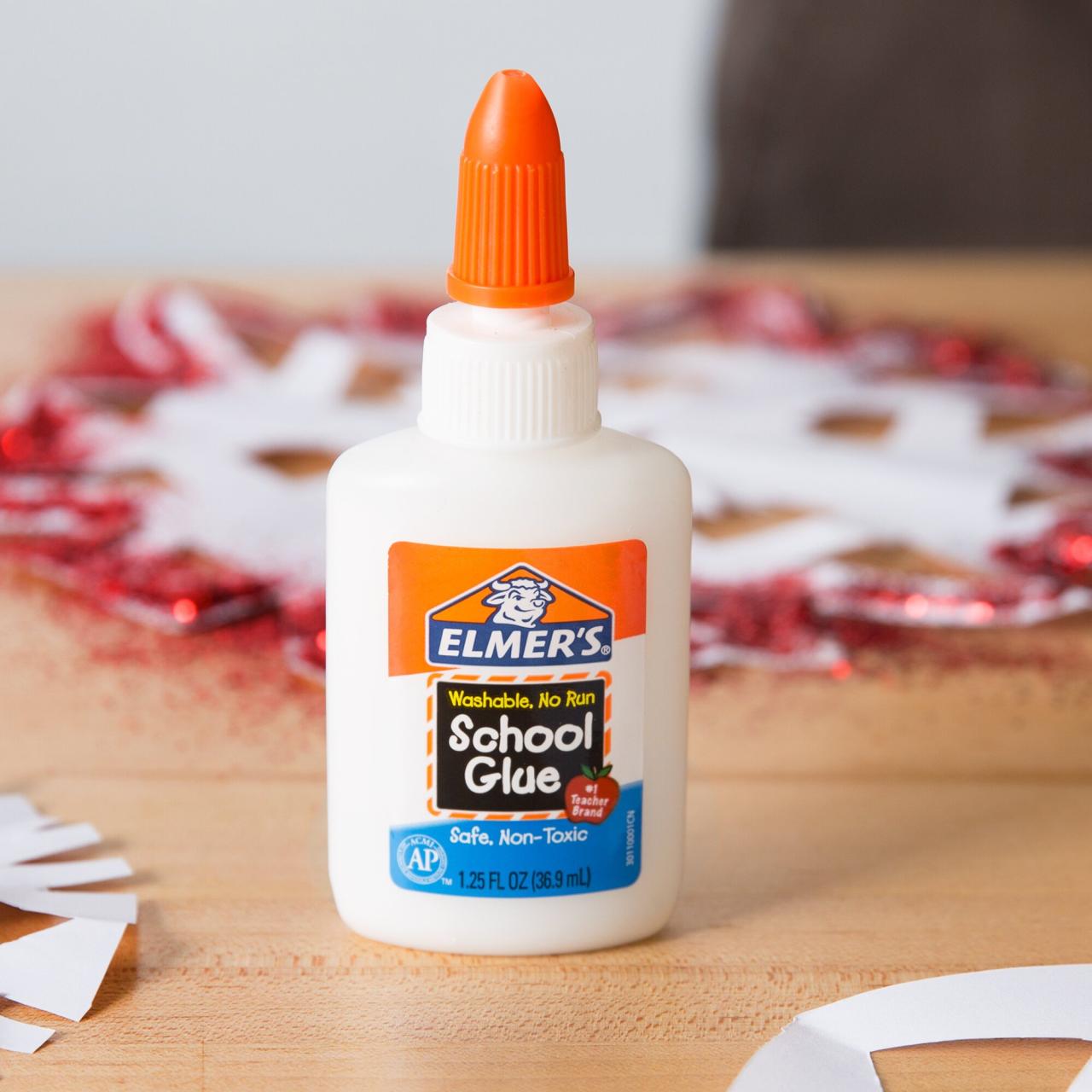
Proper preparation of both plants and rocks is essential to achieve a secure and lasting bond when gluing plants to rocks. This initial step ensures that surfaces are clean, plant roots are in optimal condition for adhesion, and handling is safe and controlled. Taking the time to carefully prepare each component can greatly influence the success and durability of your project, resulting in a natural and aesthetically pleasing display.Effective preparation involves meticulous cleaning of the rocks to remove dust, dirt, and any loose debris that could interfere with the adhesive bond.
Simultaneously, it’s important to prepare the plants, especially their roots, to ensure they are receptive to adhesion and can establish a stable connection with the rock surface. Proper handling techniques during the process also help prevent damage to delicate plant tissues and ensure safety throughout.
Cleaning and Drying Rocks
The foundation of a successful attachment begins with thoroughly cleaning the rocks. Dust, dirt, and residual debris can compromise the adhesive’s ability to bond firmly, leading to potential detachment over time. Use the following steps to prepare your rocks:
- Rinse the rocks with clean water to remove loose dirt and dust. For stubborn residues, scrub gently with a soft-bristled brush or a sponge, avoiding abrasive tools that could scratch or damage the surface.
- If necessary, soak the rocks in a mild detergent solution for 10-15 minutes to loosen any stubborn grime or organic material. Rinse thoroughly with water afterward to remove all soap residues.
- Allow the rocks to air dry completely in a well-ventilated area. Ensuring the surface is dry prevents moisture from interfering with the adhesive, which is crucial for a strong bond.
- For porous or irregular rocks, consider wiping the surfaces with isopropyl alcohol to remove oils or residues that may inhibit adhesion. Let the rocks dry fully before proceeding.
Dry, clean surfaces are vital to maximize the effectiveness of the adhesive, ensuring a secure and professional-looking attachment.
Preparing Plant Roots for Adhesion
The roots of the plants are the primary contact points for gluing, making their preparation a critical step. Proper handling and conditioning of roots help promote better adhesion and healthier plant establishment after attachment.The following practices are recommended:
- Inspect the roots carefully, removing any damaged or decayed portions with clean, sharp scissors or pruning shears. Healthy roots are firmer and more receptive to adhesion.
- Trim excess roots if they are excessively long or tangled. Shorter, clean-cut roots tend to adhere more effectively and facilitate easier handling.
- If the roots are dry or brittle, moisten them lightly with water or a dilute rooting hormone solution. This not only improves flexibility but also encourages root growth post-attachment.
- For delicate or particularly thin roots, handle gently to avoid breakage. Use tweezers or gloves if necessary to maintain a firm grip without damaging the tissues.
Moistening roots can enhance adhesive contact and promote quicker establishment of the plant on the rock surface, contributing to a more natural integration.
Safe Handling of Plants During Gluing
Handling plants carefully during the gluing process reduces the risk of damage and ensures a precise placement. Employing proper techniques enhances both safety and the quality of the finished project.Consider the following tips:
- Use gentle tools such as tweezers or forceps to position small or fragile plants, minimizing direct contact with delicate tissues.
- Wear gloves to prevent transferring oils or dirt from your hands onto the plant or the adhesives, which could weaken the bond or harm the plant.
- Support the plant at its base while applying glue, avoiding undue pressure on the stems or leaves that may cause breakage or deformation.
- Work in a well-lit, stable environment to prevent accidental slips or misplacements during the gluing process.
- Hold the plant in place for a few seconds after applying the adhesive to ensure the bond begins to set before adjusting or releasing it.
Handling with care not only protects the plant’s delicate structures but also ensures a precise, secure attachment that supports healthy growth and aesthetic appeal.
Choosing the Appropriate Adhesive for Attaching Plants to Rocks
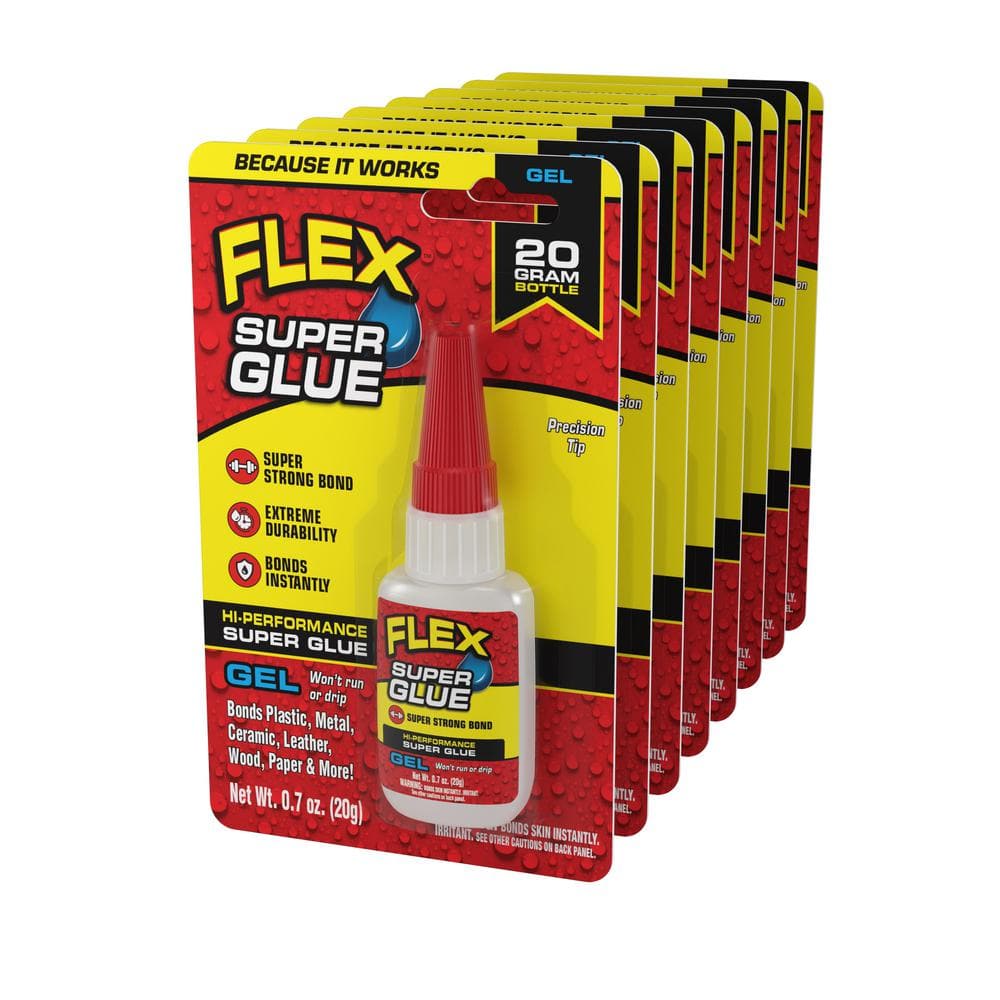
Selecting the right adhesive is a crucial step in ensuring a secure and healthy attachment of plants to rocks. The adhesive must not only provide a strong bond but also be safe for the plants and durable over time. Different adhesives offer varying advantages depending on the specific plants, rocks, and environmental conditions involved. Making an informed choice will promote plant health while achieving a natural and lasting presentation.
The ideal adhesive for gluing plants to rocks balances strength, flexibility, safety, and ease of application. It is essential to understand the properties of common adhesives and how they perform in the context of plant and rock attachment. Factors such as curing time, bond durability, and plant safety are vital considerations in selecting the most suitable adhesive for your project.
Common Adhesives Suitable for Attaching Plants to Rocks
Several adhesives are widely used in horticultural and craft applications to attach plants to rocks. The choice depends on the type of plant, the environment, and your specific needs. Here are some of the most common options:
- Hot Glue: Widely accessible and easy to use, hot glue provides quick bonding and is suitable for lightweight or small plants. However, it tends to be less durable in outdoor conditions and can become brittle over time.
- Epoxy: Known for its strong and durable bond, epoxy is a two-part adhesive that sets quickly and resists environmental wear. It is suitable for heavier plants or outdoor displays but requires careful handling and adequate curing time.
- Plant-Safe Glues: Specially formulated glues designed for horticultural use, such as grafting adhesives or botanical glues, are formulated to be safe for living tissues. These glues typically have flexible bonds and are non-toxic once cured, making them ideal for delicate or sensitive plants.
Comparison of Adhesive Types
Understanding the differences between these adhesives can help in selecting the most appropriate option for your project. The following table summarizes essential properties such as setting time, flexibility, and safety for plants:
| Adhesive Type | Setting Time | Flexibility | Safety for Plants |
|---|---|---|---|
| Hot Glue | Seconds to 1 minute | Low; tends to become brittle | Generally safe if used carefully; avoid direct contact with roots |
| Epoxy | 5 to 30 minutes (depending on formulation) | Moderate; becomes rigid but can be flexible with specific formulations | Safe once cured; avoid contact during curing process |
| Plant-Safe Glues | 10 to 30 minutes | High; designed to remain flexible | Highly safe; non-toxic and compatible with living tissues |
Note: When working with adhesives, always follow manufacturer instructions and ensure thorough curing before exposing plants to environmental stressors.
Step-by-step Procedures for Gluing Plants to Rocks
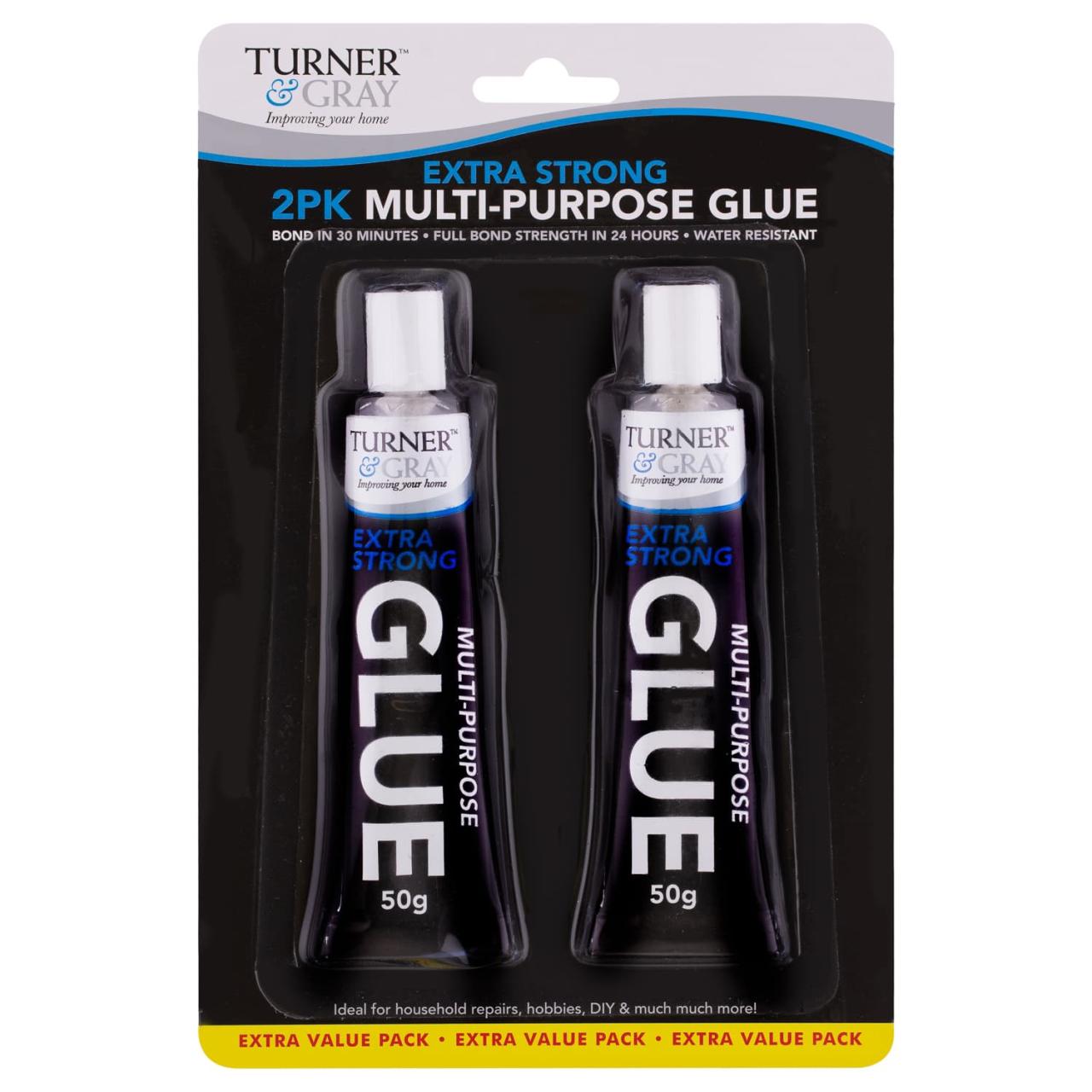
Attaching plants to rocks with precision and care ensures a secure bond, a natural appearance, and the longevity of the arrangement. Following a systematic approach minimizes potential issues such as plant dislodgement or damage, and promotes healthy growth post-attachment. The following steps are designed to guide you through the meticulous process of gluing plants securely onto rocks, with attention to detail at each stage.
Proper adhesion involves careful preparation, application, and curing to achieve optimal results. It is essential to understand the correct techniques and environmental considerations to ensure that the plants are firmly affixed and can thrive in their new environment.
Applying Adhesive Evenly to Roots or Contact Points
Achieving a uniform distribution of adhesive is crucial for a strong, lasting bond. An uneven application can lead to weak spots or excess adhesive that may interfere with plant health or aesthetics. Use a fine-tipped applicator, such as a toothpick or small spatula, to control the amount and placement of the adhesive. Dip the tip into the adhesive and gently apply it directly to the roots or contact points where the plant will touch the rock.
Ensure that a thin, even layer of adhesive covers the contact surface without excess, which can seep out and create an unsightly appearance or interfere with plant growth.
Correct Positioning of Plants on Rocks
Positioning plays a vital role in both the visual appeal and stability of the glued plant. Place the plant so that its roots or contact points are firmly pressed against the surface of the rock. Adjust the plant to achieve a natural stance, considering the overall composition and aesthetic harmony of your arrangement. Secure the plant gently but firmly in place, ensuring it does not topple or shift during the curing process.
For better stability, position the plant slightly at an angle that promotes root contact and natural growth direction, avoiding overly upright or unnatural placements that could compromise adhesion or plant health.
Tips on Curing Time and Environmental Conditions
Allow sufficient curing time for the adhesive to set and bond effectively. Most adhesives require 24 to 48 hours under stable conditions to reach full strength. During this period, keep the arrangement in a sheltered, stable environment that minimizes disturbance and exposure to harsh elements such as direct sunlight, wind, or excessive moisture.
Maintaining optimal environmental conditions—moderate temperatures, low humidity, and minimal air movement—helps the adhesive cure evenly and prevents premature detachment or mold development. If indoors, place the arrangement in a shaded area or a controlled environment; outdoors, shield it from direct sunlight and strong winds using a cover or temporary shelter.
Procedural Table for Gluing Plants to Rocks
| Step | Action | Details |
|---|---|---|
| 1 | Prepare the workspace | Choose a clean, flat surface with good ventilation. Gather all necessary materials including adhesive, applicators, and protective gear. |
| 2 | Clean the rock and plant roots | Remove dirt, debris, and excess moisture to ensure better adhesion. Use a soft brush or cloth for cleaning. |
| 3 | Apply adhesive to contact points | Use a fine applicator to spread a thin, even layer of adhesive onto the roots or contact surfaces of the plant. |
| 4 | Position the plant on the rock | Gently press the roots or contact points onto the prepared surface, ensuring firm contact and correct orientation for aesthetics and stability. |
| 5 | Secure the plant temporarily | If necessary, use gentle supports or weights to hold the plant in place while the adhesive cures. |
| 6 | Allow curing time | Maintain the arrangement undisturbed in optimal environmental conditions for at least 24-48 hours until fully cured. |
| 7 | Final inspection and adjustments | After curing, check the stability of the plant. Make gentle adjustments if needed, and ensure there is no excess adhesive visible. |
Tips for ensuring successful attachment and long-term stability
Achieving a secure and lasting bond between plants and rocks requires careful attention to application techniques, environmental considerations, and ongoing maintenance. Properly reinforced attachments not only enhance the aesthetic appeal but also promote healthy plant growth and durability over time. Implementing these tips can significantly improve the success rate of your plant-rock arrangements and ensure they remain vibrant and intact for years to come.A combination of supportive methods, appropriate environmental management, and diligent maintenance practices can address common challenges such as detachment, plant stress, and environmental degradation.
By focusing on these aspects, you can create a resilient setup that withstands natural elements and provides a healthy environment for your plants to flourish.
Methods to Reinforce Adhesion
Reinforcing the adhesion between plants and rocks is essential for long-term stability, especially in outdoor environments exposed to varying weather conditions. Several strategies can be employed to enhance bond strength and provide additional support:
- Layered Adhesives: Using a combination of adhesives can improve overall bond strength. For example, applying a base coat of a flexible, weather-resistant glue followed by a stronger adhesive layer can accommodate minor movements caused by temperature fluctuations.
- Supports and Anchors: Incorporating physical supports such as plant stakes, wire supports, or mesh can provide additional stability. These supports can be discreetly tied or embedded into the soil or substrate, offering a mechanical aid alongside adhesive bonds.
- Protective Sealants: Applying a clear, waterproof sealant over the bonded area can shield the adhesive from moisture ingress, which can weaken bonds over time.
Adding supports or using specialized adhesives ensures that even in adverse conditions, the plants remain firmly attached and protected from detachment caused by wind, water, or minor physical impacts.
Environmental Factors Influencing Adhesion Success
Environmental conditions play a crucial role in the adhesion process and the longevity of the attachment. Understanding how factors like humidity, temperature, and sunlight affect the bond can guide you in making suitable choices and timing your work appropriately:
- Humidity: Excess moisture in the air can interfere with the curing process of some adhesives and may cause the bond to weaken or fail. It’s advisable to apply adhesives during dry weather conditions and allow sufficient curing time before exposing the setup to rain or high humidity.
- Temperature: Extreme temperatures can alter the adhesive’s properties. Cold weather may slow down curing, whereas excessive heat can cause adhesives to soften or become less effective. Optimal application temperatures typically range between 10°C and 30°C (50°F to 86°F).
- Sunlight Exposure: Prolonged direct sunlight can cause certain adhesives to degrade or lose adhesion quality over time. Using UV-resistant adhesives or applying protective coatings can mitigate this effect, ensuring enduring stability.
Monitoring these environmental factors and timing your work accordingly can significantly enhance adhesion success and prolong the lifespan of your plant-rock arrangements.
Maintenance Practices for Long-term Stability
Ongoing maintenance is vital to ensure that plants remain securely attached and healthy as time progresses. Regular inspections and proactive care can prevent issues such as detachment, mold growth, or plant stress:
- Periodic Inspection: Routinely check the bonded areas for signs of loosening, cracking, or damage. Early detection allows for prompt repairs, such as reapplying adhesive or reinforcing supports.
- Cleaning and Pruning: Remove debris, algae, or excess soil accumulation that could weaken the bond or hinder plant health. Pruning overgrown or damaged parts encourages healthy growth and reduces strain on the attachment points.
- Moisture Management: Ensure proper drainage around the rocks and plants to prevent water pooling, which can compromise adhesive bonds and promote mold or rot.
- Reapplication of Adhesives: Over time, adhesives may degrade. When necessary, carefully remove old adhesive residues and reapply suitable, weather-resistant adhesives to reinforce stability.
Consistent maintenance and observation help sustain the integrity of your plant-rock setup, ensuring both aesthetic appeal and plant health are preserved for the long term.
Troubleshooting Common Issues
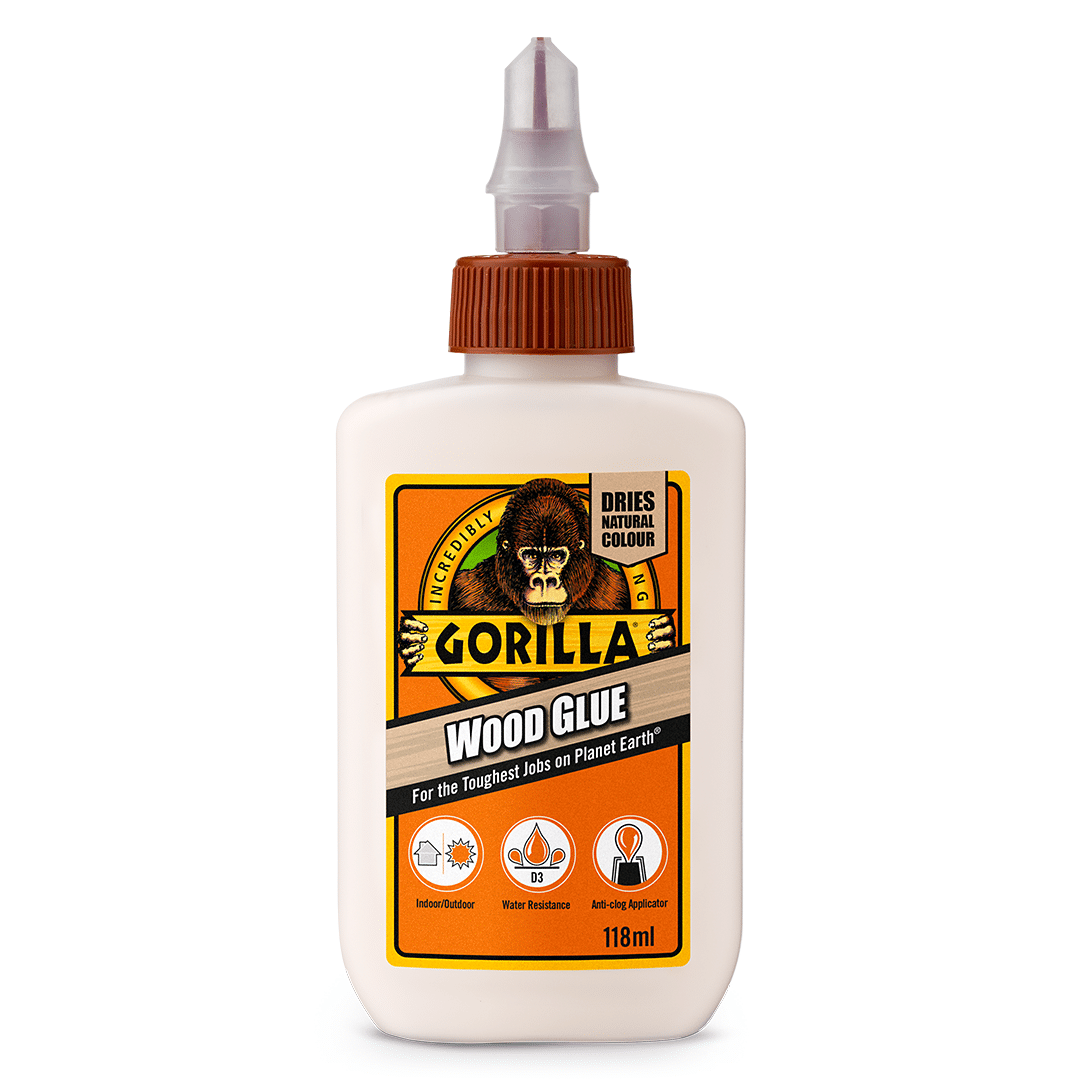
Gluing plants to rocks can be a rewarding process, but it often presents challenges that may compromise the success of your project. Recognizing and addressing these issues promptly is essential to ensure that your plants remain securely attached and healthy over time. This section provides guidance on common problems encountered during the process and effective solutions to mitigate them, promoting long-term stability and aesthetic appeal.Understanding the typical challenges faced when gluing plants to rocks enables hobbyists and professionals alike to develop proactive strategies.
From detachment and plant damage to mold growth, each problem can be managed with targeted remedies that improve adhesion and plant vitality. Implementing these solutions will help maintain the integrity of your arrangement and extend its lifespan.
Detachment of Plants from Rocks
Detachment is a frequent issue, often caused by insufficient adhesion, environmental factors, or improper preparation. When plants loosen or fall off, it diminishes the visual appeal and may harm plant health if not corrected promptly.To remedy detachment, re-adhesion techniques are critical. Carefully remove any remaining adhesive residues from the plant and rock surfaces, ensuring a clean interface. Use a suitable adhesive—preferably one with flexible properties to accommodate slight movements—and apply a thin, even layer to both surfaces before reattaching the plant.
Applying gentle pressure for several minutes ensures better bonding.In cases where initial adhesives fail repeatedly, consider switching to a more durable, environmentally resistant adhesive, such as a silicone-based sealant or epoxy resin designed for outdoor use. Ensuring the environment is not too humid or excessively wet during application also enhances adhesion. When positioning the plant, avoid areas exposed to direct wind or water spray until the adhesive has cured fully, typically 24-48 hours.
Plant Damage During Attachment
Damage to plants can occur if excessive force is used, if unsuitable adhesives are applied, or if pre-existing plant fragility is ignored. This may manifest as broken stems, scorched leaves, or root damage, impairing plant health and aesthetic appeal.Preventive measures involve gentle handling and choosing compatible adhesives that do not produce heat or toxic fumes during curing. When attaching delicate plants, such as mosses or soft-leaved succulents, support the plant gently and avoid excessive pressure.
Using a small brush to apply a minimal amount of adhesive reduces the risk of over-application and potential damage.If damage has occurred, inspect the plant for broken parts and trim any severely damaged areas with sterilized scissors. Promote healing by providing optimal environmental conditions—appropriate watering, light, and humidity. Reinforcing the attachment with additional adhesive or supports, such as fine wire or plant clips, can help stabilize fragile plants during recovery.
Growth of Mold or Fungal Issues
Mold growth is a common problem in moist, poorly ventilated environments where glued plants are kept. Mold can weaken the plant’s attachment, cause decay, and compromise overall health.To address mold issues, it is essential to improve environmental conditions by enhancing airflow and reducing excess moisture. Use fungicidal sprays safe for plants, following manufacturer instructions, to treat affected areas. Regularly inspect the attachment sites for early signs of mold or fungal growth.Applying a barrier, such as a thin layer of horticultural wax or a fungicide-approved sealant around the attachment area, can inhibit mold spores from settling.
Ensuring proper drainage of surrounding rocks and avoiding overly humid conditions help prevent recurrence. If mold persists, consider removing the affected plant and cleaning the rock surface thoroughly before re-gluing.
Comparison Chart of Common Problems and Remedies
| Problem | Causes | Remedies |
|---|---|---|
| Detachment of plants | Insufficient adhesive, environmental stress, poor surface preparation | Reapply adhesive with proper surface cleaning, switch to more durable adhesive, ensure environment is controlled during curing |
| Plant damage | Excessive force, incompatible adhesives, handling issues | Handle delicately, use minimal adhesive, support plant during attachment, trim damaged parts, optimize environmental conditions |
| Mold or fungal growth | High humidity, poor airflow, damp conditions | Improve ventilation, treat with fungicide, use barriers, ensure proper drainage, remove affected plants if necessary |
“Proactive troubleshooting and timely intervention are key to maintaining healthy, well-attached plants on rocks, ensuring that your botanical display remains vibrant and durable.”
Creative Applications and Display Ideas
Exploring innovative ways to showcase glued plants on rocks offers opportunities to transform simple arrangements into captivating visual displays. Whether for indoor decor or outdoor gardens, creatively combining plants and rocks can enhance aesthetic appeal, evoke themes, and create unique focal points. Thoughtful presentation not only highlights the natural beauty of the plants but also adds personality and artistry to your environment.Effective display ideas can range from minimalist arrangements to elaborate themed setups.
Combining different textures, colors, and sizes of rocks and plants allows for diverse visual effects. Proper design techniques help in achieving harmony, balance, and visual interest, making your plant-rock compositions stand out in any setting.
Indoor Display Ideas
Indoor environments provide a controlled setting perfect for creative plant-rock arrangements that brighten up living spaces. Here are some innovative approaches:
- Miniature Terrariums: Use small rocks as the base to anchor tiny glued plants like mosses, succulents, or air plants. These can be placed on shelves or tables to bring a touch of nature indoors.
- Wall-mounted Art Pieces: Attach larger rocks with glued plants onto vertical surfaces or framed shadow boxes. This creates living wall art that adds texture and greenery to interior walls.
- Centerpiece Displays: Combine a collection of rocks with glued plants in decorative bowls or trays. Incorporate elements like fairy lights or decorative stones to enhance the visual appeal.
Descriptive visualizations: Imagine a clear glass terrarium with moist, dark soil at the bottom, small smooth pebbles layered on top, and tiny patches of moss or succulents glued onto the rocks inside. The arrangement creates a miniature, lush landscape that mimics natural ecosystems.
Outdoor Display Ideas
Outdoor displays harness natural sunlight and atmospheric conditions to showcase more expansive plant-rock compositions. Some creative outdoor applications include:
- Rock Gardens with Embedded Plants: Arrange larger rocks as focal points, attaching hardy plants such as succulents, sedums, or low-growing ground covers using suitable adhesives. These gardens last through seasons with minimal maintenance.
- Decorative Garden Sculptures: Create sculptures by gluing plants onto uniquely shaped rocks, such as driftwood or irregular stones. These can serve as garden accents or conversation starters.
- Themed Landscape Installations: Design themed scenes, such as a desert scene with succulents and sand-colored rocks or a alpine patch with mosses and alpine plants glued onto rugged stones.
Descriptive visualization: Envision a garden bed where sizable, weather-resistant rocks are arranged strategically, each with resilient plants glued onto their surfaces. The rocks are spaced to create pathways, with some plants cascading down the sides, blending natural aesthetics with artistic design.
Design Tips for Arranging Multiple Plants and Rocks
To craft visually compelling arrangements, consider these design principles:
Balance and contrast in texture, color, and size create harmony and visual interest in plant-rock displays.
- Varying Heights and Sizes: Use rocks of different sizes and heights to establish a sense of depth. Position larger rocks as focal points and smaller ones as accents.
- Color Coordination: Select plants and rocks that complement or contrast each other. For example, bright green succulents on dark gray stones create striking visual contrast.
- Grouping and Spacing: Group similar plants and rocks for cohesion, leaving enough space to prevent clutter. Use asymmetry intentionally for dynamic compositions.
- Focal Points: Designate one or two standout elements, such as a large, uniquely shaped rock with a vibrant plant, to draw attention.
Themed Arrangements for Visual Impact
Themed arrangements evoke specific atmospheres or stories, making displays more engaging:
- Desert Oasis: Combine sandy-colored rocks with drought-tolerant succulents, cacti, and sand accents. Use minimal soil, highlighting the arid landscape feel.
- Forest Floor: Use dark, moss-covered rocks with glued ferns, mosses, and small shade-loving plants. Incorporate miniature logs or twigs for realism.
- Mountain Retreat: Arrange rugged stones with alpine plants, small conifers, and lichens. Use layered rocks to simulate mountainous terrain and add miniature figurines for storytelling.
- Zen Garden: Select smooth, flat stones with minimalistic plants like bonsai or moss. Incorporate raked gravel or sand for a tranquil, meditative effect.
Descriptive example: Visualize a carefully curated desert oasis scene, featuring a cluster of rounded, sandy-toned rocks arranged in a naturalistic pattern. Small jade succulents are glued onto their surfaces, complemented by tiny gravel and miniature cacti, creating a serene yet striking miniature landscape that evokes a desert environment.
Conclusion
Mastering how to glue plants to rocks provides a versatile method to craft unique and attractive displays for both indoor and outdoor environments. With proper material selection, preparation, and application techniques, you can achieve stunning, durable arrangements that showcase the beauty of natural elements in harmony.