Learning how to grow anubias in aquarium opens the door to a lush and vibrant aquatic environment that enhances both the beauty and health of your fish habitat. This hardy plant is renowned for its resilience and adaptability, making it an excellent choice for both novice and experienced aquarists alike. Proper care and understanding of its unique needs can transform your aquarium into a thriving underwater garden.
By exploring optimal planting techniques, suitable environmental conditions, and maintenance practices, you can ensure your Anubias thrives with lush foliage and minimal effort. From selecting the right substrate to propagating new plants, each step contributes to a sustainable and attractive aquatic ecosystem that benefits all inhabitants.
Understanding Anubias and its Role in Aquariums

Anubias is a popular genus of aquatic plants widely appreciated by aquarium enthusiasts for their robustness and aesthetic appeal. These hardy plants not only enhance the visual appeal of freshwater aquariums but also contribute significantly to the health and stability of the aquatic ecosystem.
Native to the shaded, slow-moving waters of West Africa, Anubias species thrive in environments characterized by low light, moderate temperatures, and nutrient-rich substrates. Their adaptability makes them an ideal choice for both novice and experienced aquarists seeking to create a balanced and naturalistic habitat.
Characteristics and Types of Anubias Suitable for Freshwater Aquariums
Understanding the specific traits and varieties of Anubias helps in selecting the most suitable species for different aquarium setups. Anubias plants are generally characterized by their thick, leathery leaves and rhizomatous growth form, which makes them resistant to decay and easy to maintain.
Common types of Anubias appropriate for freshwater tanks include:
- Anubias barteri: Known for its large, broad leaves and vigorous growth, ideal for foreground or midground planting.
- Anubias nana: A smaller variety suited for nano aquariums or to be used as carpeting plants when planted densely.
- Anubias afzelii: Recognized by its elongated, narrow leaves, providing a different texture and appearance.
- Anubias petite: A dwarf species that is perfect for small or densely planted aquascapes.
All these types share common characteristics such as low light requirements and slow growth rates, making them versatile and easy to care for in various aquarium conditions.
Natural Habitat and Growth Conditions of Anubias in the Wild
In their native environment, Anubias plants grow in shaded riverbanks, submerged among rocks, and along riverbeds with slow-moving water. They are often attached to rocks, driftwood, or submerged logs, thriving in conditions where water flow is gentle and sunlight penetration is limited.
The natural habitat of Anubias is marked by a stable temperature range of approximately 22°C to 26°C (72°F to 79°F), with a pH range of 6.0 to 7.5. These plants are epiphytes, meaning they attach to surfaces rather than rooting deeply into substrate, which allows them to withstand variations in water flow and sedimentation.
| Parameter | Optimal Range in the Wild |
|---|---|
| Temperature | 22°C – 26°C (72°F – 79°F) |
| pH Level | 6.0 – 7.5 |
| Light Intensity | Low to Moderate |
| Water Flow | Slow to Moderate |
Understanding these conditions aids aquarists in replicating the natural environment of Anubias, promoting healthy growth and vibrant foliage in captivity.
The benefits of adding Anubias to an aquarium extend beyond their aesthetic contribution. They provide shelter for small fish and invertebrates, assist in maintaining water quality by absorbing nutrients, and create a natural balance that promotes a thriving aquatic ecosystem. Their resilience to varying conditions makes them an invaluable addition to diverse freshwater setups, from simple community tanks to elaborate aquascapes.
Preparing the Aquarium Environment for Anubias
Establishing an optimal environment is essential for the healthy growth and thriving of Anubias in an aquarium. Proper preparation involves selecting suitable substrates, optimizing lighting conditions, maintaining ideal water chemistry, and designing a layout that accommodates the plant’s growth habits. These steps ensure that Anubias can flourish while contributing to a balanced and aesthetically pleasing aquatic ecosystem.
Careful planning and execution of these environmental factors create a stable habitat that supports the plant’s natural growth processes, reduces stress, and minimizes maintenance needs. Implementing these foundational practices helps maintain long-term health and visual appeal of Anubias within a home or public aquarium setting.
Selecting the Appropriate Substrate for Anubias Placement
The substrate serves as the foundation for Anubias anchoring and influences nutrient availability and overall plant health. A suitable substrate should be inert, non-toxic, and capable of supporting the plant’s roots without disrupting water chemistry. Anubias naturally attaches to rocks and driftwood, but root anchoring in substrate can also be beneficial, especially in planted tanks.
When choosing a substrate, opt for fine-grained gravel or specialized aquatic plant substrates, which provide stability and prevent root damage. Avoid using coarse or sharp substrates that could harm delicate roots. A layer of about 1-2 inches is sufficient, allowing the plant to securely attach while maintaining water flow around the roots.
Using a nutrient-rich substrate can enhance overall plant health, but Anubias is generally resilient and can thrive with minimal substrate adjustments, relying primarily on leaf surface absorption and root attachment.
Organizing Optimal Lighting Conditions and Duration for Healthy Growth
Lighting plays a pivotal role in promoting photosynthesis and overall vitality of Anubias. While the plant prefers low to moderate light, providing consistent, appropriate illumination ensures robust growth and prevents issues like algae overgrowth. Proper lighting also helps maintain the plant’s vibrant leaves and healthy attachment points.
Typically, Anubias benefits from around 8-10 hours of light daily, mimicking natural daylight cycles. Using a full-spectrum LED light designed for aquatic plants can enhance growth and coloration while minimizing algae development. It’s important to avoid excessive light intensity, which can lead to algae proliferation and stress on the plant. Conversely, insufficient lighting can result in slow growth and dull foliage.
Adjusting lighting length and intensity based on observed plant response ensures a balanced environment that supports steady and healthy Anubias development.
Creating a Suitable Water Chemistry Profile
Maintaining stable water parameters is vital for Anubias health, as fluctuations can cause stress and hinder growth. The plant prefers slightly alkaline to neutral pH levels, moderate water hardness, and consistent temperature conditions. These factors influence nutrient uptake and overall plant vigor.
For optimal growth, aim for a pH range of 6.5 to 7.5, water temperature between 22°C and 28°C (72°F to 82°F), and a General Hardness (GH) of 3-8 dGH. Regular testing and adjustments help prevent sudden changes that could damage the plant.
The water should be well-filtered and free of pollutants, with gentle water flow to prevent uprooting or damage to the leaves. Incorporating aquatic fertilizers with trace elements can support nutrient availability, especially in heavily planted tanks.
Consistent water chemistry fosters a stable environment for Anubias, enhancing its growth rate and visual appeal, while reducing the risk of disease or decay caused by unfavorable conditions.
Designing a Layout Plan that Accommodates Anubias Growth
Effective aquarium layout planning ensures that Anubias has ample space for growth and attachment, while maintaining a harmonious overall design. Given the plant’s slow growth rate and preference for shaded or low-light areas, placement should avoid overcrowding and competition with faster-growing species.
Strategically positioning Anubias on rocks, driftwood, or as foreground accents allows for natural growth patterns and easy maintenance. Ensure that each plant has enough space to expand without overshadowing or being overshadowed by other plants or decorations. This reduces competition for nutrients and light, promoting healthier development.
Designing the layout with consideration for future growth helps prevent overcrowding and ensures ease of access for trimming or repositioning. A balanced composition enhances both the aesthetic and functional aspects of the aquarium, providing a natural habitat conducive to Anubias vitality.
Techniques for Planting Anubias in an Aquarium
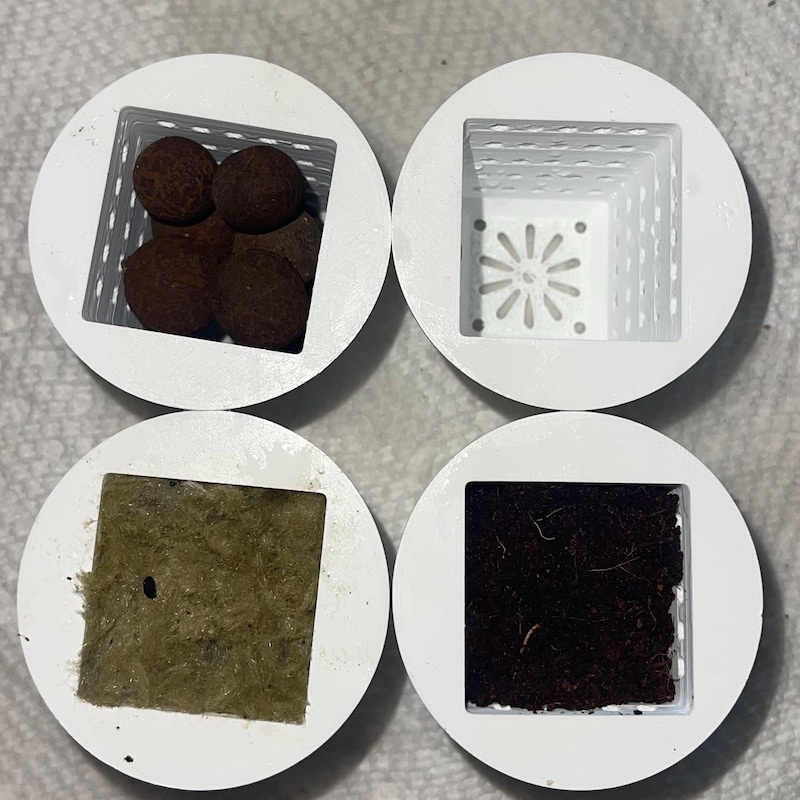
Ensuring the proper planting of Anubias is essential for its healthy growth and longevity within an aquarium. Proper techniques not only promote plant stability but also enhance the aesthetic appeal of your aquatic environment. Whether attaching Anubias to decorative elements or planting it directly into the substrate, selecting the appropriate method and ensuring secure attachment are crucial steps in the cultivation process.Planting Anubias involves methods that optimize its growth while maintaining the integrity of the aquarium setup.
The choice between anchoring the plant onto decorations or rooting it in the substrate depends on the specific aquarium design and personal preference. Proper attachment techniques prevent plant displacement, which can cause stress to the plant or damage to surrounding aquatic life.
Methods for Attaching Anubias to Rocks, Driftwood, or Decorations
Attaching Anubias to hardscape elements such as rocks, driftwood, or decorative ornaments is a widely recommended approach. This method allows for flexible placement and creates a natural-looking environment. Several tools and adhesives can be used to securely attach Anubias without harming the plant or the aquarium ecosystem.The most common tools include aquarium-safe fishing line, fine nylon thread, or specialized plant weights.
These materials allow for a gentle yet firm attachment that can be discreetly concealed within the plant’s rhizome. For adhesive options, marine-grade superglue gel is highly effective and safe for aquatic environments when used appropriately. It bonds the roots or rhizome to the surface without introducing harmful chemicals into the water.To attach Anubias, follow these steps:
- Identify a suitable spot on the rock or driftwood where the plant can naturally grow and receive light.
- Wrap the fishing line or nylon thread around the plant’s rhizome and secure it to the chosen surface, ensuring not to constrict the rhizome itself, which can cause rot.
- If using glue, apply a small amount of marine-safe superglue gel at the base of the rhizome and press it onto the decoration until secure.
- Allow the glue to cure for a few minutes before submerging the plant fully in the water, ensuring a firm attachment.
This approach promotes healthy rooting and integration with the aquarium decor, providing a natural environment for your Anubias.
Planting Approaches: Rooted in Substrate versus Attached to Decorations
Choosing between planting Anubias in the substrate or attaching it to decorations impacts its growth pattern and maintenance. Each approach offers distinct advantages and considerations to optimize plant health and aquarium aesthetics.Rooted in substrate:
Rooting Anubias directly into the substrate involves planting the rhizome in the gravel or substrate layer, with the roots buried for stability.
This method is suitable for larger, mature plants or when a natural, meadow-like appearance is desired. It provides a stable environment, particularly in tanks with gentle water flow, reducing the risk of displacement. However, care must be taken not to bury the rhizome, as this can cause rot or fungal infections.Attached to decorations:
Attaching Anubias to rocks or driftwood allows for flexible placement and easier maintenance, especially in tanks with high water flow or active fish.
This approach reduces disturbance to the plant’s rhizome and prevents overgrowth in unwanted areas. It is ideal for creating vertical or focal points within the aquarium. To ensure secure attachment, use appropriate tools like aquarium-safe glue or thread, and verify stability periodically.Both approaches require attention to detail:
- When planting in substrate, gently bury the roots while keeping the rhizome exposed.
- When attaching to decorations, ensure the plant is firmly secured and check regularly for signs of loosening or detachment.
- Consider the growth habits of Anubias; its slow growth rate makes it ideal for attached setups where minimal disturbance is preferred.
By selecting the appropriate planting technique and employing secure attachment methods, hobbyists can cultivate thriving Anubias specimens that contribute to a balanced and visually appealing aquarium environment.
Propagation Strategies for Anubias

Effective propagation of Anubias ensures healthy growth and the ability to expand your aquatic plant collection without the need for purchasing new specimens continuously. Understanding how to divide mature plants and encourage new growth through strategic trimming provides a sustainable method for maintaining vibrant, lush Anubias in your aquarium.
Propagation primarily involves dividing the plant’s rhizomes, trimming to promote growth, and creating new plants from cuttings. These techniques require patience and precision but are straightforward when executed correctly. By following proper procedures, hobbyists can enjoy a continuous supply of healthy Anubias while enhancing the overall aesthetic and ecological balance of their aquatic environment.
Dividing Mature Anubias Rhizomes
Dividing mature Anubias rhizomes is a fundamental propagation method that involves carefully separating the plant into smaller sections. This process encourages vigorous growth and ensures the plant remains healthy over time. When the rhizome becomes thick, often exceeding 4-6 inches in length, it indicates readiness for division.
Begin by gently removing the Anubias from the substrate or decoration to inspect the rhizome. Use a sterilized, sharp knife or scissors to cut through the thick, woody rhizome. Each section should include at least one healthy leaf and a portion of the rhizome with roots attached. Avoid damaging the roots or leaves during the process, as this can hinder recovery and growth.
Post-division, plant each section in a suitable spot within the aquarium, ensuring the rhizome remains exposed to air, as burying it deeply can cause rot. The divided plants will typically establish new roots within a few weeks, provided the lighting and water conditions are optimal.
Encouraging New Growth through Trimming and Pruning
Regular trimming and pruning of Anubias support healthy development and stimulate the formation of new shoots. Removing dead or yellowing leaves prevents decay and encourages the plant to allocate resources toward new growth. Trimming also helps maintain the desired aesthetic and prevents overcrowding.
To prune effectively, use sterilized scissors or pruning shears to snip off damaged or old leaves at the base near the rhizome. For thicker, mature leaves that may overshadow smaller shoots, trimming can help improve light penetration, fostering the growth of smaller, newer leaves. Additionally, trimming the top portions of the plant encourages the production of lateral shoots, resulting in a bushier appearance.
The key is to avoid cutting into the rhizome itself, as this can jeopardize the entire plant’s health. Conduct pruning regularly, approximately every 6-8 weeks, especially during periods of active growth, to keep the plant vigorous and aesthetically pleasing.
Creating New Plants from Cuttings
Creating new Anubias plants from cuttings involves selecting healthy sections of the rhizome with at least one leaf and rooting them properly. This method is particularly useful when propagating from mature plants or when dividing for renovation purposes.
First, carefully cut a healthy rhizome segment using sterilized tools, ensuring each piece has a leaf attached. Rinse the cuttings gently in clean water to remove any debris or bacteria. To promote rooting, it is beneficial to attach the cutting to a stable surface such as driftwood or a rock using plant-safe adhesive or fishing line. Alternatively, the cutting can be planted directly into the substrate, but care must be taken not to bury the rhizome itself.
Place the propagated section in an environment with moderate lighting and stable water parameters. The rhizome should develop new roots within 2-4 weeks, with visible new leaves emerging. Consistent water flow and nutrients, particularly iron and other trace elements, support healthy root and leaf development. Visual signs of healthy propagation include vibrant green leaves, a firm rhizome, and the emergence of new shoots.
Maintenance and Care for Healthy Anubias Growth

Ensuring that Anubias remains vibrant and healthy over time requires consistent maintenance and attentive care. Proper upkeep not only preserves the plant’s aesthetic appeal but also promotes robust growth and ecological balance within the aquarium. This section provides practical strategies for routine cleaning, algae control, fertilization, water change routines, and troubleshooting common issues affecting Anubias health.
Troubleshooting Common Problems in Anubias Cultivation
While Anubias is generally a hardy and low-maintenance aquatic plant, growers can encounter specific issues that hinder healthy growth and vibrant foliage. Understanding the root causes of these problems and applying targeted solutions can significantly improve the success rate of cultivating thriving Anubias in your aquarium. This section provides a comprehensive overview of common cultivation challenges, their causes, and effective remedies to ensure your plant remains healthy and aesthetically pleasing.
Addressing issues such as poor growth, leaf discoloration, algae buildup, pests, and diseases requires careful observation and timely intervention. By implementing preventive measures and appropriate treatment strategies, aquarists can create an optimal environment that supports the robust development of Anubias, minimizing setbacks and fostering a lush, vibrant underwater landscape.
Poor Growth and Leaf Discoloration
Inconsistent or stunted growth, coupled with yellowing or browning leaves, often indicates underlying issues related to nutrient deficiencies, lighting imbalances, or water quality. Anubias requires stable conditions, with adequate nutrients and appropriate lighting to thrive. Factors such as insufficient iron or potassium can cause chlorosis, leading to pale or yellow leaves, while excessive light may result in stress and poor development.
- Causes: Lack of essential nutrients, high light intensity, poor water quality, or inappropriate substrate.
- Solutions: Regularly dose liquid fertilizers containing iron and potassium, adjust lighting to moderate levels, perform consistent water changes to maintain optimal parameters, and ensure the plant is rooted properly without excessively disturbing its rhizome.
Maintaining a balanced nutrient regimen and stable water parameters is key to promoting healthy Anubias growth and vibrant foliage.
Algae Buildup on Leaves
Algae can quickly colonize Anubias leaves, impairing photosynthesis and diminishing visual appeal. Algae growth often results from excess nutrients, too much light, or insufficient water circulation. Left unchecked, it can weaken the plant over time and promote further pest or disease issues.
- Causes: Excess phosphates and nitrates, prolonged exposure to strong lighting, and stagnant water conditions.
- Solutions: Reduce light duration or intensity, perform regular water changes to remove excess nutrients, introduce algae-eating invertebrates like Amano shrimps, and ensure proper water movement with appropriate filters.
Preventing algae involves balancing nutrient input and light exposure while encouraging natural biological control through beneficial organisms.
Pests and Diseases Affecting Anubias
Though resilient, Anubias can occasionally be affected by pests such as snails or insect larvae, and diseases like bacterial or fungal infections. These issues compromise plant health and can lead to leaf decay, spotting, or overall decline.
- Causes: Overcrowded tanks, poor water quality, introduction of infected plants, or unclean environment.
- Solutions: Isolate infected plants for treatment, maintain strict tank hygiene, use antiparasitic or antifungal treatments where necessary, and remove any decaying plant material promptly. Introducing natural predators like certain fish or invertebrates can also help control pests organically.
Consistent monitoring and prompt treatment are essential to prevent pests and diseases from spreading and damaging your Anubias.
Quick Reference Table for Problem Identification and Remedies
| Problem | Causes | Remedies | Prevention Tips |
|---|---|---|---|
| Poor growth/yellowing leaves | Nutrient deficiency, high light, poor water quality | Fertilize regularly, adjust lighting, improve water quality | Maintain balanced fertilization, monitor light levels, perform regular water changes |
| Algae on leaves | Excess nutrients, overexposure to light, stagnant water | Reduce light, perform water changes, introduce algae eaters | Control lighting duration, avoid overfeeding, ensure water movement |
| Pest infestation | Contaminated plants, poor tank hygiene | Isolate and treat affected plants, improve tank cleanliness | Quarantine new plants, maintain a clean environment, regular inspection |
| Disease (bacterial/fungal) | Poor water quality, decayed plant material | Use appropriate treatments, remove infected parts | Maintain optimal water parameters, remove debris promptly |
End of Discussion

Mastering how to grow anubias in aquarium allows you to create a stunning and healthy aquatic landscape that requires manageable care while offering long-term enjoyment. With proper attention to its environment and growth habits, your Anubias can flourish, providing natural beauty and ecological balance to your aquarium for years to come.