Learning how to grow aquarium plants from seeds offers an engaging and cost-effective way to cultivate lush aquatic greenery. Starting from seeds allows enthusiasts to select specific plant varieties and encourages natural growth processes within the aquarium environment.
This guide provides a comprehensive overview of the essential steps, from seed selection and preparation to optimal growing conditions, ensuring success in establishing vibrant and healthy aquarium plant life from the very beginning.
Introduction to Growing Aquarium Plants from Seeds
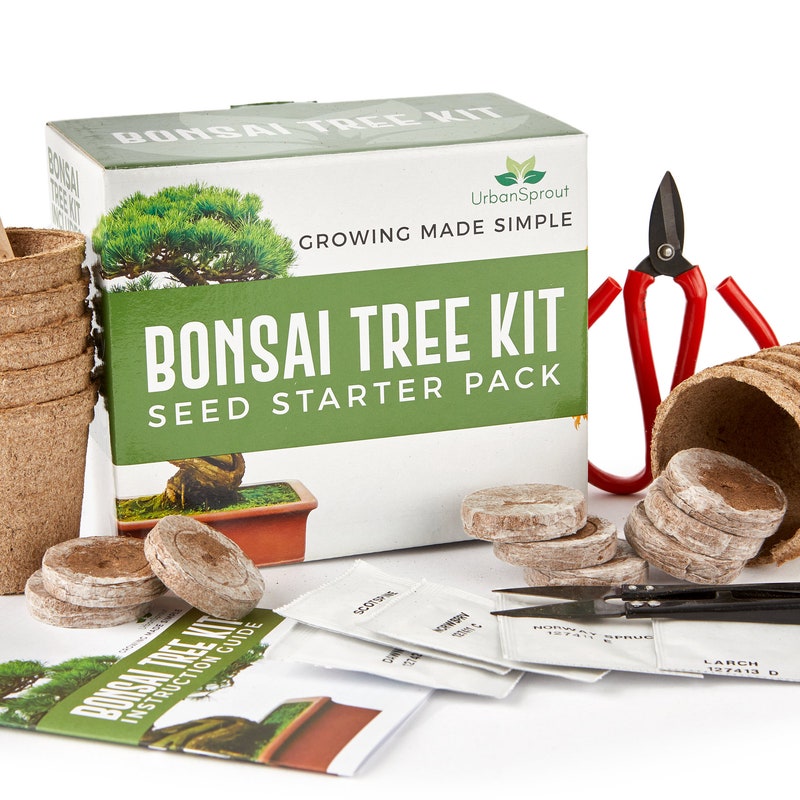
Starting aquarium plants from seeds offers a rewarding and sustainable approach to cultivating vibrant aquatic greenery. Unlike purchasing mature plants or propagating through cuttings, seed-based propagation allows hobbyists to develop plants from the very beginning, fostering a deeper understanding of plant growth cycles and establishing a natural ecosystem within the aquarium. This method can be particularly advantageous for those seeking to introduce a diverse array of species or to reduce costs associated with buying established plants.
In addition to economic benefits, growing plants from seeds provides greater control over the cultivation process, enabling enthusiasts to select specific strains and influence the growth environment. This approach also supports the natural regeneration of aquatic flora, contributing to healthier and more resilient plant populations. Several factors, such as water quality, lighting, and substrate choice, play critical roles in successful seed germination and growth, making the process both a scientific and artistic endeavor.
Types of Aquarium Plants Suitable for Seed Propagation
It is essential to recognize which species of aquarium plants are best suited for propagation via seeds. Not all aquatic plants produce viable seeds or are amenable to seed-based cultivation, so selecting appropriate species is vital for success. Generally, these plants can be classified into several categories based on their seed production and growth habits.
Understanding the characteristics of these plants helps hobbyists determine their suitability for seed propagation and plan their aquatic environments accordingly. The following overview highlights some of the most common and practical species for seed-based growth:
| Plant Type | Description | Examples |
|---|---|---|
| Carpeting Plants | Low-growing plants that form dense mats, ideal for foreground planting. They often produce small seeds that can be collected and sprouted in controlled conditions. | Monte Carlo (Micranthemum tweediei), Dwarf Baby Tears (Hemianthus callitrichoides) |
| Stem Plants | Tall, airy plants that grow from seeds and can be easily propagated through seed germination, making them popular in aquascaping. | Rotala rotundifolia, Ludwigia spp. |
| Floating Plants | While primarily propagated through runners or cuttings, some floating species also produce seeds that can be collected and cultivated. | Duckweed (Lemna minor), Frogbit (Limnobium laevigatum) |
| Grass-like Plants | Plants with fine, grass-like foliage that readily produce seeds suitable for propagation, often used as midground or background plants. | Eleocharis spp., Vallisneria spp. |
Overview of the Seed-Based Growth Process in Aquariums
The process of growing aquarium plants from seeds involves several carefully orchestrated steps that influence the likelihood of successful germination and healthy development. This method begins with selecting high-quality seeds and preparing an optimal environment that mimics natural conditions.
Once the seeds are chosen, they are typically sown onto a nutrient-rich substrate or floated on the water surface, depending on the species. Maintaining appropriate water parameters—such as temperature, pH, and lighting—is crucial during germination. Consistent care, including gentle watering and ensuring adequate light exposure, promotes sprouting and initial growth.
As seedlings develop, they require careful attention to prevent algae overgrowth and nutrient deficiencies. With patience and optimal conditions, seed-grown plants can mature into robust specimens, contributing to a thriving aquatic ecosystem. This process not only fosters a deep connection with the aquatic environment but also enhances the overall health and aesthetics of the aquarium.
Selecting the Right Seeds for Aquarium Plant Growth
Choosing the appropriate seeds is a critical step towards establishing a thriving and visually appealing freshwater aquarium. The success of your aquatic plant cultivation largely depends on selecting seeds that are suitable for your specific tank environment, lighting conditions, and maintenance routine. Understanding the characteristics of popular seeds and knowing how to identify healthy, viable options can significantly improve germination rates and overall plant health.
In this section, we will explore the most popular aquarium plant seeds, their unique features, and the essential criteria for selecting high-quality, viable seeds. Proper selection ensures that your aquatic plants will grow robustly, enrich your tank’s ecosystem, and contribute to a balanced aquatic environment.
Popular Aquarium Plant Seeds and Their Characteristics
Many aquarium enthusiasts favor certain seeds due to their ease of growth, aesthetic appeal, and compatibility with various tank conditions. Below is an overview of some of the most widely used aquarium plant seeds along with their distinctive traits:
| Seed Type | Growth Requirements | Expected Outcomes | Notes |
|---|---|---|---|
| Dwarf Water Lettuce (Pistia stratiotes) | Moderate light, nutrient-rich substrate | Fast-growing, floating plant with lush foliage | Propagates quickly through cuttings |
| Java Moss (Taxiphyllum barbieri) | Low to moderate light, stable water parameters | Creates a soft carpet or background, provides hiding spots | Reproduces via fragmentation, easy to establish |
| Marimo Moss Ball (Aegagropila linnaei) | Low light, minimal nutrients | Unique spherical shape, low maintenance | Can be propagated by dividing |
| Brazilian Pennywort (Hydrocotle spp.) | Moderate to high light, nutrient-rich substrate | Fast-growing ground cover with rounded leaves | Requires pruning to control spread |
Criteria for Selecting Healthy, Viable Seeds
Identifying quality seeds is fundamental to successful propagation in your aquatic environment. Healthy, viable seeds have specific physical and physiological qualities that increase the likelihood of successful germination and robust growth. Here are the key criteria to consider:
- Visual Inspection: Select seeds that appear fresh, firm, and free from discoloration, mold, or damage. Avoid seeds with cracks, soft spots, or signs of decay.
- Size and Uniformity: Choose seeds that are uniform in size and shape, which often indicates uniform maturity and viability. Irregular or significantly smaller seeds may be less viable.
- Source Reliability: Purchase seeds from reputable suppliers or specialized aquatic plant nurseries. Quality control standards at these sources tend to ensure higher germination rates.
- Age and Storage Conditions: Fresh seeds stored in cool, dry, and dark conditions retain higher viability. Avoid seeds that are old or have been exposed to moisture or extreme temperatures.
- Seed Viability Testing: For uncertain seeds, perform a simple float test—place seeds in water; viable seeds typically sink, while non-viable ones float. However, this is more applicable to larger seeds and should be used as a supplementary check.
Ensuring seed viability at the outset can significantly improve germination success and plant health in your aquarium.
Preparing Seeds for Planting
Proper preparation of aquarium plant seeds is a vital step that significantly influences germination success and healthy growth. This phase involves cleaning, pre-treatment, and sometimes physical modification of seeds to enhance their ability to sprout and establish in the aquatic environment. Attention to these details can increase the likelihood of successful propagation, especially with species that have tough seed coats or dormancy mechanisms.
Effective seed preparation ensures that contaminants are removed, dormancy is broken when necessary, and the seeds are conditioned to thrive in the specific conditions of the aquarium. The following procedures and materials are essential to optimize seed germination and promote robust plant development.
Cleaning and Pre-treatment Procedures to Enhance Germination
Thorough cleaning and appropriate pre-treatment of seeds help eliminate pathogens, debris, and inhibitory substances that may hinder germination. This process is particularly important for seeds obtained from external sources or collected from natural environments, where contamination risk is higher.
- Initial rinsing: Gently rinse seeds under cold, running water to remove dirt, algae, or organic matter. Use a fine mesh strainer to prevent loss of small seeds.
- Disinfection: Soak seeds in a mild solution of hydrogen peroxide (3%) for 10–15 minutes. This step helps eliminate bacteria and fungi that could cause rot or disease.
- Rinsing again: After disinfection, rinse seeds thoroughly with clean water to remove residual peroxide.
- Drying: Spread seeds on a clean paper towel and allow them to air dry for a few hours before further treatment or planting.
These steps promote a healthier starting point for seed germination and reduce the risk of infections that can compromise young seedlings.
Scarification and Soaking Methods to Improve Seed Sprouting Prospects
Some aquarium plant seeds have hard seed coats or dormancy mechanisms that prevent immediate germination. Employing scarification or soaking techniques can break dormancy, allowing seeds to sprout more readily. Selecting the appropriate method depends on the species and seed characteristics.
- Scarification: This involves physically abrading or nicking the seed coat to facilitate water penetration and break dormancy. Use a fine file, sandpaper, or a scalpel to gently scratch or create a small incision on the seed surface. For example, certain species like Anubias or Java fern seeds benefit from this treatment.
- Soaking: Submerge seeds in water for specific durations to soften the seed coat and encourage germination. Typically, soaking periods range from 12 to 48 hours, depending on seed hardness. Use distilled or dechlorinated water to prevent chemical interactions that could inhibit sprouting.
- Temperature control during soaking: Maintaining water at room temperature (around 20–25°C) ensures optimal conditions for seed hydration without promoting mold growth.
Note: Over-soaking or aggressive scarification can damage seeds. Always handle seeds gently and follow species-specific guidelines when available.
Materials and Supplies Needed for Seed Preparation
Gathering the right materials ensures that seed preparation is efficient, safe, and effective. The following list includes essential supplies commonly used in seed pre-treatment for aquarium plants:
| Material | Description and Purpose |
|---|---|
| Fine Mesh Strainer | Helps rinse small seeds thoroughly without loss, ensuring cleanliness. |
| Hydrogen Peroxide (3%) | Disinfects seeds, reducing pathogen risk without damaging delicate tissues when used appropriately. |
| Paper Towels or Soft Cloths | Assists in drying seeds gently after cleaning or soaking. |
| Fine Files, Sandpaper, Scalpel | Tools for scarification, creating small cuts or abrasions on seed coats to break dormancy. |
| Distilled or Dechlorinated Water | Used for soaking seeds to prevent chemical damage or mold growth. |
| Small Containers or Bowls | Hold seeds during soaking, disinfection, or pre-treatment processes, ensuring easy handling. |
| Labels and Markers | Identify seed batches and treatments for proper tracking and management. |
Ensuring access to these supplies facilitates proper seed handling and optimizes germination outcomes, leading to healthier aquatic plants for your aquarium.
Creating an Ideal Substrate for Seed Germination
Establishing the right substrate is crucial for successful germination and healthy growth of aquarium plant seeds. The substrate serves as the foundation that provides essential nutrients, supports root development, and maintains optimal moisture levels. Selecting and preparing an appropriate substrate enhances seed stability, promotes uniform germination, and fosters overall plant vitality within the aquatic environment.
A well-designed substrate mimics the natural conditions preferred by aquatic plants, facilitating nutrient uptake and creating a conducive environment for seedlings to establish strong roots. The right composition can also influence water chemistry, pH levels, and oxygen availability, all of which are vital for seedling health and growth progression.
Preparing a Suitable Substrate for Aquarium Seed Germination
To maximize germination success, carefully preparing the substrate involves selecting the right materials, sterilizing to prevent harmful pathogens, and ensuring proper layering. Follow these steps to create an optimal environment for your aquarium plant seeds:
- Choose the appropriate substrate material: Select fine-grained, nutrient-rich materials that support root penetration and retain moisture effectively.
- Sterilize the substrate: Rinse thoroughly with clean water and optionally bake or boil to eliminate pests, fungi, or bacteria that could hinder seedling development.
- Mix with nutrients if necessary: Incorporate specialized aquatic plant substrates or additives like laterite or activated carbon to enrich nutrient content.
- Layer the substrate: Create a smooth, even layer approximately 2-3 centimeters deep in the planting area, ensuring no air pockets are left.
- Moisten the substrate: Gently water the substrate until it is evenly moist but not waterlogged, maintaining optimal hydration for seed germination.
- Ensure proper drainage: Design the substrate with adequate drainage to prevent stagnation, which can lead to mold or root rot.
Comparison of Common Substrates for Aquarium Seed Germination
Different substrates offer varied benefits and suitability depending on the plant species and aquarium conditions. The following table highlights common options, their main features, and considerations:
| Substrate Type | Material Composition | pH Level | Nutrient Content | Advantages | Considerations |
|---|---|---|---|---|---|
| Aquarium Soil (Rich in Iron and Minerals) | Clay-based, mineral-rich soil, often with added nutrients | Neutral to slightly acidic (6.0-7.0) | High, supports root development and healthy foliage | Promotes strong root growth; suitable for most aquatic plants | Needs proper rinsing; can alter water chemistry if not managed |
| Gravel | Pure crushed stone or small pebbles | Neutral (around 7.0) | Minimal; may require supplementing nutrients | Good drainage; prevents compaction | Less nutrient retention; may need fertilization |
| Sand | Fine silica or play sand | Neutral to slightly acidic | Low; benefits from nutrient supplementation | Natural appearance; easy to root plants in | Compacts easily; may require additional fertilization |
| Laterite | Clay-based material rich in iron and aluminium | Slightly acidic (around 6.0) | High; enhances nutrient availability | Excellent for root feeding; supports healthy growth | Needs to be mixed with other substrates; can discolor water temporarily |
Planting Techniques for Aquarium Seeds
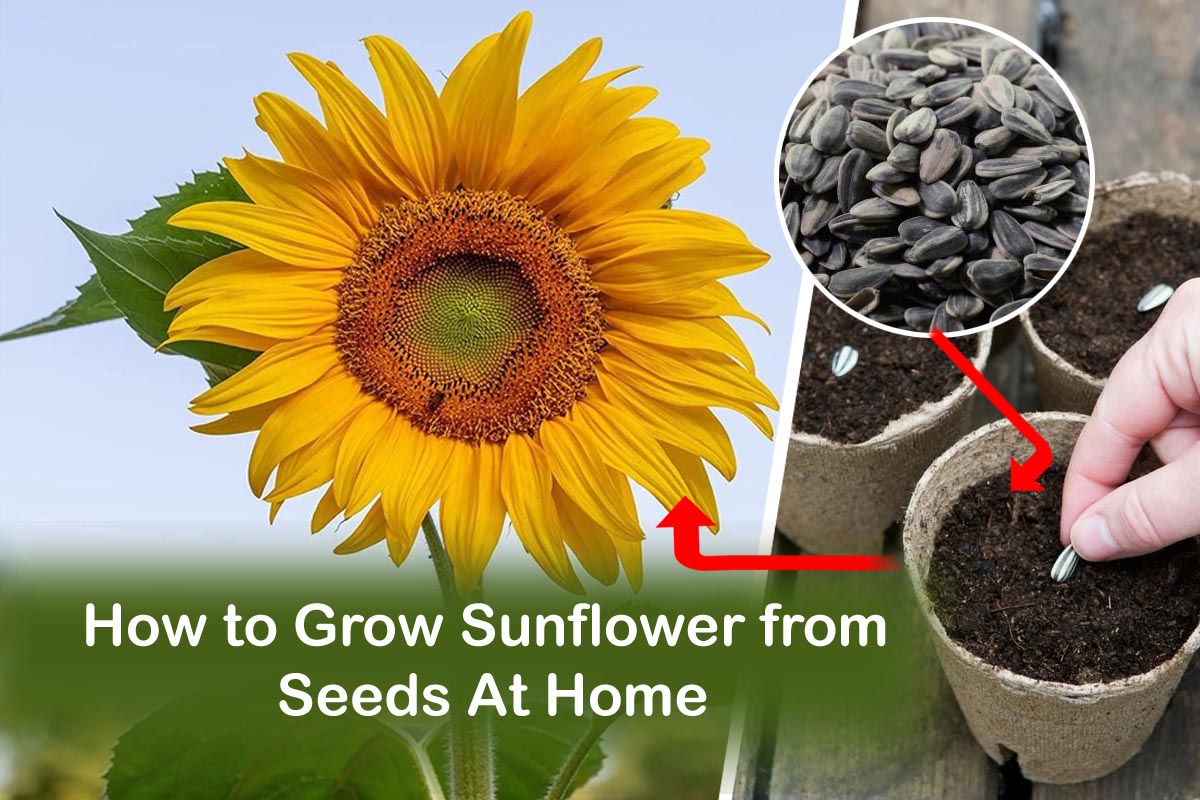
Implementing precise planting techniques is crucial for successful germination and healthy growth of aquarium plants from seeds. Proper handling, depth, and spacing can significantly influence the development rate and overall vitality of your aquatic flora. Understanding these techniques ensures that each seed has an optimal environment to sprout and thrive within your aquarium ecosystem.
In this section, we will explore the best practices for planting aquarium seeds, focusing on appropriate depths, spacing strategies, handling procedures, and visual methods to ensure effective seed placement in the substrate.
Optimal Planting Depths and Spacing for Different Seed Types
Different aquarium plant seeds require specific depths and spacing to maximize germination success and growth. These requirements depend on the seed size, type of plant, and mature plant dimensions. Correct depth prevents seeds from being buried too deep, which can hinder sprouting, or positioned too superficially, risking displacement by water currents or fish activity.
Generally, small seeds such as those of Java moss or dwarf aquatic plants should be planted very shallowly, often just lightly pressed into the substrate surface. Larger seeds like Amazon swords or Vallisneria can be planted deeper, approximately 1-2 centimeters beneath the substrate. Proper spacing is equally important; densely sowed seeds may compete for nutrients and space, impairing development. A typical approach is to space seeds at least twice the size of the seed apart, ensuring they have room to grow without competition.
Tip: For delicate seeds, a gentle pressing into the substrate with a fingertip or a blunt tool ensures they are stabilized without being buried too deeply.
Handling and Placing Seeds in the Substrate
Handling aquarium seeds requires a gentle approach to prevent damage, especially for fragile or small seeds. Before planting, rinse seeds with dechlorinated water to remove any debris or coating residues that might inhibit germination. Use fine-tipped tweezers or a small spoon to transfer seeds, minimizing contact and disturbance.
To place the seeds into the substrate, follow these detailed procedures:
- Gently scoop or pick up individual seeds with tweezers, ensuring minimal pressure to avoid crushing or damaging them.
- Identify the designated planting spot, considering the ideal depth and spacing for the seed type.
- Place the seed onto the substrate surface or slightly embed it, pressing gently with a tool or fingertip. For larger seeds, press down to the recommended depth, ensuring the seed is covered adequately without excessive burial.
- Secure the seed’s position by lightly pressing the surrounding substrate to prevent shifting or floating during initial water circulation.
- Maintain a uniform spacing pattern, such as a grid or natural distribution, depending on the plant species’ growth pattern.
Consistent handling and placement help prevent seed displacement and promote uniform germination. Regularly check the placement during the initial days to ensure seeds remain in position, especially in tanks with active fish or water movement.
Visual and Diagrammatic Descriptions of Effective Planting Methods
Effective planting methods can be visualized through detailed descriptions of typical arrangements. Imagine a tray or section of substrate where seeds are sown in a grid pattern, each seed positioned at the intersection of imaginary lines spaced according to the plant’s growth habit. For instance, small seed clusters could be arranged at 2-3 centimeter intervals in neat rows to facilitate easy monitoring and maintenance.
Another method involves creating small depressions or shallow furrows in the substrate using a fine stick or tweezers. Seeds are then placed within these furrows, ensuring they are covered with a thin layer of substrate. This technique minimizes seed movement and provides a clear visual guide for uniform planting. It is especially useful for larger seeds such as Anubias or Cryptocoryne, which benefit from being partially embedded.
For delicate or lightweight seeds, gently scattering them on the substrate surface and then pressing them lightly ensures good contact with the substrate while reducing the risk of floating away. Visualizing these methods emphasizes the importance of gentle handling and strategic placement, which are vital for successful aquatic plant cultivation from seeds.
Providing Optimal Conditions for Seed Growth
Creating the right environmental conditions is crucial for successful germination and healthy development of aquarium plant seeds. Achieving optimal light, temperature, pH, and water parameters ensures that seeds have the best possible environment to sprout and grow into vibrant aquatic plants, contributing to a balanced and thriving aquarium ecosystem.
Maintaining ideal growth conditions involves a careful balance of multiple factors, each of which can significantly influence germination success. By understanding and controlling these parameters, aquarists can enhance germination rates, promote vigorous growth, and reduce the likelihood of seed failure or disease.
Lighting Requirements and Recommended Schedules
Proper lighting plays a pivotal role in seed germination, providing the energy necessary for photosynthesis once the seedlings emerge. While some seeds require specific light conditions to trigger germination, most aquarium plant seeds benefit from a consistent light schedule to promote healthy growth.
For germination, gentle, diffuse light is ideal, avoiding intense or direct exposure that could hinder early development. Once germinated, aquarium plants typically require 8 to 12 hours of light daily to thrive. Using full-spectrum LED lights designed for aquatic plants ensures that seedlings receive the appropriate wavelengths, particularly in the blue and red spectrum, which support photosynthesis and healthy growth.
A recommended lighting schedule is 10 hours of light per day, with a gradual increase in intensity as seedlings develop. Implementing a timer helps maintain consistency, which is essential for stable growth and avoiding stress caused by fluctuating light conditions.
Temperature, pH Levels, and Water Parameters
Maintaining the correct temperature and water chemistry is essential for seed germination and seedling health. Most aquatic plant seeds thrive within a specific range of temperature and pH, which supports enzymatic activities and metabolic processes necessary for growth.
The optimal temperature for germinating most freshwater aquarium plants ranges from 22°C to 28°C (72°F to 82°F). Slight variations within this range are generally acceptable, but temperatures outside this window can inhibit germination or stunt seedling development. Consistent temperature stability is equally important, as fluctuations can lead to stress or failure to germinate.
The pH level of the water should ideally be between 6.0 and 7.5, depending on the species. Slightly acidic to neutral conditions often promote better germination and root development. Regular testing with aquarium pH kits helps maintain appropriate levels, and if necessary, adjustments can be made using safe buffers or conditioners.
In addition to pH and temperature, water hardness and dissolved oxygen levels should be suitable for the specific plant species. Clean, filtered water with low levels of nitrates and phosphates supports healthy seedling growth, while ensuring good water circulation prevents stagnation and the buildup of harmful substances.
Environmental Conditions Table for Various Plant Species
Plant Species Temperature Range (°C) pH Range Light Intensity Notes Java Fern (Microsorum pteropus) 20-28 6.0-7.5 Moderate to high Germinates easily; prefers shaded to moderate light Anubias 22-28 6.0-7.5 Low to moderate Slow germination; suitable for low-light tanks Cryptocoryne 22-28 6.0-7.0 Moderate Requires stable conditions to prevent “crypt melt” Amazon Sword 22-28 6.5-7.5 High Needs nutrient-rich substrate for optimal growth Dwarf Hairgrass (Eleocharis acicularis) 18-24 6.0-7.0 High Requires intense lighting for dense carpeting
Adhering to these environmental parameters tailored for each plant species significantly improves germination success and promotes vigorous seedling development, ensuring a lush, healthy aquarium filled with thriving aquatic flora.
Water Quality and Maintenance During Germination

Maintaining optimal water quality during the germination phase is essential for the healthy development of aquarium plant seeds. Proper water circulation, filtration, and nutrient management create a stable environment that minimizes the risk of mold, algae overgrowth, and seed failure. Consistent maintenance routines are crucial to ensuring the success of your aquatic planting project and fostering robust seedling growth.Effective water quality management involves balancing several factors, including cleanliness, oxygen levels, and nutrient availability.
During germination, the water must be free from harmful contaminants and maintain parameters suitable for delicate seedlings. Proper circulation prevents stagnation, distributes nutrients evenly, and helps in oxygenating the water, all of which contribute to a healthy germination environment.
Best Practices for Water Circulation, Filtration, and Nutrient Levels
A stable water environment is achieved through a combination of adequate circulation, efficient filtration, and appropriate nutrient concentrations:
- Use a gentle, adjustable circulation system such as a sponge filter or low-flow power filter to avoid disturbing fragile seedlings while ensuring water movement.
- Maintain a filtration system capable of removing debris, excess nutrients, and potential toxins, thus preventing the buildup of organic waste that can lead to poor seedling health.
- Monitor nutrient levels regularly, especially nitrogen, phosphates, and iron, to promote healthy growth without encouraging algae proliferation. Use aquarium test kits for precise measurements.
- Maintain water temperature within the optimal range for the specific plant species, typically between 22-28°C (72-82°F), to support enzymatic activity and seed germination.
Tip: Incorporate live plants or algae scrubbers in your setup to naturally absorb excess nutrients and maintain water balance, reducing the need for chemical interventions.
Routine Maintenance Tasks to Prevent Mold or Algae Overgrowth
Preventing mold, algae, and other unwanted growths during germination requires diligent routine maintenance. These tasks help maintain water clarity, control nutrient levels, and minimize surface film formation:
- Perform regular partial water changes, approximately 10-20% weekly, to dilute accumulated waste products and replenish essential minerals.
- Remove any visible debris or decaying plant matter promptly to prevent mold development and nutrient spikes that favor algae growth.
- Clean filtration components periodically according to manufacturer instructions to ensure optimal performance without disrupting the seed environment.
- Control light exposure duration, ideally providing 8-10 hours of light daily, to prevent excessive algae growth while supporting seedling photosynthesis.
- Use gentle water agitation to discourage surface film formation, which can trap mold spores and algae cells.
Common Issues and Troubleshooting Tips for Seedling Health
Even with meticulous care, issues may arise during germination that threaten seedling health. Recognizing early signs allows for prompt intervention:
- Algae Overgrowth: Excessive algae may appear as green patches on the substrate or seed surfaces, caused by high nutrient levels or prolonged light exposure. Reduce lighting duration, improve water circulation, and consider adding algae-eating organisms or chemical treatments cautiously.
- Mold Development: Mold appears as white or gray fuzzy growths on seeds or substrate, often due to stagnant water or excess organic material. Increase water movement, perform partial water changes, and ensure seeds are not overly damp after planting.
- Nutrient Deficiencies: Pale or yellowing seedlings indicate insufficient nutrients. Supplement with aquatic plant fertilizers formulated for seedlings, following recommended dosages to avoid nutrient excess.
- Seed Decay or Rot: Soft, discolored seeds signal decay, often caused by overly saturated conditions or poor water quality. Adjust water parameters, improve circulation, and remove any compromised seeds promptly.
- Poor Germination Rates: Low success may result from unsuitable water parameters or contaminated seeds. Verify that water parameters align with plant needs and ensure seeds are viable and properly prepared before planting.
Maintaining vigilant water quality and routine care during germination significantly increases the likelihood of healthy seedling development. Regular observation and prompt adjustments are key to overcoming challenges and fostering a thriving aquatic garden.
Promoting Successful Seedling Development
Effective nurturing of young aquarium plant seedlings is crucial to ensuring their healthy growth and eventual transplantation into the main tank. Providing the right care during this delicate stage helps seedlings develop strong root systems and vibrant foliage, setting a solid foundation for their future growth. This process involves attentive watering, appropriate lighting, and careful handling to prevent damage or stress that could hinder development.During the seedling stage, maintaining consistent environmental conditions is vital.
Young plants are particularly sensitive to fluctuations in temperature, light intensity, and water parameters. Gentle watering practices and avoiding strong water currents help prevent seedlings from being dislodged or damaged. Additionally, monitoring the growth regularly allows for early identification of issues such as algae overgrowth or nutrient deficiencies, enabling timely intervention. The goal at this stage is to create a stable, nurturing environment that encourages vigorous root and shoot development, preparing the seedlings for successful transplantation into the main aquarium.
Nurturing Young Seedlings Until Transplantation
To support healthy seedling development, consider implementing a gentle yet consistent care routine. Use soft, dechlorinated water for watering, ensuring the moisture remains adequate without oversaturating the substrate. Gentle water flow from an adjustable diffuser or a low-flow filter prevents seedlings from being uprooted or damaged by strong currents. Providing sufficient but not excessive lighting—using aquarium-specific grow lights—ensures that seedlings receive the necessary energy for photosynthesis without encouraging excessive algae growth.Incorporating a liquid fertilizer formulated specifically for aquatic plants can supply essential nutrients that might be limited in the initial substrate or water column.
Regularly observe seedling growth, and adjust light and nutrient levels as needed to promote healthy, balanced development. Ensure that temperature and pH levels are within the optimal range for the specific plant species, generally around 22-26°C (72-78°F) and a pH of 6.5-7.5.
Thinning and Spacing Seedlings for Healthy Growth
Proper spacing and thinning of seedlings are essential to prevent overcrowding, which can lead to competition for nutrients, light, and space, thereby stunting growth or causing disease. After the seedlings develop their first true leaves, evaluate their size and health. Remove weaker or overcrowded seedlings carefully using sterilized tweezers or scissors to reduce competition.Maintain adequate spacing between remaining seedlings—typically 2-3 centimeters apart—allowing each plant sufficient room to expand its root system and grow upward without interference.
Thinning not only promotes better access to nutrients and light but also improves water circulation around each seedling, reducing the risk of fungal infections or algae buildup. Ensuring uniform spacing encourages even growth and results in a more aesthetically pleasing, healthy plant bed.
Supplementary Methods for Seedling Growth Enhancement
In addition to proper watering, spacing, and lighting, supplementary methods can significantly improve seedling development. Liquid fertilizers containing macro- and micronutrients—such as iron, potassium, and nitrate—are highly effective in promoting lush, vigorous growth. These fertilizers should be applied according to manufacturer instructions, with consideration for the specific needs of the plant species being cultivated.CO₂ supplementation can also play a vital role, especially for fast-growing or demanding aquatic plants.
Providing a controlled source of carbon dioxide—using CO₂ injection systems or liquid carbon supplements—can enhance photosynthesis efficiency, resulting in healthier, more robust seedlings. When implementing CO₂ systems, monitor dissolved oxygen and pH levels closely to prevent adverse effects such as pH swings or oxygen depletion, which could stress delicate seedlings.
Maintaining optimal nutrient and CO₂ levels during seedling development is essential for establishing resilient plants capable of thriving in the main aquarium.
Transitioning Seedlings to Full Aquarium Environment
Introducing newly grown aquarium seedlings to the mature tank environment is a delicate process that requires careful planning and execution. Proper transition ensures healthy development, minimizes stress, and promotes robust growth as the plants adapt to their final habitat. This phase is critical for establishing resilient plants that will thrive long-term within the aquarium ecosystem.The transition involves gradual acclimatization techniques that help seedlings adjust to the full spectrum of environmental parameters such as water flow, lighting intensity, and nutrient levels.
Transplanting seedlings with minimal disturbance reduces the risk of damage and stress, thereby supporting continuous growth. Keeping a close eye on each seedling’s adaptation process through a structured checklist enables aquarists to identify and address issues promptly, ensuring a successful transition.
Gradual Acclimation Procedures
Effective acclimation begins with slowly introducing seedlings to the conditions of the mature tank. This process typically spans several days to a week and involves incremental adjustments to environmental factors. Start by floating the seedling container in the aquarium, allowing the water temperatures to equalize over a period of 15-30 minutes. During this time, gently stir the water around the container to gradually match the tank’s water chemistry.Next, open the container’s lid slightly or remove it partially to permit controlled exposure to the aquarium’s water.
Over subsequent days, gradually increase this exposure, encouraging the seedlings to adapt to the new water parameters. Monitor parameters such as pH, KH, GH, and nitrate levels, ensuring they stay within optimal ranges for the specific plant species.
Transplanting Techniques to Minimize Stress and Damage
Careful handling during transplanting is vital to prevent injury to delicate seedlings. Use fine-tipped forceps or soft-tipped tweezers to gently lift seedlings from their initial environment, avoiding root damage. When placing seedlings into the substrate, ensure that the roots are buried adequately but not excessively deep to prevent suffocation or rot.Position seedlings at appropriate distances to allow for growth and avoid overcrowding, which can lead to competition for nutrients and light.
Lightly tamp or press the substrate around the roots to secure the seedlings in place, and avoid sudden movements that can cause unnecessary stress. Using gentle, steady motions during transplanting preserves the integrity of the root systems and helps seedlings settle quickly into their new environment.
Monitoring Seedling Adaptation and Growth Progress Checklist
Maintaining meticulous records and observations during the transition phase allows for early detection of potential issues. The following checklist serves as a guide to track seedling adaptation and growth:
- Observe leaf coloration and turgidity—healthy seedlings should have vibrant, firm leaves.
- Check for signs of stress such as yellowing, wilting, or translucent leaves.
- Monitor root development—roots should appear white, firm, and actively growing into the substrate.
- Inspect for algae growth or detritus accumulation around seedlings, which may indicate water quality issues.
- Record growth measurements at regular intervals to track progress and identify slow-growing plants.
- Assess water parameters daily, including temperature, pH, nitrate, and phosphate levels, ensuring they remain within optimal ranges.
- Ensure consistent lighting and flow conditions, adjusting as necessary to mimic mature tank parameters.
- Note any signs of pests or disease, and take prompt action if detected.
Regular documentation helps to identify patterns or recurring issues, enabling aquarists to make informed adjustments. Patience and attentive care during this transition period significantly increase the likelihood of establishing thriving, resilient aquarium plants that will enhance the beauty and health of the aquatic environment.
Common Challenges and Solutions in Growing Aquarium Plants from Seeds
Growing aquarium plants from seeds can be a rewarding experience, but it often involves overcoming several common challenges that can hinder successful germination and growth. Addressing these issues promptly and effectively is essential for establishing a healthy, lush aquatic environment. This section Artikels typical problems encountered by hobbyists and provides practical solutions to manage them, emphasizing the importance of patience and diligent care throughout the growth process.Aquarium plant propagation from seeds is a delicate process that requires attentive maintenance and proactive problem-solving.
Challenges such as mold growth, pest infestations, or poor germination rates can significantly impact the success of your planting efforts. Understanding the root causes of these issues and implementing preventative or remedial measures can enhance the overall success of seed-grown aquatic plants.
Mold and Fungal Growth
Mold and fungi are common adversaries during seed germination, especially in environments with high humidity or excess organic matter. These microorganisms can quickly spread over seeds, preventing germination and damaging seedlings. Prevention begins with maintaining optimal water quality, avoiding overfeeding, and ensuring proper aeration of the substrate. To curb mold development, it is advisable to use sterilized or pre-treated seeds and to keep the substrate slightly moist but not waterlogged.
Introducing beneficial bacteria or using antifungal treatments designed for aquatic environments can also be effective. If mold appears, carefully remove affected seeds and improve water circulation to reduce surface humidity.
Pest Infestations
Although pests are less common at the seed stage, some tiny invertebrates or aquatic pests can attack newly sprouted seedlings, especially if the environment isn’t maintained properly. These pests may include snails, certain copepods, or unwanted algae, which compete for nutrients and can damage tender young plants. Preventative measures involve maintaining clean equipment, avoiding overfeeding, and using pest-free substrate or sterilized water sources.
If pests are detected, manual removal is often necessary, and introducing natural predators or aquatic-safe treatments can help control infestations without harming the plants or other aquatic life.
Poor Germination Rates
Low germination success can stem from several factors, including unsuitable seed selection, inadequate preparation, or unfavorable environmental conditions. Seeds may fail to sprout if they are old, improperly stored, or from incompatible species. Ensuring the use of fresh, high-quality seeds and selecting species suited for your specific aquarium conditions is critical. Environmental issues such as insufficient light, temperature fluctuations, or incorrect substrate pH can also inhibit germination.
To improve success rates, maintain stable temperatures within the recommended range for the species, provide adequate lighting, and ensure the substrate’s pH and nutrient levels are optimal. Using seed treatments like soaking or scarification can also enhance germination by breaking dormancy.
Patience and Consistent Care
The growth of aquarium plants from seeds is a gradual process that demands patience and ongoing attention. Rushing the process or neglecting routine maintenance can lead to setbacks such as poor growth or increased susceptibility to pests and diseases. Consistent care involves regular water testing, meticulous cleaning, and monitoring environmental conditions. Patience allows seedlings to develop strong roots and healthy foliage, establishing a resilient foundation for mature plants.
Recognizing that setbacks are part of the learning process encourages persistence, which ultimately results in a thriving aquatic plant ecosystem.
Wrap-Up
Mastering how to grow aquarium plants from seeds can significantly enhance the beauty and ecological balance of your aquatic environment. With patience and proper care, seedlings will develop into thriving plants, enriching your aquarium experience and fostering a sustainable aquatic ecosystem.