How to grow low light aquarium plants offers an excellent opportunity for aquarists to cultivate a lush, vibrant underwater landscape even in spaces with limited lighting. Understanding the unique needs of these plants ensures a successful and sustainable aquatic environment that enhances both aesthetics and functionality.
This guide explores the essential aspects of selecting suitable low light plants, setting up an optimal environment, managing lighting and nutrients, maintaining water quality, troubleshooting common issues, and creating visually appealing aquascapes that thrive under subdued lighting conditions.
Understanding Low Light Aquarium Plants
Incorporating low light aquarium plants into freshwater aquariums offers numerous advantages, particularly for enthusiasts seeking a vibrant underwater landscape without the need for intense lighting setups. These plants are specially adapted to thrive in environments where light availability is limited, making them ideal for aquarists with space or budget constraints. Recognizing their unique characteristics and benefits enables hobbyists to create sustainable and aesthetically pleasing aquatic habitats.
Low light aquatic plants possess distinctive features that allow them to survive and flourish under subdued illumination. Their adaptations include efficient photosynthetic mechanisms, slower growth rates, and leaf structures optimized for capturing minimal light. These traits contribute not only to their resilience but also to their suitability for various aquarium conditions, including shaded setups or tanks situated in less brightly lit rooms.
Additionally, integrating low light plants can help maintain water quality, provide shelter for aquatic creatures, and enhance the natural look of the aquarium while reducing maintenance efforts.
Characteristics of Low Light Aquatic Plants
Low light aquatic plants display several specific traits that enable them to thrive in environments with limited illumination. These characteristics are the result of evolutionary adaptations that maximize their photosynthetic efficiency and resource utilization under suboptimal lighting conditions.
- Efficient Photosynthesis: They possess chloroplasts that are highly effective in capturing available light, even in minimal quantities, ensuring continuous growth.
- Slow Growth Rates: These plants tend to grow more gradually compared to high-light species, which allows them to sustain themselves with less energy input.
- Dark Green or Dull Foliage: Their leaves often have darker or more muted coloration, a trait associated with lower light requirements, which helps in absorbing and utilizing available light effectively.
- Compact or Low-Profile Growth: Many low light plants grow close to the substrate or in dense clusters, minimizing exposure to light while maximizing resource retention.
These adaptations not only help low light plants survive but also contribute to their ease of maintenance, making them popular choices for beginners and those aiming for more naturalistic aquascapes. Their resilience under subdued lighting conditions fosters a balanced ecosystem, supporting both plant health and aquatic life.
Benefits of Incorporating Low Light Plants into Freshwater Aquariums
Integrating low light aquarium plants into your setup yields several practical and aesthetic benefits, especially for small or enclosed tanks where lighting conditions are naturally limited or intentionally subdued.
Low light plants help in maintaining water quality by absorbing excess nutrients, thus reducing algae growth and preventing undesirable water condition fluctuations. They also provide essential shelter and hiding spots for fish and invertebrates, reducing stress and promoting healthier behavior. Moreover, these plants contribute to a natural, lush environment that mimics natural aquatic ecosystems, enhancing the visual appeal of the aquarium.
From a maintenance perspective, low light plants require less frequent pruning and fertilization, which simplifies overall care routines. Their slow growth rates mean they are less invasive and easier to manage, making them ideal for aquarists who prefer a low-maintenance, stable environment. Additionally, they are often suitable for smaller or shaded tanks where high-light species might struggle or cause unwanted algae blooms.
Common Low Light Aquarium Plant Species
Several species of aquatic plants are well-suited for low light conditions, each offering unique textures, colors, and growth forms to enhance the aquatic landscape. Understanding their characteristics enables hobbyists to select the most appropriate plants for their specific aquarium environment.
| Species | Description | Ideal Conditions |
|---|---|---|
| Anubias Nana | A hardy, slow-growing plant with broad, dark green leaves that can thrive in low light and low nutrient conditions. Its rhizome should not be buried to prevent rot. | Low to medium light, attached to rocks or driftwood, tolerates low nutrients. |
| Java Fern (Microsorum pteropus) | Another resilient plant with elongated, textured leaves. It prefers shaded conditions and can grow attached to surfaces, making it versatile for various aquascapes. | Low light, attached to hardscape, tolerates a range of water parameters. |
| Cryptocoryne Wendtii | A popular foreground or midground plant characterized by its varying shades of green and reddish-brown leaves. It adapts well to low light and fluctuating conditions. | Low to moderate light, nutrient-rich substrate, tolerates slight water parameter variations. |
| Vallisneria spiralis | A tall, grass-like plant that provides a lush background. It can survive in low light but grows more vigorously with moderate lighting. | Low to moderate light, nutrient-rich substrate, suitable for larger tanks. |
These species exemplify the resilience and adaptability of low light aquatic plants. Their ease of care and aesthetic versatility make them ideal choices for creating naturalistic, easy-to-maintain freshwater aquariums that flourish under subdued lighting conditions.
Selecting Suitable Low Light Plants for Your Aquarium
Choosing the right low light aquatic plants is essential for establishing a healthy, vibrant underwater environment that thrives with minimal lighting. For beginners, selecting resilient and low-maintenance plants ensures a more enjoyable and successful aquascaping experience. Understanding the different options available allows hobbyists to create visually appealing layouts while maintaining an easy-to-manage aquatic ecosystem.
In this section, we explore a curated list of beginner-friendly low light aquatic plants, compare their growth habits, sizes, and maintenance requirements, and provide a detailed comparison table to assist in making informed choices for your aquarium setup.
Beginner-Friendly Low Light Aquarium Plants
Beginners should prioritize plants that are adaptable, slow-growing, and tolerant of varying water conditions. The following plants are widely recommended for low light environments due to their robustness and ease of care:
- Java Fern (Microsorum pteropus)
- Anubias Nana
- Cryptocoryne Wendtii
- Java Moss (Taxiphyllum barbieri)
- Marimo Moss Ball (Aegagropila linnaei)
- Vallisneria Spiralis
- Bolbitis Heudelotii (African Water Fern)
These plants are known for their ability to adapt to low light conditions, making them ideal for beginner aquarists. They require minimal fertilization and are generally tolerant of water parameter fluctuations. This resilience allows hobbyists to focus more on maintaining water quality and less on complex lighting setups.
Comparison of Low Light Aquarium Plants
Understanding the growth habits, size, and maintenance needs of different low light plants helps in designing an aquascape that fits the available space and the aquarist’s maintenance schedule. The table below summarizes key characteristics of popular beginner-friendly plants:
| Plant Name | Lighting Needs | Growth Rate | Maintenance Tips |
|---|---|---|---|
| Java Fern | Low indirect light | Slow to moderate | Attach to rocks or driftwood; avoid substrate planting to prevent rhizome rot |
| Anubias Nana | Low to moderate light | Very slow | Secure to hard surfaces; minimal fertilization needed; avoid burying rhizome |
| Cryptocoryne Wendtii | Low light preferred | Moderate | Plant in substrate; avoid disturbing roots once established |
| Java Moss | Low light | Fast | Attach to surfaces using thread; trim regularly to prevent overgrowth |
| Marimo Moss Ball | Low light | Slow to moderate | Rotate periodically for uniform growth; rinse to remove debris |
| Vallisneria Spiralis | Low to moderate light | Fast | Plant in substrate; ensure adequate space for spreading |
| Bolbitis Heudelotii | Low light | Moderate | Attach to rocks or wood; avoid planting directly in substrate; occasional trimming |
Note: While all these plants tolerate low light, providing even minimal supplemental lighting can enhance their growth and overall health. Regular water changes and appropriate fertilization support lush and sustainable growth for these hardy species.
Setting Up an Aquarium for Low Light Plants
Establishing an aquarium tailored for low light aquatic plants requires careful planning and execution to ensure optimal growth and health. Proper setup lays the foundation for a thriving underwater ecosystem where delicate, shade-tolerant plants can flourish without requiring intense lighting conditions. From selecting the right tank to arranging lighting and plant placement, each step contributes significantly to the success of your low light aquarium.
Creating an environment suitable for low light plants involves understanding their specific needs and adjusting your setup accordingly. This process includes choosing an appropriate tank size, selecting the right substrate, optimizing lighting sources, and positioning plants strategically within the aquarium to promote healthy growth and aesthetic appeal.
Choosing the Right Tank Size and Substrate
The initial step in setting up a low light aquarium is selecting a tank size that suits your space and the number of plants you wish to cultivate. A standard 20 to 30-gallon tank provides ample room for a variety of low light plants while maintaining manageable maintenance. Larger tanks tend to stabilize water parameters and create a more balanced environment, benefiting plant growth.
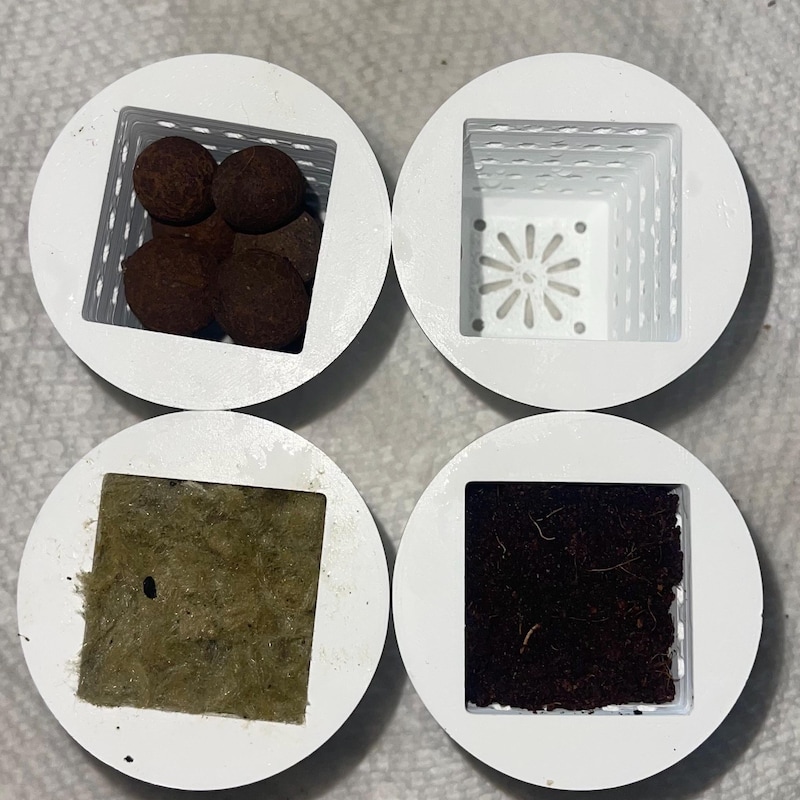
When it comes to substrate, opt for nutrient-rich materials that support root development in low light plants. Fine-grained substrates such as aquasoil or enriched substrate mixes facilitate nutrient absorption and offer stability for plants like Anubias, Java Fern, and Cryptocoryne species. A layer of 1-2 inches is typically sufficient to promote healthy root systems without compromising water flow or circulation.
Lighting Arrangements and Sources
Low light plants require gentle, diffuse lighting that mimics shaded aquatic environments. Selecting appropriate lighting sources is crucial to ensure plants receive adequate light without promoting algae overgrowth. Several options are suitable for low light aquariums:
| Lighting Type | Characteristics | Suitability |
|---|---|---|
| LED Lights | Energy-efficient, customizable spectrum, long lifespan | Ideal for low light setups; can be adjusted to reduce intensity |
| Fluorescent Bulbs | Affordable, widely available, moderate energy consumption | Suitable for low light aquariums; choose bulbs with lower lumen output |
| Compact and Tube Lights | Flexible placement, various color temperatures | Effective for providing diffused, gentle illumination |
When choosing lighting, consider the lumen output and color temperature; aim for around 20-30 lumens per liter of water to avoid excessive algae growth. A color temperature of approximately 6,500K to 8,000K provides a natural, subdued light suitable for low light plants.
For optimal growth, install lighting that provides gentle, diffuse illumination, and avoid intense, direct light sources that may hinder low light plant health and promote algae.
Strategic Plant Placement within the Aquarium
Proper placement of low light plants enhances their growth potential and creates a visually appealing aquascape. Since these plants thrive in shaded or semi-shaded areas, positioning them appropriately within the tank is essential.
Place taller plants towards the back or center of the aquarium to create natural shade, allowing shorter plants to grow in the foreground without excessive light exposure. For instance, Cryptocoryne species and Java Fern can be positioned along the substrate or attached to rocks and driftwood for optimal growth. Shade-tolerant plants like Anubias should be placed where they receive minimal direct light, often attached to decorations or positioned under overhanging foliage.
Ensure there is enough space between plants to allow for growth and proper water circulation. This arrangement not only promotes healthy development but also contributes to a balanced, natural appearance that mimics shaded aquatic habitats.
Lighting Techniques for Promoting Growth in Low Light Conditions
Effective lighting is essential for fostering healthy growth of low light aquarium plants while minimizing the risk of algae overgrowth. Understanding how to tailor your lighting schedule, intensity, and duration can significantly enhance plant vitality and maintain a balanced aquatic environment. Proper light management ensures that plants receive sufficient energy for photosynthesis without providing excessive illumination that encourages unwanted algae proliferation.
Implementing suitable lighting techniques involves establishing an appropriate lighting schedule, selecting the right light intensity, and making adjustments based on the aquarium’s response. These practices help create an optimal environment that supports the growth of low light plants while keeping algae in check, leading to a thriving and visually appealing aquatic ecosystem.
Optimal Lighting Schedules and Durations for Low Light Plants
Low light aquarium plants thrive under carefully managed lighting durations that mimic natural conditions without overstimulating algae growth. An appropriate schedule typically involves providing light for a specific period each day, ensuring plants receive enough energy for photosynthesis without excessive exposure that can promote algae.
Research and practical experience suggest that a daily lighting duration of 6 to 8 hours is ideal for low light plants. This period offers sufficient light for plant health and growth while limiting the risk of algae blooms. Some aquarists prefer a gradual increase or decrease in lighting duration to simulate natural sunrise and sunset effects, promoting a more natural environment for aquatic life.
Sample Lighting Timetable with Specific Hours and Light Intensities
Designing a detailed lighting timetable helps maintain consistent lighting conditions tailored to low light aquarium plants. The following example provides a practical framework:
| Time | Lighting Intensity | Notes |
|---|---|---|
| 08:00 AM – 10:00 AM | Low to Moderate (25-50% of full capacity) | Gradually increasing light to avoid sudden stress on plants and algae |
| 10:00 AM – 04:00 PM | Moderate (50-75% of full capacity) | Peak light period for optimal photosynthesis |
| 04:00 PM – 06:00 PM | Decreasing to Low (25-50%) | Simulating natural sunset conditions, reducing stress |
Adjustments to light intensity can be made based on plant response and algae growth. Monitoring plant health and algae levels regularly helps fine-tune the lighting to achieve a harmonious balance.
Adjusting Light Settings to Prevent Algae Overgrowth While Supporting Plant Health
Striking the right balance between providing enough light for plants and minimizing algae proliferation is crucial. Excessive light, even in low light setups, can lead to algae blooms, which compete with plants for nutrients and oxygen. Conversely, insufficient lighting hampers plant growth and overall aquarium health.
To prevent algae overgrowth:
- Maintain a consistent lighting schedule, avoiding sudden changes that can stress plants and favor algae.
- Use dimmable or adjustable LED lights to precisely control light intensity and duration.
- Incorporate features like timers to automate lighting, ensuring reliable and consistent periods of illumination.
- Regularly monitor algae development and plant health, making gradual adjustments to lighting as needed.
- Ensure adequate nutrient levels and perform regular water changes to reduce excess nutrients that algae thrive on.
Adjusting light exposure based on observed algae growth and plant response is vital. Gradually increase or decrease lighting duration and intensity to find the optimal setting that promotes plant growth without encouraging algae proliferation.
By carefully managing light schedules, intensities, and adjustments, aquarists can foster a healthy environment where low light plants flourish, and algae are kept under control, resulting in a vibrant and balanced aquatic ecosystem.
Soil and Nutrient Management for Low Light Aquarium Plants
Effective soil and nutrient management are fundamental components for promoting healthy growth of low light aquarium plants. Since these plants thrive under subdued lighting conditions, providing the right substrate alongside essential nutrients ensures their vitality and resilience. Proper management minimizes algae proliferation and enhances plant development, creating a balanced aquatic environment.
Choosing the appropriate substrate and fertilization approach is critical in low light setups, as excessive nutrients or unsuitable soils can lead to imbalances, including algae blooms or nutrient deficiencies. Implementing a strategic plan for soil and nutrient supplementation ensures these plants receive adequate nourishment without overreliance on high-intensity lighting.
Optimal Substrate Types and Compositions for Low Light Plants
Low light aquarium plants generally prefer substrates that are rich in organic matter, capable of retaining nutrients effectively, yet gentle on the delicate root systems. The ideal substrate should provide stability, support root penetration, and facilitate nutrient uptake without being overly dense or prone to compaction.
Recommended substrate options include:
- Aquatic Plant Soil: Specialized substrates such as ADA Aqua Soil, Seachem Flourite, or Eco Complete are enriched with minerals and organic materials, offering a nutrient reservoir that benefits low light plants over extended periods.
- Layered Substrate Approach: Combining a nutrient-rich base layer with a finer gravel or sand top layer prevents nutrient leaching while maintaining aesthetic appeal. For instance, using a layer of clay-based soil topped with inert gravel can optimize root growth and nutrient availability.
- Organic Potting Soils: In some cases, inert organic soils, free from fertilizers and additives, can serve as a base, particularly if supplemented with slow-release fertilizers tailored for aquatic environments.
“A well-structured substrate not only supports plant roots but also acts as a slow-release nutrient bank, reducing the need for frequent fertilization.”
Essential Nutrients and Fertilizers for Healthy Low Light Plant Growth
Low light aquatic plants require a balanced supply of macro- and micronutrients to sustain growth, especially since photosynthesis is less vigorous under subdued lighting. Providing these nutrients in appropriate quantities ensures lush foliage and healthy development without promoting algae overgrowth.
Key nutrients include:
| Nutrient | Role | Sources |
|---|---|---|
| Nitrogen (N) | Vital for leaf and stem growth | Ammonia, nitrates, urea |
| Phosphorus (P) | Supports root development and energy transfer | Phosphate-based fertilizers |
| Potassium (K) | Regulates metabolic processes and strengthens cell walls | Potassium sulfate, potassium nitrate |
| Micronutrients | Enzymatic functions and overall plant health | Trace element mixes including iron, manganese, zinc, boron, molybdenum, and copper |
For low light tanks, minimal nutrient dosing is preferable to avoid nutrient build-up. Using fertilizers formulated specifically for aquarium plants, such as liquid fertilizers or root tabs, provides targeted nourishment that complements low light conditions.
Procedural Steps for Fertilizing Low Light Aquariums
Implementing a consistent fertilization routine ensures plants receive adequate nutrients without overfeeding or encouraging algae. The following steps Artikel effective fertilization practices:
- Assess Nutrient Levels: Use test kits to monitor nitrate, phosphate, and iron concentrations regularly. Adjust fertilization accordingly to prevent deficiencies or excesses.
- Apply Liquid Fertilizers: Add liquid fertilizers containing essential macro- and micronutrients, following manufacturer instructions. Typically, dosing once or twice a week suffices for low light tanks.
- Use Root Tabs: Insert root tabs into the substrate near the plant roots every 4–6 weeks. These slow-release fertilizers provide localized nutrients, supporting root development and plant vitality.
- Monitor Plant Response: Observe plant health, coloration, and growth patterns. If leaves yellow or growth stagnates, increase fertilization slightly, ensuring not to overdo it.
- Maintain Consistency: Schedule fertilization routines to coincide with water changes, typically every two to four weeks, to maintain nutrient stability and prevent imbalances.
Water Quality and Maintenance

Maintaining optimal water quality is essential for the health and growth of low light aquarium plants. Proper water parameters, consistent maintenance routines, and appropriate filtration systems create an environment where aquatic plants can thrive without undue stress. Regular monitoring and adjustments ensure that the aquarium remains a stable and healthy ecosystem for your low light flora.Good water quality minimizes the risk of algae overgrowth, plant decay, and fish stress, promoting vibrant and resilient plant growth.
Understanding the specific needs of your low light plants regarding water parameters allows for tailored maintenance routines, leading to a more successful and enjoyable aquascaping experience.
Water Parameters for Low Light Aquarium Plants
The success of low light aquarium plants depends heavily on maintaining specific water parameters that resemble their natural habitats. These parameters influence nutrient uptake, growth rates, and overall plant health.
Optimal water parameters for low light plants generally include:
- pH: Slightly acidic to neutral, typically between 6.0 and 7.5. Many low light plants, such as java fern and Anubias, tolerate a broad pH range but prefer slightly acidic to neutral conditions for optimal growth.
- Temperature: Ranges from 22°C to 28°C (72°F to 82°F). Stable temperatures within this range support metabolic processes and prevent stress in delicate low light species.
- Hardness (GH and KH): Soft to moderately hard water, with General Hardness (GH) around 3-8 dGH and Carbonate Hardness (KH) around 3-8 dKH, provides a stable environment conducive to plant stability and nutrient availability.
Water Quality Maintenance Routines
Sustaining ideal water quality involves regular and systematic maintenance routines that prevent the buildup of toxins and ensure a stable environment for plants and aquatic life.
Implementing the following routines will help maintain optimal water conditions:
- Regular Water Changes: Replace 10-20% of the water weekly to dilute waste products like nitrates and phosphates. Consistent partial water changes prevent nutrient imbalances and maintain clarity.
- Filtration System Management: Use a gentle sponge filter or other low-flow filters suitable for low light setups. Clean the filter media periodically to prevent clogging but avoid complete sterilization to preserve beneficial bacteria.
- Water Testing and Adjustment: Regularly test pH, ammonia, nitrite, nitrate, and phosphate levels using reliable test kits. Adjustments, such as adding buffers or using water conditioners, should be made based on test results to keep parameters within optimal ranges.
- Monitoring for Toxic Buildup: Watch for signs of poor water quality such as algae outbreaks, plant decay, or fish behavior changes. Address issues promptly to prevent long-term damage.
Ideal Water Conditions for Common Low Light Plant Species
To provide a clear reference point, the following table summarizes the preferred water parameters for prominent low light aquarium plants:
| Plant Species | pH Range | Temperature (°C) | Hardness (dGH/dKH) | Notes |
|---|---|---|---|---|
| Java Fern (Microsorum pteropus) | 6.0 – 7.5 | 22 – 28 | 3 – 8 / 3 – 8 | Prefers moderate flow; tolerates wide pH range |
| Anubias Nana | 6.0 – 7.5 | 22 – 28 | 3 – 8 / 3 – 8 | Can thrive in low light; roots should be attached to decor |
| Cryptocoryne Wendtii | 6.0 – 7.5 | 22 – 27 | 3 – 8 / 3 – 8 | Slow-growing; prefers stable conditions |
| Java Moss | 5.0 – 8.0 | 22 – 28 | Varies; soft to hard water acceptable | Very adaptable; excellent for low light environments |
Proper water quality management, including consistent testing, routine water changes, and suitable filtration, creates a resilient environment that supports the growth of low light aquarium plants and ensures a balanced aquatic ecosystem.
Troubleshooting Common Issues with Low Light Aquarium Plants

Maintaining healthy low light aquarium plants can sometimes present unique challenges. Due to the subdued lighting conditions, issues such as algae overgrowth, plant decay, or stunted growth may occur, impacting the overall health and aesthetic of your aquatic environment. Recognizing these problems early and implementing targeted solutions can help restore balance and promote lush, thriving plant life even under limited light conditions.
Enhancing Aesthetic and Functional Aspects of Low Light Aquariums

Creating a visually stunning and functional low light aquarium involves careful planning of plant arrangements and thoughtful integration of decorative elements. Even with subdued lighting, it is possible to craft captivating underwater landscapes that emphasize natural beauty, promote healthy plant growth, and provide an inviting environment for aquatic life.
This section explores strategies for aquascaping with low light plants, arranging them in ways that maximize visual appeal, and incorporating decorative features that complement the natural aesthetic without significantly impacting lighting conditions.
Creative Aquascaping with Low Light Plants
Aquascaping with low light plants requires an understanding of their growth habits, colors, and textures. Combining these elements thoughtfully can result in lush, natural-looking underwater landscapes that evoke serenity and beauty. Emphasizing contrast, layering, and focal points helps to create depth and visual interest in the aquarium.
Designing with low light plants involves selecting species that naturally thrive in subdued lighting, such as Java Fern, Anubias, Cryptocoryne, and Mosses. Arranging these plants in a way that mimics natural environments, like riverbanks or shaded forest floors, enhances realism.
Plant Arrangements and Design Ideas
Organizing plant arrangements strategically enhances both the aesthetic appeal and the health of the aquarium. Here are some effective configurations that utilize low light plants:
| Arrangement Type | Description and Benefits |
|---|---|
| Foreground Carpeting | Utilize low-growing mosses or small plants like Dwarf Baby Tears or Java Moss to create lush carpets that cover the substrate, providing a soft, green foreground that softens the visual impact of the tank and encourages natural behavior in fish. |
| Midground Clusters | Arrange medium-height plants such as Cryptocoryne or Anubias in clusters or groups. This creates a layered effect and adds depth, making the landscape appear more three-dimensional and natural. |
| Background Foliage | Use taller plants like Java Fern attached to driftwood or rocks to form a backdrop. Their vertical growth adds height and draws the eye upward, framing the scene effectively. |
| Plant Arrangement Examples | Visual Arrangement Tips |
| Riverbank Scene | Place taller plants along the back and sides, with low carpet plants in the front, creating a sense of perspective and depth similar to natural riverbanks shaded by trees. |
| Woodland Understory | Arrange mosses and small ferns around driftwood, mimicking a shaded forest floor. This setup fosters a natural, tranquil atmosphere. |
Integrating Decorative Elements
Decorative elements can significantly enhance the visual appeal of a low light aquarium while maintaining a natural and harmonious environment. When selecting ornaments, consider their color, texture, and placement to ensure they complement the plants without requiring additional lighting or disturbing the plant growth.
Natural materials like driftwood, rocks, and leaf litter create authentic scenery that blends seamlessly with low light plants, providing shelter and visual interest for aquatic life.
Decorative items such as hollowed-out logs, submerged branches, and intricately textured stones add dimension and focal points without obstructing light or interfering with plant health. These elements can be arranged to frame or highlight specific plant groups, creating a balanced and inviting landscape.
Colorful pebbles or substrate accents in muted tones can enhance contrast and bring vibrancy without overpowering the subdued lighting conditions. Additionally, placing decorative elements strategically can guide viewers’ eyes across the aquascape, emphasizing its natural beauty.
Last Point
In summary, mastering how to grow low light aquarium plants involves selecting the right species, providing appropriate lighting and nutrients, maintaining proper water conditions, and employing effective troubleshooting strategies. With proper care and planning, your aquarium can become a stunning and healthy aquatic habitat that requires minimal lighting while still showcasing the beauty of low light plants.