Learning how to grow moss in an aquarium opens up exciting possibilities for creating lush, natural underwater landscapes. Moss not only enhances the aesthetic appeal but also contributes to a healthier environment for aquatic life. Understanding the specific requirements and care techniques for moss cultivation can significantly improve your aquascaping success and bring a vibrant, verdant touch to your freshwater setup.
This guide covers essential aspects such as selecting suitable moss species, preparing the environment, planting techniques, optimizing lighting and water conditions, and maintaining your moss to ensure its healthy growth. With proper knowledge and care, you can transform your aquarium into a thriving green oasis that benefits both your aquatic inhabitants and your overall display aesthetic.
Understanding Moss in Aquariums
In freshwater aquariums, moss plays a vital role in creating a natural and thriving environment for aquatic life. Beyond its aesthetic appeal, moss contributes significantly to the ecosystem by providing shelter, aiding in water quality, and supporting biological balance. Cultivating moss in an aquarium requires understanding its specific needs and benefits, ensuring a healthy and sustainable aquatic setting.
Moss species suitable for aquariums are diverse, each with unique characteristics and care requirements. Recognizing the natural conditions under which moss thrives allows hobbyists to replicate these environments, promoting vigorous growth and maintaining overall tank health. This section explores the advantages of cultivating moss, examines popular types compatible with aquarium environments, and discusses the natural conditions essential for their thriving underwater.
Benefits of Cultivating Moss in Freshwater Aquariums
Moss offers numerous advantages that enhance both the aesthetic and ecological aspects of freshwater aquariums. Its presence fosters a more natural habitat, which is particularly beneficial for fish fry, invertebrates, and shy species that seek cover. Additionally, moss helps improve water quality through biological filtration and nutrient absorption, contributing to a balanced ecosystem. Its slow-growing nature also makes it a low-maintenance option for aquarists seeking a sustainable green accent.
Furthermore, moss provides a surface for beneficial microorganisms to colonize, thus aiding in the biological filtration process. This enhances the overall health of the aquarium by reducing toxins such as nitrates and ammonia. The lush, green appearance of moss can also serve as a natural backdrop or foreground, creating a serene and inviting environment that closely resembles natural freshwater habitats.
Types of Moss Suitable for Aquarium Environments
Choosing the right moss species is crucial for successful cultivation. Several types are well-adapted to aquatic settings, each with specific growth habits and care requirements. Here are some popular options:
| Moss Type | Characteristics | Preferred Conditions |
|---|---|---|
| Java Moss (Taxiphyllum barbieri) | Highly adaptable, fast-growing, and low-maintenance; forms dense mats that provide shelter | Low to moderate lighting; tolerates a wide range of water parameters; thrives in low flow conditions |
| Christmas Moss (Vesicularia montagnei) | Distinctive, branchy appearance resembling Christmas trees; slow-growing | Moderate lighting; stable water conditions; requires some trimming to maintain shape |
| Weeping Moss (Vesicularia spp.) | Elegant, cascading growth pattern; ideal for covering rocks and driftwood | Moderate to high lighting; prefers stable water parameters and high humidity in the environment |
| Java Fern Moss (Taxiphyllum sp. ‘Java Fern’) | Often used as a substrate or attached to decorations; easy to propagate | Low to moderate lighting; tolerates a range of water conditions; benefit from attachment to surfaces |
Natural Conditions Needed for Moss to Thrive Underwater
Creating an optimal environment for aquatic moss involves mimicking the natural conditions necessary for its growth. These conditions include aspects of water chemistry, lighting, substrate, and water movement. Ensuring stability and consistency in these parameters fosters healthy, vibrant moss growth.
First, water temperature should generally be maintained between 22°C and 28°C (72°F to 82°F), depending on the specific moss species. Slightly acidic to neutral pH levels of 6.0 to 7.5 are ideal, with minimal fluctuations. Adequate lighting is essential; most mosses thrive under low to moderate light levels, with some species tolerating brighter conditions. Using LED or fluorescent lights designed for aquariums can promote photosynthesis without encouraging excessive algae growth.
In terms of substrate, many mosses prefer to be attached to rocks, driftwood, or substrate surfaces rather than planted in the substrate itself. Proper water flow ensures nutrients reach the moss and prevents stagnation, which can lead to algae overgrowth. Additionally, nutrient-rich water, supplemented with liquid fertilizers or iron, supports robust moss development. Regular water changes help maintain water quality, deterring the buildup of detritus and harmful substances, thus creating a pristine environment for moss to flourish.
Preparing the Aquarium Environment for Moss Growth

Establishing the ideal environment within your aquarium is a fundamental step toward ensuring healthy moss growth. A well-prepared setting not only promotes vibrant and lush moss but also minimizes the risk of unwanted algae or algae-related issues. Careful attention to substrate selection, lighting conditions, and water parameters lays the groundwork for thriving aquatic mosses that enhance both the aesthetic appeal and ecological balance of your tank.
Creating the right environment involves a systematic approach that considers the specific needs of moss species. Proper cleaning and preparation of the aquarium prior to introducing moss are equally critical, as they help prevent contaminants and establish a stable habitat conducive to plant development. This section provides comprehensive guidance on how to set up, clean, and optimize your aquarium environment for successful moss cultivation.
Substrate Selection and Placement
The substrate serves as the foundational base for moss attachment and growth. Selecting an appropriate substrate involves considering both stability and nutrient availability. Gravel or fine sand are common choices, as they provide a gentle surface for moss to cling onto without disturbing delicate root structures. For enhanced growth, adding nutrient-rich substrates such as aquasoil or specialized plant substrates underneath the main gravel layer can supply essential nutrients directly to the moss rhizomes.
When positioning the substrate, ensure it is evenly leveled and has a depth of at least 2-3 centimeters. This depth allows moss to anchor securely and spread naturally. Additionally, creating varied textures can encourage moss to grow in different areas of the tank, enhancing visual interest and ecological diversity.
Lighting Conditions for Optimal Growth
Lighting plays a vital role in moss health and proliferation. Aquatic mosses generally prefer moderate to low lighting conditions, which mimic their natural shaded habitats. Providing too much intense light can lead to unwanted algae growth, overshadowing the moss and hindering its development.
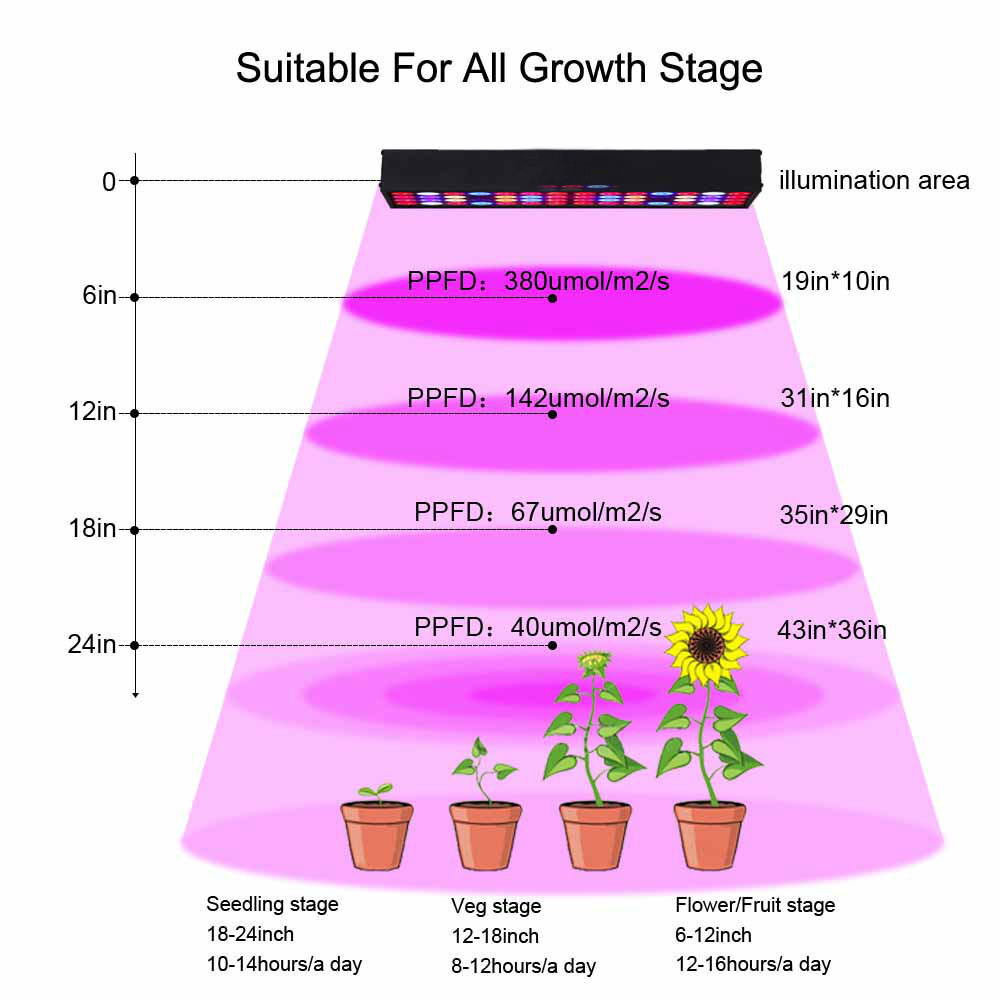
To achieve optimal lighting, use LED or fluorescent lights with a color temperature around 6500K, simulating natural daylight. Position the light source approximately 20-30 centimeters above the water surface and limit the light period to 8-10 hours daily. Incorporating adjustable lighting systems allows for fine-tuning according to moss response and tank conditions. Monitoring algae growth regularly will inform adjustments to lighting duration and intensity, promoting healthy moss with minimal algae interference.
Water Parameters and Maintenance
Maintaining stable water conditions is essential for moss vitality. Consistent and appropriate water parameters prevent stress and disease, supporting vigorous growth. Regular testing and adjustments ensure the environment remains within optimal ranges.
For most moss species, the ideal water parameters include a slightly acidic to neutral pH, moderate temperature, and low to moderate water hardness. Maintaining clean water through regular partial water changes also prevents nutrient buildup and detritus accumulation, which can promote algae overgrowth.
| Parameter | Ideal Range |
|---|---|
| pH | 6.0 – 7.5 |
| Temperature | 18°C – 24°C (64°F – 75°F) |
| Water Hardness (GH) | 3 – 8 dGH |
| Water Softness (KH) | 1 – 4 dKH |
Adjustments may be necessary based on specific moss species and the overall tank environment. Using a reliable aquarium test kit allows for precise monitoring and maintaining stability. Regular cleaning involves siphoning detritus, removing algae, and checking equipment to ensure optimal conditions are sustained.
Prior to introducing moss, thoroughly rinse all substrates and decorations with dechlorinated water. Conduct a complete water change to remove any residues or contaminants, and ensure the tank is free of excess algae or debris. This preparation creates a healthy foundation where moss can establish quickly and grow robustly.
Selecting Appropriate Moss Species

Choosing the right moss species for an aquarium is fundamental to establishing a thriving, aesthetic aquatic environment. Different moss types possess unique growth habits, visual appeal, and care requirements, which can significantly influence the overall success of your aquarium setup. Understanding these differences helps in selecting species that align with your maintenance capacity, aesthetic preferences, and tank conditions.Selecting suitable moss species involves evaluating factors such as growth rate, appearance, and ease of maintenance.
By comparing various species, aquarists can make informed decisions that promote healthy growth and reduce ongoing upkeep. The ideal moss should complement the tank’s aesthetic, support aquatic life, and be compatible with the existing water parameters and lighting conditions.
Popular Moss Species for Aquariums
Below is a comparative overview of some of the most favored moss species used in aquarium settings, highlighting their specific care needs, growth characteristics, and visual traits. This information can guide hobbyists in choosing the most suitable moss for their particular tank environment.
| Moss Species | Growth Rate | Appearance | Maintenance Needs |
|---|---|---|---|
| Java Moss (Taxiphyllum barbieri) | Fast-growing | Dense, bushy, bright green with fine, feathery textures | Low; tolerates a range of water conditions, minimal trimming required |
| Christmas Moss (Vesicularia montagnei) | Moderate | Tree-like, with branching, mossy foliage resembling Christmas trees, darker green | Moderate; benefits from regular trimming to maintain shape |
| Taiwan Moss (Taxiphyllum alternans) | Moderate to Slow | Fine, lush green with a carpet-like appearance | Low; prefers stable water parameters and moderate lighting |
| Fissidens moss (Fissidens spp.) | Slow | Distinctive, with broad, fan-shaped leaves that form dense mats | Moderate; requires consistent moisture and gentle water flow |
When selecting moss species, consider their growth dynamics and maintenance needs relative to your aquarium’s size, lighting, and your willingness to perform regular upkeep. Java Moss, for instance, is highly adaptable and ideal for beginners due to its low maintenance and rapid growth, which makes it excellent for creating lush backgrounds or cover for fry. Conversely, Fissidens moss offers a unique aesthetic with its broad leaves but requires more attentive care to thrive.
Techniques for Planting Moss in an Aquarium
Planting moss in an aquarium requires careful attention to attachment methods and environmental conditions to promote healthy growth and natural spreading. Properly anchoring moss provides stability within the aquatic environment, prevents it from floating away, and encourages a lush, vibrant coverage that enhances both aesthetics and habitat complexity.
Effective planting techniques involve selecting suitable attachment points, using appropriate tools, and adopting procedures that support moss proliferation. Whether attaching to rocks, driftwood, or substrate, each method offers unique advantages and requires specific steps to ensure successful cultivation.
Attaching Moss to Rocks, Driftwood, and Substrates
Securely affixing moss to solid surfaces in the aquarium is crucial to prevent floating and to encourage vertical and spread growth. Different attachment methods are suitable depending on the type of moss and the decorating element involved. Using natural, aquarium-safe materials ensures that the moss remains stable and healthy over time.
Common techniques include tying, gluing, or wrapping moss onto surfaces. Tying involves using fine, biodegradable threads or fishing lines to hold moss in place until it attaches naturally. Gluing with aquarium-safe adhesives provides a quick fixation, especially for delicate mosses or intricate placements. Wrapping moss around branches or rocks using string can also be effective, allowing the moss to grow outward and fill gaps.
Procedures for Planting Moss to Encourage Spreading and Healthy Growth
Proper planting procedures create an environment conducive to moss proliferation. Ensuring good water flow, appropriate lighting, and stable attachment points will foster robust and even coverage. Regular maintenance, such as trimming and cleaning, prevents overgrowth and promotes new growth points.
Begin by preparing the chosen attachment surface, ensuring it is clean and free of debris. Gently press or wrap the moss onto the surface, using the selected attachment method. If tying, secure the moss loosely to allow space for growth. After planting, monitor water parameters to maintain optimal conditions and ensure that the moss receives adequate nutrients and light.
To promote spreading, position moss in areas with moderate water movement, which helps distribute nutrients and prevent stagnation. Regularly trimming the moss encourages new growth and prevents it from becoming overly dense, which could hinder light penetration and airflow.
Tools and Materials Needed for Planting Moss
Successfully planting moss in an aquarium requires specific tools and materials that facilitate attachment and growth. Using the right equipment ensures a clean, efficient process and enhances the likelihood of healthy moss development.
- Fine, biodegradable fishing line or plant ties
- Aquarium-safe superglue or gel adhesive
- Soft-tipped tweezers or planting scissors
- Mesh or netting (optional, for holding moss in place during attachment)
- Clean, prepared rocks, driftwood, or substrates
- Aquarium water to rinse tools and materials
- Gloves (optional, to handle delicate mosses without damage)
Using these tools and materials correctly, along with proper technique, will facilitate a thriving moss population within the aquarium, contributing to a naturalistic and healthy aquatic environment.
Lighting and Water Conditions for Optimal Moss Growth
Achieving healthy and vibrant moss in an aquarium requires careful management of lighting and water conditions. These environmental factors play a vital role in supporting moss photosynthesis, nutrient uptake, and overall vitality. Properly balancing light intensity, duration, water quality, flow, and nutrient levels ensures the moss remains lush, resilient, and thriving over time.Maintaining ideal conditions involves creating a stable environment that mimics natural habitats where moss naturally prospers.
Variations in these parameters can significantly influence moss health, leading to issues such as algae overgrowth, stagnation, or poor attachment. Therefore, understanding and controlling these factors is essential for cultivating beautiful, lush moss in your aquarium.
Lighting Requirements for Aquarium Moss
Lighting is a key driver of photosynthesis, directly affecting moss growth rate, coloration, and density. The goal is to provide sufficient light to promote healthy growth without encouraging algae proliferation or stressing the moss.In terms of intensity, low to moderate lighting is generally most suitable for aquarium moss. LED lights designed for freshwater aquariums with adjustable brightness are preferred because they allow precise control over light levels.
An intensity of around 20-50 PAR (photosynthetically active radiation) is adequate, but this can vary based on moss species and tank setup. Regarding duration, a photoperiod of 8 to 10 hours per day is typically recommended. Consistent daily lighting helps moss establish a regular growth cycle and prevents stress caused by abrupt changes in light exposure. Employing a timer ensures uniformity and reduces the risk of over-illumination, which can promote unwanted algae.
For optimal moss health, maintain a light cycle of 8-10 hours daily with an intensity suitable for the specific moss species, typically within the 20-50 PAR range. Avoid prolonged or intense lighting to prevent algae overgrowth.
Water Quality and Flow Conditions for Moss
The health of aquarium moss is heavily dependent on stable, high-quality water conditions. Regular monitoring and maintenance of water parameters ensure that moss can absorb nutrients efficiently and resist disease.Water parameters should be kept within the following ranges:
- Temperature: 20-24°C (68-75°F). Many moss species thrive within this temperature range, which supports enzymatic processes and metabolic activity.
- pH: 6.0-7.5. Slightly acidic to neutral conditions favor moss attachment and growth.
- Ammonia, Nitrite: Zero. Toxic levels can inhibit growth and cause stress.
- Nitrate and Phosphate: Maintain low to moderate levels to prevent algae blooms while providing essential nutrients.
Good water flow is also crucial. Gentle, consistent movement ensures nutrients are evenly distributed around the moss and prevents debris accumulation. It also discourages stagnant areas where unwanted bacteria or algae can proliferate. Using adjustable powerheads or sponge filters can create a flow pattern that mimics natural streams, promoting healthy, vigorous moss growth.
Maintaining stable water parameters, coupled with gentle water movement, creates an optimal environment that supports moss attachment, nutrient uptake, and resilience against common issues such as algae competition.
Environmental Adjustments for Optimal Moss Cultivation
To optimize moss growth, consider the following environmental adjustments:
- Control Light Exposure: Use shading or adjust light angles to prevent excessive illumination that can trigger algae growth, especially in tanks with high nutrient levels.
- Enhance Water Circulation: Position flow sources to reach all moss surfaces without causing dislodgement; this ensures a steady supply of nutrients and oxygen.
- Maintain Consistent Water Parameters: Regular water changes, typically weekly, help keep nitrate and phosphate levels in check and remove waste products.
- Adjust Nutrient Dosing: Supplement with liquid fertilizers containing trace elements and iron if necessary, ensuring moss receives adequate nutrients without stimulating algae.
- Monitor for Algae and Pest Control: Keep algae in check by controlling light and nutrient levels; remove any pests or detritus that may hinder moss attachment.
- Use Substrate or Attachments: Secure moss to stable surfaces like rocks, driftwood, or mesh to facilitate uniform growth and prevent displacement due to water flow.
These environmental adjustments, combined with proper lighting and water condition management, create an ideal setting for flourishing moss in your aquarium, resulting in a lush, natural aesthetic and a healthy aquatic ecosystem.
Maintenance and Troubleshooting

Proper maintenance and effective troubleshooting are crucial to ensuring the health, density, and aesthetic appeal of moss in an aquarium. Regular care routines not only foster robust moss growth but also help prevent common issues that can compromise the overall environment of the aquatic ecosystem. Addressing problems promptly and systematically ensures that the moss remains vibrant and the aquarium remains a thriving habitat for aquatic life.Maintaining healthy moss involves routine trimming, pruning, and vigilant monitoring of water quality.
Troubleshooting common issues such as algae overgrowth, decay, or surface fouling requires understanding the underlying causes and implementing targeted solutions. Consistent maintenance practices help sustain optimal conditions, promote dense growth, and prevent the development of unwanted algae or pathogens that can hinder moss vitality.
Trimming and Pruning Moss for Density
Regular trimming and pruning are essential to control moss growth, prevent overgrowth, and promote a lush, dense appearance. Properly maintained moss not only looks aesthetically pleasing but also ensures adequate water flow and light penetration across the aquarium.It is recommended to trim moss weekly or bi-weekly, depending on the growth rate. Use sharp, clean scissors or trimming tools to carefully cut back any overgrown or uneven sections.
Focus on removing dead or decaying portions, which can compromise water quality and encourage undesirable microbial activity. Trimming also stimulates new growth, resulting in a more compact and vibrant moss carpet or structure. When pruning, take care to avoid damaging healthier sections to ensure continuous, vigorous growth.
Addressing Common Problems in Aquarium Moss
Aquarium moss can encounter several issues that threaten its health and appearance. Recognizing these problems early and applying appropriate solutions is key to maintaining a stable environment.A prevalent problem is algae overgrowth, which can smother moss, compete for nutrients, and reduce light exposure. To control algae, reduce excess light by adjusting the duration of illumination, decrease nutrient levels through partial water changes, and introduce algae-eating inhabitants like certain snails or small fish.
Increasing water flow and surface agitation can also help prevent algae from settling on moss surfaces.Decay or rotting moss often results from poor water parameters or insufficient nutrients. When moss appears brown or slimy, it indicates decay. Address this by testing water parameters—specifically nitrate, phosphate, and pH—and adjusting them to optimal levels. Enhancing nutrient availability through liquid fertilizers formulated for aquatic plants can promote healthier moss growth.
Removing decayed sections prevents the spread of decay and maintains water quality.
Water Parameter Maintenance and Surface Cleaning Procedures
Consistent monitoring and maintenance of water conditions are vital for moss health and overall aquarium stability. Proper cleaning routines help remove debris, algae, and microbial buildup that can hinder moss vitality.Regularly test water parameters, including temperature (ideally between 22-26°C or 72-78°F), pH (around 6.0 to 7.5), and dissolved nutrients. Maintaining stable parameters minimizes stress on moss and other aquatic inhabitants.
Replace 10-20% of the water weekly to dilute excess nutrients and waste products, and ensure the use of dechlorinated water to prevent chlorine or chloramine toxicity.Cleaning moss surfaces involves gentle removal of algae or detritus without damaging the moss itself. Use a soft brush or siphon to gently clean surfaces during routine water changes. For stubborn algae, a careful manual removal with a soft toothbrush or cloth can be effective.
Avoid harsh chemicals or high-pressure cleaning, which can dislodge or damage delicate moss structures. Keeping the substrate and surrounding decorations clean also reduces the risk of algae proliferation and maintains a healthy environment conducive to moss growth.
Enhancing Aesthetic Appeal with Moss
Creating a visually striking aquascape using moss as a focal point can transform a simple aquarium into a lush, natural habitat that captivates viewers. Moss offers a versatile, low-maintenance option that adds texture, color, and depth to the underwater environment. Its ability to grow on various surfaces allows for creative design possibilities, making it an ideal choice for aquarists seeking both beauty and biological benefits in their setups.Incorporating moss into your aquarium design not only enhances its visual appeal but also provides shelter and breeding grounds for small fish, invertebrates, and microorganisms.
When thoughtfully arranged, moss can serve as a central feature or complement other decorative elements, creating a balanced and harmonious underwater landscape.
Creative Ideas for Designing Aquascapes with Moss as a Focal Point
Designing with moss requires imagination and an understanding of how to integrate it seamlessly into your aquascape. Here are some innovative ideas to highlight moss as the centerpiece of your aquarium:
- Vertical Green Walls: Mount moss on driftwood or rock structures to create vertical, forest-like walls. This technique emphasizes height and adds a lush backdrop that mimics natural forest environments.
- Floating Mounds and Bogs: Use floating mesh or foam bases to cultivate dense moss patches that resemble natural bogs or floating mats, adding layers of depth to the landscape.
- Foreground Textural Accents: Place low-growing moss species at the front of the tank, forming intricate carpets or patterns that draw the eye and soften hardscape features.
- Moss-Covered Rocks and Driftwood: Arrange rocks and wood with attached moss to craft natural-looking islands or forest floor scenes, enhancing realism and visual interest.
- Artistic Sculptures and Hidden Nooks: Incorporate moss to cover sculptures or create secret hideaways, adding a sense of mystery and exploration within the aquascape.
Combining Moss with Other Plants and Decorations for Natural Habitats
Blending moss with a variety of aquatic plants and decorations creates a rich, dynamic environment that closely resembles natural ecosystems. This approach not only enriches the visual complexity but also benefits aquatic life by offering diverse microhabitats.Integrating moss with other plants such as Java fern, Anubias, or Cryptocoryne allows for layered textures and color contrasts, elevating the overall aesthetic. Decorations like rocks, wood, or ceramic structures serve as anchors for moss and plants, facilitating natural growth patterns and providing shelter for inhabitants.This combination fosters a thriving ecosystem, encouraging beneficial bacteria and microorganisms that contribute to water quality.
It also allows for creative arrangements, such as:
- Using moss to soften the edges of hardscapes like rocks and driftwood, creating a seamless transition between elements.
- Forming lush, dense thickets with moss and taller plants, simulating undergrowth in natural forests.
- Designing focal points with moss-covered sculptures or artistic arrangements that stand out amidst other plantings.
- Creating shaded zones using overhanging moss and plants, providing refuges for shy or nocturnal species.
Thoughtfully combining these elements results in a captivating, balanced aquascape that emphasizes natural beauty and offers a comfortable habitat for aquatic life, making the aquarium both aesthetically pleasing and ecologically functional.
End of Discussion
In conclusion, mastering how to grow moss in an aquarium offers a rewarding experience that combines beauty with ecological benefits. By following the Artikeld steps for setup, planting, and maintenance, you can enjoy a lush, natural aquascape that provides shelter for fish and invertebrates while elevating the overall visual appeal of your aquarium. Embrace these techniques to cultivate a vibrant underwater environment that is both sustainable and stunning.