Understanding how to identify healthy aquarium plants is essential for maintaining a vibrant and balanced aquatic environment. Healthy plants not only enhance the aesthetic appeal of your tank but also contribute to a stable ecosystem by providing oxygen, shelter, and nutrient uptake. Recognizing the signs of plant vitality ensures you can promptly address issues and promote optimal growth for your aquatic greenery.
By observing physical characteristics such as vibrant coloration, well-developed roots, and responsive growth to environmental changes, hobbyists can distinguish thriving plants from those in decline. Employing proper assessment techniques and understanding the environmental factors that support plant health will help you create and maintain a flourishing aquatic landscape.
Understanding the Characteristics of Healthy Aquarium Plants
Maintaining a vibrant and thriving aquatic environment begins with ensuring that your aquarium plants are healthy. Recognizing the key features of robust plants can significantly influence the overall health of your aquatic ecosystem. Healthy plants not only enhance the visual appeal of your aquarium but also contribute to water quality and provide shelter for aquatic inhabitants. Therefore, understanding their physical signs and behavioral responses is essential for any aquarist aiming for a balanced and flourishing underwater landscape.
Healthy aquarium plants exhibit specific physical characteristics and respond positively to environmental conditions and maintenance routines. Accurately identifying these signs helps in early detection of stress or disease, allowing timely intervention to promote plant vitality. This section explores the visual cues, growth patterns, and adaptive behaviors that distinguish thriving freshwater plants from their unhealthy counterparts.
Physical Appearance and Vibrant Coloration
Healthy aquarium plants typically display vivid and consistent coloration, which reflects their nutrient intake and overall well-being. Bright greens, reds, or other natural hues are indicators of proper lighting, adequate nutrients, and suitable water conditions. In contrast, dull or faded colors may suggest deficiencies such as low iron levels or insufficient lighting.
For example, a healthy Anubias or Java Fern will show lush, deep green leaves with firm, well-defined edges. Conversely, plants suffering from nutrient deficiencies often develop pale or yellowish foliage, indicating a need for balanced fertilization. Vibrant coloration not only enhances aesthetic appeal but also signifies that photosynthesis is occurring efficiently, supporting plant growth and biological stability within the aquarium.
Signs of Good Root and Leaf Development
Robust root and leaf development are fundamental indicators of healthy aquatic plants. Well-established roots should appear thick, firm, and anchored securely within the substrate, facilitating nutrient uptake from the water column and substrate. Healthy leaves are typically broad, free from holes, tears, or spots, and arranged in a manner that maximizes photosynthesis.
In thriving plants, new growth is often visible as small shoot or leaf buds emerging from the main plant body, demonstrating active growth. The roots should extend outward and downward, especially in rooted plants like Amazon swords or Vallisneria. When plants lack proper development, roots may be thin, pale, or rot, and leaves may be sparse, discolored, or stunted, signaling potential issues such as poor water chemistry or inadequate lighting.
Response to Environmental Changes and Maintenance
Healthy aquarium plants are adaptable and exhibit resilience to routine maintenance and environmental fluctuations. These plants respond by maintaining consistent growth patterns despite changes in lighting schedules, water temperature, or water quality parameters. They quickly recover from minor disturbances, such as trimming or water changes, without exhibiting signs of stress.
For instance, when pruning overgrown stems or removing decayed leaves, healthy plants will produce new shoots rapidly, indicating vigorous vitality. Conversely, plants that do not respond or show signs of wilting, browning, or slow growth may be experiencing environmental stressors. Regular observation of plant responses helps in adjusting care practices, ensuring long-term health and stability within the aquarium ecosystem.
Visual Indicators of Unhealthy or Diseased Plants
Healthy aquarium plants are vital for maintaining a balanced and visually appealing aquatic environment. However, several visual cues can signal underlying health issues or disease processes. Recognizing these signs early allows for prompt intervention, preventing the spread of problems and ensuring the vitality of your aquatic flora.
Understanding common visual indicators of plant distress involves careful observation of leaf coloration, texture, and growth patterns. By identifying symptoms such as discoloration, decay, or physical damage, aquarists can diagnose potential issues ranging from nutrient deficiencies to pest infestations or disease outbreaks. Differentiating between stress-induced symptoms and genuine disease signs is essential, as the latter often require targeted treatments to restore plant health.
Discoloration and Leaf Damage
Discoloration and physical damage to leaves are among the most apparent signs of unhealthy plants. These symptoms often manifest as yellowing, browning, or translucent patches on the foliage. Damage may also include torn, decayed, or wilting leaves that appear sunken or mushy. Such visual cues indicate possible deficiencies, environmental stress, or pathogen activity that hampers photosynthesis and nutrient uptake.
- Yellowing leaves often suggest nitrogen deficiency or poor lighting conditions. However, it can also result from overexposure to intense light leading to stress.
- Browning or blackening of leaf edges may indicate potassium deficiency, decay from bacterial or fungal infections, or improper substrate conditions.
- Decaying or rotting leaves tend to be soft, discolored, and may emit a foul odor. This is typically caused by fungal or bacterial infections, especially in conditions of excess organic matter or poor filtration.
Detection of Pests, Algae Overgrowth, and Infection Signs
Unwanted pests, excessive algae, or infections can significantly compromise plant health. Recognizing their visual cues is crucial for timely management. Pests such as snails, hydra, or certain insect larvae may be visible on or around plants, often causing physical damage or stress responses. Algae overgrowth manifests as slimy, green, or filamentous masses covering plant surfaces, competing for nutrients and light.
- Presence of pests like snails or hydra can be identified through close inspection of the plant surfaces and surrounding substrate. Pests may also leave visible trails or mucus residues.
- Algae overgrowth appears as green filaments, slimy patches, or even brown diatom layers on leaves and stems, often exacerbated by excess nutrients or high light intensity.
- Signs of infection include black spots, fuzzy white or gray mold, or patches of decaying tissue that do not recover despite normal care practices.
Distinguishing Stress-Related Symptoms from Disease
Often, plants exhibit stress-related symptoms that can be mistaken for disease. Differentiating these is essential to avoid unnecessary treatments and to implement appropriate corrective measures. Stress symptoms typically arise from environmental changes, such as lighting, CO2 levels, or water parameters, and usually resolve once conditions are stabilized.
“Stress symptoms often involve temporary leaf curling, translucency, or slight discoloration that improves with environmental adjustments.”
In contrast, disease-related symptoms tend to be persistent, worsen over time, and may be accompanied by specific signs like mold, persistent decay, or pest infestation. For example, a plant showing consistent blackened leaf edges despite stable water parameters indicates a likely disease process rather than simple stress.
- Stress signs include leaf curling, temporary discoloration, or slow growth, which typically improve after correcting environmental issues.
- Disease indicators include persistent decay, fungal growth, or pest presence that do not respond quickly to environmental adjustments and often require targeted treatments.
Tools and Techniques for Assessing Plant Health
Regular assessment of aquarium plants is essential for maintaining a healthy aquatic environment and promoting vigorous growth. Utilizing appropriate tools and employing systematic techniques during routine maintenance can help identify early signs of stress or disease, allowing timely intervention. This process ensures that the plants continue to contribute positively to the overall ecosystem, providing shelter and oxygenation for aquatic life.
Effective evaluation involves a combination of visual inspections, measurement tools, and observational techniques. By establishing a consistent routine, aquarists can quickly detect deviations from healthy plant characteristics and address issues before they escalate. The following sections Artikel practical procedures, a comprehensive checklist for plant vitality, and a comparative table to distinguish healthy from unhealthy plant features.
Procedures for Inspecting Aquarium Plants During Routine Maintenance
Conducting systematic inspections during routine maintenance ensures consistent monitoring of plant health. Begin by gently examining each plant, paying close attention to the overall appearance and specific symptoms that may indicate stress or disease. Use appropriate tools such as magnifying glasses or tweezers to facilitate detailed inspections without causing damage. Document observations in a maintenance journal to track changes over time.
Routine checks should include looking for signs of nutrient deficiencies, pest infestations, or physical damage, enabling early detection and targeted treatments.
Checklist for Evaluating Plant Vitality
Implementing a detailed checklist simplifies the assessment process and helps ensure comprehensive evaluations. The checklist should include the following criteria:
- Leaf Texture: The texture should be firm and resilient. Soft, mushy, or wilted leaves indicate poor health or excess nutrients.
- Color: Healthy plants exhibit vibrant green hues. Pale, translucent, or discolored leaves suggest deficiencies or disease.
- Growth Rate: Consistent new growth indicates vigor. Stunted or halted growth is a sign of stress or suboptimal conditions.
- Root Development: Roots should be firm and well-established. Floating, decayed, or absent roots may signal underlying problems.
Comparison Table: Healthy vs. Unhealthy Aquarium Plants
| Feature | Healthy Aquarium Plants | Unhealthy or Diseased Plants | Indicators |
|---|---|---|---|
| Leaf Appearance | Vibrant green, firm, smooth | Pale, translucent, damaged, or curled | Color loss, tears, holes, or spots |
| Growth Pattern | Steady, new shoots evident | Stunted, no new growth, or irregular growth | Growth stagnation, uneven development |
| Root Health | Strong, white to light brown, anchored well | Decayed, blackened, floating roots | Weak anchoring, root rot signs |
| Presence of Pests/Disease Signs | Absent; no visible pests or fungal spots | Presence of pests, mold, or fungal growth | Visible pests, mold patches, or fungal spores |
Factors Promoting Healthy Aquarium Plants
Creating an optimal environment is essential for fostering resilient and vibrant aquarium plants. The interplay of lighting, carbon dioxide levels, and nutrient availability directly influences plant growth, coloration, and overall health. Understanding how to balance these elements ensures that aquatic plants thrive and contribute positively to the aquarium ecosystem.
Effective management of water parameters, substrate quality, and fertilization routines forms the foundation for maintaining healthy plants. Ensuring that these factors are tailored to the specific requirements of the plant species in your aquarium maximizes growth potential and minimizes the risk of disease or malformation. Implementing best practices in substrate selection and nutrient dosing creates a sustainable environment conducive to lush plant growth.
Optimal Lighting for Aquarium Plants
Proper lighting is fundamental for photosynthesis, the process through which aquatic plants produce energy. The intensity, spectrum, and duration of light exposure significantly impact plant development. Inadequate lighting can result in poor growth, elongated stems, and loss of coloration, while excessive light may lead to algae overgrowth and stress on the plants.
It’s crucial to match the lighting system with the specific needs of the plant species present. For example, low-light plants like Anubias and Java Fern require minimal illumination, whereas high-light species such as Glossostigma or HC Carpet demand intense, full-spectrum lighting. Employing LED lights with adjustable intensity and spectrum allows for precise control, optimizing plant health without encouraging algae proliferation.
CO₂ Levels and Nutrient Balance
Carbon dioxide (CO₂) is a vital element in photosynthesis, directly affecting plant growth rates and vigor. Maintaining adequate CO₂ levels, typically between 10-30 mg/L, enhances photosynthetic efficiency and encourages lush, dense foliage. Supplementing CO₂ through pressurized systems or liquid injections can dramatically improve plant health, especially in densely planted aquariums.
Alongside CO₂, a balanced supply of macronutrients—nitrogen, phosphorus, and potassium—and micronutrients such as iron, manganese, and trace elements are essential. These nutrients support enzymatic functions, chlorophyll synthesis, and overall metabolic processes. Regular testing and appropriate dosing of fertilizers help prevent deficiencies or toxicities that can impair plant growth.
Water Parameter Optimization
Consistent water parameters are critical for maintaining healthy aquatic plants. Parameters such as pH, temperature, and hardness influence nutrient availability and plant metabolism. Most aquatic plants thrive within a pH range of 6.5 to 7.5, with stable temperatures between 22°C and 28°C (72°F to 82°F).
To optimize water quality, regular testing using reliable kits or electronic meters is recommended. Adjustments can be made through water changes, buffering agents, or specialized conditioners. Maintaining appropriate water flow promotes nutrient distribution and prevents stagnation, which could foster algae growth or oxygen depletion.
Substrate Selection and Fertilization Routines
The substrate serves as the primary nutrient reservoir for rooted aquatic plants. Choosing a substrate rich in organic matter and minerals—such as nutrient-rich clay, aquasoil, or specialized plant substrates—provides essential nutrients directly to the roots and supports beneficial microbial activity.
Establishing a consistent fertilization routine involves the use of liquid fertilizers, root tabs, or a combination thereof. Root tabs placed beneath the substrate provide localized nutrients for heavily rooted plants, while liquid fertilizers supply critical elements dissolved in water. Timing and dosage should be adjusted based on plant biomass, growth rate, and observed deficiencies, ensuring continuous nutrient availability without excess that could promote algae.
Selecting the Right Plants for a Healthy Aquarium Ecosystem
Choosing appropriate aquatic plants is a fundamental step toward establishing a balanced and thriving aquarium environment. Proper selection ensures that the plants will adapt well to existing tank conditions, promoting their health and contributing to the overall stability of the ecosystem. When selecting plants, considering factors such as water parameters, lighting, and tank size is essential to foster lush, healthy growth and prevent issues like plant decay or algae overgrowth.
By understanding the specific needs of various plant species and matching them with your aquarium’s conditions, you can create a harmonious environment that supports not only plant vitality but also benefits your aquatic inhabitants. This tailored approach minimizes maintenance and enhances the visual appeal of your tank, making it a sustainable and enjoyable aquatic feature.
Choosing Species Compatible with Existing Tank Conditions
Matching plant species to your aquarium’s current conditions is crucial for their successful growth. Parameters such as water temperature, pH level, hardness, and lighting intensity should align with the requirements of the selected plants. For instance, tropical plants like Anubias and Java Fern thrive well in warm, low to moderate light environments, whereas species like Amazon Sword need brighter lighting and nutrient-rich substrates.
Assessing your tank’s current conditions involves testing water parameters regularly and evaluating lighting arrangements. Introducing plants that are incompatible with existing conditions can lead to poor health, slow growth, or plant loss. Therefore, selecting hardy species that tolerate a range of conditions, or adjusting tank parameters gradually to meet specific plant needs, is a strategic approach to maintaining a resilient aquatic ecosystem.
Resilient Aquatic Plants Suitable for Beginners
For those new to aquarium keeping, choosing resilient and adaptable plants simplifies maintenance and encourages success. These plants are typically forgiving of minor fluctuations in water quality and lighting, making them ideal options for beginners striving for a healthy aquatic environment. Their robustness also helps in stabilizing water quality by absorbing excess nutrients and preventing algae blooms.
Common beginner-friendly plants include Java Fern, Anubias, and Amazon Frogbit. Java Fern, characterized by its tough, leathery leaves, can thrive in low light and does not require substrate planting. Anubias varieties are similarly hardy, with slow growth but excellent adaptability to various water conditions. Amazon Frogbit provides floating vegetation that helps shade the water, reducing algae growth and offering shelter for small aquatic creatures.
Organizing Plant Categories Based on Difficulty, Size, and Growth Rate
Understanding the diversity of aquarium plants involves considering their difficulty level, physical size, and growth rate. Organizing plants into categories helps hobbyists select suitable species aligned with their experience level and tank capacity, while also managing future growth effectively.
| Difficulty Level | Size | Growth Rate |
|---|---|---|
| Easy | Small to medium, typically up to 12 inches | Moderate to fast |
| Intermediate | Medium to large, up to 24 inches or more | Moderate to slow |
| Advanced | Varies, often large or with specific care needs | Variable, often slow |
Examples of easy plants suitable for beginners include Java Fern, Anubias, and Cryptocoryne species, which require minimal maintenance and tolerate a variety of conditions. Intermediate plants such as Vallisneria or Ludwigia can add height and dynamic growth to the tank, while advanced plants like Amazon Sword or certain aquatic mosses may require precise nutrient dosing, CO2 supplementation, and specialized lighting to thrive.
Tip: Matching plant difficulty with your experience level and tank conditions enhances success and enjoyment in maintaining a vibrant, healthy aquarium ecosystem.
Maintenance Practices to Support Plant Health
Consistent and careful maintenance is essential for sustaining healthy aquarium plants, ensuring they thrive amidst the aquatic environment. Proper procedures for trimming, managing algae, and scheduling routine tasks can significantly enhance plant vitality and overall aquarium health.
Implementing effective maintenance practices not only preserves the aesthetic appeal of the aquarium but also prevents the development of diseases and promotes robust plant growth. Regular attention to these aspects creates a balanced ecosystem where plants can flourish and contribute to the health of aquatic life.
Trimming, Pruning, and Removal of Dead or Decaying Material
Regular trimming and pruning are vital activities that help maintain the shape and health of aquarium plants. Removing dead, decaying, or damaged parts prevents the spread of disease, encourages new growth, and improves water circulation around the plants.
Healthy plants can become overgrown, potentially shading lower leaves and reducing light penetration. Therefore, strategic trimming ensures optimal light exposure and nutrient distribution throughout the plant colony. Use clean, sharp scissors or aquascaping tools to make precise cuts, avoiding injury to healthy tissue.
When removing dead or decaying material, consider the following best practices:
- Utilize sterilized tools to prevent the introduction of pathogens.
- Dispose of removed plant matter properly to prevent decomposition in the tank, which can degrade water quality.
- Trim back heavily overgrown stems to promote bushier growth and maintain an attractive layout.
Managing Algae and Preventing Plant Diseases
Algae growth is a common challenge in aquatic environments, often resulting from excess nutrients, too much light, or imbalanced water chemistry. Effective algae management involves controlling these factors to prevent overgrowth that can outcompete healthy plants for nutrients and light.
Implementing strategies such as adjusting light duration, reducing fertilization, and increasing water flow can significantly control algae proliferation. Introducing algae-eating species, like certain shrimp or fish, can also serve as natural biological control agents.
Preventing plant diseases requires maintaining optimal water parameters—appropriate pH, temperature, and nutrient levels. Regular observation of plants for signs of disease, such as discoloration, spots, or frayed leaves, enables early intervention. When diseases are detected, promptly removing affected parts and adjusting water quality parameters can halt their spread.
Key tips for disease prevention include:
- Maintaining a stable environment with consistent temperature and pH levels.
- Providing adequate, but not excessive, lighting to avoid stress-induced susceptibility.
- Using high-quality, balanced fertilizers to support healthy growth.
Weekly and Monthly Maintenance Schedules
Establishing a routine schedule for aquarium maintenance ensures the ongoing health of aquatic plants and the overall ecosystem. Regular tasks help identify and address potential issues before they escalate, creating a stable environment conducive to plant vitality.
Weekly maintenance activities typically include:
- Performing partial water changes of approximately 10-20% to remove accumulated nutrients and waste products.
- Inspecting plants for signs of disease, decay, or nutrient deficiencies.
- Removing any visible algae growth through manual cleaning or the use of algae brushes.
- Testing water parameters such as pH, ammonia, nitrite, and nitrate levels to ensure they remain within suitable ranges.
Monthly maintenance should encompass more comprehensive tasks:
- Deep cleaning of substrate using a siphon to remove detritus and prevent anaerobic zones.
- Trimming and pruning to promote healthy growth patterns and aesthetic appeal.
- Checking and calibrating equipment such as filters, CO2 systems, and lighting to ensure optimal performance.
- Inspecting plants for early signs of disease or pests and taking corrective actions if needed.
Consistent maintenance schedules foster a resilient aquatic ecosystem, diminish the risk of plant diseases, and support lush, healthy growth of aquarium flora.
Common Challenges and Solutions in Maintaining Healthy Aquarium Plants
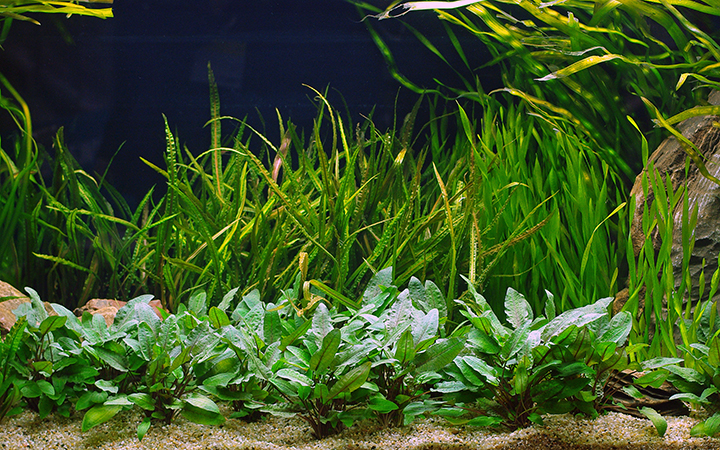
Maintaining vibrant and healthy aquarium plants can sometimes present unique challenges that test even seasoned hobbyists. Recognizing these issues early and understanding effective solutions are crucial for fostering a thriving aquatic ecosystem. This segment explores typical problems encountered in plant health, their causes, and practical remedies to ensure your underwater garden remains lush and resilient.Aquarium plant health can be compromised by a variety of factors, including nutrient imbalances, inadequate lighting, pest infestations, or environmental stressors.
Addressing these challenges requires a combination of targeted interventions and ongoing maintenance practices. By diagnosing issues accurately and implementing corrective actions promptly, aquarists can nurture plants that not only survive but flourish, contributing to overall tank stability and aesthetic appeal.
Nutrient Deficiency
Nutrient deficiencies are among the most common obstacles faced in maintaining healthy aquatic plants. Essential nutrients such as nitrogen, phosphorus, potassium, iron, and trace elements are vital for plant growth. A deficiency in any of these can lead to poor development, yellowing leaves, or stunted growth.Regularly testing water parameters using reliable test kits enables precise identification of nutrient deficiencies. Corrective actions include adjusting fertilizer regimes with comprehensive plant fertilizers that contain macronutrients and micronutrients.
For example, supplementing with iron-rich fertilizers can combat chlorosis, characterized by yellowing leaves with green veins. Incorporating root tabs directly into the substrate can also help supply nutrients directly to the roots of heavy-rooted plants.
Inadequate Lighting
Lighting plays a vital role in photosynthesis, directly influencing plant health and growth rates. Insufficient or inappropriate lighting can result in weak, elongated stems, pale coloration, or slow growth, while excessive lighting may cause algae blooms and stress plants.An optimal lighting setup involves selecting the right intensity, spectrum, and duration tailored to the specific plant species. LED lights with full-spectrum capabilities are highly recommended for their energy efficiency and customizable settings.
Ensuring a photoperiod of approximately 8-10 hours daily mimics natural conditions and prevents stress. Adjustments should be made based on plant response, with some species requiring higher light levels and others thriving in lower light environments.
Pest Infestation
Pests such as snails, algae, or plant-eating invertebrates can damage or weaken aquarium plants. Algae overgrowth, for instance, can overshadow plant leaves, inhibit photosynthesis, and compete for nutrients.Implementing a balanced approach to pest control includes manual removal of pests, controlling light exposure to limit algae growth, and maintaining water quality through regular water changes. Introducing natural predators like certain shrimp or fish species that feed on pests can also help manage infestations.
Additionally, using algae-eating species judiciously ensures a natural and eco-friendly approach, preventing pest populations from becoming overwhelming.
Troubleshooting Table
| Cause | Symptoms | Remedies |
|---|---|---|
| Nutrient deficiency | Yellowing leaves, stunted growth, pale coloration | Increase fertilizer supplementation; add micronutrients; use root tabs as needed |
| Poor lighting conditions | Elongated stems, pale or transparent leaves, slow growth | Upgrade lighting system; extend photoperiod; adjust light spectrum and intensity |
| Pest infestation or algae overgrowth | Uneven leaf damage, excessive algae covering plants, presence of unwanted pests | Manual removal; reduce light duration; introduce natural predators; improve water quality |
| Suboptimal water parameters | Brown or decayed leaves, algae blooms, plant stress | Regular water testing; perform water changes; correct pH, hardness, and temperature |
Closing Notes
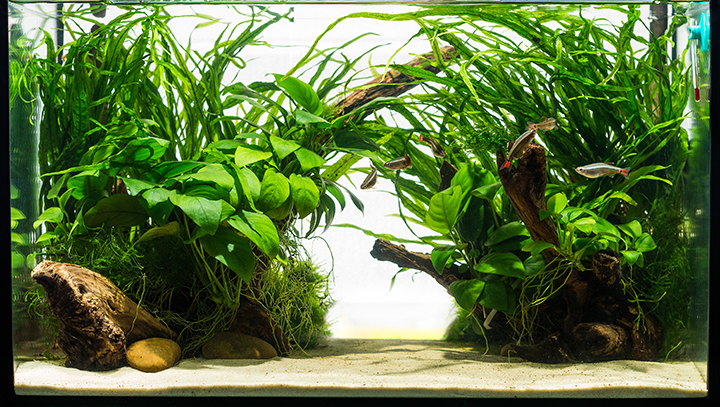
In conclusion, regularly monitoring and understanding the key indicators of healthy aquarium plants is vital for a successful aquatic setup. Implementing proper maintenance routines and creating optimal conditions will ensure your plants remain vibrant and resilient, enriching your underwater ecosystem for years to come.