Introducing the art of planting midground aquarium plants opens up a world of vibrant underwater landscapes that enhance the beauty and depth of your aquascape. Mastering the proper techniques and understanding the specific needs of these plants can transform a simple tank into a lush, natural environment that captivates the viewer’s eye.
This guide explores essential steps for selecting, preparing, planting, and maintaining midground plants, ensuring healthy growth and aesthetic appeal. From choosing the right species to styling your aquascape creatively, you’ll discover how to create a balanced and thriving underwater scene that provides both visual pleasure and a healthy habitat for aquatic life.
Understanding Midground Aquarium Plants
Midground aquarium plants serve as vital components in creating a balanced and visually appealing aquascape. Positioned between the foreground and background, these plants provide depth, contrast, and a natural progression within the tank, enhancing the overall aesthetic harmony.
Incorporating midground plants not only elevates the visual complexity of the aquarium but also contributes to a healthier ecosystem. They offer shelter and breeding grounds for fish and invertebrates, improve water quality by absorbing nutrients, and help establish a natural environment that mimics aquatic habitats found in nature.
Definition and Role in Aquascaping
Midground plants are dedicated aquatic flora that occupy the middle zone of an aquarium, typically growing to a moderate height. Their strategic placement frames the foreground and background, creating a layered and three-dimensional visual effect. They are essential for crafting a realistic and cohesive underwater landscape.
Common Midground Aquarium Plant Species
Choosing the right species is crucial for achieving desired aesthetic and growth compatibility. These plants are characterized by their moderate height, leaf structure, and ease of maintenance. Below is a list of popular midground species along with their key features:
| Species | Characteristics | Growth Requirements |
|---|---|---|
| Echinodorus bleheri (Amazon Sword) | Large, broad leaves with a lush green appearance; creates a focal point in the midground. | Moderate lighting; nutrient-rich substrate; CO2 injection enhances growth. |
| Cryptocoryne spp. (Crypts) | Variety of leaf shapes and colors; slow-growing and adaptable. | Low to moderate lighting; adaptable to various water parameters; prefers stable conditions. |
| Hemianthus callitrichoides (Dwarf Baby Tears) | Compact, low-growing with tiny leaves; great for filling gaps. | High lighting; CO2 supplementation; nutrient dosing required for optimal growth. |
| Vallisneria spp. (Vallisneria) | Ribbon-like leaves that sway gently; propagates easily via runners. | Moderate lighting; adaptable to a range of water conditions. |
| Anubias barteri (Anubias) | Thick, dark green leaves; slow-growing but hardy. | Low to moderate lighting; thrives attached to rocks or driftwood. |
Benefits of Including Midground Plants
Integrating midground plants into an aquarium offers numerous advantages that contribute to both aesthetics and ecological balance. Their presence enhances visual depth, providing a natural backdrop that complements the foreground and background elements.
Midground plants also serve functional purposes such as reducing algae growth by competing for nutrients, providing shelter for small fish and invertebrates, and aiding in biological filtration. Their diverse growth habits and foliage textures add complexity and visual interest, making the aquarium more engaging and lifelike.
Midground plants create a seamless transition within the aquascape, fostering a natural underwater environment while supporting the overall health of the ecosystem.
Selecting the Right Midground Plants
Choosing appropriate midground aquatic plants is essential for creating a balanced and visually appealing aquarium. The selection process involves assessing various factors such as growth characteristics, lighting requirements, and the overall size of the plants to ensure they thrive in your specific setup. Proper selection not only enhances the aesthetic appeal but also promotes a healthy environment for your aquatic life.
Understanding the criteria for selecting healthy midground plants helps prevent future issues related to overgrowth, inadequate lighting, or incompatible species. It allows hobbyists to tailor their plant choices to their skill level, available equipment, and desired maintenance routine. Considering these factors ensures a thriving, low-maintenance, and vibrant aquascape.
Criteria for Choosing Healthy Midground Aquatic Plants
When selecting midground plants, it is important to evaluate their health and suitability based on several key criteria. These include growth rate, lighting needs, and mature size. Healthy plants are vigorous, free from pests or diseases, and exhibit bright, uniform coloration. Ensuring the plants meet your aquarium’s conditions will lead to a lush and sustainable midground layer.
- Growth Rate: Determine whether you prefer slow, moderate, or fast-growing species based on your maintenance capacity. Fast growers provide rapid coverage but may require more pruning, while slow growers demand less attention but may take longer to establish.
- Lighting Needs: Match the plant’s light requirements with your aquarium’s lighting setup. Some plants thrive under high-intensity LED lighting, whereas others prefer low to moderate light conditions.
- Size and Growth Habit: Select plants that will reach the desired height and spread without overpowering the tank or crowding other species. Consider their growth habit—whether they grow upright, sprawling, or bushy—to achieve the intended visual effect.
Comparison Table of Popular Midground Aquarium Plants
Reviewing care requirements, growth habits, and compatibility helps in making informed choices. The table below summarizes four popular midground species, highlighting their essential characteristics to assist hobbyists of varying skill levels.
| Plant Species | Care Requirements | Growth Habit | Compatibility |
|---|---|---|---|
| Cryptocoryne wendtii | Low light, moderate nutrients, adaptable to a range of pH | Upright, rosette-forming, slow to moderate growth | |
| Vallisneria spiralis | Moderate light, prefers open space, steady nutrients | Long, ribbon-like leaves growing vertically, fast grower | |
| Anubias barteri | Low to moderate light, low nutrients, hardy | Low-growing, bushy, slow to moderate growth | |
| Rotala rotundifolia | Moderate to high light, rich nutrients, CO₂ supplementation recommended | Fine, bushy, fast-growing stem plant |
Low-Maintenance versus Fast-Growing Midground Plants
Depending on your experience level and maintenance preferences, selecting plants that align with your capabilities can simplify aquascaping. Low-maintenance options are ideal for beginners or those with limited time, while fast-growing species suit hobbyists seeking rapid coverage or more dynamic layouts.
Low-maintenance plants such as Cryptocoryne wendtii and Anubias barteri require minimal pruning and tolerate less-than-ideal conditions, making them perfect for beginners or busy aquarists.
Fast-growing plants like Vallisneria spiralis and Rotala rotundifolia can quickly fill in spaces, creating lush backgrounds and midground density, but may require regular trimming and nutrient dosing to prevent overgrowth.
Preparing the Aquarium for Planting
Proper preparation of the aquarium environment is essential for establishing healthy midground aquarium plants. This phase ensures that the substrate, water conditions, and layout are optimized to support robust plant growth and create an aesthetically pleasing aquascape. Investing time and effort in this preparatory stage lays a solid foundation for successful planting and long-term maintenance.
Attention to detail during setup minimizes issues such as plant decline, algae overgrowth, and unstable water parameters. A well-prepared environment not only promotes plant health but also enhances the overall balance and visual harmony within the aquarium, resulting in a thriving underwater landscape that mimics natural ecosystems.
Preparing the Substrate
The substrate serves as the root zone for midground plants, providing essential nutrients and anchorage. Selecting the appropriate type and properly preparing it are critical steps for plant vitality. A suitable substrate encourages healthy root development, supports beneficial bacteria, and prevents issues like compaction or nutrient deficiency.
- Types of Substrate: For midground plants, nutrient-rich substrates such as laterite, clay-based substrates, or specially formulated aquatic plant substrates are recommended. These substrates contain trace elements and nutrients that promote lush foliage. In some cases, a layered approach with a nutrient-rich base topped with inert gravel or sand can optimize both aesthetics and plant health.
- Preparation Steps: Rinse the substrate thoroughly to remove dust and debris, which can cloud the water and introduce unwanted particles. If using a layered approach, add the nutrient-rich layer first, followed by the inert top layer. Ensure the substrate is evenly distributed across the tank floor, creating a gentle slope from the background to the foreground to enhance depth perception and provide visual interest.
Conditioning Water and Setting Parameters
Achieving optimal water conditions is vital for midground plant health and overall aquarium stability. Proper water conditioning involves adjusting parameters such as pH, hardness, and temperature to match the requirements of the selected plant species. Maintaining consistent and appropriate water quality minimizes stress and promotes vigorous growth.
- Water Parameters: Most midground aquatic plants thrive in water with a pH between 6.5 and 7.5, soft to moderately hard water (3-12 dGH), and a temperature range of 22-26°C (72-78°F). Regular testing using reliable kits ensures parameters remain within optimal ranges.
- Water Conditioning: Use water conditioners to remove chlorine, chloramine, and heavy metals. When setting up or performing water changes, ensure the water temperature matches the aquarium to prevent shock. For planted tanks, incorporating liquid fertilizers into water changes or using root tabs can supply necessary nutrients efficiently.
- Monitoring and Adjustments: Continuous monitoring with pH meters and hardness test kits helps detect fluctuations. Adjustments such as adding peat moss for softening or mineral supplements for hardness are applied gradually to avoid sudden changes that could stress plants or fish.
Arranging the Aquarium Layout with Midground Focus
Strategically positioning midground plants enhances the depth and visual flow of the aquarium. Proper layout planning creates a natural transition from foreground to background, emphasizing focal points and ensuring a balanced composition. Thoughtful arrangement fosters a more dynamic and realistic aquatic landscape.
When designing the layout, consider the following principles:
- Layering and Depth: Place taller midground plants toward the center or back of the middle zone, allowing shorter plants to occupy the front and foreground. This layering adds depth and creates a three-dimensional effect.
- Grouping: Cluster similar plants in small groups rather than evenly spacing them. This mimics natural plant growth patterns and produces a more organic appearance.
- Focal Points: Use midground plants to highlight specific features, such as rocks, driftwood, or background plants. Arranging plants asymmetrically can draw the viewer’s eye across the aquascape, creating visual interest.
- Flow and Balance: Ensure that plant placement maintains visual balance, avoiding overcrowding or empty spaces. Consider the flow of light and water circulation to prevent stagnant areas and promote healthy growth throughout the layout.
Planting Techniques for Midground Aquarium Plants
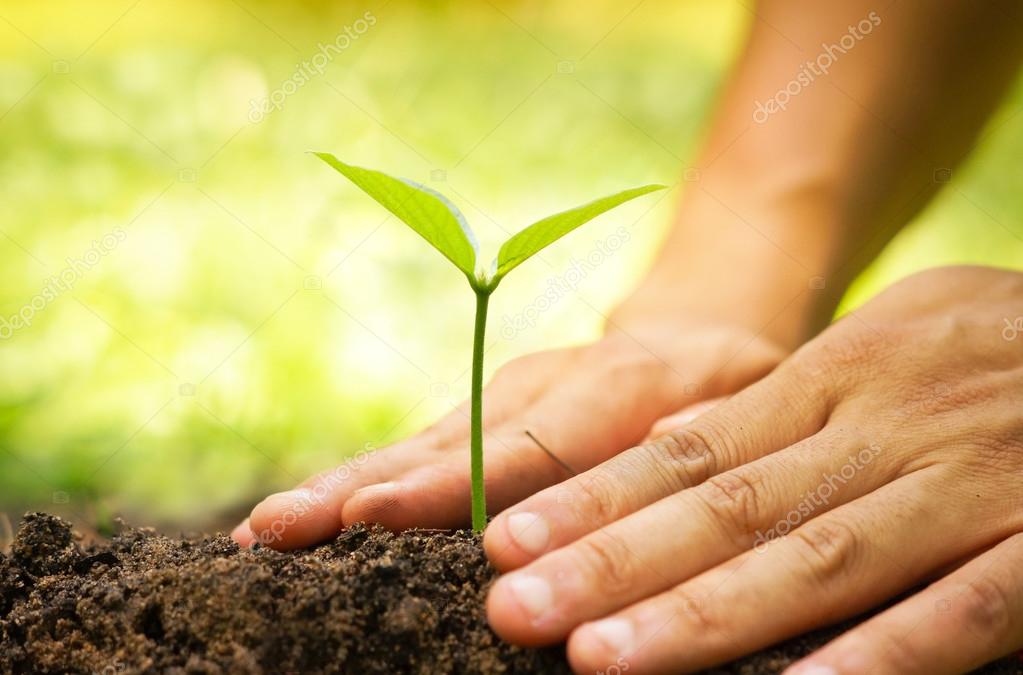
Proper planting techniques are essential for establishing healthy and visually appealing midground aquatic plants. These methods ensure that plants develop strong root systems, maintain proper positioning, and create a balanced ecosystem within the aquarium. A well-executed planting process not only contributes to the aesthetic appeal but also promotes the overall health and longevity of the plants.
Implementing precise planting procedures involves careful preparation of the substrate, correct depth placement, and strategic spacing between plants. These steps help prevent issues such as overcrowding, root rot, or poor growth, ensuring a thriving midground arrangement that mimics natural aquatic environments. Additionally, styling tips can assist in creating a natural-looking, harmonious layout that enhances the visual depth and dimension of the aquarium.
Step-by-Step Procedures for Planting Midground Species into Substrate
Consistent and methodical planting practices are fundamental to establishing a healthy midground zone. Follow these detailed steps to ensure successful planting:
- Prepare the Plants: Gently remove the plants from their nursery containers or packaging, carefully rinsing off excess substrate or debris. Trim any damaged or overly long roots with sterilized scissors to promote healthy growth.
- Choose the Correct Substrate: Use a nutrient-rich substrate suited for aquatic plants, such as a planted tank substrate or nutrient-rich gravel. Ensure the substrate is adequately moist but not overly wet to facilitate easy planting.
- Positioning the Plants: Hold the plant by the root ball or crown, avoiding excess handling of the foliage to prevent damage. Insert the root zone into the substrate at a slight angle or vertically, depending on the species’ natural growth habit.
- Planting Depth: Insert the roots approximately 1 to 2 inches deep, ensuring the crown remains just above the substrate surface to prevent rot, but not exposed excessively.
- Secure the Plant: Gently press the substrate around the roots to eliminate air pockets and provide stability. Use a planting stick or tweezers for precision in tight spaces.
Ensuring Proper Depth and Spacing for Healthy Growth
Maintaining optimal depth and spacing between plants is crucial for their development and the overall aesthetic of the midground. Proper spacing allows for adequate light penetration, water circulation, and nutrient distribution, reducing competition among plants and minimizing the risk of disease.
Typically, midground plants should be spaced at intervals of about 2 to 4 inches. Taller species should be positioned towards the back of the midground zone, while shorter ones are placed at the front to create depth and perspective. When planting, ensure each plant has enough room to grow without crowding its neighbors, which can lead to stunted growth or rot.
Proper spacing and depth are the foundation for vibrant, healthy midground aquatic plants, allowing them to flourish and contribute to a natural aquatic landscape.
Styling Tips for Creating Natural-Looking Midground Arrangements
Achieving a natural and harmonious midground layout involves strategic placement and aesthetic consideration. Here are some styling approaches:
- Vary Heights and Textures: Combine tall, bushy plants with shorter, leafy varieties to mimic natural aquatic plant communities. Use species with different leaf shapes and colors to add visual interest.
- Cluster Similar Species: Grouping plants of the same species creates natural-looking clusters, replicating how plants grow in the wild. Stagger plant positions within clusters to avoid rigid symmetry.
- Implement Layering: Arrange taller plants towards the back of the midground, gradually transitioning to shorter plants at the front. This layering adds depth and dimension to the aquascape.
- Use Natural Elements: Incorporate decorative stones, driftwood, or substrate variations around planting areas to enhance realism and provide additional stability for plants.
By paying attention to these styling principles, aquarists can craft a midground landscape that appears organic and balanced, creating a captivating focal point within the aquarium environment.
Essential Care and Maintenance
Maintaining midground aquarium plants is vital for their health, growth, and the overall aesthetics of the aquarium. Proper care involves a combination of watering, fertilization, and CO2 injection practices tailored specifically to these plants. Regular maintenance routines help prevent common issues such as algae overgrowth and nutrient deficiencies, ensuring a vibrant and thriving aquatic environment.A well-planned care regimen contributes to the longevity and beauty of midground plants.
These plants, often situated in the middle of the aquarium, benefit from consistent nutrient supply and environmental stability. Understanding the specific needs of each species enables aquarists to optimize growth and minimize problems like algae proliferation or stunted development.
Watering, Fertilization, and CO2 Injection Practices
Aquarium plants rely on the surrounding water for nutrients, making water quality and nutrient delivery critical. Midground plants generally absorb nutrients through their leaves and roots, necessitating a balanced approach to watering and fertilization.
- Water Quality: Maintain stable water parameters, including temperature, pH, and hardness, suitable for the specific plant species. Regular water changes—approximately 25% weekly—help dilute waste products and replenish essential nutrients.
- Fertilization: Use liquid fertilizers containing macro- and micronutrients, such as nitrates, phosphates, potassium, iron, and trace elements. Applying fertilizers weekly, following manufacturer dosage instructions, supports healthy growth without encouraging algae.
- CO2 Injection: Supplementing with CO2 enhances plant growth, especially in densely planted tanks or with fast-growing species. Utilize a reliable CO2 system that allows precise control of injection rates. Typically, 15-30 ppm of CO2 is optimal, but adjustments may be necessary based on plant response and fish tolerance.
Consistent and balanced CO2 levels combined with proper fertilization significantly improve plant vitality, leading to lush midground greenery and reduced algae problems.
Weekly Maintenance Checklist
Implementing a routine weekly maintenance schedule ensures midground plants remain healthy, free from pests, and aesthetically appealing. Regular checks facilitate early detection of issues and maintain the overall health of the aquatic environment.
- Pruning: Remove dead, yellowing, or overgrown leaves to promote new growth and prevent decay, which can contribute to water quality issues. Use clean, sharp scissors for precise cuts that minimize plant stress.
- Algae Control: Inspect for algae overgrowth on plant surfaces or decorations. Use gentle scrubbing or algae-eating species to control outbreaks. Adjust lighting duration and intensity if algae recurs frequently.
- Nutrient Monitoring: Test water parameters for nitrate, phosphate, and iron levels weekly. Supplement with fertilizers if nutrient levels fall below optimal ranges, typically nitrates between 5-20 ppm and iron at trace levels.
- Water Parameters: Verify temperature, pH, and hardness remain within the suitable range for the specific plants. Record readings to identify trends or fluctuations requiring correction.
Troubleshooting Common Issues
Addressing problems promptly maintains plant health and prevents long-term damage. Recognizing early signs of issues allows for effective intervention.
- Stunted Growth: Often caused by insufficient nutrients or inadequate CO2. Increase fertilization frequency or dosage, and ensure CO2 injection meets the plants’ requirements. Confirm that lighting is appropriate—neither too weak nor excessively intense.
- Algae Overgrowth: Typically results from excess nutrients, too much light, or imbalanced CO2 levels. Reduce photoperiod duration, lower light intensity, and ensure proper fertilization balance. Introducing algae-eating species like Amano shrimp or certain snails can also help control algae naturally.
- Yellowing or Melting Leaves: May indicate nutrient deficiencies, particularly iron or potassium. Supplement with targeted fertilizers containing these micronutrients. Adjust water parameters if necessary to improve uptake.
Consistent monitoring, timely pruning, and balanced nutrient management are key to maintaining healthy midground aquarium plants and achieving a beautiful, sustainable aquatic landscape.
Enhancing Growth and Aesthetic Appeal
Creating a visually stunning and healthy midground in your aquarium requires more than just initial planting. Employing advanced techniques helps cultivate lush, vibrant plant growth and elevates the overall aesthetic. Properly managing these elements ensures your aquatic landscape remains dynamic, balanced, and captivating through various seasons and themes.A well-executed approach to midground plant care involves strategic plant trimming, propagation methods, and thoughtful design adjustments.
These practices promote vigorous growth, prevent overcrowding, and maintain the desired layout, all while enhancing visual appeal. Combining midground plants seamlessly with background and foreground species results in a cohesive and natural-looking aquascape that mimics real aquatic environments.Incorporating seasonal or thematic variations into midground planting arrangements can invigorate your aquarium’s appearance throughout the year. These styling ideas add diversity and interest, allowing your aquatic landscape to reflect changing moods, celebrations, or nature-inspired themes.
Plant Trimming and Propagation for Lush Growth
Maintaining thriving midground plants involves regular trimming to encourage healthy, dense growth and prevent overgrowth that might overshadow other species. Using sharp, sterilized scissors, trim back overgrown stems just above a leaf node to stimulate new shoots and maintain the plant’s shape. This practice not only fosters fullness but also reduces the risk of disease and decay.Propagation techniques, such as division and stem cuttings, enable you to expand your plant collection efficiently.
Stem cuttings can be rooted in water or directly inserted into the substrate, providing a cost-effective way to create more lush foliage. When propagating, ensure the cuttings are healthy and free from pests or diseases to promote successful establishment.
Proper trimming and propagation are essential for maintaining the health, density, and aesthetic quality of midground aquarium plants. These practices also allow for creative design adjustments, giving aquascapers the flexibility to evolve their layouts over time.
Design Adjustments for Optimal Aesthetics
Adjusting your plant placement and arrangement is vital to achieving a balanced and harmonious aquascape. Regularly assessing the growth patterns and density allows for strategic repositioning or thinning of plants to avoid overcrowding. This not only improves water flow and light penetration but also promotes even growth across your midground.Incorporate visual balance by varying plant heights, leaf textures, and colors.
For instance, pairing taller, bushy species with shorter, fine-leaved plants creates depth and visual interest. Pruning back some plants periodically allows for the introduction of new growth points and helps maintain the intended design.
Design adjustments should be guided by an overarching aesthetic vision, ensuring that the midground complements the background and foreground, resulting in a natural and appealing aquascape.
Combining Midground with Background and Foreground Species
Achieving a cohesive aquascape involves integrating midground plants smoothly with background and foreground species. Typically, background plants are taller and provide a lush backdrop, while foreground plants are shorter and create intimacy at the front. Midground plants serve as a transitional zone, bridging these layers to create depth and perspective.Select plant species with complementary textures and colors to enhance the visual flow.
For example, pairing fine-leaved plants in the midground with broad-leaved background plants emphasizes layering, while low-growing foreground plants like carpeting species add a lush base.Consider the growth rates and maintenance needs of each layer to prevent dominance or imbalance. Regular thinning and strategic placement maintain harmony among different zones, leading to a balanced and vibrant aquascape.
Styling Ideas for Seasonal and Thematic Variations
Introducing seasonal or thematic elements into midground planting arrangements allows for a dynamic and engaging aquarium display. For spring, incorporate bright, emerging new growth and vibrant flowering plants to evoke freshness. Summer themes may feature lush, dense foliage with lively colors, while autumn-inspired setups can include plants with warm hues and textured leaves.For special occasions or thematic designs, consider adjusting plant positioning and adding decorative elements such as miniature structures, aquascaping ornaments, or themed backgrounds.
For example, a Japanese-inspired aquascape might feature carefully pruned plants, moss accents, and stone arrangements to evoke tranquility, while a tropical theme could focus on bold, colorful midground species paired with vibrant foreground and background plants.Seasonal styling encourages regular re-evaluation and creative rearrangement, keeping your aquarium lively and reflective of different environments or celebrations throughout the year.
Concluding Remarks
In summary, successfully planting midground aquarium plants involves thoughtful selection, proper preparation, precise planting techniques, and ongoing maintenance. By applying these principles, you can craft a stunning and sustainable aquascape that highlights the natural beauty of your aquatic environment. Embrace the process and enjoy the rewarding journey of creating your perfect underwater landscape.