Discovering effective methods to propagate aquarium plants can significantly enhance the vitality and aesthetics of your aquatic environment. Whether you are a seasoned aquarist or a beginner, understanding the various propagation techniques opens the door to fostering lush, thriving aquatic greenery that benefits both your fish and your overall ecosystem.
From simple cuttings to seed sowing, each propagation method offers unique advantages suited to different plant types. Carefully setting up your aquarium to support these processes ensures optimal growth and health, transforming your tank into a vibrant underwater garden.
Overview of Aquarium Plant Propagation
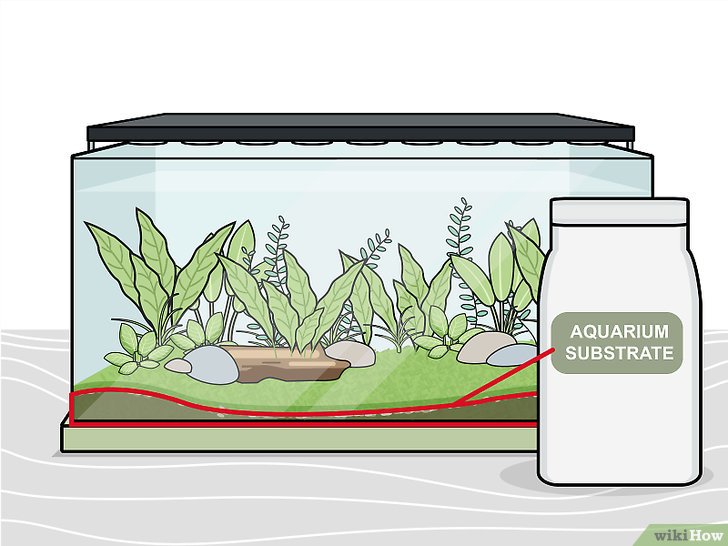
Propagating aquarium plants is a vital practice for maintaining a thriving and balanced aquatic ecosystem. It not only ensures the sustainability of plant populations within the tank but also promotes healthier environments for fish and invertebrates alike. Proper propagation techniques can reduce the need for frequent plant purchases, saving costs while enhancing the visual appeal of the aquarium.
Understanding the basic concepts of plant propagation in an aquarium setting involves recognizing the natural methods plants use to reproduce and how these can be replicated artificially. Most aquatic plants propagate through methods such as splitting, runners, adventitious shoots, or rhizome division. These techniques, when applied correctly, lead to the growth of new, healthy plants from existing ones, fostering a lush and vibrant underwater landscape.
Setting Up Propagation Zones within an Aquarium
Creating dedicated zones within an aquarium facilitates efficient plant propagation and ensures that new plants develop in optimal conditions. This approach minimizes competition with established plants and provides a controlled environment for growth. Proper zone setup involves considering factors such as lighting, substrate composition, water flow, and nutrient availability.
To set up effective propagation zones, follow these key steps:
- Identify Suitable Areas: Select regions within the aquarium that receive adequate light and have stable water parameters. Often, the corners or designated shelves can serve as ideal zones for propagation.
- Adjust Lighting Conditions: Ensure these zones have sufficient light intensity and duration, tailored to the specific needs of the plant species being propagated. Use adjustable LED lights or focused spotlights if necessary.
- Optimize Substrate Composition: Use nutrient-rich substrates or layer specific materials such as gravel or fine sand to encourage root development. For plants propagated via runners or cuttings, a loose substrate allows for easy anchoring.
- Control Water Flow: Keep water movement gentle within propagation zones to prevent dislodging new shoots or cuttings. Use adjustable flow pumps or position output jets to maintain calm water conditions.
- Maintain Nutrient Levels: Regularly supplement with liquid fertilizers or root tabs to support the growth of new plants. Monitoring and adjusting nutrient levels are essential for healthy propagation.
Establishing dedicated propagation zones fosters a controlled environment that enhances the success rate of plant reproduction, resulting in a lush and balanced aquarium ecosystem.
Propagation Methods for Aquarium Plants
Propagating aquarium plants effectively ensures a thriving and lush underwater environment, promotes sustainable cultivation, and helps maintain the health of your aquatic ecosystem. Understanding the various propagation techniques allows hobbyists to select the most suitable method for each plant type, maximizing growth and ensuring successful reproduction in a controlled environment.
Each propagation method offers unique advantages and limitations, making it important to consider the specific requirements of different aquatic plants. Whether through division, cutting, runners, or seed sowing, selecting the appropriate approach can significantly influence the ease and success of plant propagation in an aquarium setting.
Division
Division involves separating a mature plant into smaller sections, each capable of growing independently. This method is particularly effective for plants that naturally form clumps or rosettes, such as Java Fern, Anubias, and some types of Vallisneria. The process typically involves carefully removing the plant from the substrate, gently dividing the root system or rhizome, and replanting the sections in suitable locations within the aquarium.
The primary advantage of division is that it allows for rapid multiplication of established plants with minimal equipment. It is also a natural method that preserves the genetic integrity of the parent plant. However, it can be limited by the size and growth habit of the plant; some species may require specialized tools or careful handling to prevent damage, and over-dividing can stress the plant, affecting its long-term health.
Cuttings
Cutting involves severing a portion of a plant, such as a stem or leaf, and encouraging it to develop roots and new growth. This technique is commonly used for stem plants like Hygrophila, Ludwigia, and Bacopa. To propagate via cuttings, a healthy section of stem, typically 4 to 6 inches long, is cut just below a node, planted in substrate or anchored in the gravel, and provided with optimal lighting and nutrients to promote rooting.
The advantages of cuttings include straightforward execution and the ability to produce multiple new plants from a single parent. They also enable hobbyists to control the shape and size of the new plants. Limitations include the requirement for attentive maintenance to keep cuttings healthy, potential susceptibility to algae or rot, and the need for patience as roots develop, which can take several weeks.
Runners
Runners are horizontal stems that grow outward from the parent plant, producing new plantlets at nodes along their length. This method is typical of plants like Java Moss, Anacharis, and some types of Rotala. Runners naturally propagate by sending out shoots that develop roots when they contact the substrate or are helped along with gentle anchoring. This method allows for rapid coverage and dense plant growth, often creating a natural carpet effect.
The main advantage of runners is their efficiency in creating dense plantings with minimal intervention, making them ideal for carpeting plants. However, they can be difficult to control, sometimes leading to overgrowth or crowding if not managed properly. Additionally, some plants may produce runners infrequently or require specific conditions to do so successfully.
Seed Sowing
Seed sowing involves germinating seeds to produce new plants. This method is essential for annual aquatic plants, rare species, or those propagated through sexual reproduction. The process involves collecting mature seeds, placing them in a suitable medium such as fine substrate or water, and providing the right conditions of light, temperature, and nutrient availability to facilitate germination.
Seed propagation allows for genetic diversity and the potential for unique plant varieties. It is especially valuable for breeding new strains or restoring populations of native aquatic plants. However, seed sowing presents several limitations; germination rates can be low, and seedlings are often delicate and slow-growing, requiring careful management to prevent damping-off or inadequate development.
Propagation Methods Comparison Table
| Method | Suitable Plant Types | Required Tools |
|---|---|---|
| Division | Java Fern, Anubias, Vallisneria, Cryptocoryne | Sharp scissors or knife, gloves, clean container |
| Cuttings | Stem plants like Hygrophila, Ludwigia, Bacopa, Rotala | Sharp scissors or pruning shears, rooting medium (optional), planting tweezers |
| Runners | Java Moss, Anacharis, certain stem plants like Rotala | Anchor or weights, substrate or mesh to help spread runners |
| Seed Sowing | Annuals, native species, hybrid varieties | Fine substrate or water medium, light source, controlled environment |
Propagation by Division
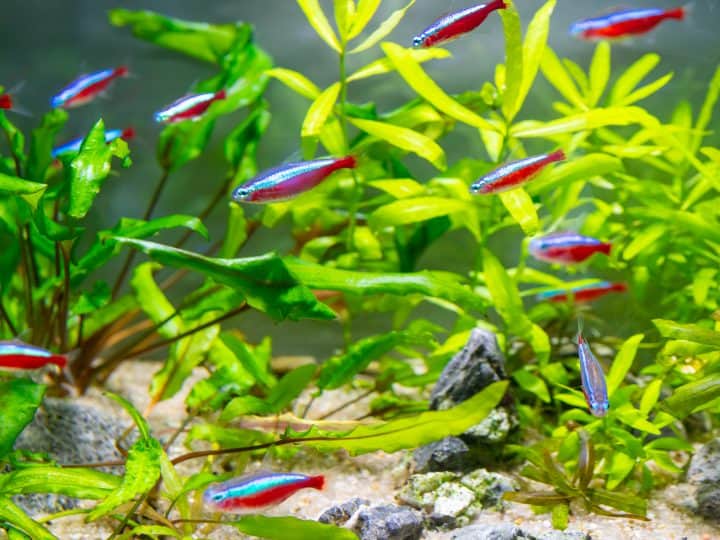
Division is an effective and straightforward method for propagating aquarium plants that have a rhizomatic or root-based structure, such as Java Fern and Anubias. This technique allows hobbyists to increase their plant stock efficiently while maintaining the health and vigor of the original plants. Proper division not only stimulates rapid growth but also ensures that each new section develops a strong root system, establishing itself firmly in the aquarium environment.
Dividing plants requires careful handling to avoid damaging delicate tissues and to promote successful establishment of the propagated sections. It involves selecting healthy plants, identifying natural dividing points, and executing precise cuts or separations. This method is particularly suitable for slow-growing plants with woody or thick rhizomes, as it preserves the plant’s integrity and encourages the emergence of new shoots or roots from the divided segments.
Dividing Root-Based Plants
Root-based plants like Java Fern and Anubias typically grow attached to rocks, driftwood, or substrate via their rhizomes. These plants can be propagated by carefully splitting their rhizomes or clusters of roots, ensuring that each divided section contains enough roots and healthy tissue to continue thriving. This process involves a combination of gentle extraction, precise cutting, and strategic replanting to optimize growth potential.
Procedures for Careful Splitting of Rhizomes or Root Clusters
Executing division without damaging the plant is crucial for successful propagation. The following detailed steps Artikel the procedure for splitting rhizomes or root clusters:
- Identify healthy plants with vigorous growth, ensuring they are free from disease or rot.
- Gently remove the plant from the aquarium or carefully detach it from its anchoring object, such as driftwood or rocks.
- Inspect the plant’s rhizome or root cluster, looking for natural segments or nodes that can be separated without tearing or crushing tissues.
- Using a sharp, sterilized knife or scissors, carefully cut through the rhizome or root cluster at appropriate points. Ensure each section has at least one healthy leaf, a robust root system, and a portion of the rhizome.
- Handle each divided section with care, avoiding excessive pressure that could cause damage.
- Optional: apply a small amount of aquarium-safe root hormone or plant sealant to cut surfaces to promote healing and prevent infection.
During the process, maintaining clean tools and working in a damp environment helps prevent infection and stress to the plants. Ensuring each section is viable and healthy increases the likelihood of successful propagation and rapid establishment in the aquarium.
Tips for Replanting Divided Sections to Promote Rapid Growth
Replanting divided sections effectively is vital for their quick adaptation and growth. Consider the following tips to maximize success:
- Choose a suitable location with optimal lighting conditions for the specific plant species, such as moderate to low light for Anubias and Java Fern.
- Secure the divided rhizomes or roots to substrate, rocks, or driftwood using aquarium-safe ties, plant clips, or simply anchoring them with gravel or substrate media.
- Avoid burying the rhizome itself; instead, plant it shallowly or attach it to a solid surface where it can spread and grow naturally.
- Maintain stable water parameters, including temperature, pH, and nutrient levels, to support healthy growth.
- Provide consistent, gentle flow to ensure proper nutrient distribution around the new plants.
- Monitor the plants regularly for signs of stress or infection, removing any damaged or diseased sections promptly.
Over time, these divided sections will develop new roots and shoots, establishing a robust plant population that enhances the visual appeal and ecological balance of the aquarium.
Propagation by Cutting
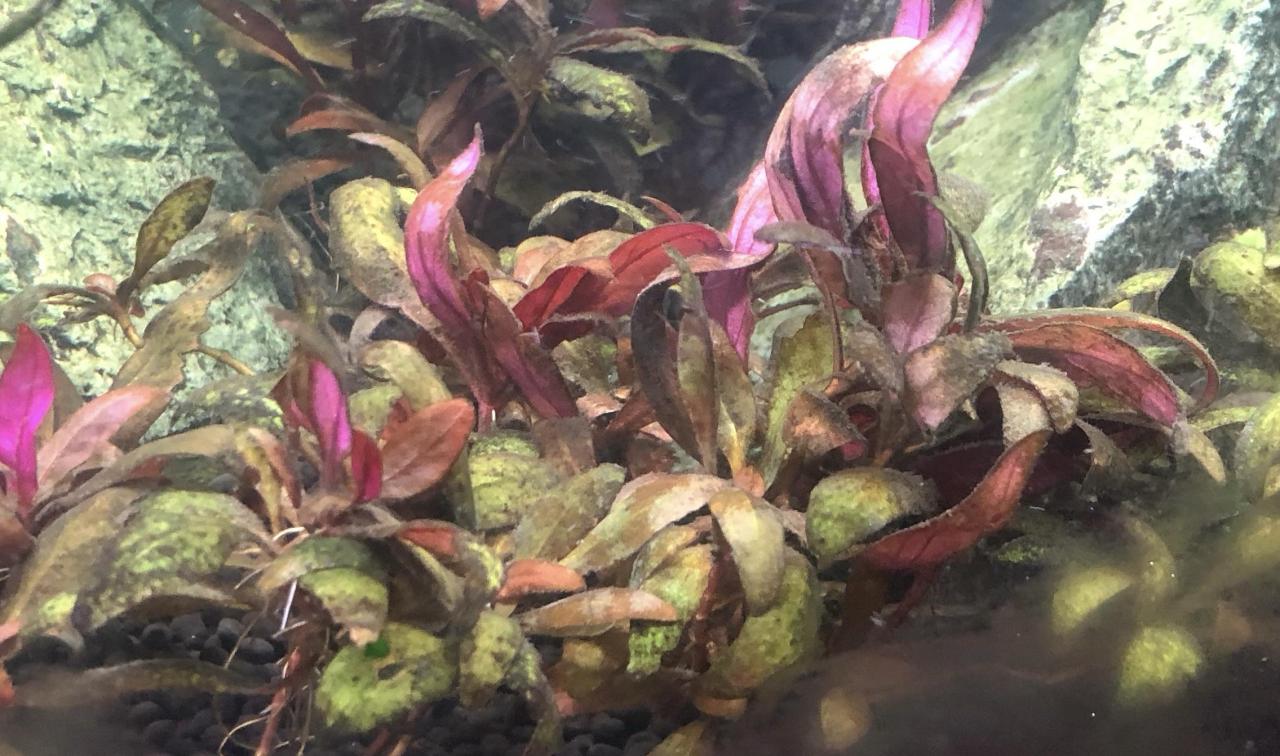
Propagation by cutting is an efficient and straightforward method for multiplying stem plants such as Hygrophila and Ludwigia, which are popular choices for aquariums due to their vibrant colors and lush growth. This technique allows aquarium enthusiasts to expand their aquatic plant collections with minimal effort while maintaining healthy, vigorous plants. Properly executed, cutting propagation ensures the development of new, robust stems that can thrive in the aquarium environment.
Stem cutting propagation involves selecting healthy stems from established plants, cutting them to suitable lengths, and planting or attaching these cuttings in a manner that encourages root development. This method is particularly advantageous for stem plants because it capitalizes on their natural ability to grow from nodes along the stem, making it an accessible and cost-effective approach for hobbyists and professionals alike.
Selecting Healthy Stems and Optimal Cutting Lengths
Choosing the right stems and cutting lengths is critical to successful propagation. Healthy stems should display vibrant coloration, firm texture, and vigorous growth, with no signs of disease, pests, or decay. Selecting stems with multiple nodes, which are points along the stem where leaves and roots can develop, increases the likelihood of successful propagation. It is also beneficial if the stems are free from damage or wilting, as healthy material enhances root formation and plant resilience.
Optimal cutting lengths typically range from 4 to 10 centimeters (approximately 1.5 to 4 inches), depending on the plant species and overall plant size. For Hygrophila and Ludwigia, cutting about 4-6 inches long is ideal, as it provides enough material for multiple nodes without being too thick or unwieldy. Each cutting should ideally include at least two nodes—one near the base and one towards the tip—to facilitate root development and new growth.
“Ensure that each cutting contains at least one healthy node, as this is the primary site for root initiation.”
Using sharp, sterilized scissors or pruning shears prevents tissue damage and reduces the risk of infection. When preparing cuttings, remove any lower leaves that might be submerged or rot once planted, and leave the top few leaves intact to aid photosynthesis and growth until roots are established.
Planting and Attaching Cuttings in Aquarium Environments
Once cuttings are prepared, they can be either planted directly into the substrate or attached to aquarium décor such as rocks or driftwood, depending on the specific plant requirements and aesthetic preferences. Proper placement and anchoring promote healthy root development and prevent the cuttings from floating or dislodging.
For planting in substrate, gently insert the lower node of each cutting into the aquarium substrate, ensuring that the node is buried about one-third to one-half of its length. The substrate should be fine enough to hold the cutting securely but not so compact as to hinder root growth. It is advisable to space the cuttings adequately to prevent competition for nutrients and light, allowing each to develop without obstruction.
Alternatively, cuttings can be attached to decor using methods such as rubber bands, fishing line, or specialized plant clips. Secure the node or the stem just below the leaves to the chosen substrate or decor, ensuring firm contact with the surface to facilitate root growth. This method is particularly useful when propagating plants in tanks with minimal substrate or when creating natural-looking aquascapes.
Maintaining proper lighting, consistent water parameters, and supplemental nutrients will significantly enhance the success rate of propagation by cuttings. Regular observation for signs of wilting or rot allows for timely adjustments, helping each cutting to establish a healthy root system and thrive in its new environment.
Propagation via Runners and Offshoots
Many aquatic plants possess natural strategies for asexual propagation, allowing them to expand and populate an aquarium efficiently. Among these, plants like Anacharis (Egeria densa) and Oxyspermum are renowned for producing runners and offshoots that facilitate their spread. Understanding how to encourage and manage this form of propagation can lead to a more lush and resilient aquatic environment, reducing the need for external planting efforts.
Propagation through runners and offshoots involves nurturing the natural growth patterns of these plants to develop new, independent plants from lateral stems or side shoots. This method is particularly advantageous because it often requires minimal intervention once the plants are established. Proper management of runners can lead to rapid coverage of open substrate and surface areas, contributing to better oxygenation and algae control in the aquarium.
Encouraging Runners to Develop Roots and New Plants
To promote the formation of runners and subsequent rooting, maintaining optimal environmental conditions and providing suitable nutrient levels are essential. Light intensity and quality play significant roles in stimulating healthy growth. Ensuring adequate lighting promotes vigorous stem extension and runner production. Additionally, a nutrient-rich substrate and regular fertilization support robust development of runners and their offshoots.
It is beneficial to monitor the growth of these runners periodically. Gentle pinching or trimming of older or excessively lengthy runners can stimulate the plant to produce new offshoots, fostering a dense, bushy appearance. Keeping the water parameters stable and within recommended ranges for the specific plant species encourages healthy lateral growth and root development from the runners.
Techniques for Detaching and Replanting Offshoots Successfully
Effective management of offshoots involves careful detachment and replanting to ensure the success and health of the new plants. When an offshoot has developed sufficient roots, typically 1-2 inches long, it can be gently separated from the parent plant using clean, sharp scissors or pruning shears. It is crucial to minimize stress and physical damage during this process.
Replanting should be done with precision to ensure good contact between the roots and the substrate. Gently press the newly detached offshoot into the substrate at a shallow depth, ensuring the roots are fully covered but the foliage remains above the substrate to avoid rot. Inserting a small weighted object or anchoring the plant with a plant-specific clip can prevent it from floating away and help roots establish firmly.
Regular monitoring after replanting is vital. Ensuring proper lighting, water quality, and nutrient availability will support the establishment of the new plants. For plants like Anacharis, which tend to grow rapidly, a few weeks typically suffice for the offshoots to develop into independent, thriving plants, filling in open spaces and enhancing the overall aquascape.
Propagating Aquarium Plants from Seeds
Propagating aquarium plants from seeds is an effective method for cultivating new plants, especially for species that naturally reproduce through seed dispersion. This approach allows hobbyists to grow a variety of aquatic plants with genetic diversity, resulting in healthier and more resilient specimens. Proper seed propagation requires attention to specific conditions that mimic the natural environment of seed germination, ensuring high success rates and vigorous seedling growth.Seed propagation involves sowing seeds in a controlled environment where factors such as substrate, water quality, temperature, and lighting are precisely managed.
Successful germination depends largely on providing optimum conditions tailored to the particular species being cultivated. Once the seeds sprout and develop their first leaves, they can be carefully transplanted into the main aquarium for further growth.
Preparing Seed-Starting Media and Optimal Conditions
The foundation of successful seed propagation lies in choosing and preparing an appropriate seed-starting medium, along with maintaining ideal environmental conditions suitable for germination.To prepare an effective seed-starting media, select a substrate that retains moisture while providing good drainage and aeration. A common mix includes fine-grained sand and aquatic plant substrate or a specialized seed-starting mix designed for aquatic plants.
Avoid using nutrient-rich substrates initially, as excessive nutrients can hinder germination or promote unwanted algae growth. Instead, focus on a clean, inert medium that supports seed stability and moisture retention.Maintaining optimal conditions involves controlling temperature, lighting, water quality, and humidity. Many aquatic seeds require temperatures between 22°C to 28°C (72°F to 82°F) for successful germination. Providing bright but diffuse light encourages sprouting without risking overheating or algae development.
Water should be dechlorinated and maintained at a stable pH, typically between 6.5 and 7.5, depending on the species. Covering the seed container with a transparent lid or plastic wrap can help retain humidity and prevent desiccation, mimicking natural moist conditions in the wild.
Tips for Increasing Germination Success and Growing Seedlings into Mature Plants
Enhancing germination rates and ensuring healthy seedling development involve careful management of environmental factors and early care practices.First, select high-quality, fresh seeds from reputable sources, as older seeds tend to have lower viability. Before sowing, some seeds benefit from pre-treatment methods such as soaking in warm water for 24-48 hours or gently scarifying the seed coat to improve water absorption.
This process can significantly increase germination rates.Once seeds are sown, maintain consistent moisture levels without oversaturating the medium to prevent mold or rot. Using a gentle, diffuse light source—such as LED grow lights—can promote steady growth. Keep the temperature within the optimal range for the specific species; fluctuations can hinder germination or seedling development.As seedlings emerge, gradually introduce them to stronger lighting and slightly increase water flow to promote healthy root and stem growth.
Transplant seedlings to a larger, nutrient-rich substrate once they develop several true leaves, ensuring they receive adequate nutrients to support continued growth. Patience is key, as some aquatic plants take several weeks to reach maturity from seedling stages. Regular monitoring for pests, algae, or disease is essential to maintain healthy growth environments.
Ideal Conditions for Successful Propagation
Creating optimal environmental conditions is critical for ensuring the healthy growth and successful propagation of aquarium plants. Properly managed lighting, temperature, and water parameters not only promote vigorous growth but also increase the likelihood of propagation success. Understanding and maintaining these factors allows aquarists to foster an environment where plants can thrive and multiply effectively.
Maintaining consistent and suitable conditions minimizes stress on the plants, encourages root and shoot development, and prevents common issues such as algae overgrowth or disease. By carefully optimizing these variables, hobbyists can enjoy a lush, thriving aquatic environment with abundant plant propagation.
Environmental Factors for Propagation
Several key factors influence the success rate of aquarium plant propagation. These include lighting intensity and duration, water temperature, pH levels, water hardness, and nutrient availability. Each element plays a vital role in supporting plant health, encouraging growth, and facilitating the development of new plants from propagules.
| Factor | Optimal Range | Impact on Propagation |
|---|---|---|
| Lighting | 0.5 to 1.5 watts per liter (W/L) or 10,000 to 12,000 lux | Provides energy for photosynthesis, promotes healthy growth, and enhances root and shoot development. Insufficient lighting can lead to etiolation and weak propagation, while excessive light may cause algae blooms. |
| Temperature | 22°C to 28°C (72°F to 82°F) | Optimal temperature accelerates metabolic processes necessary for growth. Temperatures outside this range can slow growth or cause stress, hindering propagation efforts. |
| pH Levels | 6.5 to 7.5 | Maintains nutrient availability and root health. Extreme pH levels can impair nutrient uptake and cause plant stress. |
| Water Hardness | 3 to 8 dGH (degrees of General Hardness) | Supports cell wall integrity and nutrient absorption. Proper hardness levels prevent deficiencies that could impair plant growth and propagation. |
| Nutrient Levels | Balanced macro and micronutrients, especially nitrogen, phosphorus, and potassium | Essential for robust growth and development. Nutrient deficiencies can result in poor propagation or weak plant structures. |
| Lighting Duration | 8 to 12 hours daily | Ensures adequate photosynthesis without promoting algae. Consistent photoperiods help maintain healthy growth cycles. |
“Striking a balance among light, temperature, and nutrients is fundamental to creating an environment conducive to successful aquarium plant propagation.”
Adjustments to these factors should be made gradually to prevent shock or stress to the plants. Regular monitoring of water parameters and environmental conditions is essential for maintaining optimal propagation conditions. Tailoring these variables to the specific needs of different plant species will maximize propagation success and promote a vibrant, healthy aquatic ecosystem.
Troubleshooting Common Propagation Challenges
While propagating aquarium plants can be a rewarding experience, it is not uncommon to encounter challenges that hinder healthy growth or lead to plant loss. Recognizing and addressing these issues promptly can significantly improve propagation success rates and ensure a thriving aquatic environment. Understanding the typical problems such as rot, mold, or weak root development allows aquarists to implement effective prevention and correction strategies, fostering healthier plants and a more vibrant aquarium ecosystem.
Effective troubleshooting involves identifying symptoms early, adjusting environmental conditions, and applying targeted care techniques. Implementing a systematic approach helps in maintaining optimal plant health and prevents minor issues from escalating into significant setbacks. Below is a quick reference guide outlining common challenges and recommended steps for resolution.
Common Propagation Issues and Solutions
The following troubleshooting steps address frequently encountered problems during aquarium plant propagation. They serve as practical guidelines to diagnose and rectify issues, ensuring successful plant development and minimizing losses.
- Rotting or Decay of Plant Parts: Rot often occurs due to excess nutrients, poor water quality, or insufficient oxygen. It is characterized by soft, discolored, or foul-smelling plant tissue. To prevent rot, ensure water parameters are within suitable ranges, avoid overfeeding, and maintain proper filtration and aeration. Remove any decayed plant parts promptly to prevent the spread of decay to healthy tissue.
- Mold Formation on Plant Cuttings: Mold appears as fuzzy, white, or gray growth on cut surfaces or surrounding substrate. It often results from high organic matter or stagnant water. To combat mold, improve water flow, reduce organic debris, and consider lightly applying a dilute aquarium-safe antifungal if the problem persists. Increasing water circulation and reducing excess nutrients help inhibit mold growth.
- Weak or Stunted Root Development: Poor root growth is usually due to inadequate substrate quality, insufficient nutrients, or unsuitable lighting conditions. Providing a nutrient-rich substrate or root tabs can promote healthy rooting. Ensure the aquarium receives appropriate lighting and avoid disturbing newly propagated plants excessively. Patience is critical, as roots take time to establish fully.
- Algae Overgrowth: Excessive algae can compete with plants for nutrients and light, hindering propagation. Algae blooms often result from overexposure to light or high nutrient levels. Reduce light intensity and duration, perform regular water changes, and introduce algae-eating species if appropriate. Maintaining a balanced nutrient profile discourages algae proliferation.
- Drop in Water Quality: Deterioration in water quality, such as increased ammonia, nitrite, or nitrate levels, can stress plants and inhibit propagation. Regular testing and timely water changes help maintain optimal conditions. Avoid overfeeding and remove organic waste promptly to keep water parameters stable.
Sample Troubleshooting Checklist:
- Inspect plant tissues for signs of rot or mold and remove affected parts.
- Check water parameters: temperature, pH, ammonia, nitrite, nitrate, and dissolved oxygen.
- Adjust filtration and aeration to improve water movement and oxygen levels.
- Reduce light intensity or photoperiod if algae overgrowth is observed.
- Incorporate nutrient supplements or root tabs if root development is weak.
- Perform water changes to dilute excess nutrients and organic matter.
- Ensure substrate quality is suitable for the specific plant species.
- Remove excess organic debris and avoid overfeeding fish or other inhabitants.
Maintenance and Care Post-Propagation
After successfully propagating aquarium plants, ongoing maintenance and care are essential to foster healthy growth and ensure the longevity of the new plants within the aquatic environment. Proper post-propagation practices help establish robust root systems and vibrant foliage, contributing to the overall health of the aquarium ecosystem. This stage requires attentive monitoring, appropriate nutrient management, and a gradual transition to the main tank conditions, especially for newly propagated plants that are more vulnerable to stress and sudden changes.Ensuring optimal conditions after propagation involves a combination of environmental stability, targeted nutrient supplementation, and vigilant pruning.
These practices help prevent issues such as algae overgrowth, nutrient deficiencies, and plant stress, promoting vigorous growth and aesthetic appeal. Transitioning propagated plants from their nursery environment to the main tank should be handled carefully to minimize shock and facilitate adaptation to the existing aquatic conditions.
Care for Newly Propagated Plants
Maintaining newly propagated aquarium plants involves creating a stable environment that supports root development and healthy foliage. This period is critical for establishing strong growth and preventing common problems like decay or algae overgrowth. Regular observation, gentle handling, and adapting care routines based on plant responses are key components of effective post-propagation management.Freshly propagated plants often have delicate root systems and tender leaves that require gentle handling and specific environmental conditions.
Maintaining consistent water parameters—such as temperature, pH, and lighting—helps reduce stress and encourages healthy development. Additionally, avoiding sudden shocks, such as abrupt changes in water flow or substrate disturbance, assists plants in acclimating to their new environment.
Pruning, Substrate, and Nutrient Supplementation Techniques
Proper pruning, substrate management, and nutrient supplementation are vital to support the vigorous growth of propagated plants. These techniques help shape the plants, prevent overcrowding, and supply essential nutrients for development.Pruning involves carefully trimming dead or damaged leaves and stems, which encourages healthy new growth and prevents decay from spreading. Using sterilized scissors or scissors designed for aquascaping ensures clean cuts that reduce the risk of infection.
For dense or overgrown plants, selective pruning helps maintain balance within the tank and improves light penetration.The substrate plays a significant role in providing stability and nutrients to newly propagated plants. A nutrient-rich, fine-grained substrate such as laterite or specialized aquatic plant soil can supply essential minerals directly to the roots. Regular substrate stirring or gentle vacuuming can prevent compaction and promote oxygen flow around roots.Nutrient supplementation can be achieved through liquid fertilizers, root tabs, or fertilizing substrates.
Essential nutrients such as iron, potassium, and trace elements support healthy foliage and stem growth. Applying these supplements in accordance with manufacturer instructions ensures plants receive appropriate nutrition without promoting algae blooms.
Transition Procedure to the Main Tank Environment
Transitioning propagated plants from their nursery setup to the main tank requires a gradual and careful approach to minimize stress and promote acclimation. Sudden changes in water chemistry, light intensity, or flow conditions can adversely affect plant health.Begin by floating the propagated plants in the main tank for approximately 15–30 minutes, allowing them to acclimate to the tank’s temperature and water parameters.
This process, called “drip acclimation,” can be extended by gradually adding small amounts of tank water to the propagation container over time, helping plants adapt to the new environment.Once acclimated, gently transplant the plants into the main substrate, taking care not to disturb the roots excessively. Ensure they are anchored securely and positioned in areas with appropriate lighting and flow conditions suited for their species.
Maintaining stable water parameters and providing appropriate lighting for at least the first few weeks helps the plants establish themselves fully and minimizes transplant shock.Regular observation during this transition period is essential to identify and address any signs of stress or disease promptly. Adjustments to lighting, nutrient dosing, or flow can be made based on the plants’ responses, fostering a smooth integration into the aquarium ecosystem.
Ultimate Conclusion
In summary, mastering the art of propagating aquarium plants not only enriches your aquatic landscape but also promotes a balanced and sustainable ecosystem. With proper techniques and environmental adjustments, your plants will flourish, creating a beautiful and healthy aquatic habitat for years to come.