Understanding how to recover melted aquarium plants is essential for maintaining a vibrant and healthy aquatic environment. When plants begin to deteriorate or melt, it can be concerning for aquarium enthusiasts aiming for lush greenery. Fortunately, with proper diagnosis and intervention, many damaged plants can be revitalized and brought back to life.
This guide explores the common causes of plant melting, signs of damage, immediate recovery steps, and strategies to improve overall aquarium conditions. Additionally, it offers preventative tips and advice on selecting resilient plant species to ensure a thriving aquatic ecosystem.
Causes of Melting Aquarium Plants
Aquarium plants are a vital part of a balanced aquatic ecosystem, providing shelter, oxygen, and aesthetic appeal. However, new or stressed plants sometimes begin to melt or deteriorate shortly after being introduced into the tank. Understanding the underlying causes of this phenomenon is essential for effective recovery and healthy plant growth.
Plant melting in aquariums can result from various environmental stressors, nutrient imbalances, or improper acclimation processes. Identifying these factors enables aquarists to implement targeted interventions to prevent further damage and promote lush, thriving aquatic greenery.
Environmental Stress Factors
Environmental conditions within the aquarium play a significant role in plant health. Fluctuations or inappropriate parameters often cause stress, leading to plant decay. Key factors include:
| Cause | Description | Impact | Prevention |
|---|---|---|---|
| Temperature Fluctuations | Rapid changes or temperatures outside the ideal range (around 22-28°C or 72-82°F) can shock plants, impairing their metabolic processes. | Leads to stress responses, decay, and melting of plant tissues. | Maintain stable water temperatures using reliable heaters and thermostats, avoiding sudden changes. |
| Inadequate Lighting | Insufficient light intensity or incorrect spectrum prevents plants from photosynthesizing properly, weakening their structure. | Results in slow growth, color loss, and eventual melting of leaves and stems. | Provide appropriate LED or full-spectrum lighting designed for aquatic plants, ensuring consistent photoperiods. |
| Poor Water Quality | High levels of ammonia, nitrites, or nitrates, or low pH conditions can create a hostile environment for plants. | Causes nutrient uptake issues, stress, and tissue deterioration. | Regularly test water parameters, perform partial water changes, and maintain optimal filtration. |
| Strong Water Currents | Excessive flow can physically damage delicate plant tissues or dislodge newly rooted plants. | Inhibits proper root establishment and causes mechanical stress, leading to melting. | Adjust flow rates with adjustable spray bars or placement strategies to reduce direct impact on plants. |
Nutrient Deficiencies and Imbalances
Nutrient availability is fundamental for healthy plant growth. Deficiencies or excesses can weaken plants, making them susceptible to melting. Key nutrients involved include nitrogen, phosphorus, potassium, iron, and other trace elements.
Understanding the signs of deficiencies and managing fertilization effectively can prevent plant decay. For example, iron deficiency often causes chlorosis (yellowing) of new leaves, while nitrogen deficiency may result in stunted growth and leaf pale coloration.
Note: Consistent and balanced fertilization tailored to the specific plant species and tank conditions supports vigorous growth and reduces stress-induced melting.
Common nutrient issues include:
- Iron Deficiency: Yellowing of new leaves despite healthy roots, indicating the need for chelated iron supplements.
- Nitrogen Deficiency: Overall slow growth, pale or transparent leaves, and poor overall vigor.
- Potassium Imbalance: Marginal leaf burn or necrosis, disrupting cellular functions.
- Phosphorus Deficiency: Dark green, stunted leaves with possible root decay.
Using comprehensive liquid fertilizers or root tabs designed for aquatic plants ensures an adequate supply of essential nutrients, promoting plant resilience against melting.
Identifying Signs of Melting or Damage in Aquarium Plants
Recognizing early signs of melting or damage in aquarium plants is essential for timely intervention and recovery. Healthy aquatic plants exhibit specific visual characteristics that indicate their overall condition, while changes or deterioration can signal underlying issues. Being attentive to these signs allows aquarium enthusiasts to address problems before they escalate, ensuring a thriving aquatic environment.
Assessing plant health involves careful observation of various visual indicators and understanding the subtle differences between normal plant shedding processes and actual melting. This detailed evaluation helps differentiate between natural plant growth cycles and distress signals caused by environmental stressors or nutrient deficiencies.
Visual Indicators of Melting or Unhealthy Aquarium Plants
Understanding the visual cues of plant distress is crucial for diagnosing problems early. Below is a comprehensive list of common signs that suggest aquarium plants are melting or experiencing health issues, supported by clear examples for effective identification:
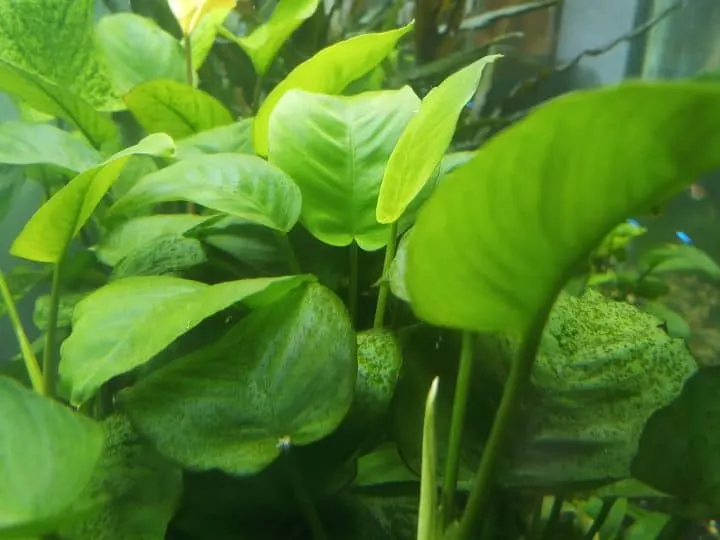
- Discoloration: Leaves turning yellow, brown, or transparent. For example, a healthy Anubias should have vibrant green leaves; if they start to fade or turn yellow, it may indicate nutrient deficiency or improper lighting.
- Soft, Mushy Texture: Plant tissues become soft, slimy, or mushy to the touch. For instance, melting Vallisneria leaves may feel limp and easily tear apart, indicating decay.
- Leaf Decay or Browning Edges: Edges of leaves browning, curling, or crumbling away. A common sign in stem plants like Hygrophila when they are under stress.
- Loss of Structural Integrity: Plants appear droopy or wilted, with stems or leaves collapsing or sagging, often seen in newly introduced plants struggling to adapt.
- Excessive Shedding: Continuous dropping of old leaves or parts without regeneration, which can sometimes be mistaken for natural shedding but becomes problematic if the process is excessive or rapid.
- Algae Overgrowth: Excessive algae growth around plant surfaces may indicate imbalances, often associated with stressed or dying plants providing nutrients for algae.
- Unusual Odor: A foul or musty smell emanating from decaying plant matter suggests rot and unhealthy conditions.
Assessing these signs requires a systematic approach to monitor plant health regularly. Over time, consistent observation can reveal subtle shifts in appearance that indicate early stages of melting or damage.
Step-by-Step Procedures to Assess Aquarium Plant Health
Proper evaluation of plant health involves a combination of visual inspections and environmental assessments. The following procedures provide a structured approach to accurately determine the condition of aquarium plants:
- Visual Inspection: Carefully examine each plant species, noting color, texture, and overall form. Use a magnifying glass if necessary to detect microscopic signs of decay or pests.
- Check for Discoloration and Texture Changes: Observe leaves and stems for any discoloration or abnormal softness, feeling the tissues gently to assess firmness.
- Assess Leaf Shedding and Decay: Count and examine fallen leaves or decayed portions, distinguishing between natural shedding and disease-related decay.
- Evaluate Growth Patterns: Look for signs of stunted growth, uneven development, or elongation that deviates from the species’ typical growth habits.
- Inspect Root Systems: Carefully remove the plant, if necessary, to inspect roots for rot, discoloration, or slime, which are signs of root rot or nutrient deficiency.
- Test Environmental Parameters: Measure water temperature, pH, nitrate, phosphate, and nutrient levels. Suboptimal conditions often contribute to plant stress and melting.
- Observe Behavioral Interactions: Note if aquatic animals are nibbling on the plants excessively, causing physical damage that predisposes plants to decay.
By following these steps, aquarists can pinpoint specific issues affecting plant health, enabling targeted corrective actions to prevent complete melting and promote recovery.
Distinguishing Between Natural Shedding and Melting
While shedding old leaves is a natural part of plant growth, certain signs differentiate healthy shedding from melting or disease-related decay. Accurate identification prevents unnecessary concern or intervention.
Normal Shedding: In mature plants, older leaves naturally die back and fall away, usually gradually, without causing stress to the overall plant health. The process is balanced with new growth.
Melting or Damage: Rapid or widespread decay of leaves, especially when accompanied by soft, discolored tissue and a foul smell, indicates unhealthy conditions. Melting often occurs quickly and affects large portions of the plant, disrupting overall growth.
Observe the pattern and rate of leaf loss. If old leaves are gradually deteriorating and being replaced by new growth, it is likely a normal cycle. Conversely, sudden, extensive damage with signs of decay suggests melting, requiring immediate environmental or nutritional adjustments.
Monitoring the texture, color, and rate of leaf loss over time provides valuable insights into whether the plant’s decline is part of its natural lifecycle or a response to stress factors, allowing precise and effective responses to maintain a healthy aquatic landscape.
Immediate Steps to Recover Melted Aquarium Plants
When aquarium plants begin to show signs of melting or damage, prompt and effective intervention is essential to prevent further deterioration and to promote healthy regrowth. Addressing the issue swiftly can significantly improve the chances of restoring the plants to their optimal condition, ensuring a thriving aquatic environment for your fish and other inhabitants.
This section provides a structured approach to immediate recovery, including removing compromised plant parts, adjusting water parameters, and supplementing nutrients to support regrowth. Following these steps diligently can help stabilize your aquarium ecosystem and foster resilient plant recovery.
Removing Damaged Plant Parts to Prevent Spread
Damaged or decaying plant tissue can serve as a source of infection or nutrient imbalance, which may impede recovery or infect healthy parts of the plant. Proper removal is crucial to contain the damage and facilitate regrowth from healthy tissues.
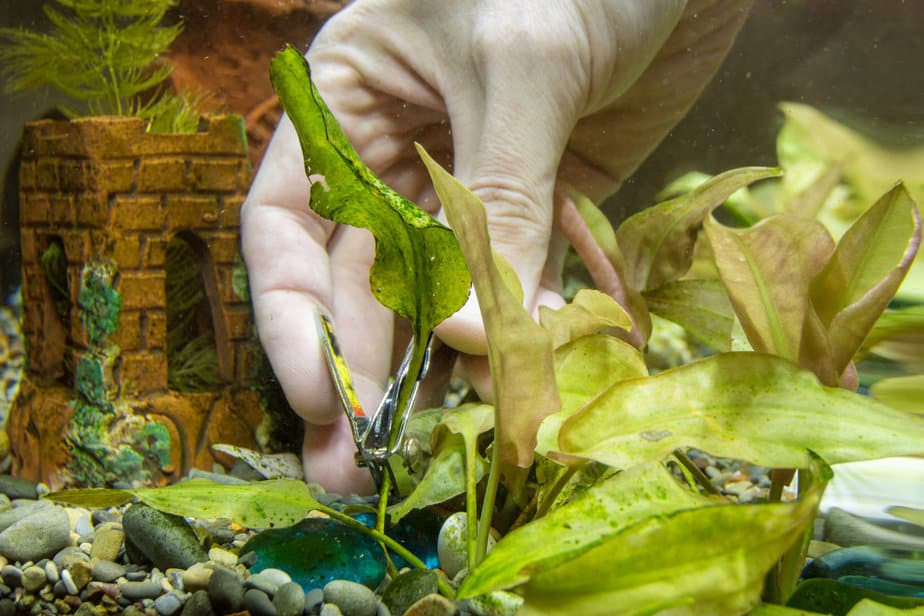
Carefully inspect each plant to identify any browning, soft, or mushy leaves and stems. Use sterilized scissors or aquascaping tools to trim these parts at the base, close to the healthy tissue. Ensure that all decayed material is removed to prevent mold, bacterial proliferation, or algae overgrowth, which can further compromise plant health. Discard the damaged debris responsibly to prevent contamination of other aquarium areas.
Maintaining a clean environment around the plants also reduces the risk of spreading pathogens, promoting a more conducive setting for healthy regrowth.
Adjusting Water Parameters to Facilitate Recovery
Optimal water conditions are fundamental for the recovery of melting aquarium plants. Imbalanced parameters can stress plants, making them more susceptible to melting and disease.
Regularly test water parameters using a reliable aquarium test kit, focusing on key factors such as pH, water hardness (GH and KH), temperature, and nutrient levels. Adjust these parameters to align with the specific requirements of the plant species in your aquarium. For instance, many aquatic plants thrive in a slightly acidic to neutral pH (6.5-7.5) and temperatures around 24-28°C (75-82°F).
If nutrient deficiencies are identified, such as low iron or trace elements, consider adjusting the fertilization regimen. Use water conditioners or buffers to stabilize pH and KH, and perform partial water changes (about 25-30%) with conditioned, dechlorinated water to dilute excess toxins and stabilize conditions. Consistent monitoring and adjustment are vital during the recovery phase.
Adding Supplements or Fertilizers to Stimulate Regrowth
Supplements and fertilizers supply essential nutrients that promote healthy regrowth of aquatic plants, especially after stress or damage caused by melting.
Choose a comprehensive liquid fertilizer formulated for freshwater plants, containing macronutrients like nitrogen (N), phosphorus (P), and potassium (K), along with micronutrients such as iron, manganese, and magnesium. These elements are critical in supporting photosynthesis, cell division, and overall plant vitality.
Apply fertilizers according to the manufacturer’s instructions, generally in small, frequent doses rather than large, infrequent applications. Root tabs can also be inserted near the base of rooted plants to provide localized nutrient support. Keep an eye on plant response and adjust dosages accordingly. Additionally, consider increasing CO₂ levels if feasible, as elevated CO₂ can significantly boost plant recovery and growth.
Responsive Table for Immediate Recovery Actions
| Action | Method | Tools Needed | Expected Outcome |
|---|---|---|---|
| Remove Damaged Parts | Trim affected leaves and stems using sterilized scissors at the base of healthy tissue | Sterilized scissors or aquascaping tools | Elimination of decayed tissue, reduced risk of infection, and prevention of spread |
| Adjust Water Parameters | Test water regularly; modify pH, KH, GH, and temperature; perform partial water changes | Test kits, water conditioners, buckets, dechlorinated water | Stable, optimal environment promoting plant health and recovery |
| Add Nutrients or Fertilizers | Apply liquid fertilizers or root tabs based on plant needs and manufacturer instructions | Liquid fertilizer, root tabs, dropper or syringe | Enhanced nutrient availability supporting regrowth and overall plant vitality |
Improving Aquarium Conditions for Plant Recovery
After addressing the immediate issues causing plant melting, optimizing the aquarium environment is essential to foster healthy regrowth and ensure the overall vitality of your aquatic plants. Proper conditions not only support recovery but also promote robust new growth, making your aquarium a thriving, vibrant ecosystem.
Adjusting lighting, substrate, and water parameters are key steps in creating an ideal environment. These modifications help restore plant health by providing the necessary nutrients, stability, and energy for photosynthesis and root development. Implementing these improvements thoughtfully ensures that your aquatic plants can recover efficiently and flourish in the long term.
Optimal Lighting Conditions
Lighting plays a pivotal role in plant health, especially during recovery phases. Aquarium plants rely on light to perform photosynthesis, which fuels growth and repairs damaged tissues. Insufficient or excessive lighting can hinder recovery, so it’s vital to establish a balanced lighting regimen.
Utilize full-spectrum LED or fluorescent lights designed specifically for aquariums. Aim for lighting that mimics natural sunlight, providing around 8-10 hours of illumination daily. Adjust the intensity according to plant species; low-light plants such as Anubias or Java Fern require less intense light, while high-light plants like Rotala or Hemianthus benefit from more brightness.
Consistent light exposure with proper photoperiods encourages healthy growth patterns, reduces algae risk, and supports photosynthesis. Avoid sudden changes in light intensity, as this can stress recovering plants.
Substrate Enrichment Strategies
The substrate serves as the foundation for root development and nutrient uptake. Enriching the substrate enhances the supply of essential minerals and promotes vigorous root growth, which is crucial for recovering melted plants.
Incorporate nutrient-rich substrates such as aquasoil, laterite, or specialized plant substrates that contain iron, potassium, and trace elements. These substrates release nutrients slowly, providing a consistent supply to the roots.
Additionally, supplement the substrate with root tabs or fertilization sticks placed near the roots of the affected plants. This targeted approach ensures that nutrients reach where they are most needed, accelerating recovery and encouraging lush, healthy foliage.
Water Quality Adjustments
Maintaining optimal water quality is fundamental to plant health and recovery. Parameters such as pH, hardness, and temperature influence nutrient availability and root function. Poor water conditions can impede recovery efforts and lead to continued plant stress or melting.
For most freshwater aquatic plants, a pH range of 6.5 to 7.5 is ideal, as it allows for optimal nutrient absorption. Adjust pH gradually using natural methods like adding driftwood or peat moss, avoiding sudden shocks that can worsen stress.
Hardness, measured as general and carbonate hardness, should typically be between 3-8 dGH and 4-8 dKH, respectively. Use water conditioners or remineralization techniques to adjust hardness levels suitable for your specific plant species.
Temperature should be maintained between 22°C and 26°C (72°F – 78°F). Use aquarium heaters with steady thermostats to prevent fluctuations that could stress recovering plants.
| Parameter | Recommended Range | Adjustment Method | Result |
|---|---|---|---|
| Lighting | 8-10 hours daily; full spectrum | Use LED or fluorescent lights; set timers for consistency | Enhanced photosynthesis; promotes healthy regrowth |
| Substrate | Nutrient-rich, layered with root tabs | Replace or layer with aquasoil; insert fertilization sticks near roots | Improved nutrient availability; stronger root systems |
| pH | 6.5 – 7.5 | Gradual adjustments with peat moss, driftwood, or commercial pH buffers | Optimal nutrient uptake; reduced stress |
| Hardness | 3-8 dGH; 4-8 dKH | Adjust with remineralization or water conditioners | Enhanced nutrient retention; improved plant health |
| Temperature | 22°C – 26°C (72°F – 78°F) | Use reliable aquarium heater; prevent fluctuations with thermostat | Stable environment; supports consistent growth |
Preventative Measures to Avoid Future Melting
Implementing effective preventative strategies is essential for maintaining healthy aquarium plants and preventing recurring melting or damage. Proper acclimation, routine maintenance, and appropriate environmental management can significantly reduce the risk of plant stress and deterioration.
By establishing and adhering to best practices, aquarists can create a stable and nurturing environment that promotes the growth and longevity of aquatic plants, ensuring a vibrant and balanced underwater ecosystem.
Acclimating New Plants to Aquarium Conditions
Careful acclimation of new plants minimizes shock and helps them adapt smoothly to their new environment. This process involves gradually adjusting the plants to the aquarium’s water parameters, lighting, and flow conditions, which reduces stress and enhances survival rates.
- Introduce new plants slowly by floating them in the water or placing them in a separate quarantine section within the tank. This allows the plants to adapt without sudden exposure to existing conditions.
- Adjust water parameters such as temperature, pH, and hardness gradually over several days to match the plants’ native environment, preventing shock that can lead to melting.
- Use gentle lighting during the initial days of introduction, gradually increasing intensity to avoid light shock, which can cause stress and damage.
Routine Maintenance to Support Healthy Plant Growth
Consistent maintenance routines are vital to sustain plant health and prevent conditions that favor melting. Regular monitoring and upkeep help identify and rectify issues before they escalate.
- Conduct weekly water testing to monitor key parameters such as nitrates, nitrites, phosphates, and pH, ensuring they stay within optimal ranges for plant health.
- Perform partial water changes (around 10-20%) weekly to maintain water quality and prevent the accumulation of harmful substances.
- Remove debris and dead plant material regularly to reduce the risk of disease and decay that can weaken healthy plants.
- Prune overgrown or damaged parts to promote new growth and improve light penetration to lower leaves, encouraging uniform health.
Guidelines for Appropriate Fertilization and Lighting Schedules
Proper fertilization and lighting are crucial for preventing deficiencies that can cause melting. Tailoring these schedules to the specific needs of the plant species ensures optimal growth and resilience.
- Implement a balanced fertilization routine using macro and micronutrients, such as nitrogen, phosphorus, potassium, iron, and trace elements, based on the plants’ growth stage and observed deficiencies.
- Utilize liquid fertilizers or root tabs according to manufacturer instructions, adjusting frequency based on plant uptake and water quality.
- Maintain a consistent lighting schedule, typically 8-10 hours per day, to simulate natural daylight. Use adjustable or full-spectrum LED lights that support photosynthesis and healthy growth.
- Avoid excessive lighting, which can cause algae blooms and stress plants, leading to melting. Similarly, insufficient lighting hampers growth and weakens plant tissues.
Examples of Preventative Measures in Practice
For quick reference, here are proven preventative strategies to maintain healthy aquarium plants and avoid future melting:
- Gradually introduce new plants to prevent shock from sudden environmental changes.
- Maintain stable water parameters through regular testing and adjustments.
- Perform routine water changes to ensure optimal water quality.
- Implement a balanced fertilization routine tailored to specific plant needs.
- Provide appropriate lighting duration and intensity suitable for each plant species.
- Prune and remove damaged or decaying leaves promptly to promote healthy new growth.
- Use plant-specific substrates and supplements to enhance root stability and nutrient availability.
- Avoid abrupt changes in water temperature or chemical treatments that can stress plants.
- Monitor plant health regularly, looking for early signs of deficiencies or stress, and address issues promptly.
Selecting Resistant Aquarium Plants
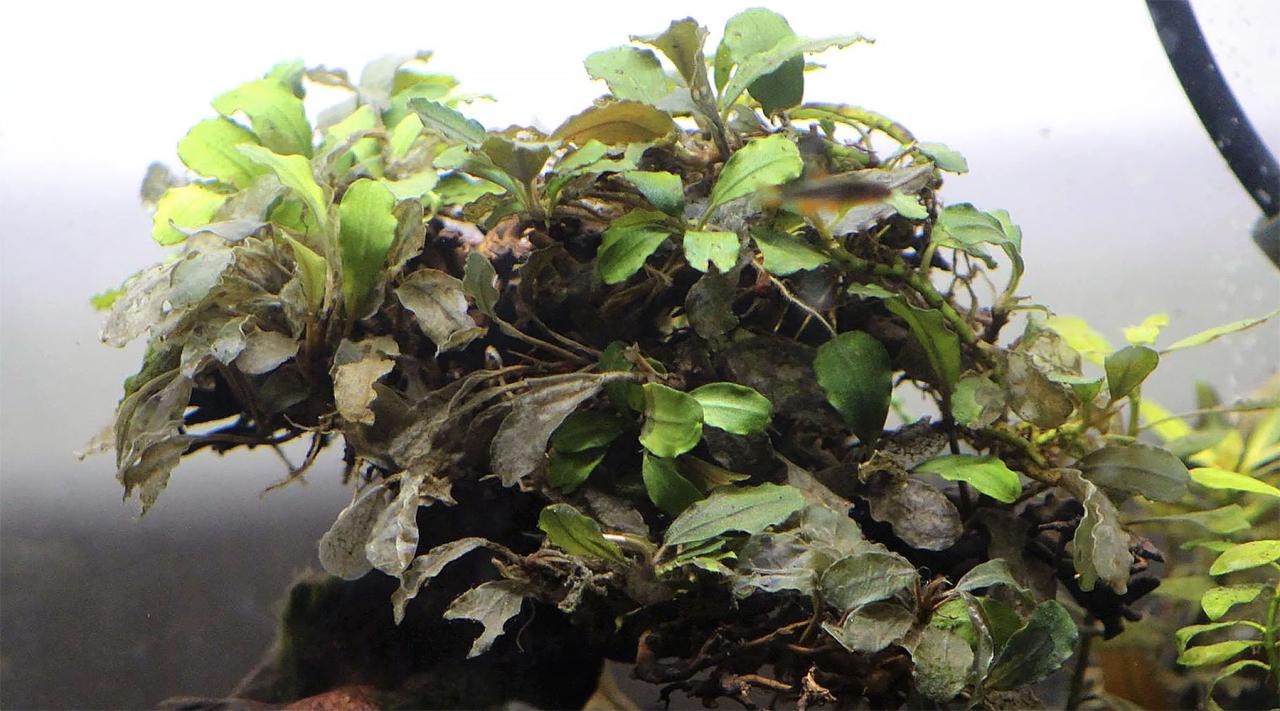
Choosing resilient plants for your aquarium can significantly reduce the likelihood of melting or damage during transplantation and routine maintenance. Hardy plant species are capable of withstanding varying water parameters and environmental stressors, ensuring a healthier aquatic environment with less effort. Proper selection tailored to your specific setup promotes lush growth and long-term sustainability.
Understanding the characteristics of resilient aquatic plants allows hobbyists to create a thriving underwater landscape that remains vibrant even when faced with challenges such as fluctuating water quality, lighting changes, or substrate shifts. This section provides guidance on identifying and selecting the most durable plant species suitable for diverse aquarium conditions.
Hardy Plant Species Less Prone to Melting During Transplantation
Some aquarium plants are naturally more robust and adaptable, making them ideal choices for both beginners and experienced aquarists. These species tend to recover quickly from minor injuries or stress and are less likely to undergo melting phases typical of more sensitive plants. Consider the following hardy options:
- Anubias Nana: A slow-growing, low-maintenance plant with thick, leathery leaves that are highly resistant to melting. It thrives in low to moderate light and can tolerate a range of water conditions, making it ideal for various setups.
- Java Fern (Microsorum pteropus): Known for its toughness, Java Fern can be attached to rocks or driftwood and requires minimal care. Its ability to survive in low light and poor water quality makes it a reliable choice.
- Cryptocoryne Wendtii: This species adapts well to different water parameters and is less sensitive to light fluctuations, reducing stress during transplantation.
- Vallisneria: A fast-growing, resilient plant that propagates easily and tolerates various water conditions, making it less prone to melting.
- Hornwort (Ceratophyllum demersum): An emergent plant that can be submerged or floating, Hornwort is highly tolerant of environmental variations and recovers quickly from disturbances.
Tips for Choosing Plants Suitable for Different Aquarium Setups
Selecting the right plants depends heavily on the specific conditions and goals of your aquarium. These tips assist in matching plant species with your setup to ensure optimal growth and resilience:
- Assess Lighting Levels: Match plant species to your aquarium’s lighting intensity. For low-light tanks, opt for shade-tolerant plants like Anubias or Java Fern. High-light setups can support more demanding species like Amazon Sword or Rotala.
- Consider Water Parameters: Evaluate pH, temperature, and hardness. Plants like Cryptocoryne are adaptable, while others like Amazon Sword prefer slightly warmer, softer water.
- Account for Substrate Type: Some plants require nutrient-rich substrates, such as Vallisneria and Amazon Sword, whereas others like Java Fern attach to decorations and do not depend heavily on substrate nutrients.
- Evaluate Growth Rate and Maintenance: Fast-growers like Hornwort and Vallisneria can quickly establish and fill space, reducing weed-like overgrowth, while slow-growing plants reduce trimming frequency.
- Compatibility with Fish and Inhabitants: Ensure selected plants are compatible with your aquatic species, especially herbivorous fish that may nip or uproot delicate plants. Hardy species tend to withstand occasional disturbance better.
Characteristics to Look for When Selecting Resilient Aquatic Plants
Identifying resilient plants involves recognizing specific traits that enhance their ability to endure transplantation and environmental fluctuations. Focus on the following characteristics:
Thick, Leathery Leaves: These leaves indicate tough tissue capable of withstanding uprooting and handling stress. Plants like Anubias and Java Fern exhibit this trait, making them durable choices.
Slow to Meltdown or Wilt: Resilient plants often show minimal signs of stress during setup or water parameter changes. They maintain healthy coloration and structure, indicating good adaptability.
Low Light and Nutrient Requirements: Plants that thrive in low to moderate light and with minimal fertilizer are generally more resistant to stress-related melting.
Ability to Attach to Decor: Species that can be anchored to rocks or driftwood, such as Java Fern and Anubias, avoid uprooting issues and are less sensitive to substrate changes.
Fast Growth and Recovery: Rapid-growing plants recover quickly from trimming or minor damage, reducing the likelihood of extended melting phases.
By focusing on these characteristics, aquarists can select plants that are better suited to withstand transplantation and environmental challenges, resulting in a more stable and visually appealing aquatic environment.
Ultimate Conclusion
In conclusion, addressing the issue of melted aquarium plants involves understanding their causes, taking prompt action, and creating optimal conditions for recovery. Implementing preventative measures and choosing hardy plants can significantly reduce the risk of future problems. With patience and proper care, your aquarium can flourish with healthy, vibrant plant life once again.