Knowing how to treat aquarium plants with alum dip can significantly enhance the health and vitality of aquatic flora within your tank. This method offers an effective solution for controlling pests, preventing disease, and promoting robust plant development, all while ensuring the safety of your aquatic environment.
Proper application of alum dip involves careful preparation, precise timing, and post-treatment care, making it a valuable technique for aquarium enthusiasts seeking to maintain a thriving and healthy aquatic ecosystem. Understanding these steps can help you achieve optimal results with minimal stress to your plants and tank inhabitants.
Introduction to treating aquarium plants with alum dip
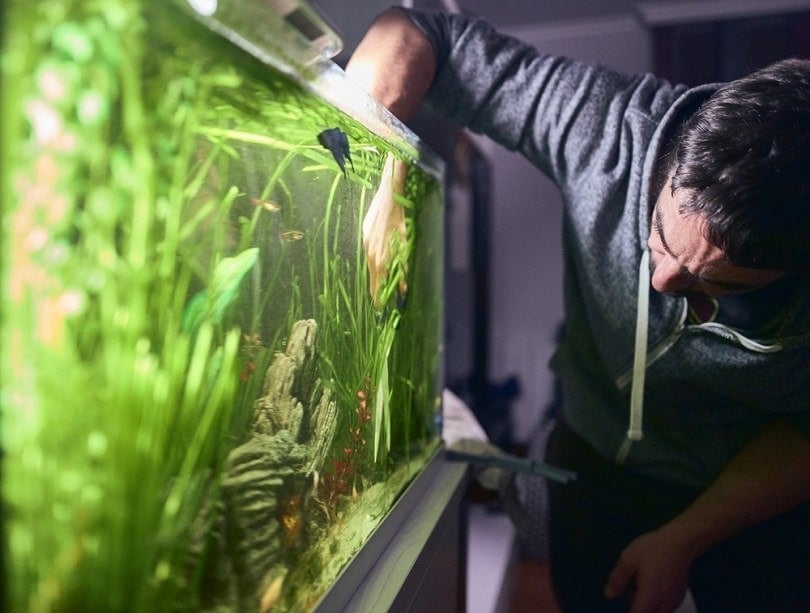
Alum dip treatment is a popular and effective method employed by aquarists to maintain the health and vitality of aquatic plants within freshwater tanks. This process involves immersing plants in a carefully prepared alum solution to address common issues such as pests, algae, and disease-causing pathogens. Implementing this technique helps in promoting stronger plant growth, preventing the spread of infestations, and ensuring a balanced aquatic environment.
The primary purpose of alum dip treatment is to eliminate or reduce harmful microorganisms and pests that can compromise plant health or disrupt the delicate ecosystem of the aquarium. Alum, or potassium aluminum sulfate, acts as a mild disinfectant that can neutralize bacteria, fungi, and certain parasites without causing significant stress to the plants when used correctly. This method can also assist in removing unwanted algae spores that may otherwise proliferate and hinder plant development.
Benefits of alum dip for aquatic plants and tank health
Applying an alum dip offers several notable advantages for aquatic plants and the overall health of the aquarium. These benefits include:
- Enhanced plant health: Alum dip can strengthen plant tissues by reducing pests and pathogens, leading to more vigorous growth and better nutrient uptake.
- Reduction of pests and disease: It effectively targets pests such as snails, algae spores, and fungal infections, preventing outbreaks that can damage or kill plants.
- Improved water quality: By reducing the load of harmful microorganisms, alum dips contribute to clearer water and a healthier tank environment.
- Prevention of infestations: Regular dipping can prevent pests from establishing a foothold, thereby reducing the need for chemical treatments or drastic interventions later.
Using alum dips judiciously can thus be a valuable aspect of an integrated approach to aquarium maintenance, supporting both plant vitality and tank stability.
Safety precautions involved in alum dip treatment
While alum dip treatment is generally safe when performed correctly, it is crucial to observe proper safety measures to protect both the aquarist and the aquatic plants. The following precautions are recommended:
- Accurate preparation: Measure alum precisely according to established guidelines to avoid overexposure, which could harm plants or alter water chemistry adversely.
- Use of protective gear: Wear gloves and eye protection during preparation and handling of alum solutions to prevent skin and eye irritation.
- Controlled immersion times: Limit the duration of plant dips typically between 5 to 15 minutes, depending on the plant species and infestation severity, to minimize stress or damage.
- Post-dip rinsing: Rinse plants thoroughly in clean, dechlorinated water after dipping to remove residual alum and prevent chemical buildup.
- Monitoring water parameters: Regularly check parameters such as pH, hardness, and temperature before and after treatment to ensure stability and prevent adverse reactions.
Adhering to these safety measures ensures that alum dip treatment remains an effective and safe method for maintaining healthy aquatic plants and a thriving aquarium environment.
Preparations before applying alum dip
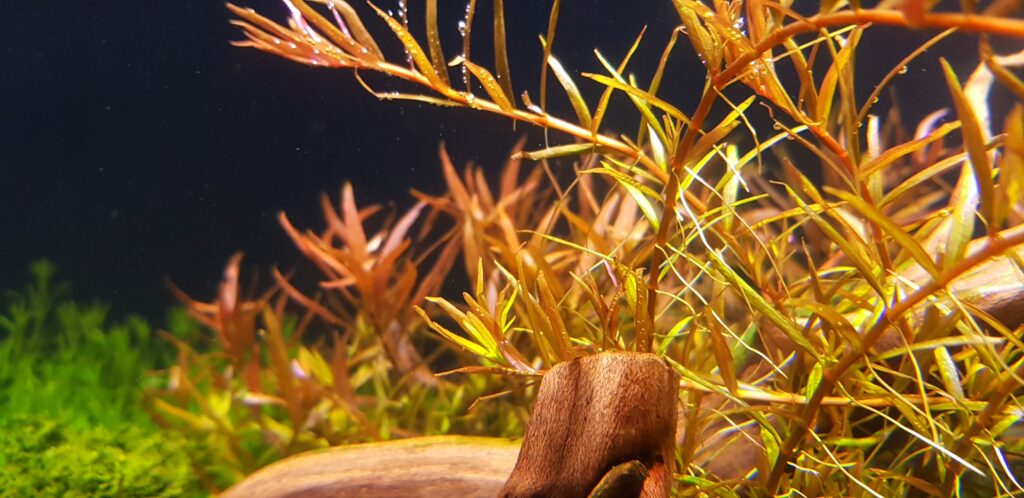
Proper preparation is essential to ensure the safety and effectiveness of alum dip treatment for aquarium plants. It involves gathering the correct materials, understanding the appropriate quantities, and following precise procedures to create a safe and effective alum solution. Adequate preparation minimizes potential risks to the plants and the aquatic environment while maximizing the benefits of the treatment.
Before initiating the alum dip process, assembling all necessary supplies and adhering to recommended preparation steps are crucial. This organized approach ensures a smooth treatment process and promotes healthy, resilient aquarium plants post-treatment.
Required materials and supplies for alum dip treatment
Using high-quality, reliable materials is fundamental for preparing an effective alum dip solution. The ingredients and tools should be carefully selected to avoid introducing contaminants or impurities that could harm the aquatic ecosystem. The following list details the essential supplies needed for safe and efficient alum dip preparation:
- Alum powder (potassium aluminum sulfate) – food-grade or laboratory-grade
- Clean, dechlorinated water or distilled water
- Measuring spoons or a digital scale for precise quantities
- Measuring cups or graduated cylinders
- Large, non-reactive mixing container (preferably glass or plastic)
- Stirring rod or spoon (non-metallic)
- Protective gloves and safety goggles to handle alum safely
- Thermometer to monitor water temperature
- pH testing kit to check solution acidity
Assembling these supplies prior to treatment helps streamline the process and ensures safety measures are in place. Using purified or dechlorinated water prevents unwanted chemical reactions during alum solution preparation.
Step-by-step procedures for preparing a safe alum solution
Following a systematic approach guarantees the alum solution is prepared accurately, promoting safe application to aquarium plants. The steps below Artikel the recommended process to create a diluted, effective, and safe alum dip solution:
| Materials | Quantities | Steps |
|---|---|---|
| Alum powder | 1 teaspoon (approximately 5 grams) | Measure the alum powder precisely using a measuring spoon or digital scale. |
| Dechlorinated or distilled water | 1 liter (1000 ml) | Pour the water into the mixing container, ensuring it is clean and free of any residues. |
| Gradually add the measured alum powder into the water while stirring continuously to promote complete dissolution. | ||
| Stirring rod or spoon | As needed | Mix thoroughly until the alum powder is fully dissolved, resulting in a clear solution with no visible particles. |
| Thermometer | N/A | Monitor the temperature; ideally, maintain the solution at room temperature (around 20-25°C) during preparation. |
| pH testing kit | N/A | Test the pH of the solution; it should be slightly acidic, around 5.5 to 6.0. Adjust if necessary by diluting or adding buffering agents. |
| Once prepared and tested, transfer the solution into a storage container if not used immediately, and label it clearly. |
Note: Always wear protective gloves and goggles when handling alum to prevent skin and eye irritation. Prepare the solution in a well-ventilated area and avoid inhaling alum dust or fumes.
Procedure for treating aquarium plants with alum dip
Properly treating aquarium plants with an alum dip requires meticulous attention to several key steps to ensure the plants are disinfected effectively without causing harm. This process involves selecting healthy plants, immersing them correctly in the alum solution, and following precise timing and handling guidelines. Adhering to these procedures helps prevent the introduction of pests, fungi, or bacteria into your aquarium, promoting healthier plant growth and a cleaner aquatic environment.
Executing the alum dip treatment correctly involves a combination of careful plant selection, correct preparation of the alum solution, and maintaining optimal immersion times. This systematic approach ensures that the plants are cleaned thoroughly while preserving their vitality, ultimately contributing to a more thriving and aesthetically pleasing aquarium.
Selecting Healthy Plants Suitable for Alum Dip
Choosing the right plants is fundamental to the success of the alum dip treatment. Only healthy, vigorous plants should undergo this process, as weakened or damaged specimens are more susceptible to stress and may not recover effectively. Look for plants with intact leaves, firm stems, and no signs of disease, pests, or decay.
Inspect each plant thoroughly for common issues such as discoloration, holes in leaves, or slimy textures, which may indicate pest infestations or infections. Plants with extensive root systems and robust growth are generally better candidates, as they tend to withstand the treatment better. Avoid using plants that are already stressed or showing signs of severe illness, as alum dip can exacerbate their condition.
Process of Immersing Plants in the Alum Solution
Proper immersion of plants in the alum solution is crucial for effective disinfection. The process involves submerging the selected plants into a prepared alum solution, ensuring complete coverage of all plant surfaces that may harbor pests or pathogens. It is important to handle plants gently to prevent mechanical damage during the immersion.
Before immersion, rinse the plants with clean water to remove any loose debris. Then, hold each plant carefully and lower it into the alum solution, making sure that all parts—leaves, stems, and roots—are submerged. The solution should be prepared according to recommended concentration guidelines, typically around 1% alum solution, but it is essential to follow specific instructions based on plant sensitivity.
Timing Guidelines for Alum Dip Duration
Different plant types respond variably to alum dips, making it essential to adhere to specific timing guidelines to avoid overexposure or under-treatment. Delicate aquatic plants require shorter immersion times, whereas more robust species can tolerate longer treatments.
For most aquatic plants, the typical immersion duration ranges from 2 to 5 minutes. Soft-leaved plants like Anubias or Java Ferns should be dipped for approximately 2 minutes, while sturdier plants such as Vallisneria or Ludwigia can withstand up to 5 minutes. It is advisable to start with the lower end of the time spectrum and observe plant response before extending the duration if necessary.
Always monitor the plants during treatment to prevent signs of stress, such as curling or discoloration, which indicate overexposure. After the prescribed time, promptly remove the plants from the alum solution to minimize potential damage.
Dos and Don’ts During the Dipping Process
Following specific dos and don’ts ensures the alum dip treatment is both safe and effective, reducing the risk of damaging the plants or leaving residual alum that could affect water quality.
- Do: Use a freshly prepared alum solution for each treatment session to ensure maximum efficacy and prevent contamination.
- Do: Gently handle plants to avoid mechanical stress or breakage, especially for delicate species.
- Do: Rinse plants with clean water immediately after removing them from the alum dip to wash away any residual alum particles.
- Do: Observe plants closely during the immersion; if signs of stress or damage appear, remove them promptly.
- Don’t: Over-immerse plants beyond the recommended duration, as prolonged exposure can cause tissue damage and impact plant health.
- Don’t: Use a highly concentrated alum solution unless specifically advised, as this increases the risk of toxicity.
- Don’t: Place treated plants directly into the aquarium without rinsing, as residual alum can alter water parameters and harm aquatic life.
- Don’t: Treat stressed or diseased plants with alum dip unless combined with other health management practices, as their weakened state may lead to adverse reactions.
Post-treatment care and rinsing
Treating aquarium plants with alum dip requires careful post-treatment procedures to ensure that residual alum is thoroughly removed and that the plants are safely reintroduced into the aquarium environment. Proper rinsing and handling help minimize stress on the plants and promote healthy recovery, ultimately leading to a thriving aquatic setup.After the alum dip, it is essential to eliminate any remaining alum residues that could otherwise harm the plants or alter water parameters.
Residual alum may cause phytotoxicity, leading to discoloration, slowed growth, or decay. Therefore, implementing an effective rinsing process is crucial for the health of your aquarium flora.Careful rinsing involves multiple steps to ensure all traces of alum are removed and that the plants are safe for reintroduction. Additionally, proper acclimation practices help the plants recover from treatment stress and adapt smoothly back into the aquarium environment.
Following these steps enhances plant vitality and maintains overall tank stability.
Rinsing plants thoroughly after alum dip
Ensuring complete removal of alum from treated plants is vital to prevent any lingering chemical effects. Rinsing should be performed in a clean, well-maintained container filled with dechlorinated or aged water that matches the temperature of the aquarium to minimize shock.Begin by gently immersing each plant in the rinse water, swishing lightly to dislodge any adhered alum particles. Repeat this process multiple times—typically 3 to 5 rinses—using fresh water each time.
This thorough rinsing helps dilute and wash away residual alum that might be clinging to plant surfaces or roots.To enhance cleanliness, consider using a soft-bristled brush or gentle agitation during rinsing to reach crevices and densely packed leaves, ensuring no residual alum remains. It is also advisable to monitor the pH and water clarity during rinsing to confirm the absence of chemical residues before proceeding.
Removing residual alum from plants effectively
Residual alum can be stubborn, especially on thick or densely branched plants. To further ensure complete removal, some aquarists employ specific methods that aid in residual alum extraction.One effective approach is soaking the plants in a solution of activated carbon or carbon-infused water for a short period, which can adsorb remaining alum particles. This method is particularly useful when dealing with heavily treated or older, tougher plants with complex structures.Another technique involves using dilute salt solutions—such as a mild brine bath—since salt can help dislodge chemical residues without harming most aquatic plants.
It is essential to rinse the plants thoroughly afterward with freshwater to prevent salt buildup.Regular observation of plants after rinsing is crucial. If any discoloration, softening, or abnormal appearance persists, additional rinsing or alternative methods should be considered to ensure safety before reintroduction.
Acclimating treated plants back into the aquarium
Once plants are thoroughly rinsed and free from alum residues, they require careful acclimation to the aquarium environment to reduce stress and promote healthy recovery. Gradual acclimation prevents shock from sudden changes in water parameters and helps plants regain vigor.Start by placing the treated plants in a quarantine or temporary holding tank filled with aquarium water at the same temperature, pH, and hardness levels.
Allow the plants to sit for at least 24 hours, observing their response and health status.After this period, slowly introduce small amounts of aquarium water into the holding container in stages—over several hours or a day—thus gradually matching the permanent tank’s water chemistry. This method, known as drip acclimation, minimizes osmotic stress and facilitates a smoother transition.Throughout the acclimation process, monitor plant condition closely.
Look for signs of stress, such as leaf curling, discoloration, or wilting. If these occur, extend the acclimation period and ensure optimal water conditions to support recovery.
Minimizing plant stress and ensuring recovery
Minimizing stress during and after alum treatment is essential to promote plant resilience and rapid healing. Several best practices can help achieve this goal.Maintain optimal water parameters in the main tank that match the plants’ natural preferences. Stable temperature, appropriate lighting, and balanced nutrient levels foster healthy growth and recovery.Avoid sudden changes in lighting intensity or water chemistry immediately after reintroducing the plants.
Gradually increasing light exposure and maintaining consistent water parameters reduce shock and promote adaptation.Providing adequate nutrients, such as iron, potassium, and trace elements, supports the plants’ regenerative processes. Use specially formulated aquatic plant fertilizers to supplement deficiencies during recovery.Lastly, observe plants regularly for any signs of distress, including yellowing, browning, or softening of leaves. Address issues promptly by adjusting water quality, providing additional nutrients, or gently trimming damaged parts to encourage new growth and overall vitality.
Safety and Environmental Considerations
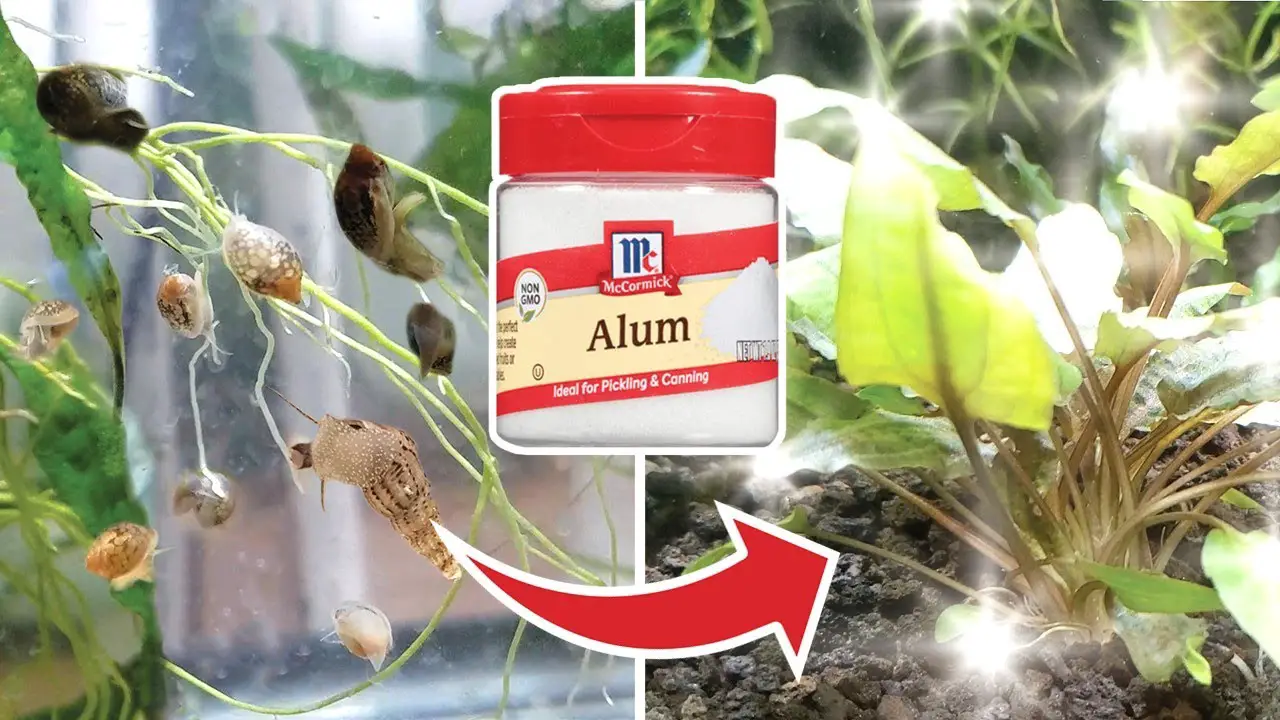
Ensuring safety during alum dip treatments and minimizing environmental impact are essential aspects of responsible aquarium maintenance. Proper handling, storage, and disposal practices not only protect your health but also safeguard the aquatic environment from potential harm caused by chemical runoff or improper waste management. Adhering to these guidelines promotes a sustainable approach to aquarium care while effectively treating aquatic plants.
Alum, or potassium aluminum sulfate, is generally safe when used correctly, but it requires cautious handling to prevent accidental exposure or environmental contamination. Proper safety measures help avoid skin or eye irritation, respiratory issues, and other health risks associated with chemical exposure. Simultaneously, environmental precautions ensure that residual alum does not adversely affect other aquatic life or surrounding ecosystems through runoff or improper disposal.
Implementing responsible disposal and storage practices further enhances the safety and sustainability of the treatment process.
Protective Measures During Alum Dip Treatment
To safeguard personal health during alum dipping, it is crucial to follow recommended safety procedures. Handling alum involves precautions to prevent accidental ingestion, skin contact, or inhalation of dust or fumes, especially when preparing or applying the solution.
- Wear protective gear such as rubber gloves, safety goggles, and a face mask to prevent direct contact with alum and inhalation of dust particles.
- Work in a well-ventilated area to reduce inhalation risks, particularly if preparing concentrated solutions or working with larger quantities.
- Keep alum in tightly sealed containers, clearly labeled, and stored out of reach of children or pets to prevent accidental ingestion or exposure.
- Wash hands thoroughly with soap and water after handling alum, even if gloves were worn, to remove any residual chemical traces.
Environmental Precautions to Prevent Alum Runoff
Preventing alum runoff into surrounding water bodies or soil is vital to avoid unintended ecological consequences. Alum solutions, if improperly disposed of, can alter water chemistry and harm aquatic organisms.
Given that alum is soluble in water and can lower pH levels, careful planning and containment during the dipping process reduce the risk of environmental contamination. Using contained trays or designated workspaces minimizes runoff. Additionally, exercising caution during rinsing and disposal ensures alum residues are not washed into natural water sources.
- Perform alum dips over impermeable surfaces or contained trays to prevent excess solution from spilling into soil or drains.
- Immediately collect and neutralize any residual alum solution using appropriate methods before disposal.
- Avoid rinsing treated plants directly into natural water bodies; instead, rinse them in a separate container and dispose of the rinse water responsibly.
- Implement barriers or absorbent materials around treatment areas to contain accidental spills or runoff.
Responsible Disposal of Alum Solution
Proper disposal of alum solutions is essential to prevent environmental hazards and comply with safety standards. Alum is considered non-toxic at small concentrations, but excessive disposal without neutralization can affect water quality.
Always dilute surplus alum solution with large volumes of water before disposal, and avoid pouring concentrated solutions directly into drains or natural water sources.
- Neutralize alum solutions by gradually adding a base like baking soda or sodium bicarbonate until the solution stops reacting (fizzing or bubbling), indicating pH neutrality.
- Once neutralized, dilute the solution further with plenty of water and use it on non-vegetated soil or non-potable areas, avoiding runoff into waterways.
- Consult local waste disposal regulations to determine if alum waste qualifies as hazardous waste and requires special handling.
- When in doubt, take the neutralized solution to a licensed waste disposal facility or professional waste management service for proper disposal.
Safe Handling and Storage of Alum
Handling and storing alum with care prolongs its effectiveness and reduces risks associated with accidental exposure or spillage. Proper storage practices also prevent deterioration or contamination of the chemical.
- Keep alum in a cool, dry, and well-ventilated area, away from direct sunlight, moisture, and incompatible substances such as acids or oxidizers.
- Use clearly labeled, sealed containers made of inert materials like plastic or glass to prevent corrosion or leakage.
- Store alum separately from edible items, household chemicals, and other hazardous substances to prevent cross-contamination.
- Maintain a safety data sheet (SDS) accessible in the storage area, providing detailed information on handling, first aid, and spill response procedures.
- Ensure that the storage area is secure to prevent unauthorized access, especially by children or pets.
Alternatives to alum dip for aquarium plant treatment
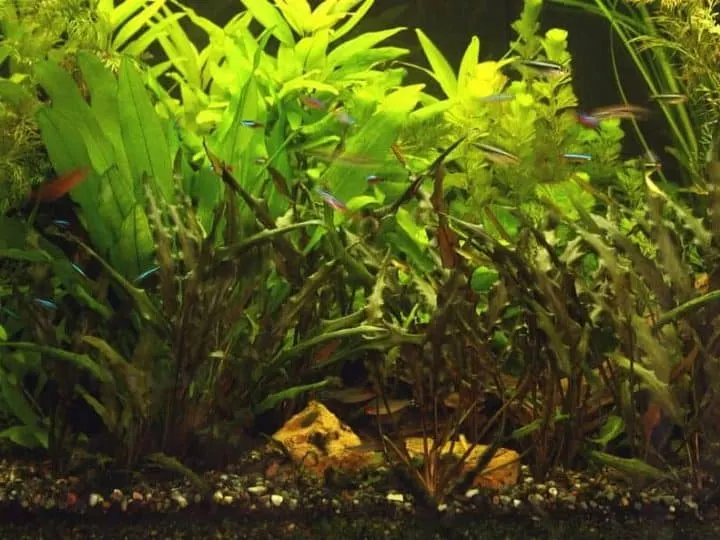
While alum dip remains a popular method for disinfecting and treating aquarium plants, several alternative approaches can be considered based on the specific needs of the aquatic environment, plant species, and safety considerations. These alternatives encompass natural and chemical methods, each with distinct advantages and limitations that influence their suitability for different scenarios.
Understanding the various options available allows aquarium hobbyists and professionals to select the most appropriate treatment method, ensuring plant health while maintaining a safe environment for fish and other aquatic life.
Natural Alternatives to Alum Dip
Natural treatments focus on non-chemical methods that can effectively reduce pests, algae, or pathogens on aquarium plants without introducing potentially harmful substances into the aquatic system. These methods typically involve environmentally friendly and gentle practices that preserve the plant’s health and promote a balanced tank ecosystem.
| Method | Description | Advantages | Disadvantages |
|---|---|---|---|
| Rinsing with Salt Solution | Immersing plants in a diluted saltwater solution to eliminate pests and parasites. | Natural, readily available, and reduces the risk of chemical residues. | Excessive salt can harm sensitive plant species and alter water chemistry. |
| Soaking in Hydrogen Peroxide (H2O2) | Using a low concentration of hydrogen peroxide to disinfect plants and remove algae or pathogens. | Effective against fungi, bacteria, and algae; decomposes into water and oxygen. | High concentrations may damage plant tissues; requires careful dosing. |
| Sunlight Exposure | Briefly exposing plants to direct sunlight to control algae and pests naturally. | Cost-effective and eco-friendly; enhances plant vigor. | Overexposure can cause sunburn or stress to plants; limited efficacy against internal pests. |
These natural methods are particularly suitable for hobbyists seeking chemical-free options, especially in tanks with sensitive or delicate plant species. However, their effectiveness may be limited compared to chemical treatments, and they often require longer application times.
Chemical Alternatives to Alum Dip
Chemical treatments provide more potent and rapid solutions for disinfecting and treating aquarium plants from pests, fungal infections, or bacterial pathogens. The selection of chemical agents depends on the target issue, plant tolerance, and safety for aquatic animals.
| Chemical Treatment | Description | Advantages | Disadvantages |
|---|---|---|---|
| Commercial Aquarium Plant Dips | Pre-formulated solutions designed specifically for aquarium plants, often containing mild disinfectants or anti-parasitic agents. | Easy to use; standardized concentrations; effective against common pests and fungi. | Costlier than homemade solutions; potential for residual chemical effects if not rinsed properly. |
| Potassium Permanganate | Oxidizing agent used to disinfect plants and remove pathogens. | Broad-spectrum effectiveness; can treat internal and external pests. | Requires careful handling; improper dosing can damage plants and produce residual toxicity. |
| Formalin or Formaldehyde Solutions | Strong disinfectants used in controlled doses for treating plants and water quality issues. | Highly effective in sterilization processes. | Toxic to humans and aquatic life if mishandled; must be used with extreme caution. |
Chemical treatments are recommended when rapid and effective disinfection is necessary, especially in cases of severe infestations or infections. Proper dosing, application, and thorough rinsing are essential to prevent adverse effects on plants and aquatic life.
Scenarios Favoring or Discouraging Alum Dip Usage
While alum dip is a practical option for many, certain situations may make it less suitable or unnecessary:
- Preferred Scenarios: When quick disinfection of hardy aquarium plants is needed, particularly for plants that can tolerate mild chemical exposure. It is also useful for hobbyists seeking an affordable and straightforward method to manage pests or pathogens.
- Not Recommended Scenarios: For delicate or sensitive plant species that may be adversely affected by alum or when the risk of residual chemical toxicity is high. Additionally, in tanks with a high concentration of fish or invertebrates that are vulnerable to alum’s effects, alternative treatments should be considered.
- Environmental Considerations: When the water system’s surrounding environment is sensitive or when the alum solution might enter natural water bodies, risking ecological harm. In such cases, natural or less invasive methods are preferable.
Choosing between alum dip and its alternatives depends on balancing effectiveness, safety, environmental impact, and the specific conditions of the aquarium setup. Proper assessment ensures the health of both plants and aquatic life while maintaining a balanced ecosystem.
Closing Summary
In summary, using alum dip for treating aquarium plants is a practical approach to maintaining plant health and preventing common issues. By following proper procedures and safety measures, you can enjoy a vibrant, balanced aquarium that supports the growth of beautiful and healthy aquatic plants.