Learning how to treat aquarium plants with hydrogen peroxide offers a practical solution for maintaining healthy and vibrant aquatic vegetation. This method helps address common issues such as algae overgrowth, plant decay, and bacterial infections, ensuring a thriving underwater environment. Proper application and safety precautions are essential to achieve effective results without harming aquatic life.
Understanding the correct preparation, application techniques, and potential effects of hydrogen peroxide on different plant species can significantly enhance your aquarium care routine. This guide provides comprehensive insights to help hobbyists navigate treatment options safely and effectively, leading to healthier aquatic plants and a more balanced tank ecosystem.
Introduction to treating aquarium plants with hydrogen peroxide
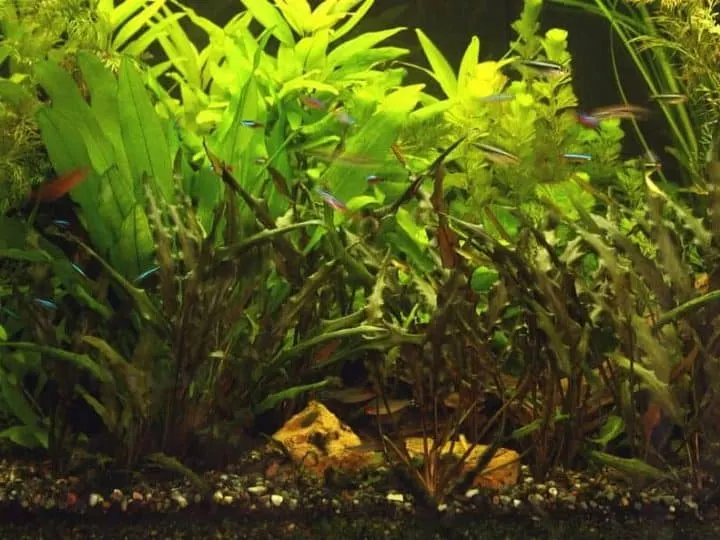
Hydrogen peroxide is a versatile and effective tool in the maintenance of healthy aquarium plants. Its use in aquariculture has gained popularity due to its ability to address common plant issues swiftly and safely when applied correctly. Incorporating hydrogen peroxide into your plant care routine can enhance plant vigor, combat unwanted algae, and promote a healthier aquatic environment.
The primary purpose of using hydrogen peroxide in aquarium plant care is to provide a chemical remedy for various problems that hinder plant growth and overall tank health. It acts as a powerful oxidizer, helping to eliminate algae outbreaks, reduce bacteria, and improve oxygenation within the substrate and water column. Proper use can support lush, vibrant plant growth while maintaining a balanced ecosystem.
Benefits of using hydrogen peroxide in aquarium plant care
The application of hydrogen peroxide offers several significant advantages for aquarium enthusiasts looking to optimize plant health:
- Algae Control: Hydrogen peroxide effectively suppresses green algae and filamentous algae that often cling to plant surfaces and decorations, preventing overgrowth that can smother aquatic plants.
- Enhanced Oxygen Levels: When decomposed, hydrogen peroxide releases oxygen directly into the water, improving oxygen availability especially during treatment periods, which benefits both plants and fish.
- Root and Stem Disease Management: It can help manage fungal infections and bacterial issues affecting plant roots and stems, promoting healthier and more resilient plants.
- Improved Nutrient Absorption: By reducing harmful microbial populations, hydrogen peroxide facilitates better nutrient uptake by plants, supporting faster and stronger growth.
Safety considerations and precautions for treatment
While hydrogen peroxide can be highly beneficial, it must be used with care to avoid adverse effects on aquarium inhabitants and plants. Proper safety protocols are essential for successful treatment:
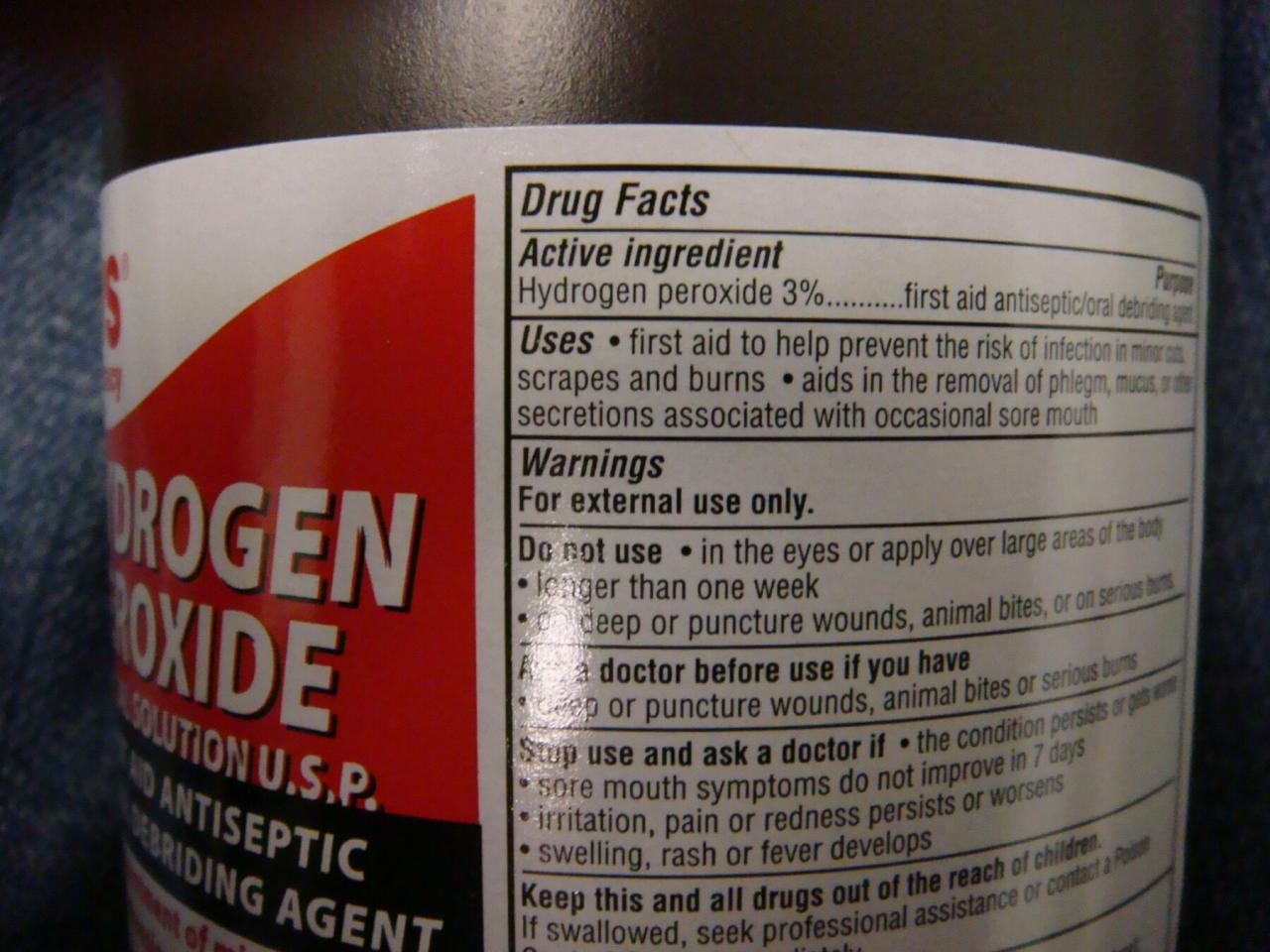
- Concentration Control: Always use a diluted solution, typically around 3% hydrogen peroxide, and adhere to recommended dosages based on aquarium size. Over-concentration can harm plants and fish.
- Gradual Application: Introduce hydrogen peroxide gradually, observing the response of plants and livestock, to prevent sudden oxygen fluctuations or toxicity.
- Monitoring: Keep a close eye on water parameters, especially oxygen levels and pH, during and after treatment to ensure a safe environment.
- Avoiding Sensitive Species: Refrain from using hydrogen peroxide around delicate or sensitive aquatic creatures, such as certain invertebrates or fry, as they may be more susceptible to harm.
- Proper Handling: Store hydrogen peroxide in a cool, dark place and handle with care to prevent accidental spills or contact with skin and eyes.
Always consult specific guidelines and consider testing in a small section of the tank before full application to safeguard your aquatic ecosystem.
Preparing for hydrogen peroxide treatment
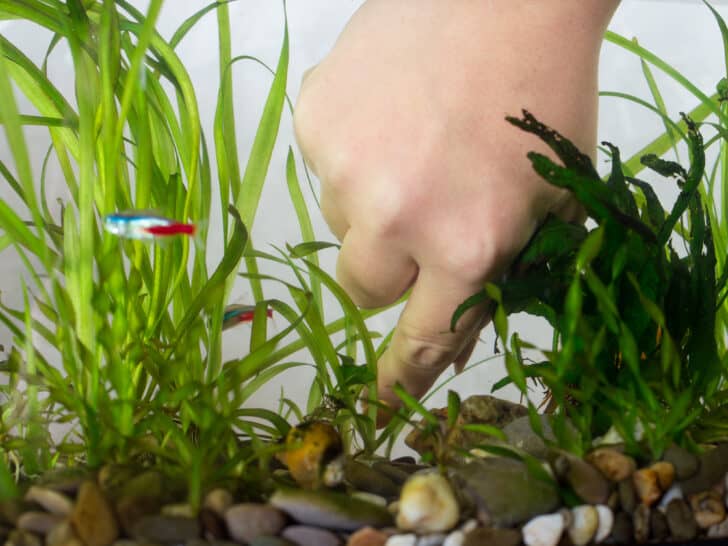
Effective and safe application of hydrogen peroxide to aquarium plants requires careful preparation. Proper assessment of plant health, choosing the correct concentration, and precise mixing protocols are essential to maximize benefits while minimizing potential harm. Adequate preparation ensures that the treatment supports plant recovery and maintains overall aquarium stability.
Before proceeding with hydrogen peroxide application, it is vital to evaluate the current condition of your aquarium plants, select an appropriate concentration tailored to your specific needs, and prepare a safe mixture. This thorough approach helps prevent overexposure, which could damage delicate plant tissues or disrupt the aquatic ecosystem.
Assessing plant health before treatment
Evaluating the health status of aquarium plants is a critical first step that informs the treatment approach. Healthy plants typically exhibit vibrant coloration, firm leaves, and active growth, whereas unhealthy plants may show signs of decay, discoloration, or pest infestation. Identifying these signs helps determine whether hydrogen peroxide treatment is necessary and how aggressively it should be applied.
Performing a visual inspection of each plant species involved involves examining leaf coloration for signs of bleaching or browning, checking for tissue softness or decay, and noting any presence of algae or pests that could influence treatment decisions. Additionally, assessing water parameters like pH, nitrate, and phosphate levels provides context for underlying issues affecting plant health, which might need addressing alongside hydrogen peroxide application.
Choosing the appropriate hydrogen peroxide concentration and volume
Selecting the correct concentration and volume of hydrogen peroxide is crucial to ensure effective treatment without harming the plants or aquatic life. The goal is to use a concentration that is strong enough to eliminate algae or pests but gentle enough to avoid damaging healthy tissues.
The optimal concentration often varies depending on the severity of the problem and the particular plant species involved. Generally, low concentrations around 0.5% to 3% are suitable for aquarium plant treatment. The volume applied should be proportional to the size of the tank and the affected areas, ensuring even distribution without excessive dosage.
Careful measurement and adherence to recommended dosages are vital to prevent overexposure, which can lead to plant tissue damage or water chemistry imbalances. When in doubt, starting with a lower concentration and gradually increasing if necessary allows for safe and controlled treatment progress.
Comparison table of hydrogen peroxide strengths and applications
Understanding the differences in hydrogen peroxide strengths helps in selecting the right product for specific aquarium needs. The table below provides a comparison of common hydrogen peroxide concentrations, their typical applications, and safety considerations:
| Hydrogen Peroxide Strength | Typical Application | Suitable for | Notes |
|---|---|---|---|
| 3% | General plant treatment, algae control | Small tanks, delicate plants, minor infestations | |
| 6% | Stronger algae removal, pest control | Medium-sized tanks, more persistent algae | |
| 9-12% | Heavy algae infestation, stubborn pests | Large tanks, severe problems, professional use |
Note: Higher concentrations require more cautious handling and careful dilution to prevent plant and fish stress. Always adhere to manufacturer guidelines and perform small-scale test treatments prior to full application.
Safe mixing and dilution methods for aquarium use
Properly diluting hydrogen peroxide ensures controlled and safe application within the aquarium environment. The process involves preparing a diluted solution from a stock product, typically 3%, to achieve the desired effective concentration.
When mixing hydrogen peroxide, always wear protective gloves and eyewear to prevent contact with the skin or eyes. Use measuring devices such as graduated cylinders or syringes for accuracy. Add the hydrogen peroxide slowly into water rather than pouring directly into the tank to avoid localized high concentrations that could harm plants or aquatic animals.
To prepare a 0.5% solution from a 3% stock:
Mix 1 part of 3% hydrogen peroxide with 5 parts of water.
This dilution can be adjusted based on specific treatment needs. For example, to create a 1% solution, mix 1 part of hydrogen peroxide with 2 parts water. Always perform a small test volume to confirm the final concentration before applying it broadly in the aquarium. Label diluted solutions clearly and store them safely away from children and pets to prevent accidental ingestion.
Application Procedures for Hydrogen Peroxide in Aquariums
Implementing hydrogen peroxide treatment for aquarium plants requires careful execution to ensure effectiveness while maintaining the safety of aquatic life. Proper application procedures help target problematic areas such as algae infestations or diseased plants, promoting healthier growth and preventing further issues within the ecosystem.
Adhering to precise application steps minimizes stress on plants, fish, and beneficial bacteria, and ensures the treatment yields optimal results. The following guidelines Artikel a structured approach to applying hydrogen peroxide safely and effectively in your aquarium environment.
Step-by-Step Procedures for Applying Hydrogen Peroxide to Aquarium Plants
To achieve safe and effective results, follow this detailed sequence when applying hydrogen peroxide to affected plants:
- Assess the Extent of the Issue: Examine the affected plants to determine the severity of algae or disease presence. Identify specific areas that require treatment.
- Prepare the Hydrogen Peroxide Solution: Use a fresh, 3% hydrogen peroxide solution, which is commonly available and safe for aquarium use when applied correctly. For targeted treatments, dilute appropriately if necessary, following recommended guidelines.
- Turn Off Filtration and Aeration: Temporarily disable filters and aerators to prevent rapid dispersion of hydrogen peroxide, allowing for more controlled application.
- Apply Hydrogen Peroxide Directly to Affected Areas: Using a pipette or syringe, carefully add the peroxide solution directly onto the problematic plant tissues or algae colonies. Avoid excessive application to prevent stressing the plants or harming other aquatic life.
- Monitor Plant Response: Observe the plants over the next 10-15 minutes for any signs of stress or adverse reactions. If necessary, rinse or neutralize the area with clean water.
- Restore Filtration and Aeration: After the treatment window, turn systems back on to restore normal water flow and oxygen levels.
- Repeat as Needed: If algae or disease persists, reapply following recommended intervals, ensuring proper monitoring to avoid overexposure.
Application Techniques Table
The following table summarizes different hydrogen peroxide application methods, their procedures, and typical use cases:
| Technique | Description | Best For | Advantages | Disadvantages |
|---|---|---|---|---|
| Direct Addition | Adding hydrogen peroxide directly into the water column or onto specific plants or algae using a syringe or dropper. | Localized algae removal, targeted plant treatment. | Precise application, minimal chemical use. | Requires careful dosing to prevent overexposure. |
| Soaking Plants | Removing affected plants from the tank and soaking them in a dilute peroxide solution for a specified period. | Severe infestations, root rot treatment. | Effective for deep cleaning plants. | Time-consuming, risk of damaging sensitive roots if overexposed. |
| Spraying | Using a fine spray bottle to mist peroxide onto plant surfaces and algae colonies. | Surface algae control, gentle treatment of delicate plants. | Controlled application, reduces chemical excess. | Less effective for deeper issues. |
Guidelines on Frequency and Duration of Treatments
Maintaining a balanced treatment schedule is crucial for preventing plant stress and ensuring the health of the aquarium ecosystem. Hydrogen peroxide treatments should be performed with caution, considering the sensitivity of aquatic organisms and beneficial bacteria.
- Initial treatments should be spaced at least 5-7 days apart, allowing the plants and beneficial bacteria to recover.
- Limit each application to a maximum of 10-15 minutes of contact time to reduce the risk of oxygen depletion or chemical stress.
- Use the lowest effective concentration—typically 3% hydrogen peroxide diluted to 1-2%—to minimize adverse effects.
- Assess plant response after each treatment, adjusting frequency accordingly. Over-treatment can lead to plant stress, algae resurgence, or harm to fish and invertebrates.
In cases of persistent issues, consult reputable sources or aquatic specialists to develop a tailored treatment plan. Monitoring water parameters regularly during and after treatments helps prevent unintended consequences such as ammonia spikes or oxygen shortages, safeguarding the overall health of your aquarium ecosystem.
Precautions to Prevent Overuse and Potential Harm
While hydrogen peroxide is an effective tool for managing algae and plant diseases, improper use can cause harm to fish, beneficial bacteria, and delicate plants. Adhering to the following precautions ensures safe application:
- Always use a 3% hydrogen peroxide solution, and dilute appropriately for aquarium applications.
- Measure dosages carefully, avoiding concentrations that exceed recommended levels.
- Limit treatment frequency and duration to prevent oxygen depletion and chemical stress.
- Perform treatments in a well-ventilated environment and monitor oxygen levels closely during and after application.
- Do not treat if fish or invertebrates are particularly sensitive or during breeding or stressful periods.
- After treatment, monitor water parameters such as ammonia, nitrite, nitrate, and oxygen to ensure the aquarium remains stable.
- Consult with aquatic professionals if uncertain about dosage or potential impacts on specific plant species or fish.
Proper caution and adherence to guidelines will help maintain a healthy, balanced aquarium environment while effectively managing plant health through hydrogen peroxide treatments.
Effects of hydrogen peroxide on aquarium plants
Hydrogen peroxide (H2O2) is widely used in aquarium maintenance for its ability to combat algae and bacterial overgrowth. When applied to aquarium plants, it interacts with plant tissues and algae in specific ways, affecting their health and growth. Understanding these effects is essential for achieving effective treatment while minimizing potential damage to desirable aquatic flora.
Hydrogen peroxide acts primarily as an oxidizing agent, releasing oxygen upon decomposition. Its impact on aquatic plants depends on concentration, exposure time, and the plant species involved. While minor doses can help control algae without harming healthy plants, excessive or improperly applied peroxide can cause tissue damage and impede plant growth. Conversely, algae species such as filamentous algae and green spot algae are particularly susceptible to oxidative stress caused by hydrogen peroxide, often leading to their rapid decline.
Interaction with plant tissues and algae
Hydrogen peroxide penetrates plant tissues and algae cells, generating reactive oxygen species (ROS) that can damage cellular components like membranes, proteins, and DNA. For algae, this oxidative stress often results in cell death, making H2O2 an effective agent for algae removal. In contrast, healthy, well-established aquatic plants possess robust cell walls and antioxidant defenses that can mitigate some oxidative damage when treated with controlled doses of hydrogen peroxide.
Its effect on plant tissues is dose-dependent; low concentrations may stimulate root and shoot growth by improving oxygen availability in root zones, while higher concentrations can cause necrosis or tissue browning. Therefore, careful calibration of dosage is essential to balance algae eradication with plant health preservation.
Outcomes of treatment on various plant species and algae types
Several factors influence the results of hydrogen peroxide treatments, including plant species, algae type, and application method. Hardy plants such as Anubias, Java fern, and Amazon sword are generally more tolerant of brief peroxide exposure, especially at low concentrations. Delicate or sensitive plants like certain mosses or aquatic stems may be more susceptible to damage, requiring gentler treatment protocols.
Different algae respond variably; filamentous algae and green spot algae are particularly vulnerable and often eradicated effectively with targeted H2O2 doses. Conversely, some blue-green algae (cyanobacteria) may be more resistant, necessitating repeated or combined treatments for successful removal. In some cases, hydrogen peroxide can effectively suppress algae blooms but may not eliminate entrenched or resistant strains entirely.
Methods to evaluate treatment effectiveness post-application
Monitoring is vital to determine the success of hydrogen peroxide treatment and ensure plant safety. Post-application evaluation involves observing several key indicators:
- Visual assessment of algae reduction: A noticeable decline in algae coverage or filamentous growth indicates effective treatment.
- Plant vitality: Healthy plants should maintain their coloration and exhibit new growth within a week. Signs of damage include browning, tissue necrosis, or slowed growth.
- Water clarity and oxygen levels: Improved water clarity and increased dissolved oxygen can signify effective algae control and beneficial oxygenation resulting from peroxide breakdown.
- Repeated measurements: Conducting periodic observations over days to weeks helps confirm sustained control and identifies any delayed plant responses or regrowth of algae.
- Reduced algae presence, especially filamentous or surface algae.
- Maintained or improved plant coloration and vigor.
- Absence of tissue browning or necrosis.
- Healthy new growth from plant tips and shoots.
- Brown or blackened leaf edges and tissue necrosis.
- Wilting or drooping of plant parts.
- Unusual discoloration or loss of coloration.
- Persistent plant decline despite initial algae removal.
- Overexposure leading to plant damage: Excessive or prolonged hydrogen peroxide application can cause bleaching, leaf browning, or plant tissue necrosis.
- Oxygen fluctuations: Sudden increases in oxygen levels may cause stress to fish and invertebrates, particularly if aeration is not adjusted accordingly.
- Uneven distribution: Improper mixing may result in inconsistent treatment, leaving some areas under-treated or over-treated.
- Adverse reactions with tank inhabitants: Sensitive species may react negatively, exhibiting stress behaviors or health decline.
- Personal protective equipment: Always wear gloves, eye protection, and a lab coat or apron when handling hydrogen peroxide to prevent skin and eye contact.
- Ventilated storage: Store hydrogen peroxide in a cool, well-ventilated area, away from direct sunlight, heat sources, and incompatible substances like metal catalysts or organic compounds.
- Container safety: Keep containers tightly sealed, clearly labeled, and resistant to corrosion to avoid leaks or accidental mixing.
- Spill management: Have absorbent materials, such as inert powders or spill kits, readily available to neutralize and clean up accidental spills safely.
- Water dilution: Perform partial water changes, replacing the treated water with fresh, dechlorinated, and conditioned water to dilute residual peroxide.
- Use of catalysts: In some cases, catalase-rich materials like certain algae or commercial neutralizers can accelerate peroxide breakdown, but these should be used cautiously and according to manufacturer instructions.
- Monitoring: Measure peroxide levels with appropriate test kits during and after neutralization to ensure complete removal.
- Cease all further peroxide application immediately.
- Perform large-volume water changes to dilute remaining peroxide levels.
- Increase aeration to boost dissolved oxygen and support stressed aquatic life.
- Remove any visibly damaged or dead plant tissue and debris to prevent decay and water quality deterioration.
- Closely observe fish and invertebrates for signs of distress or harm, and be prepared to move sensitive species to quarantine tanks if necessary.
- Consult aquatic veterinary experts if severe symptoms such as gasping, discoloration, or abnormal behavior persist.
- Ensure proper lighting by providing an appropriate spectrum and duration tailored to the specific plant species, typically 8-10 hours daily, to promote photosynthesis and reduce algae growth.
- Maintain optimal water parameters, including pH, temperature, and hardness, according to the needs of your plants, which supports healthy growth and reduces stress-induced diseases.
- Implement a nutrient-rich substrate or fertilization regimen that supplies essential macronutrients (nitrogen, phosphorus, potassium) and micronutrients (iron, magnesium, trace elements) to prevent deficiencies and promote lush foliage.
- Perform regular water changes, generally 10-20% weekly, to remove excess nutrients and waste products that can foster algae and plant diseases while maintaining water quality.
- Monitor plant health regularly, inspecting for signs of deficiencies, pests, or diseases, enabling early intervention with targeted treatments or adjustments in care routines.
- Limit the use of harsh chemicals; instead, focus on natural methods such as introducing beneficial bacteria to improve biological filtration and prevent pathogen buildup.
- Algae-eating organisms: Introducing species such as Siamese algae eaters, Amano shrimp, or Nerite snails can help control algae growth naturally without chemicals.
- Adjusting lighting and nutrient levels: Reducing light duration or intensity, especially in tanks prone to algae, combined with proper fertilization, helps prevent excess nutrients that algae thrive on.
- Use of barley straw or algae inhibitors: Barley straw slowly releases compounds that inhibit algae growth, offering a natural control method suitable for long-term maintenance.
- Biological filtration enhancements: Adding beneficial bacteria cultures, such as those used in probiotic supplements, can outcompete pathogenic microbes and stabilize water quality, reducing disease incidence.
- Manual removal and quarantine: Regularly removing visible algae and quarantining new plants or livestock prevents the introduction and spread of plant diseases and pests.
Signs of successful treatment versus signs of damage
Recognizing the contrast between effective treatment and potential plant damage allows aquarists to adjust their approach accordingly. Signs of successful hydrogen peroxide application include:
In contrast, signs of damage or overexposure include:
Adjusting peroxide dosage, reducing exposure time, or increasing water changes can mitigate damage if adverse effects are observed. Regular monitoring helps ensure a balanced approach that promotes plant health while controlling algae proliferation.
Troubleshooting and Safety Measures
Handling hydrogen peroxide for aquarium plant treatment requires careful attention to safety protocols and awareness of potential issues that may arise during application. Proper troubleshooting techniques and safety precautions help ensure the well-being of aquatic life, the aquarium environment, and the handler. Understanding common problems and how to address them effectively minimizes risks and promotes successful treatment outcomes.
Proactively implementing safety measures and familiarizing oneself with troubleshooting procedures can prevent accidents, reduce stress on aquatic plants, and mitigate adverse effects. This section provides essential guidance on identifying typical issues, handling hydrogen peroxide safely, neutralizing excess peroxide, and responding promptly to emergency situations to maintain a healthy and safe aquarium environment.
Common Issues Encountered During Hydrogen Peroxide Treatment
During the application of hydrogen peroxide, aquarists may encounter several challenges that can impact treatment efficacy and aquarium safety. Recognizing these issues early allows for prompt corrective actions.
Safety Protocols for Handling and Storing Hydrogen Peroxide
Hydrogen peroxide is a potent chemical that necessitates strict safety measures to prevent accidents and exposure. Proper handling and storage are essential to maintain safety and chemical integrity.
Procedures for Neutralizing Excess Peroxide in the Aquarium
If hydrogen peroxide application exceeds recommended levels or causes adverse effects, neutralization is necessary to restore balance and protect aquatic life.
Emergency Steps for Adverse Effects
In situations where hydrogen peroxide treatment causes unexpected or severe adverse effects, immediate action is required to safeguard the aquarium environment and its inhabitants.
Immediate actions include:
Following these safety and troubleshooting protocols ensures responsible management of hydrogen peroxide treatments, safeguarding the health of your aquarium ecosystem and promoting successful plant care.
Additional tips and best practices
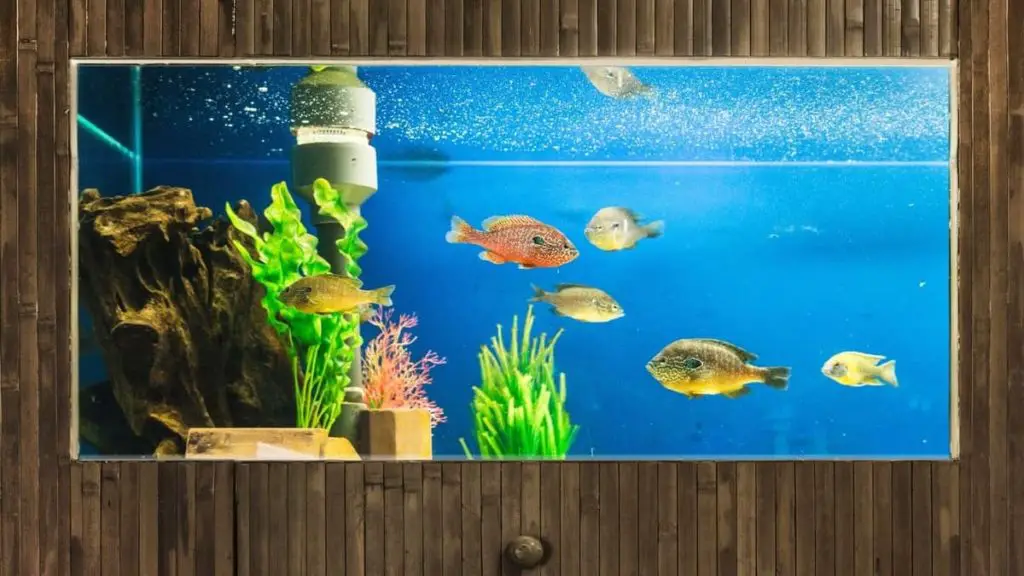
Maintaining vibrant and healthy aquarium plants requires a balanced approach that minimizes chemical dependency while promoting overall ecosystem health. Incorporating hydrogen peroxide treatments wisely can complement good practices, ensuring plants thrive without unintended adverse effects. Implementing these strategies can help aquarium enthusiasts achieve a lush, thriving aquatic environment that remains resilient against common issues such as algae overgrowth and plant diseases.Using hydrogen peroxide as part of a comprehensive aquarium care routine should be done with caution and awareness.
It’s essential to understand how it interacts with other maintenance tasks and biological processes within the tank. Combining chemical treatments with consistent water changes, proper lighting, and nutrient management results in healthier plants and a more stable aquatic ecosystem. Additionally, exploring natural and biological control methods can reduce dependence on chemicals, fostering a sustainable aquarium environment.
Best practices for maintaining healthy aquarium plants without excessive chemical use
Integration of hydrogen peroxide treatment with other aquarium care routines
Hydrogen peroxide treatments should be coordinated with routine maintenance activities to maximize their effectiveness and minimize stress on aquatic life. Applying peroxide after thorough cleaning or water change reduces organic buildup, enhancing oxygenation and reducing anaerobic zones where harmful bacteria may proliferate. It is advisable to administer treatments during periods of stable water parameters, avoiding times of stress such as during breeding or after major renovations.
Incorporating hydrogen peroxide into a routine that includes regular testing of water parameters, consistent feeding schedules, and appropriate lighting helps maintain a balanced environment. If algae or pathogens are persistent, combining peroxide treatments with biological controls, such as introducing algae-eating species or beneficial bacteria, can improve long-term results and reduce the need for frequent chemical interventions.
Examples of alternative methods for controlling algae and plant diseases
Natural and biological methods offer effective alternatives to chemical treatments and can be integrated into the overall care routine for a healthier aquarium. Some proven approaches include:
These methods, when combined with proper aquarium maintenance, reduce the reliance on chemical treatments like hydrogen peroxide, promoting a balanced and sustainable aquatic environment.
Last Point
In summary, using hydrogen peroxide as part of your aquarium plant care can be a highly effective method for combating algae and promoting healthy growth when applied correctly. Careful assessment, proper dilution, and adherence to safety guidelines are vital to prevent adverse effects on your aquatic environment. With informed practices, you can enjoy a lush and vibrant aquarium while maintaining a safe habitat for all its inhabitants.